What Makes Fast Food Packaging Work Best for Takeout and Delivery?
Why Does Fast Food Packaging Matter More in Takeout and Delivery?
Fast food packaging is not just a box, cup, bag, or wrapper now. For a burger shop, fried chicken chain, coffee kiosk, food truck, or delivery-only kitchen, it is part of the order the customer receives. It helps keep fries from going soft, keeps sauce out of the carry bag, and gives the customer a clean first touch before the food is opened. The National Restaurant Association’s 2026 State of the Restaurant Industry report projected U.S. restaurant and foodservice sales at $1.55 trillion, which says a lot about the market: off-premise meals are no longer a small add-on, and packaging has to do more work in the customer experience. (restaurant.org)
Food Quality During the Last Mile
Fast food is often eaten within 10 to 30 minutes, but that short time can still be hard on the food. Steam collects inside closed clamshells, cold drinks sweat next to hot sandwiches, and a delivery rider may put several orders in one insulated bag. Good packaging needs to manage heat, moisture, and movement without making the food awkward to open or eat. A vented paperboard box, for example, can let fried items release steam, while a tight PET cup lid helps iced drinks stay in place during a rough ride.
Customer Trust at First Touch
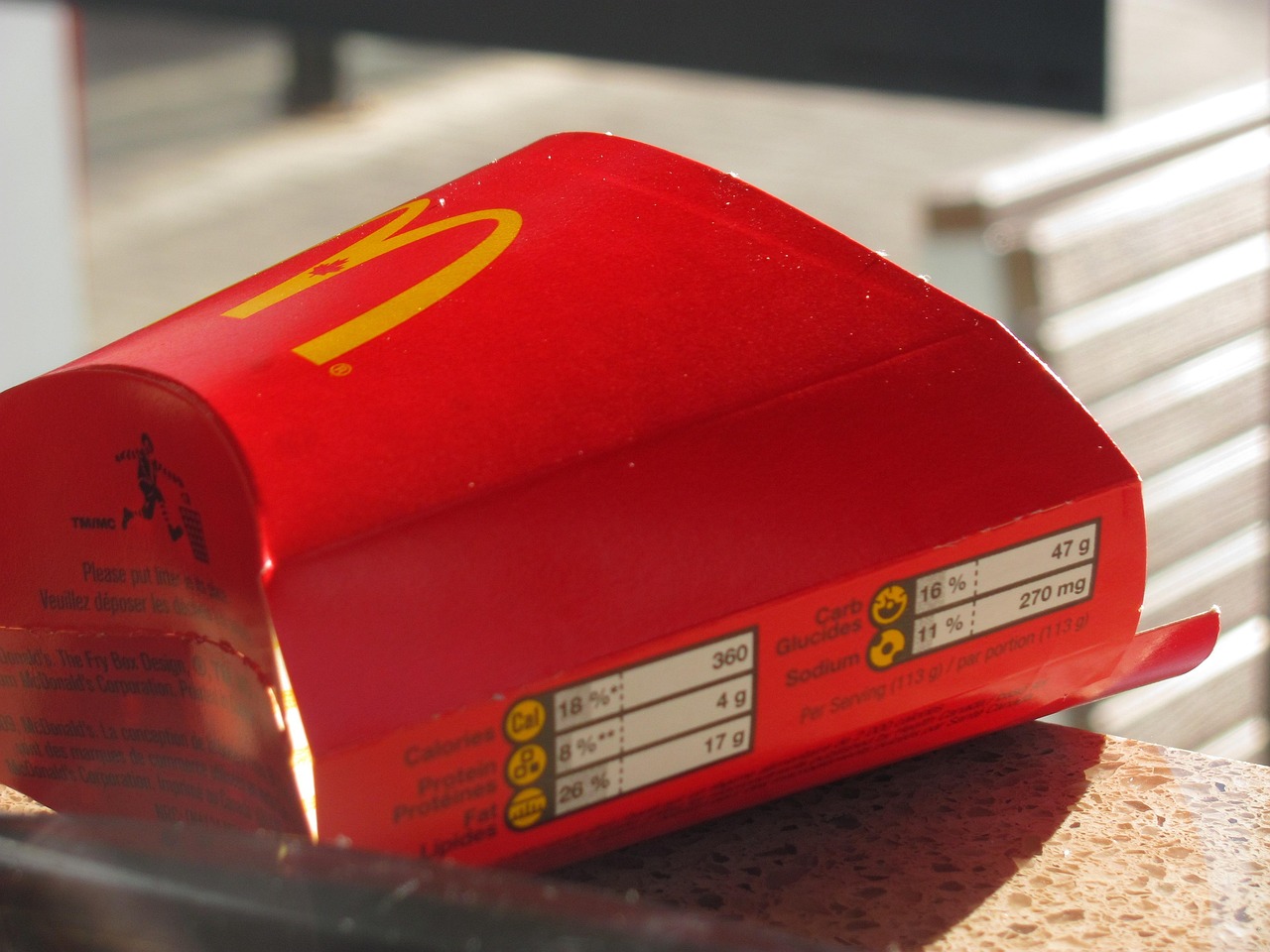
Customers pick up small problems right away. A greasy mark on the outside of a sleeve, a cracked lid, or a wet bottom can make the whole order feel poorly handled, even when the kitchen cooked the food well. The National Restaurant Association’s 2025 Off-Premises Restaurant Trends report found that 90% of off-premises customers said they would likely order a wider range of menu items if the restaurant used upgraded packaging that kept food closer to in-store temperature, taste, and quality. That is why packaging is not just a purchasing item; it affects repeat orders. (restaurant.org)
Brand Value in a Crowded Bag
Fast food often arrives with several parts: outer bag, inner box, sauce cup, napkin, drink carrier, and sometimes a tamper-evident label. Each piece gives the customer a small signal about whether your brand is simple, low-cost, premium, eco-minded, or built for speed. Plain packaging can work for price-driven menus, and there is nothing wrong with that when the offer is clear. For a growing chain, though, a printed kraft bowl or custom sleeve can make the order look more consistent and easier to remember.
Which Materials Work Best for Different Fast Food Menus?
There is no one material that fits every fast food menu. The right choice depends on heat, grease, sauce, portion size, shelf life, local disposal options, and budget. Before talking about price, it is better to map the food first. A crispy chicken sandwich, noodle bowl, iced latte, and loaded fries all put different pressure on the packaging.
Paperboard and Kraft for Hot Dry Foods
Paperboard and kraft packaging are common for burgers, wraps, pastries, fries, and combo boxes. They are easy for customers to understand, they print well, and they can give the pack a clean, natural look. Coatings matter more than some buyers expect. Uncoated paper can take in oil too fast, while PE, water-based, or other barrier coatings can improve grease resistance. For fried foods, vents and folding design matter as much as board weight. A thick box with no airflow can still make crispy food turn soft.
Bagasse and Molded Fiber for Heavier Meals
Bagasse and molded fiber containers are a practical option for rice meals, salads, tacos, grilled items, and mixed plates. They are firm, easy to stack, and usually look more natural than foam or clear plastic. Many buyers use them for hot food counters and delivery bowls. Even so, wet sauces, oily gravies, and longer holding times should be tested before a bulk order. A fiber bowl that works for 15 minutes may start to soften after 45 minutes under hot curry, and that can become a real service issue.
Plastic Cups and Clear Lids for Visibility
PET, PP, and other food-grade plastics are still widely used for cold drinks, fruit cups, salads, sauces, and desserts because customers can see the food. PET has good clarity for cold items, while PP often handles warmer fill temperatures better. For soup, hot drinks, or microwavable meals, the resin, lid fit, and temperature range need to be checked with care. Clear packaging helps sell freshness, but only if it stays clear, clean, and free from cracks during packing and delivery.
How Should You Match Packaging to Heat, Grease, and Travel Time?
A supplier sample may look fine on a desk but fail during a busy lunch period. So the useful question is not only “What is this container made of?” The better question is “What happens when your actual food sits in this container, inside a bag, for the real delivery time?” Once you test it that way, many packaging choices become much easier to judge.
Heat Retention Without Trapped Steam
Hot food needs insulation, but trapped steam can quickly hurt texture. Fries, nuggets, fried fish, and chicken wings need some venting, while burgers and wraps need warmth with less moisture loss. Soup needs a tight seal and a lid that will not pop open under pressure. The best test is simple: pack the food, close the bag, wait the normal travel time, and then open it as a customer would. If the bottom is wet or the lid drips onto the food, the design still needs work.
Grease Resistance for Fried Menus
Grease resistance is a basic requirement for fast food packaging, especially for fried menus. Grease can stain outer bags, weaken paper, blur printed logos, and make customers feel the order is messy. The U.S. FDA has also changed the discussion around grease-resistant paper. In February 2024, the agency announced that PFAS-containing grease-proofing substances were no longer being sold into the U.S. market for use on paper food packaging, and in January 2025 it determined related food contact notifications for grease-proofers were no longer effective. Buyers should check this point with suppliers instead of relying on a short “grease-proof” claim. (fda.gov)
Leak Control for Sauces and Liquids
Sauce is often where weak packaging shows up first. Chili oil, melted cheese, soup broth, salad dressing, and milk tea can all find gaps in the rim, corner, or seal. Check lid rim depth, corner locks, cup wall thickness, and sealing film strength. For delivery menus, small sauce cups need lids that click firmly but still open without spraying. It sounds basic, but one poor sauce cup can ruin the whole bag and lead to a refund.
What Safety and Compliance Details Should Buyers Check?
Fast food packaging touches food directly, so safety paperwork should not be treated as an optional extra. It should be part of the buying process from the start, especially for importers, distributors, restaurant chains, and private-label packaging brands. Rules are different by country, but buyers usually need proof that materials are suitable for food contact, made under controlled conditions, and tested for the intended use.
Food Contact Declarations
The U.S. FDA describes food contact substance review as a safety process that looks at intended use, migration into food, and toxicology data related to consumer exposure. This matters in daily purchasing because a material that is fine for dry cookies may not be suitable for hot oily chicken. Ask for food contact declarations, test reports, and the intended temperature and food-type range. Do not accept “food grade” as the full answer, because that phrase does not explain the actual use conditions. (fda.gov)
Temperature and Use Conditions
Every item should have a clear use condition. Can it hold boiling soup, or is it only for warm food? Is it safe for microwave reheating? Is the clear lid only for cold food? Can the bowl handle frozen storage? These details should be written in the product specs, not guessed after the goods arrive. If your customer operates a chain with many stores, one small mistake can be repeated thousands of times.
Supplier Documentation Checklist
For bulk purchasing, ask for documents before confirming mass production. A serious supplier should provide clear files, not blurry screenshots or broad claims with no details. The documents should help your team check material, size, packing, and print before money and time are tied up in production. Useful documents often include: See also: Eco Packaging.
- Material specification with paper grade, resin type, coating, or fiber source.
- Food contact test report for the target market when available.
- Product drawing with size, capacity, weight, and tolerance.
- Carton packing details, case count, gross weight, and pallet plan.
- Print proof, color standard, and artwork approval record for custom jobs.
How Can Sustainability Claims Stay Clear and Believable?
Sustainability is now included in many packaging briefs, but the wording needs to stay practical. A claim that sounds good in a brochure may not match local waste handling. A compostable bowl does not help much if the city has no commercial composting route. A recyclable lid may still be rejected if it is covered with food residue. Buyers need claims that are plain, specific, and backed by proof.
Recyclable Depends on Local Systems
The U.S. EPA’s containers and packaging data shows why disposal routes matter. In its 2018 municipal solid waste dataset, containers and packaging accounted for 82.2 million tons, or 28.1% of total MSW generation in the United States. This number is often used because packaging is easy to see, used in high volume, and thrown away quickly. For buyers, the point is not “avoid all packaging.” The more useful point is to choose designs that fit real collection and sorting systems in the market where the food is sold. (epa.gov)
Compostable Needs Proof and Access
Compostable packaging can make sense for food-soiled items, especially bowls, plates, and trays that leave the table or kitchen with scraps. But the claim still needs proper support. The FTC Green Guides say marketers need competent and reliable scientific evidence for compostable claims, and claims should be qualified when a product cannot be composted at home safely or in a timely way. In normal buying work, that means asking for standards, certification, and local acceptance before printing large green claims on the pack. (ftc.gov)
Less Material Without Weak Performance
Lightweight packaging can reduce material use and freight cost, but only when it still performs well. A thinner cup that cracks, a tray that bends, or a bag that tears at the handles creates waste, complaints, and extra handling. The OECD Global Plastics Outlook reported that packaging makes up a large share of plastic waste, with its database noting packaging at about 42% of total plastic waste generated. That makes better design worth attention, but cheap thinning is not the same thing as better design. (oecd.org)
What Should You Ask Before Placing a Bulk Order?
Once the material and design look right, the buying questions become very practical. Bulk fast food packaging orders involve tooling, print plates, lead time, storage space, freight volume, and repeat supply. A few checks before the purchase order can prevent many problems later, especially when the order is custom printed or shipped across borders.
Real Menu Testing Before Mass Production
Test samples with the real food, real fill weight, and real travel time. Put hot food in the container, close it, stack it, bag it, and carry it around as staff or delivery riders would. Add sauce, tip the cup, and leave a delivery bag closed for 20 minutes. Then check texture, leaks, smell, lid fit, staining, and how easy it is to eat from the pack. These simple tests often show more than a long spec sheet.
Print and Branding Details
Custom printing needs careful setup before mass production starts. Confirm Pantone colors, logo position, ink coverage, barcode readability, and food-contact side rules. For kraft paper, colors may look darker than they do on white board. For molded fiber, fine lines can look rough because the surface is not as smooth. A physical pre-production sample is worth the cost when the order is large or the brand color has to be controlled closely.
Cost per Use Instead of Unit Price
The cheapest unit price is not always the lowest real cost. A container that fails 2% of the time can cost more through refunds, replacements, staff time, and bad reviews. Compare unit price, case count, shipping cube, storage needs, breakage rate, and staff handling speed. If one lid saves five seconds on every lunch rush order, that small design point can be more valuable than it looks on a price sheet.
FAQ
Q1: What Is the Best Material for Fast Food Packaging? A: The best material depends on the menu. Paperboard works well for burgers and fries, molded fiber suits meals and bowls, PET is good for cold visible foods, and PP is often used for warmer items. Always test with your exact food.
Q2: How Can Packaging Keep Fried Food Crispy? A: Use packaging with enough venting to release steam, plus a grease-resistant surface that does not soak through quickly. Avoid fully sealed boxes for foods like fries, nuggets, and fried chicken unless the travel time is very short.
Q3: Is Compostable Packaging Always Better? A: Not always. Compostable packaging needs proper certification and access to a composting facility that accepts it. If local composting is not available, recyclable or reduced-material packaging may be a better fit.
Q4: What Documents Should an Importer Ask From a Packaging Supplier? A: Ask for product specs, food contact test reports or declarations, material details, carton packing information, print proofs, and use-condition guidance such as temperature range and microwave suitability.
Q5: How Do You Reduce Packaging Complaints in Delivery Orders? A: Test real meals before bulk ordering, choose lids with strong fit, separate hot and cold items, use vented packs for crispy foods, and check sauce cups carefully. Small packaging failures often cause the biggest customer frustration.