How Can You Choose PET Jars Suppliers Without Costly Mistakes?
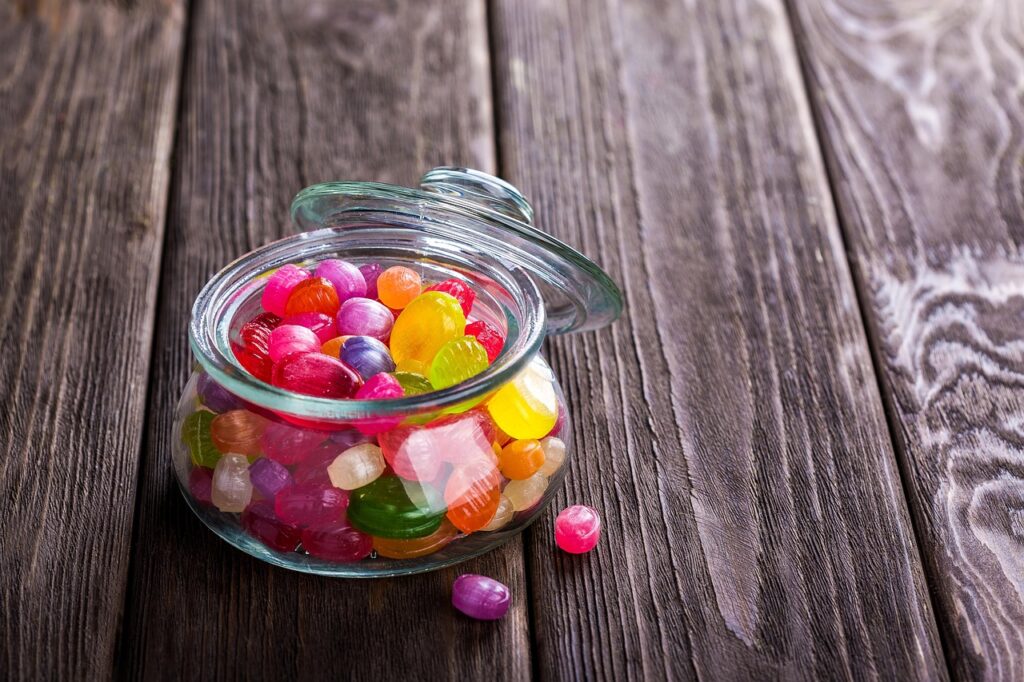
If you are checking pet jars suppliers for food, supplements, cosmetics, candy, or household goods, the work is not only about getting a low piece price. The jars need to look right on the shelf, fit the cap, pass basic checks, and reach your warehouse in cartons that can handle a long sea shipment. For more sourcing topics, you can also visit the Buyer’s Guide section.
PET jars are used a lot because they look close to glass but do not carry the same weight. Small points still matter in real orders. A 500 ml spice jar, a 16 oz nut butter jar, and a wide-mouth cosmetic jar may all use PET, but the buying risk is not the same. This guide goes through supplier selection in plain buyer language, with references to public guidance from the OECD, FDA, European Commission, GS1, APR, EPBP, and ISBT.
Why Do PET Jars Matter for Export Packaging?
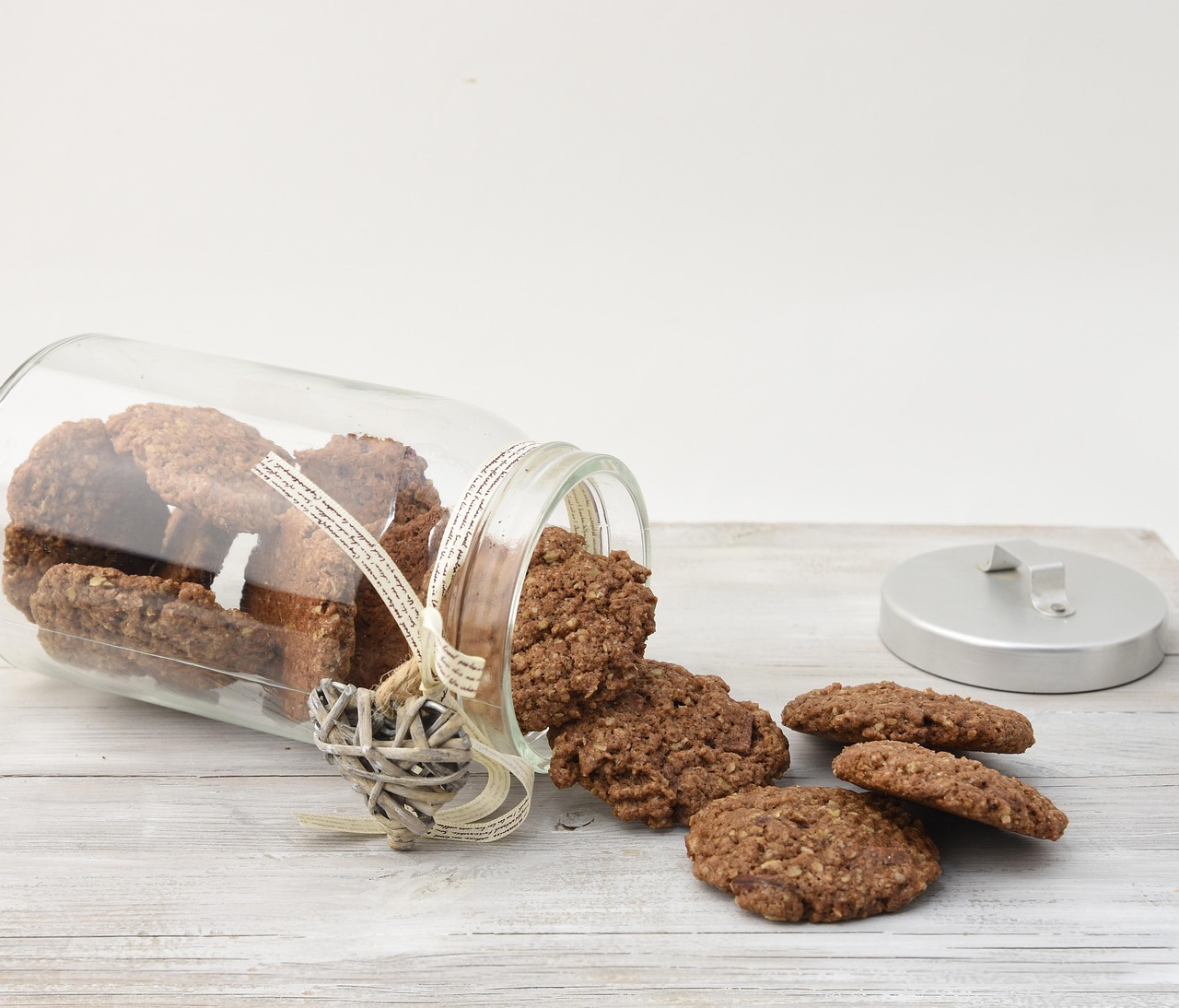
PET jars sit between several common packaging choices. They are clear, light, strong enough for many dry or semi-dry goods, and simple to label or print. That is why many importers check PET before glass, PP, or HDPE. The right choice still depends on the product, the sales channel, and the recycling rules or buyer requests in your target market.
Clarity, Weight, and Shelf Appeal
PET gives a clear look that works well for nuts, candies, capsules, powders, bath salts, and premium samples. Retail staff and consumers can see the product color and fill level without opening the jar. The buyer also gets less breakage risk than glass. For e-commerce packs, this matters because one broken jar can spoil a carton and lead to a bad review.
Weight also changes freight cost. A lighter jar cuts gross carton weight and may lower parcel damage in some channels. Do not decide from catalog photos only. Ask the supplier for jar weight, brimful capacity, neck finish, outer diameter, height, and cap match, because a good-looking jar with a weak shoulder can deform when pallets are stacked.
Barrier Needs and Product Fit
PET is not the right container for every product. It often works for dry foods, confectionery, nutraceuticals, personal care powders, and many household items. For hot-fill products, strong oils, alcohol-based formulas, or products with sensitive aromas, compatibility testing should come before a bulk order. This step is easy to skip, but it is where many packaging issues start.
A basic test can prevent a costly complaint. Fill samples with your real product, close them with the planned cap and liner, and store them at room temperature and at higher temperature. Then check for haze, swelling, odor change, paneling, stress cracks, or cap leakage. The supplier can give resin information, but the brand owner still needs to test the real product in the real pack.
Recyclability Pressure from Retail Buyers
Recycling rules and buyer requests are becoming tighter. The OECD reported in its 2022 Global Plastics Outlook that only 9% of global plastic waste was ultimately recycled, while 19% was incinerated and almost 50% went to sanitary landfills after recycling losses were counted. For packaging buyers, the message is direct: color, label, closure, and adhesive choices now affect sales talks, not only disposal. (oecd.org)
Clear or light blue PET is usually easier to keep in higher-value PET recycling streams than dark colors. The European PET Bottle Platform notes that PET package design elements can impede the recycling process or reduce recycled PET quality. For jars, this means you should ask about metal parts, large labels, heavy inks, and adhesives that do not release well in a hot wash. (epbp.org)
How Can You Compare PET Jars Suppliers Before Sampling?
A supplier review should start before the first sample box is sent. You need to know whether the factory can answer normal technical questions without making each detail unclear. Fast replies help, but clear replies matter more when you are buying packaging for export.
Material Declarations and Food Contact Proof
Ask whether the jar uses virgin PET, recycled PET, or a blend. For food and supplements, request the food contact declaration that fits your market. If the jars are for the United States, suppliers should understand the FDA food contact context for PET. If they are for the European Union, they should be able to discuss EU plastic food contact rules and migration testing.
Do not accept a simple “food grade” stamp as the only proof. A workable document set normally includes resin data, declaration of compliance, test reports from a recognized lab, and batch traceability. If the product is not for food contact, say that early, because the document route may be different and may cost less.
Mold Range and Size Tolerance
Suppliers with many existing molds can reduce tooling cost and shorten sampling time. That does not mean an existing mold should force you into a poor packaging choice. Check whether the supplier can hold tolerance for height, diameter, neck finish, weight, and thread area. A cap may feel fine on ten samples, but it can leak on the 20,000th jar if the neck tolerance moves during production.
For a practical RFQ, send a table with nominal size, brimful capacity, fill weight, cap type, liner type, jar color, decoration method, carton quantity, and target order quantity. The more complete the first RFQ is, the fewer extra costs appear later. It also helps suppliers quote the same item instead of guessing from a photo.
Communication That Saves Time
Supplier communication is part of quality control. Good PET jars suppliers answer with sizes, tolerances, test methods, and lead times. Weak suppliers answer only with “yes, available” and a low price. That may sound fine at first, but it becomes a problem when artwork, caps, and cartons all need changes before shipment.
Look at the small signs. Can the supplier label samples correctly? Can they send cap torque suggestions? Can they separate mold cost from unit price? Can they explain why a jar needs a heavier gram weight? These answers tell you whether you are dealing with a catalog trader or a team that understands packaging production.
What Specifications Should Be Fixed Before You Ask for a Quote?
A quote without fixed specifications is not a real quote. It is only a rough number. Before comparing prices, lock the physical details that affect resin use, mold setup, packing volume, and defect risk.
Neck Finish and Cap Match
The neck finish controls cap fit, sealing feel, liner choice, and filling-line behavior. ISBT Threadspecs are voluntary beverage-focused finish guidelines, and ISBT notes that cap details often fall under cap manufacturers’ own expertise. Even if your jar is not for beverages, the point still applies: neck drawings, cap drawings, and closure tests should be checked as one system, not as three separate parts. (isbt.com)
For wide-mouth PET jars, ask for the neck finish drawing and confirm the cap source. If the supplier provides both jar and cap, request assembled samples. If you buy caps from another supplier, send those caps to the jar supplier for testing. This work is not exciting, but it costs much less than a leaking container in a retail warehouse.
Gram Weight and Wall Thickness
Two jars with the same volume can have different weights and very different strength. A lighter jar may reduce price, but it may dent during capping or pallet stacking. A heavier jar may feel better in the hand, but it increases resin cost and shipping weight. The better choice depends on your product and sales channel.
Ask for top-load testing where it matters, especially for stacked cartons. For squeezable or handled jars, check grip areas and shoulder strength. If the jar will hold powders, test static cling and filling dust. If it holds gummies or candy, check whether the mouth is wide enough for filling speed and consumer use, because shoppers notice when they cannot reach the last piece.
Color, Label, and Decoration Limits
Color and decoration can help shelf display, but they can also hurt recycling. APR guidance warns that colorants may affect near-infrared sortation and the color value of recycled material. EPBP guidance also prefers design choices that allow labels and adhesives to release from PET during washing. For a buyer, decoration needs to be checked for branding and end-of-life, not branding alone. (dev.plasticsrecycling.org)
If the product needs a higher-end look, consider a clear PET jar with a label that covers less surface area. Avoid dark full-body sleeves unless your market accepts the recycling trade-off. For cosmetics, this can be a hard choice because black and amber often sell well. Still, the supplier should explain the impact instead of acting like there is no issue.
How Do Quality Checks Lower the Risk of Import Trouble?
Quality checks are not only for large buyers. Even a small importer can set simple rules that catch common PET jar failures before shipment. The useful checks are the ones that copy real use, not just the ones that make samples look clean on a desk.
Incoming Resin and Production Records
Ask the supplier how they record resin batches, color batches, machine settings, and production dates. For food contact jars, traceability matters if a resin lot or additive needs to be reviewed later. The supplier should be able to connect a shipped carton lot with a production run. If they cannot do that, a later complaint becomes much harder to handle.
Basic records also help with repeat orders. If your first order has the right clarity and stiffness, the next order should not feel like a new trial. Keep an approved sample in your office and ask the supplier to keep one as well. Label it with date, mold number, cap code, and gram weight. See also: Food Packaging.
Functional Tests for Real Use
Useful tests include visual inspection, weight check, capacity check, neck dimension check, cap fit, leakage test, drop test, top-load test, and carton compression review. If your product is heavy, such as protein powder or bath salt, test filled jars instead of empty ones. Empty jar tests can look fine while filled packs still fail.
For products sold through Amazon, supermarkets, club stores, or subscription boxes, rough handling is common. A carton may be turned sideways, dropped, or stacked under heavier goods. You do not need a full lab project for every order, but you do need a standard that matches how the product will travel. That standard should be written down before inspection.
Carton Packing That Survives Freight
Many PET jar problems happen after production. Thin export cartons, loose inner bags, weak dividers, and poor pallet wrapping can damage good jars. Ask for carton dimensions, carton material, pieces per carton, pallet pattern, gross weight, and photos of the packed pallet. These details are basic, but they tell you a lot about how the shipment will arrive.
For ocean freight, allow for humidity and rough handling. If jars are clear, protect them from dust and scratches. If caps ship together, separate them so threads do not rub against jar walls. It sounds minor, but small scuffs can make a clear jar look used.
What Compliance Documents Should a Reliable Supplier Prepare?
Compliance depends on product use and sales market. A jar for bath salts does not need the same file as a jar for baby snacks. Even so, reliable suppliers should know which documents buyers normally ask for and which claims need evidence.
FDA and EU Food Contact Rules
For the U.S. market, FDA food contact rules are the key reference. FDA’s public guidance on recycled plastics in food packaging says its main PCR plastic safety concerns include possible contaminants, non-food-contact PCR entering food contact articles, and adjuvants that may not comply with food contact regulations. For the EU, Commission Regulation (EU) No 10/2011 covers plastic materials and articles intended to contact food, while Regulation (EU) 2022/1616 sets a legal framework for recycled plastic food contact materials. (fda.gov)
Your supplier does not replace your regulatory advisor. Still, they should provide a document trail that your importer, lab, or consultant can review. If they cannot explain what their certificate covers, slow down and check the details. Some reports apply only to a resin, not to the finished jar with color, label, and cap.
PCR PET and Recycled Content Claims
PCR PET can help with sustainability targets, but claims need care. Ask for the PCR percentage, source of recycled resin, food contact status if needed, and any chain-of-custody document. If the supplier says “30% recycled,” the paperwork should show what that means by weight and by component. Otherwise, the claim may be hard to support when a customer asks.
There is no single public global MOQ benchmark for PCR PET jars that can be cited reliably across all factories, sizes, and countries. MOQ depends on resin availability, color, mold, production line, and documentation burden. If a source gives one universal MOQ number, treat it as a sales estimate, not an industry rule.
Barcodes, Lot Codes, and Traceability
GS1 states that barcodes help supply chain parties automatically identify and track products, and GTINs identify trade items that may be priced, ordered, or invoiced in a supply chain. For PET jar buyers, this matters when cartons, retail units, and online listings need clean data. Bad barcode placement or weak print contrast can delay receiving at a warehouse. (gs1.org)
Ask where the lot code will appear. It should not rub off during normal handling. If the jar is transparent and sold without a full label, code placement becomes part of the design work too. A small black code on the front panel may bother the brand team, but a missing code may bother the retailer more.
How Should You Think About Price, MOQ, and Lead Time?
Price matters, of course. But the cheapest quote can become expensive when caps do not match, cartons fail, or compliance papers arrive late. Build your comparison around total risk, not only cents per jar.
Total Landed Cost Instead of Unit Price
Compare unit price, cap price, liner price, decoration cost, inner packing, export carton cost, pallet cost, inland freight, ocean or air freight, duty, inspection, and possible repacking. A jar that costs less per piece may use bigger cartons and take more container space. That can remove the saving quickly, especially on low-margin products.
Ask suppliers to quote the same terms, such as EXW, FOB, or CIF, and the same packing method. If one quote includes caps and another does not, do not compare them in the same row without adjustment. It sounds obvious, but many sourcing sheets still make this mistake.
Tooling Cost for Custom Jars
Custom jars can give a brand a more ownable look, especially for cosmetics, supplements, and premium food. Tooling may include preform molds, blow molds, cap molds, or decoration fixtures. Ask who owns the mold, where it is stored, how many cavities it has, and what happens if you stop ordering. These answers affect cost and control later.
If your first order is small, an existing mold may be the better choice. Spend the saved money on better labels, better caps, or a stronger carton. Once sales are steady, custom tooling makes more sense because repeat volume can spread the mold cost over many units.
Repeat Orders Beat One-Off Bargains
A stable supplier relationship has real value. Repeat orders usually bring better color control, fewer artwork mistakes, and faster problem solving. Chasing a new supplier for every order may save a little on the quote, but it also resets the learning curve each time. In packaging, that learning curve often costs more than buyers expect.
Set clear reorder rules: approved sample, artwork version, cap code, carton mark, lead time, payment terms, inspection plan, and shipment window. When these details are fixed, your purchasing process becomes easier to manage. Packaging should support the business, not become the loudest problem in it.
FAQ
Q1: Are PET Jars Good for Food Packaging? A: PET jars can work well for many dry foods, candies, powders, and supplements. The finished jar, cap, liner, colorant, and label still need to match the food contact rules in your sales market.
Q2: What Documents Should You Ask PET Jars Suppliers for? A: Ask for resin information, food contact declaration if needed, test reports, product drawings, batch traceability records, packing details, and sample approval records.
Q3: Is Clear PET Better Than Colored PET? A: Clear PET is often better for product display and recycling value. Colored PET can support branding, but dark colors and heavy decoration may reduce recycling quality.
Q4: How Many Samples Should You Test Before Bulk Production? A: Test enough samples to check cap fit, weight, dimensions, leakage, carton packing, and product compatibility. For a new mold or new formula, a larger pilot run is safer than a few hand-picked samples.
Q5: Should You Choose the Lowest-Priced PET Jar Supplier? A: Not by price alone. Compare total landed cost, documentation, cap matching, quality records, packing strength, and repeat-order support before choosing the supplier.