How Can Custom Tea Packaging Help Tea Brands Sell More and Waste Less?
Why Does Custom Tea Packaging Matter for Tea Brands?
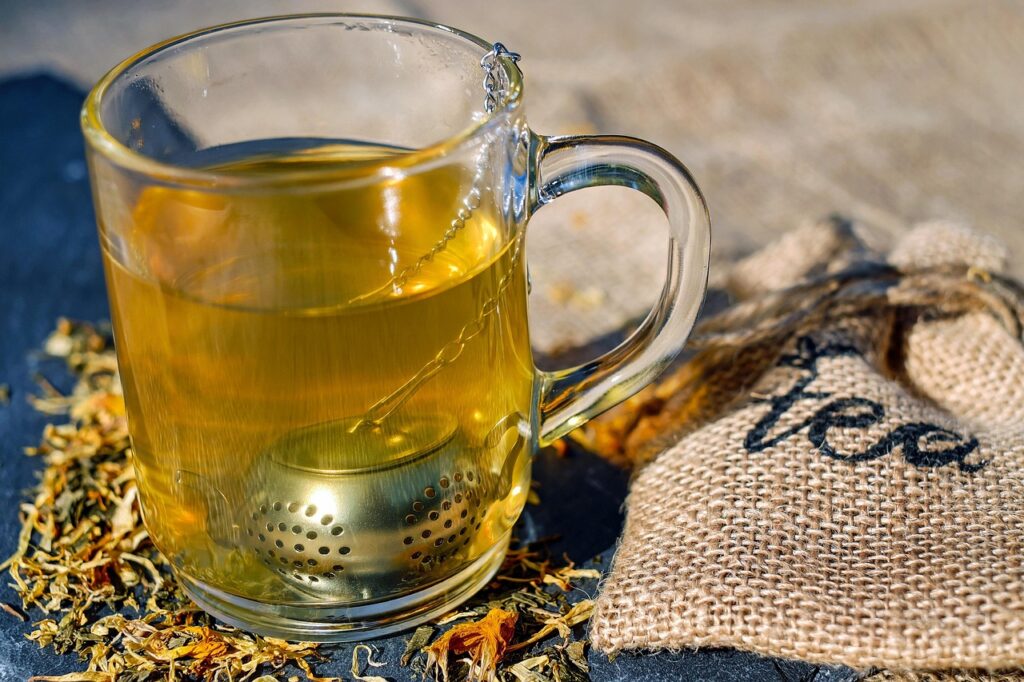
Custom tea packaging is more than the outside look of a product. It affects how a buyer reads your tea before tasting it, and it also affects freshness, storage, shipping, and repeat orders. If you are planning retail tea boxes, tins, sachets, or pouches, a clear Custom Packaging plan helps you line up design, material, and cost in one workable system. In the U.S. market alone, the Tea Association of the U.S.A. 2024 Fact Sheet reported that about 160 million Americans drink tea on any given day, so the pack has to compete in a crowded category. (teausa.org)
Shelf Impact at First Glance
Tea buyers often start with the mood they want from the flavor: calm chamomile, bold breakfast tea, bright matcha, or spicy chai. Your front panel should make that choice easy, with a clear product name, simple flavor cues, and one main visual point. A matte green carton can suggest a clean botanical tea, while a dark tin with copper stamping may fit black tea or a gift set. Small labels, dull colors, and too many claims can make the pack look weaker than the tea inside.
Freshness Protection in Daily Handling
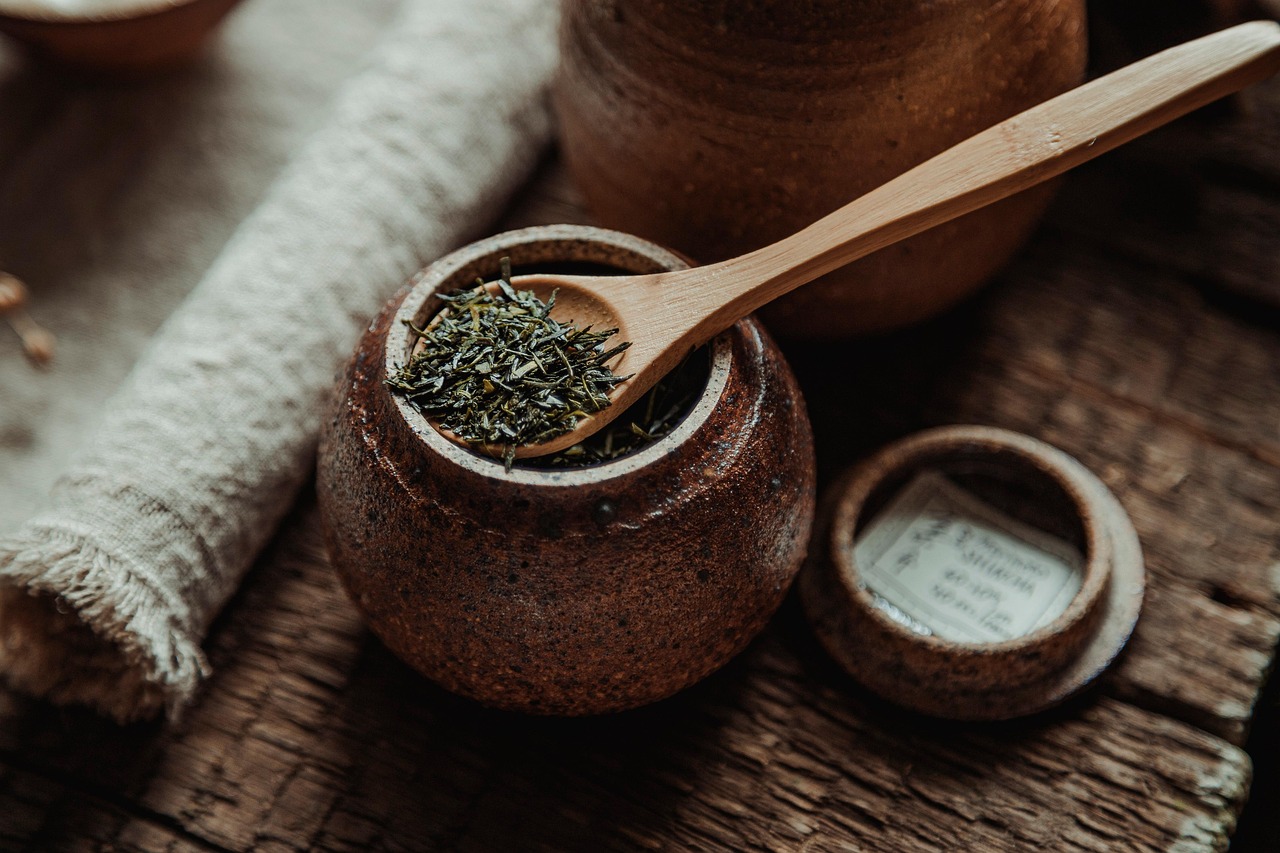
Tea is dry, but it still needs care. Loose leaf tea can absorb odor, moisture, and light during storage, and tea bags also need clean, dry handling when packed for supermarkets or ecommerce. The package should close properly after opening, stand well on a shelf, and resist crushing during transport. A soft pouch may suit a refill pack, while a rigid carton may protect delicate sachets better. The right choice depends on fill weight, tea cut, aroma strength, and how the customer stores the tea at home.
Brand Memory After the First Cup
Good packaging keeps doing work after the customer pays for it. A tidy tin on a kitchen shelf becomes a small reminder of the brand, and a box that opens cleanly can make the morning tea routine easier. Even a small point such as a color-coded top flap helps people find Earl Grey before they are fully awake. It does not need to look expensive for the sake of it. It needs to be consistent, useful, and easy to recognize.
What Materials Work Best for Tea Boxes, Pouches, and Tins?
Material choice should start with the tea format, not with a design trend. Loose leaf, pyramid bags, flat tea bags, instant tea powder, and sampler sets all need different levels of barrier, stiffness, and print area. For food packaging sold in the United States, the FDA explains that food-contact substances are reviewed with attention to possible migration into food, so material documents matter as much as color and finish. (fda.gov)
Paperboard for Retail Cartons
Paperboard is often used for tea cartons because it prints clearly, folds well, and gives enough space for ingredients, brewing steps, certifications, and brand notes. A straight tuck box works for small runs and standard tea bags, while a rigid gift box can suit assortment packs. Paper alone is not always enough for aroma protection, so many brands add an inner bag or wrapped sachets. If the carton is the front face and the inner pack is the barrier, both parts should be planned together.
Flexible Pouches for Aroma Barriers
Flexible pouches are useful for loose leaf tea, refills, and ecommerce because they are light and take up less space. A zipper pouch also lets customers open and close the pack many times. Barrier films can slow aroma loss and moisture entry, but they may make recycling more difficult. This is a real trade-off in tea packaging. A kraft-look pouch may still contain plastic or metalized layers inside. State the material in plain words, and do not present a hard-to-recycle structure as green.
Metal Tins for Refill and Gifting
Metal tins are a good fit for premium tea, seasonal gifts, and reusable storage. They block light, feel solid in the hand, and may stay in a kitchen for months. The cost, tooling, and shipping volume are the main drawbacks. If the product is a low-priced daily tea, a tin can move the price above what buyers expect. For a premium oolong, ceremonial matcha, or holiday sampler, it can make the product feel ready for gifting without much extra wrapping.
How Can Design Turn Tea Quality Into Trust?
Tea has a long supply chain, and customers want clear information without reading a long back panel. The FAO notes that tea cultivation provides employment and income for millions of smallholder growers, and it also points to growth potential in countries where per-capita tea consumption is still low. That makes packaging more than decoration. It should show origin, quality, and use in a clear way without turning the box into a leaflet. (fao.org)
Clear Flavor and Origin Cues
If your tea comes from Darjeeling, Uji, Fujian, Assam, or a named estate, place that information where buyers can find it quickly. If it is a blended herbal tea, lead with taste and use instead: lemon ginger, sleepy herbal, berry hibiscus, or mint green. Avoid soft claims that sound pleasant but say very little. A buyer can imagine smoky black tea, floral jasmine, or roasted hojicha. A phrase like pure wellness is harder to understand as a flavor.
Right Information Hierarchy
A strong tea package usually keeps the order simple: brand, tea type, flavor, format, net weight, brewing method, and key claims. Certifications and origin notes are useful, but they should not compete with the product name. On small cartons, side panels can carry brewing temperature, steep time, caffeine level, and storage tips. This keeps the front panel clean while still answering practical questions. People do read side panels in the tea aisle, especially when buying gifts. Not everyone does, but enough buyers do for it to matter.
Tactile Finishes That Feel Premium
Touch can change how tea is judged before the pack is opened. Soft-touch coating, uncoated paper, embossing, foil stamping, and textured labels all send a message to the buyer. Use these finishes in a controlled way. One premium cue is often better than several at once. For example, a cream paperboard box with a small gold leaf mark can feel neat and high quality. The same box with gloss varnish, foil, embossing, spot color, and a busy photo may feel overloaded. Tea packaging should feel calm, not noisy from across the aisle.
What Should You Check Before Ordering Custom Tea Packaging?
A good order starts before the quotation is requested. You need a sample of the tea, the fill weight, target sales channel, shelf-life target, and shipping route. A 20 g sampler box for a hotel is not the same job as a 250 g loose leaf pouch for online repeat buyers. The more exact the brief is, the fewer problems you meet after printing.
Food Contact Material Declarations
Ask for material declarations, ink details, and any food-contact documents required for your market. This is especially important when the tea touches an inner pouch, sachet wrapper, tin liner, or window film. If your supplier cannot explain the material stack, stop and check before moving ahead. A low price is not useful if a retailer later asks for compliance paperwork and you have nothing ready to send.
Size Tests With Real Tea Fill
Tea volume can be misleading. Large leaf tea fills space quickly, powder settles, and pyramid sachets need headroom. Always test the actual product in the proposed box or pouch before mass production. Check whether the pack bulges, tips over, seals cleanly, and closes again after opening. A 100 g pouch that looks fine on a dieline may look poor when filled with fluffy herbal blends.
Print Proofs Before Mass Production
Digital mockups help with layout, but tea colors can change on the real material. Green can look flat on kraft paper, fine serif text can fill in during printing, and gold foil can look too yellow under supermarket lighting. Ask for a printed proof, test the barcode scan, and check small text at actual size. It is not the exciting part of packaging work, but it is where many mistakes are found before the full run. See also: Food Packaging.
How Can Sustainable Packaging Claims Stay Credible?
Sustainability only helps sales when the claim is believable. The U.S. EPA reported that containers and packaging made up 82.2 million tons of municipal solid waste generation in 2018, or 28.1 percent of total generation. NIQ’s 2023 CPG Sustainability Report also found that 92 percent of shoppers say sustainability is important when choosing a brand today. Buyers do care, but loose claims can damage trust. (epa.gov)
Claims Matched to Local Recycling
Recyclable does not mean much if the material is not accepted where the product is sold. A mono-material pouch may be easier to explain than a mixed laminate, but it still depends on local collection rules. Compostable films have the same issue. Some require industrial composting and will not break down in a backyard bin. Use plain disposal instructions and avoid claims that customers need a legal note to understand.
Smaller Packs With Lower Waste Risk
Using less material is often the most practical starting point. Right-size the carton, cut empty headspace, and avoid decorative sleeves that do not add protection or useful information. For premium tea, smaller trial packs can also reduce product waste because customers can test a flavor before buying a larger bag. Sustainability is not only about what happens to the package after use. It is also about keeping good tea from being forgotten in a cupboard.
Simple Disposal Instructions
Good disposal copy should be short and clear. Separate the paper sleeve. Remove the label. Refill the tin. Store the inner pouch away from heat. These small notes help customers act correctly without searching for extra instructions. If there is no reliable public data for a special material claim in your target market, do not create one. Say less, prove more, and let the packaging do its work.
How Should You Plan Packaging for Export and Ecommerce?
Export tea packaging has to handle more than a retail shelf. It may face humidity, warehouse stacking, courier drops, customs checks, and long ocean routes. The retail box should still look fresh when it arrives, but the shipping carton and inner layout usually decide whether that happens.
Strong Shipping Cartons for Long Routes
Use a master carton that holds the retail pack closely, with enough board strength for stacking. For glass jars or tins, add dividers or molded pulp inserts. For lightweight cartons, check corner crush and flap abrasion. Ecommerce needs extra attention because one product may ship by itself. A tea box that looks perfect in a 24-pack case can be badly dented in a single parcel.
Barcodes, Batch Codes, and Shelf Labels
Export packaging needs clean barcode space, a batch coding area, and room for importer labels when required. Do not place key artwork where a compulsory sticker may cover it. Leave a quiet side panel for logistics marks or language labels. It is not the most attractive part of design work, but it prevents problems later. A retailer will care more about scan accuracy than your best-looking pattern.
Low MOQ Samples Before Scale
Start with low minimum order samples when the product is new. Test the structure, shipping performance, retailer feedback, and customer photos before ordering a large run. For seasonal tea, run a small batch early, then adjust artwork or material after real sales. Packaging is easier to correct at 500 pieces than at 50,000 pieces. That one step can protect both the budget and the brand name.
FAQ
Q1: What Is the Best Material for Custom Tea Packaging? A: The best material depends on the tea format and sales channel. Paperboard works well for retail tea bags, barrier pouches suit loose leaf refills, and tins are strong for gifts or premium storage.
Q2: How Can You Make Tea Packaging Look Premium Without High Cost? A: Use a clean layout, good paper, steady color control, and one special finish such as embossing or foil. A calm design often looks more expensive than a crowded one.
Q3: Should Tea Packaging Be Recyclable or Compostable? A: Choose the claim that matches the real material and the local disposal system. If buyers cannot recycle or compost it in daily use, the claim may create distrust.
Q4: What Should Be Included on a Tea Package? A: Include brand name, tea type, flavor, net weight, ingredients, brewing directions, storage advice, origin or blend notes, barcode, batch code area, and any required market labels.
Q5: How Do You Prepare Artwork for a Tea Packaging Supplier? A: Send the dieline, logo files, color references, text copy, barcode, finish notes, and product fill details. Ask for a printed proof before full production.