Is Shredded Paper for Packaging the Best Eco Filler for Safer Shipping?
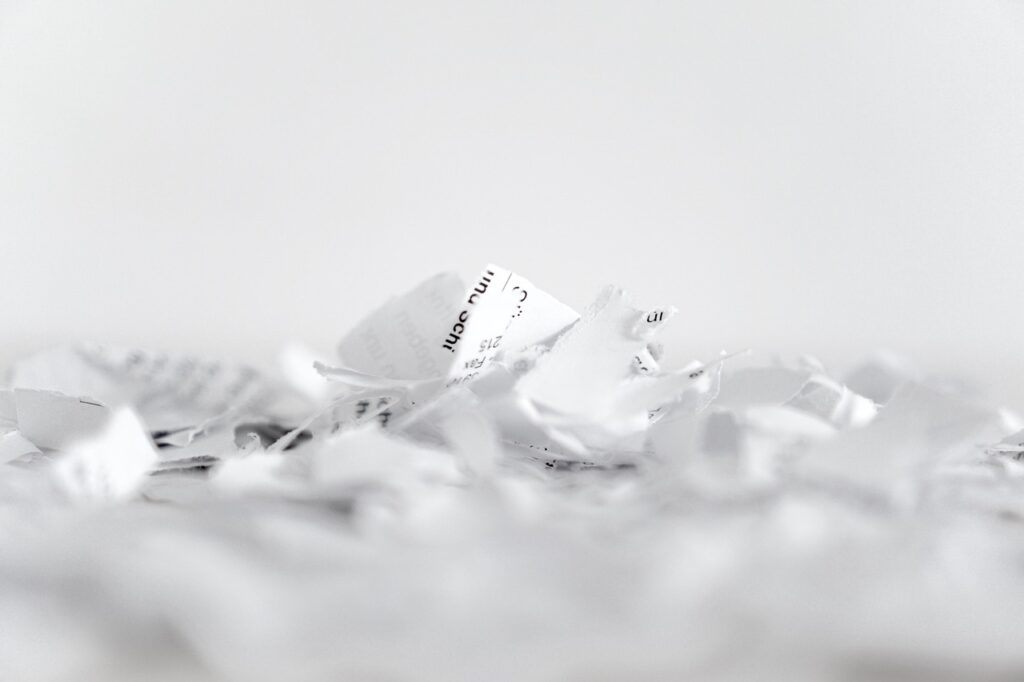
Why Does Shredded Paper for Packaging Matter Now?
Shredded paper for packaging is a basic packing material, but it connects with product safety, box appearance, and waste handling. If you sell light industrial goods, gifts, cosmetics, glass jars, small electronics, or handmade items, it can turn empty carton space into a cleaner packing setup. For more material ideas, visit the eco packaging section and compare options before you choose a filler.
A Cleaner First Impression
The filler is usually the first thing a customer sees after opening the parcel. Plastic air pillows can work, but they often make a retail order feel like a stockroom shipment. Neatly packed shredded paper gives the box a warmer look and still does the job of filling space. This matters for gifts, boutique resale, sample kits, and small branded orders.
Paper Recovery Supports the Choice
The U.S. EPA’s 2018 Facts and Figures report listed paper and paperboard as the largest material group in municipal solid waste, at 23.1% of total generation. It also reported a 68.2% recycling rate for paper and paperboard that year. For buyers, the point is clear: paper already has a better recovery route than many mixed packing materials. That does not make every paper filler perfect, but it gives the material a practical base.
A Better Fit for Light Goods
Shredded paper is a good match when the item is light, clean, and not too sharp. Common examples include candles in tins, boxed soap, stationery, small hardware packs, jewelry boxes, sample kits, and ceramic ornaments that already have primary protection. It fills gaps, slows product movement, and improves the box look without making the carton feel overpacked.
How Does Shredded Paper Protect Products in Transit?
Protection starts with movement control. When a product slides, hits the carton wall, or rubs against another item, dents, scuffs, and chipped edges become more likely. Shredded paper can help with this, but only when the packing density is right. It should be treated as void fill, not as the only cushion for every product.
Cushioning Through Nesting and Void Fill
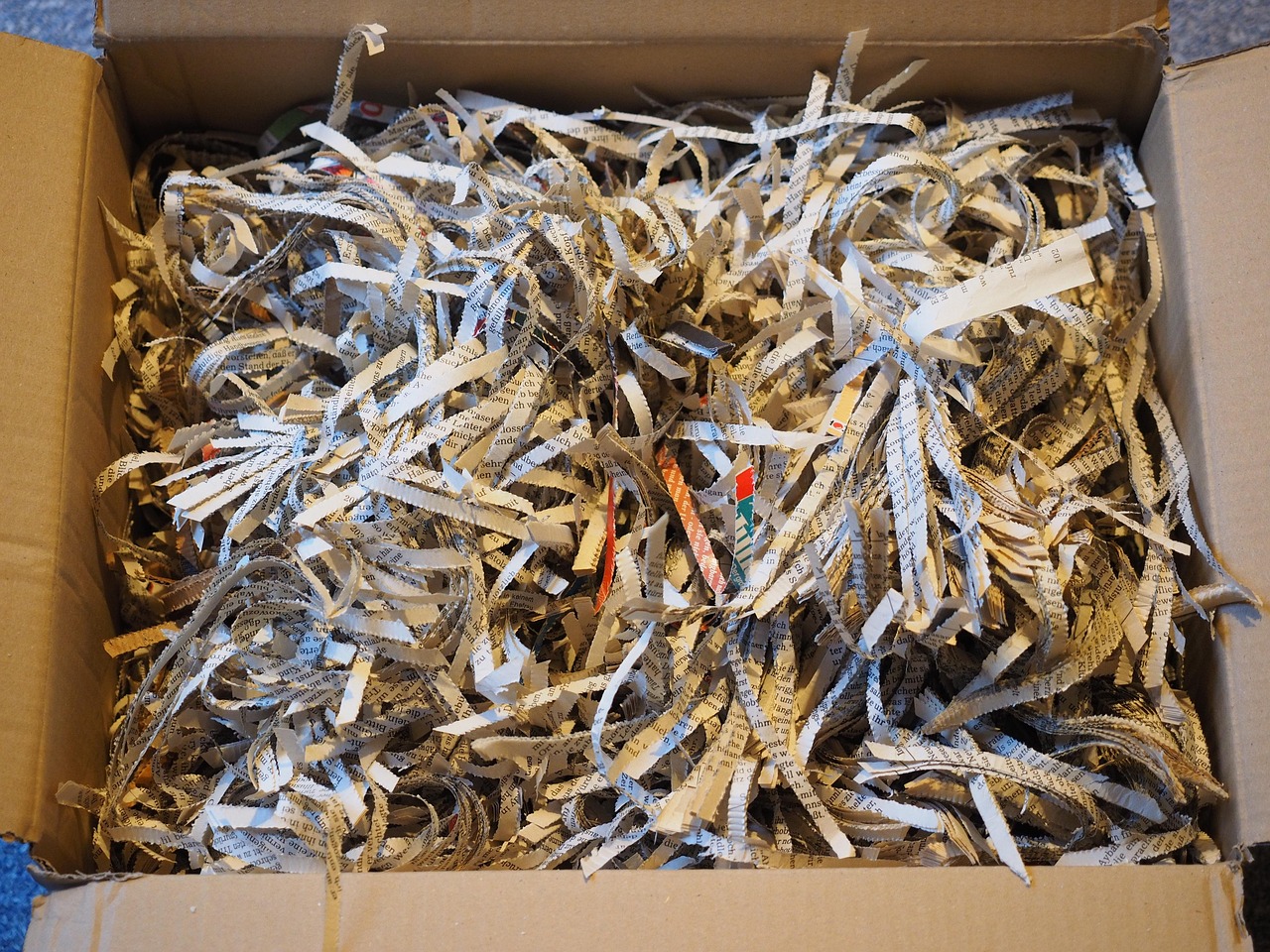
Good shredded paper forms a nest around the item. On the packing bench, you add a base layer, place the product in the center, then fill the sides and top. The target is light, even pressure. If the product drops to the bottom, there is not enough fill; if the carton bulges, the packer has used too much.
Surface Protection for Finished Goods
For matte cartons, coated sleeves, glass jars, and printed gift boxes, shredded paper helps reduce direct carton-to-carton contact. It also covers small empty areas that can make a good box feel unfinished. For painted metal, glossy acrylic, or soft-touch finishes, use tissue or a sleeve first. Paper strips can still leave fine marks if the route is long or the parcel is handled roughly.
Limits for Heavy or Sharp Items
Shredded paper should not be the only protection for a heavy casting, a spare part with corners, or a fragile glass bottle without an inner divider. In those cases, use molded pulp, corrugated inserts, honeycomb wrap, or edge guards first. After that, shredded paper can still work as a top layer or secondary fill. This keeps the box neat without asking the paper filler to do a job it cannot handle.
When Is Shredded Paper Better Than Bubble Wrap?
The choice is not only paper against plastic. It also depends on product weight, parcel route, customer disposal habits, and the packing style your buyer expects. Bubble wrap is useful for many fragile goods. Shredded paper often makes more sense when the order needs a tidy look, easier paper disposal, and less plastic in the box.
Stronger Recyclability Story
EPA data from 2018 shows corrugated boxes reached a 96.5% recycling rate, while paper containers and packaging excluding corrugated boxes were much lower at 20.8%. This gap matters when a buyer reviews the full packing set, not just one filler. Paper-based packaging performs best when it is clean, easy to sort, and not mixed with films, foams, coatings, or food residue.
Lower Plastic Dependence
Eurostat reported that the EU produced 83.4 million tonnes of packaging waste in 2022, equal to 186.5 kg per inhabitant. Paper and cardboard made up 41% of that packaging waste, while plastic made up 19%. For exporters, this does not mean paper is always the right answer. It does explain why European buyers and brand owners keep asking for paper-based packing options, especially for low-risk goods.
More Premium Unboxing
Bubble wrap protects well, but it does not usually suit a gift box. Shredded paper can be matched with brand colors, seasonal colors, or simple kraft and white packaging. A soap set packed in ivory paper looks calm and clean, while a craft tea sampler in kraft zigzag paper feels more handmade. It is a small packing detail, but customers do notice it.
What Should You Check Before Buying Shredded Paper?
Not all shredded paper behaves the same in real packing work. The wrong grade can create dust, color transfer, messy benches, or poor fill volume. Before ordering pallets, ask for a sample carton and test it with real products. Then check how the paper looks after a normal parcel shake.
Paper Grade and Dust Control
Clean kraft paper, white office-grade paper, and colored paper fillers all feel different and create different dust levels. For cosmetics, jewelry, and gift sets, low-dust material is worth checking closely. Dust shows up quickly on black boxes and glass bottles. It also slows the packing line because staff may need to wipe products before sealing.
Cut Width and Fill Density
Wide crinkle-cut strips give more spring and volume inside the carton. Fine straight strips look neat, but they can settle during shipping. Very short strips may fall out during unpacking and leave a mess on the customer’s table. For a normal ecommerce box, a medium cut usually works better because it springs back after light compression.
Color Safety and Brand Match
Colored shredded paper should be checked for rub-off, especially for humid routes or ocean shipments. A simple first check is to press a damp white cloth against the paper for a few minutes. It is not a full lab test, but it can catch obvious dye problems before bulk use. For export goods, neutral kraft and white are usually safer choices. See also: Food Packaging.
- Ask for material type, recycled content, and paper weight.
- Check dust, smell, and color transfer before bulk use.
- Test the filler with the actual carton, not only on a desk.
- Record grams used per box size so packers stay consistent.
How Can You Use It Without Raising Shipping Costs?
Paper filler gets expensive when it is used to cover up oversized cartons. A large box filled with air and paper still bills like a large box. The practical way is simple: choose the right carton size, use the filler only where it helps, and give packers a rule they can follow during a busy shift.
Right Sized Carton Selection
FedEx’s current dimensional weight guidance calculates dim weight by multiplying length, width, and height in inches, then dividing by 139 for U.S., Puerto Rico, and international shipments. This is why one extra inch can affect the freight cost. If shredded paper helps you use a snugger carton and still pass a shake test, it can protect margin as well as the product.
Simple Fill Tests Before Mass Packing
Run a quick table test before a bulk shipment. Pack the box, close it, shake it lightly, and open it again. If the item moved, add paper or change the insert. If the box feels packed like a brick, remove some fill. For fragile export orders, use formal drop and vibration testing through a qualified packaging lab.
Stock Control by Product Group
Set fill amounts by product family instead of letting each packer decide on the spot. For example, a 100 ml jar set may need one base handful, side fill, and a loose top layer. A flat stationery pack may only need a thin decorative bed. Written rules cut waste, make training easier, and keep the finished cartons more consistent.
Is It Sustainable Enough for Export Packaging?
Sustainability claims need to be handled carefully. A paper filler can be a useful step, but it is not automatically low-impact in every case. Buyers may ask where the fiber comes from, whether it includes recycled content, how the customer should dispose of it, and whether the claim is supported. Plain and honest wording usually works better than broad green claims.
Recycled Content and Responsible Fiber
The American Forest & Paper Association reported a 2024 U.S. paper recycling rate of 60% to 64% and a cardboard recycling rate of 69% to 74%. It also reported that around 46 million tons of paper were recycled in 2024. These figures support the value of recovered fiber in the paper supply chain. Even so, your own supplier should confirm the recycled content for the exact item you buy.
Clear Disposal Instructions
Loose shredded paper may not be accepted by every local curbside program because small strips can fall through sorting equipment. Tell customers to reuse it first, collect it in a paper bag if local rules allow, or check local recycling guidance. For garden compost claims, do not assume acceptance unless the paper is uncoated, dye-safe, and accepted in that local area. This avoids confusion after the order reaches the end user.
Clean Claims for Buyers
FSC USA cites Ipsos 2023 research showing that 80% of consumers who recognize FSC are more likely to trust a brand offering FSC-certified products. For B2B export orders, certified fiber can make buyers more comfortable with the packing choice. Still, only use certification logos or wording when your supplier’s documents clearly allow it. Buyers may ask for proof, so the paperwork needs to match the claim.
FAQ
Q1: Is shredded paper for packaging recyclable? A: Often yes, if it is clean and accepted by the local recycling program. Since rules are different by area, the safest message is to reuse it first and check local paper recycling instructions.
Q2: Can shredded paper replace bubble wrap? A: It can replace bubble wrap for many light products, gift sets, and boxed items. For heavy, sharp, or very fragile goods, use it together with inserts, sleeves, molded pulp, or other primary protection.
Q3: How much shredded paper should you use in one box? A: Use enough to stop movement after a light shake test. A base layer, side fill, and top layer work for many small parcels, but the right amount depends on product weight, box size, and route.
Q4: Is colored shredded paper safe for export packaging? A: It can be safe, but test it first. Check dye transfer, dust, odor, and moisture reaction before bulk use. Kraft or white paper is usually safer for long shipping routes and mixed climates.
Q5: What products work best with shredded paper filler? A: It works best with candles, cosmetics, boxed gifts, stationery, small homeware, jewelry packs, and light ecommerce goods. If the item can break from shock, add stronger protection before using shredded paper as decorative fill.