How Can Custom Packaging Help Export Brands Win More Repeat Orders?
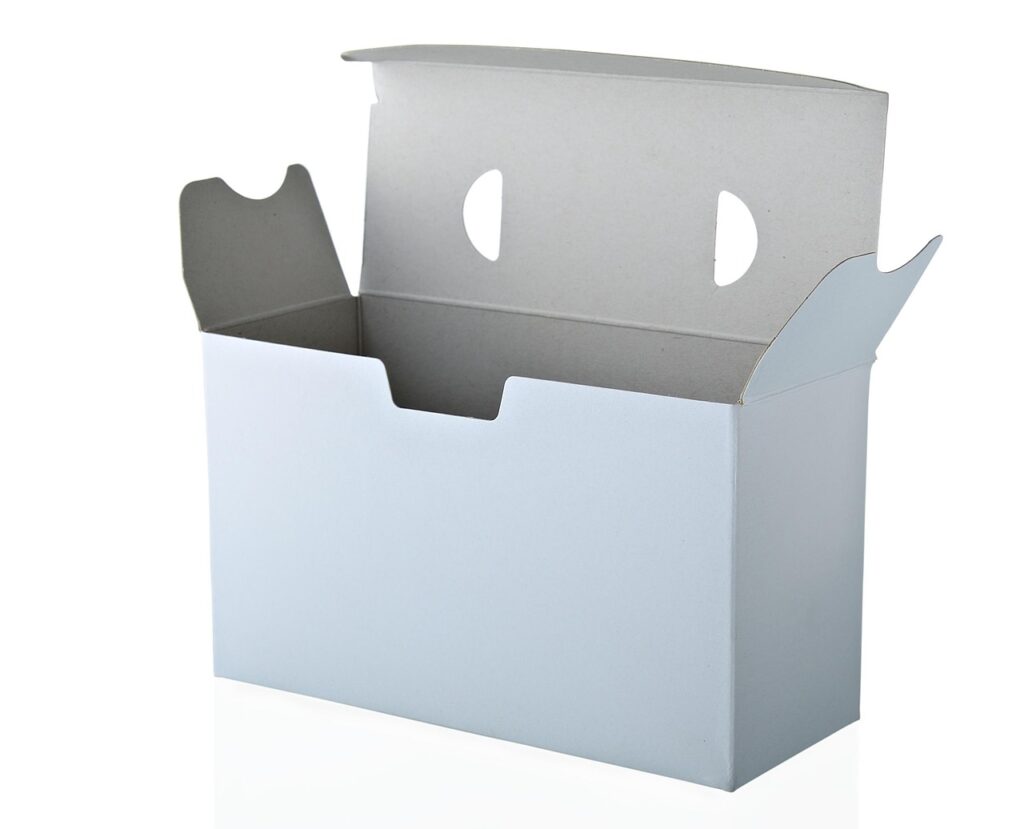
Why Does Custom Packaging Matter for Export Brands?
For export sellers, custom packaging is more than a box with a logo. It is often the first thing the buyer holds after the quote, sample approval, and a long international shipment. If the pack feels weak, unclear, or too generic, the buyer starts checking the product with doubt. If it arrives clean, fits the goods well, and opens without trouble, it tells the buyer the supplier has done the basic work carefully.
The market also gives packaging more work to do. The U.S. Census Bureau reported in May 2026 that U.S. retail e-commerce sales reached 326.7 billion dollars in the first quarter of 2026, up 9.8 percent from the first quarter of 2025. More products now pass through parcel networks, warehouses, and cross-border routes, so the carton has to protect the goods before the end user ever sees them.
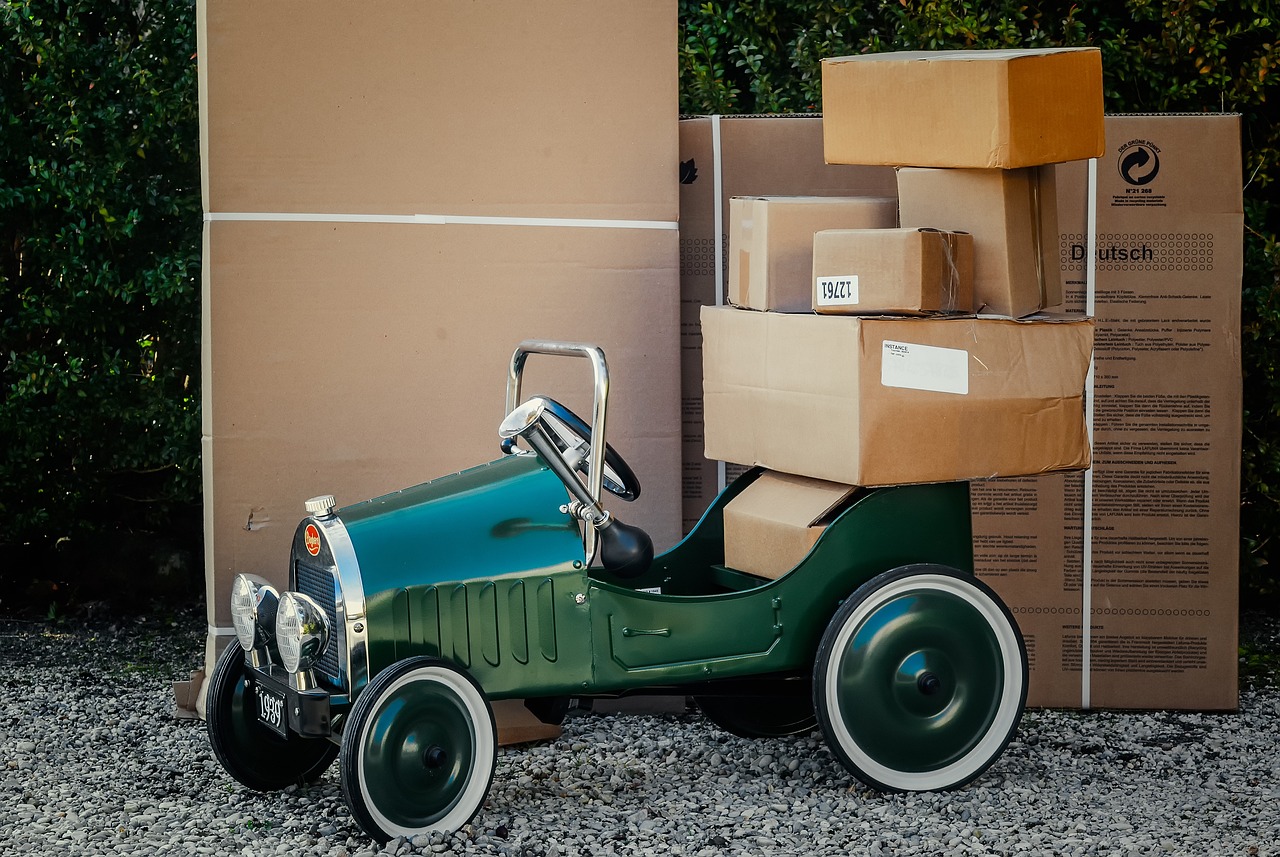
First Impressions at the Door
A buyer may forget a page in your catalog, but a crushed sample box stays in the mind. For cosmetics, gifts, small appliances, stationery, candles, and other light industry products, the outer pack often sets the price feeling before the item is opened. A matte sleeve, neat label, or close-fitting insert can make a mid-range product look more prepared. It does not need to become luxury packaging to feel reliable.
Safer Trips Across Long Routes
Export packaging passes through trucks, ports, sorting belts, and warehouse teams that may handle many cartons in one shift. The point is not to use the thickest box in every case. The point is to match strength, cushioning, and space to the route and the product. A glass diffuser set needs different support than a cotton tote bag, and a folding carton that works in a local shop may not hold up after three weeks of vibration and stacking.
Higher Trust for Repeat Orders
Repeat orders often come from plain details done well. Buyers want stable size, stable color, readable labels, and cartons their warehouse staff can count quickly. When your packaging makes receiving and resale easier, the product feels like a lower-risk item. That may not sound like a big design story, but purchasing teams often care more about fewer complaints than one clever visual idea.
How Should You Choose Materials for Custom Packaging?
Material choice should start with the product, the sales channel, and the disposal path. A good-looking material can still cause trouble if it cracks in cold weather, bends under stacking, or cannot be sorted by local recycling systems. Keep the choice practical. Your buyer may want a better hand feel, but freight cost and shelf space still matter.
Corrugated Paperboard for Shipping Strength
Corrugated paperboard is the everyday material for many export cartons. It is common, easy to print, and strong for its weight. You can adjust flute type, board grade, and carton style for small parcels or master cartons. The U.S. Environmental Protection Agency reported that containers and packaging made up 82.2 million tons, or 28.1 percent, of U.S. municipal solid waste generation in 2018. That number shows how large packaging waste can be, so a right-sized corrugated carton matters for cost and disposal.
Paper Sleeves and Rigid Boxes for Shelf Appeal
Paper sleeves, folding cartons, and rigid boxes work well when the customer sees the pack before buying or gifting. A rigid box may suit premium tea sets, jewelry, electronics accessories, or holiday kits. A sleeve may be enough for soap, notebooks, or textile goods. The right option depends on how much value the package needs to show. In some cases, a clean sleeve is better than a heavy box because it looks tidy and ships flat.
Plastic and Film Choices for Special Needs
Plastic still has a place when the product needs moisture barriers, visibility, tamper evidence, or grease resistance. Food-contact items, personal care refills, and hardware kits may need film or molded trays. Even so, mixed materials need careful review because they can be hard to sort after use. The OECD Global Plastics Outlook, published in 2022, reported that global plastic waste more than doubled from 156 million tonnes in 2000 to 353 million tonnes in 2019. This does not mean all plastic is wrong. It means plastic should have a clear job in the design.
What Design Details Turn Packaging into Sales Support?
Good packaging answers basic questions before a buyer asks them. It shows what the product is, how to handle it, how to store it, and why it fits the shop or the home. Design is not only color and logo placement. It also covers the path from warehouse receipt to shelf, unboxing, use, and disposal.
Clear Product Story on the Outside
Your front panel should carry the main product promise in plain language. Do not squeeze five benefits into one crowded face. A bamboo kitchen brush may need material, size, use, and care icons. A rechargeable lamp may need lumen level, battery note, and plug type. For export, keep text short because buyers may translate it or adjust it for local markets.
Practical Inserts That Reduce Confusion
An insert can reduce customer service work when it is written for real use. Use it for assembly steps, care notes, warranty terms, reorder codes, and safety warnings. For multi-piece sets, a simple diagram helps the receiver check all parts. If your buyer sells on marketplaces, an insert can also lower returns caused by wrong use. Keep it useful, because nobody wants a tiny booklet full of slogans with no clear answer.
Color and Finish Choices That Fit the Market
Color should match category habits and buyer expectations. Natural kraft may suit eco-style home goods. White SBS paperboard may suit skincare or medical accessories. Black rigid boxes can feel premium, but they also show dust and fingerprints. Gloss film catches light in a retail aisle, while matte coating gives a softer look. The right finish is not always the most expensive one; it is the one your buyer can sell without too much explanation.
How Can Custom Packaging Cut Damage and Hidden Costs?
Packaging cost is easy to see on a quote sheet. Hidden cost is harder to catch. Damage, oversized cartons, slow packing, unreadable labels, and unstable pallet loads all take money out of the order. A cheaper box can become costly once it creates claims or slows the warehouse team.
Right Sizing for Freight and Storage
Right sizing means the package fits the product with enough protection and little empty space. Empty air increases freight volume, needs more void fill, and can weaken stacking. For example, a small ceramic cup packed in a box twice the needed size may survive one shipment, but it costs more across a full container. Multiply that by 20,000 units, and the small gap becomes a real bill.
Cushioning Matched to Product Risk
Cushioning should match the weak points of the product. Corners, handles, pumps, lids, glass edges, and painted surfaces often need extra support. Molded pulp, EPE foam, paper pads, honeycomb paper, and corrugated inserts all work in different cases. There is no reliable public damage-rate benchmark that fits every product category, so your own sample shipping and drop tests matter more than a borrowed average.
Test Runs Before Full Production
Before a large order, ask for a sample run with real product weight, real inserts, and real labels. Check barcode scanning, carton closing, tape hold, pallet fit, and how the pack looks after rough handling. Industry groups such as ISTA publish test methods used for transport packaging, but the final check should match your product and route. One afternoon spent testing can prevent a long chain of claim emails later. See also: Food Packaging.
What Sustainability Claims Can Your Packaging Safely Make?
Sustainability can support a brand, but weak claims can damage buyer trust quickly. Buyers are more careful now because regulations, retailer rules, and consumer questions keep getting stricter. Use plain claims that your supplier can support with documents. If a statement cannot be proven, leave it out.
Recyclable Claims Need Local Reality
A package may be technically recyclable, but it may not be widely collected in the buyer’s market. Multi-layer film, dark plastic, laminated paper, metalized finishes, and glued windows can create sorting problems. The Ellen MacArthur Foundation reported in its New Plastics Economy work that 95 percent of plastic packaging material value, worth 80 to 120 billion dollars each year, is lost after a short first-use cycle. That figure is a clear reminder to design for recovery where possible, not just for a label that looks green.
Lower Material Use Beats Fancy Language
Using less material is often the cleanest move. A thinner insert that still holds the product, a smaller carton, or a printed paper sleeve instead of a full rigid box may cut cost and waste at the same time. Do not chase every new material name. Some materials sound good in a meeting, then fail on moisture, heat, shelf life, or local disposal. Plain packaging can be the better choice when it works every day.
Documentation Builds Buyer Confidence
Ask for paper trails when claims matter to the buyer or retailer. Useful documents may include FSC-related certificates for paper products, recycled content statements, food-contact test reports, material safety sheets, and ink or coating details. Keep batch records as well. If a retailer asks for proof six months later, a tidy folder can help protect the order. Claims should match the exact item, not a similar material from another project.
How Do You Work with a Custom Packaging Supplier?
A smooth packaging project needs clear input from the start. Suppliers can suggest structure, materials, and printing methods, but they cannot guess your channel, budget, legal text, or buyer habits perfectly. Better results usually come from a detailed brief, early samples, and direct feedback before mass production.
Specs That Start the Quote Right
Send the product size, weight, photos, sales channel, destination market, target quantity, and packing method. Add brand colors, logo files, barcode needs, and any must-have materials. If you need retail-ready display, say so early. If the pack only needs to protect inner goods during B2B shipment, say that too. A quote based on complete details is far more useful than a quick guess.
Samples That Catch Small Problems
Review samples with real hands, not only on a screen. Open the box, close it again, try the insert, and shake it gently. Put it on a shelf beside a competitor if you can. Check whether the logo sits straight after folding. Small issues like a tight tuck flap or a hard-to-remove sleeve can annoy customers. They are cheap to fix before production and painful after delivery.
Lead Times That Protect the Launch
Custom printed packaging needs time for dielines, artwork checks, sampling, printing, drying, finishing, packing, and shipping. Seasonal products need more buffer because factories and freight channels get busy. Build a timeline that includes revisions, not a perfect no-delay plan. A calm schedule usually gives you better color control, cleaner finishing, and fewer last-minute changes.
- Share exact product data before asking for a final price.
- Approve physical samples before mass production whenever possible.
- Keep sustainability claims simple, proven, and market-specific.
- Plan packaging, labeling, and freight together instead of treating them as separate jobs.
FAQ
Q1: What Is Custom Packaging? A: Custom packaging is packaging made to fit a product, brand, sales channel, and shipping route. It can include custom size, structure, printing, inserts, labels, and finishes.
Q2: Is Custom Packaging Only for Premium Products? A: No. It can support premium goods, but it also helps everyday export products reduce damage, save space, improve shelf display, and make warehouse handling easier.
Q3: Which Material Is Best for Export Packaging? A: There is no single best material. Corrugated board fits many shipping needs, paperboard works for retail packs, rigid boxes suit gifts, and plastic or film may be needed for barriers or visibility.
Q4: How Early Should Packaging Be Planned? A: Plan it before final product launch, not after production. Early planning helps you check carton size, insert fit, label rules, barcode placement, and freight impact.
Q5: Can Custom Packaging Help Win Repeat Orders? A: Yes, when it reduces buyer problems. Clean branding matters, but repeat orders often come from stable quality, safe arrival, clear information, and easy handling.