How Can Custom Packaging for Small Business Help You Sell More Online?
Why Does Custom Packaging for Small Business Matter Now?
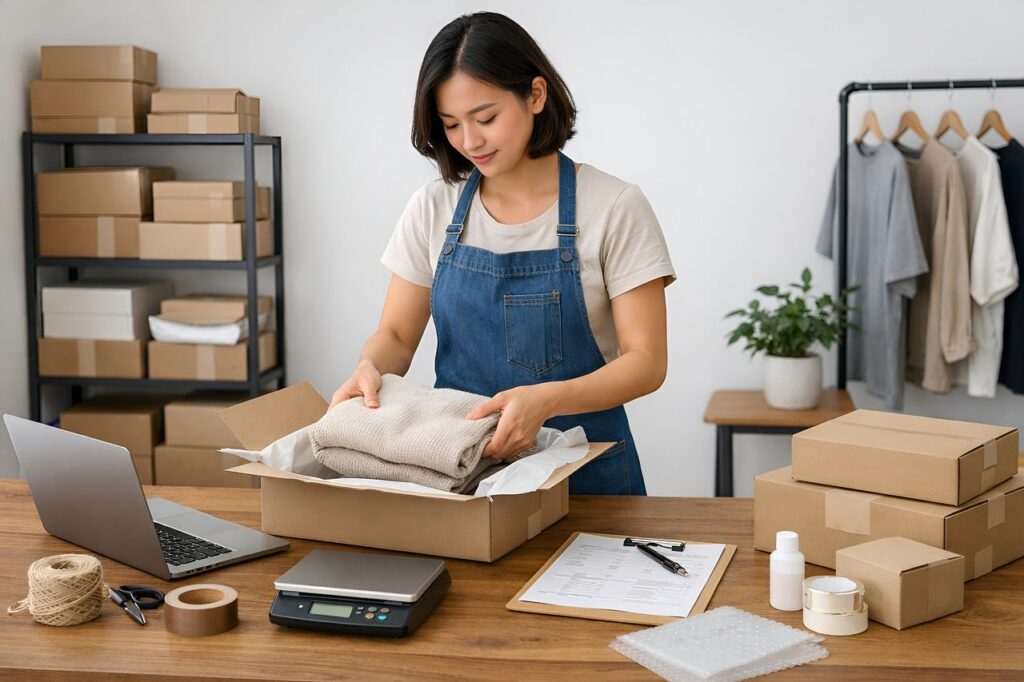
Custom packaging for small business is not only a good-looking box anymore. It works as a sales support, a shipping part, and often the first thing a customer touches after placing an order. If you are checking custom packaging options, do not start with the most expensive print. Start with packaging that matches your product, order volume, brand promise, and the way your customer receives and uses the item.
The market picture is easy to see. The U.S. Small Business Administration Office of Advocacy reported in its July 2024 FAQ that the United States had 34,752,434 small businesses, making up 99.9% of all U.S. businesses. So buyers are seeing many small brands every week, especially online. Your package needs to show who you are quickly, without looking noisy.

Small Brands Compete in a Crowded Market
When a customer scrolls through soap, candles, supplements, stationery, apparel, or handmade accessories, the product photo may not tell enough. Packaging gives the brand a little more space to speak. A matte kraft sleeve can feel simple and natural, while a rigid gift box can feel premium. A clean folding carton can make the product look ready for retail, and these small choices matter because many customers decide fast.
E-Commerce Makes Every Box a Storefront
The U.S. Census Bureau reported on May 18, 2026 that U.S. retail e-commerce sales reached $326.7 billion in the first quarter of 2026, seasonally adjusted, and accounted for 16.9% of total retail sales. E-commerce sales also rose 9.8% from the first quarter of 2025. That means many first impressions now happen on doorsteps, kitchen counters, mailrooms, and apartment package shelves. For an online seller, the shipping box is often the closest thing to a physical shop.
Packaging Is Part of Customer Memory
A customer may forget the ad that led them to your store, but they will remember a box that arrived crushed, was hard to open, or looked better than expected. That memory can affect the next order. A small thank-you card, a clear product insert, or a tight inner tray can make a normal shipment feel more considered. It does not need to be showy; it just needs to look like someone packed it with care.
What Should Your First Custom Packaging Project Include?
Your first packaging project should stay practical. Start with the product size, weight, breakage risk, and sales channel. A glass jar sold online needs different protection than a cotton T-shirt sold at a pop-up market. A food-safe pouch also needs different checks than a jewelry mailer. Good packaging begins with the work it has to do, and then the brand design can be added.
The Right Outer Box or Mailer
For shipping, the outer package takes the rough handling. Corrugated mailer boxes suit many small goods because they give structure and enough area for printing. Poly or paper mailers can work for soft and light products, but they do not protect well against crushing. For retail shelves, folding cartons often save space, and if your product is heavy, fragile, or an unusual shape, ask for samples before placing a full production order.
A Simple Print Plan
Small businesses often spend too much on print at the beginning. One-color printing, a custom sticker, a branded sleeve, or a printed insert can still look clean without a large print budget. Full-color artwork makes sense when color helps buyers recognize the item, such as cosmetics, snacks, toys, or seasonal gift sets. Keep the logo easy to read, leave enough blank space, and avoid very small text that may disappear after printing.
Inserts That Protect and Guide
Inserts have two main jobs. They keep the product in place and help the customer understand or use it. Molded pulp, paperboard dividers, foam, corrugated pads, and belly bands each solve a different packing issue. A candle brand may need a close-fit insert to reduce glass movement, while a skincare brand may need a printed card with storage tips. A hardware kit may need compartments, otherwise small parts will rattle around like loose coins in a drawer.
How Can Packaging Reduce Damage, Returns, and Customer Friction?
Good-looking packaging does not help much if the product arrives broken. This is where small businesses need to do the basic checks. Measure the product, test the package, shake it, drop it from a normal handling height, and look closely at the corners. A good unboxing experience starts with an order that arrives in one piece.
Fit Before Fancy Graphics
Void fill cannot fully fix a box that is the wrong size. Too much empty space lets products move, increases shipping size, and makes the opening experience messy. Too little space can press on caps, pumps, corners, or seals. Try to keep a steady gap around the product, then use an insert or wrap to stop movement. For fragile goods, corner protection often works better than extra paper placed on top.
Clear Labels and Handling Cues
Labels should help warehouse staff, couriers, and customers handle the package the right way. Fragile labels do not replace a strong structure, but they can reduce simple mistakes. If a product must stay upright, mark it clearly. If the customer should open from one side, add a clear pull cue. For subscription boxes, simple numbering or color coding can help fulfillment teams avoid mixing variants during busy weeks.
Return-Friendly Design
Returns are costly, and packaging has a quiet part in that cost. The National Retail Federation and Happy Returns reported on December 5, 2024 that U.S. retail returns were projected to reach $890 billion in 2024, equal to 16.9% of annual sales. The same report said 76% of consumers see free returns as a key factor in choosing where to shop, while 67% say a negative return experience would discourage them from shopping with that retailer again. A resealable mailer, a durable return label area, or a box that can handle both trips can save money and make the process less stressful for the customer.
Which Materials Make Sense for Your Product and Budget?
Material choice should come from product needs, not from trends alone. Paper can feel warm and simple. Plastic films can protect against moisture and lower weight for some products. Rigid board can make a gift item feel higher value. No material fits every product, and buyers are paying more attention to loose green claims.
Corrugated Paperboard for Strength
Corrugated boxes are widely used because they balance strength, print quality, and shipping performance. They work for cosmetics sets, electronics accessories, home goods, candles, mugs, and many DTC products. Ask your supplier about flute type, board grade, and test options before confirming the order. A lighter board may be fine for small cartons, but heavier products need stronger specs, and guessing here can cost more than testing.
Kraft Paper for a Natural Look
Kraft packaging fits handmade goods, organic-positioned products, stationery, tea, dry foods, and eco-minded gift items. It looks honest and familiar to many buyers. Still, kraft does not automatically mean sustainable in every case. Ink, coating, lamination, insert choice, and shipping distance all matter. If you choose kraft for brand style, keep the design simple so the material can carry the look.
Flexible Mailers for Light Goods
Flexible mailers can reduce weight and storage space for apparel, soft accessories, and refill packs. Paper mailers are often chosen for a natural feel, while poly mailers are better when moisture resistance matters. For premium products, a mailer alone may feel too plain. Many brands add tissue, a band, or an inner pouch, and the product category should decide the right mix. See also: Food Packaging.
How Do You Balance Sustainability, Brand Style, and Cost?
Sustainability matters, but customers still care about price, product safety, and convenience. McKinsey’s August 2023 packaging sustainability survey covered more than 11,500 consumers across 11 countries and found that hygiene and shelf life remained top packaging purchase factors, while a majority of respondents said they were willing to pay more for sustainable packaging. The practical point is clear: greener packaging still has to protect the product and fit the buyer’s budget.
Claims That Customers Can Check
Use claims that customers can understand. Recyclable, made with recycled content, compostable where facilities exist, or plastic-free are easier to trust than broad phrases like earth friendly. If the claim depends on local facilities, say that on the package or insert. This helps avoid disappointment and keeps the brand voice honest.
Less Empty Space and Fewer Extra Parts
One simple way to cut waste is to right-size the package. The U.S. Environmental Protection Agency’s containers and packaging data shows that containers and packaging accounted for 82.2 million tons of municipal solid waste generation in 2018, or 28.1% of the total. That data is old, but it is still the EPA’s main public benchmark for this category. Smaller boxes, fewer layers, and lighter inserts can reduce material use without making the package feel cheap or under-protected.
Practical Recycled and Recyclable Choices
Recycled paperboard, uncoated kraft, water-based inks, and mono-material designs can help when they suit the product. Avoid mixing materials that are hard to separate unless the product truly needs that protection. A laminated luxury box may look good, but it can send the wrong signal if the customer bought a low-waste refill product. The material choice should match both the product and the message.
How Can You Order Custom Packaging Without Wasting Cash?
Small orders can be difficult because suppliers often offer better prices at higher volume. Even so, placing a very large order too early can leave cash sitting in the stockroom. Packaging should grow with sales. A careful testing path lets you check design, shipping strength, and customer response before moving to a larger run.
Start With a Small Test Run
Order samples in the real size, not only a material swatch. Pack the actual product and include the insert, tape, label, and any fill you plan to use. If possible, ship a few test packages to different addresses. Check dents, scuffs, label readability, and how the product looks after opening. This small step finds issues that a screen mockup will not show.
Compare Unit Cost With Landed Cost
The lowest unit price is not always the lowest real cost. Include shipping, storage, damage risk, assembly time, and unused inventory. A box that costs a few cents more but folds faster may save labor during the holiday rush. A smaller mailer may reduce dimensional weight, and a cleaner insert may reduce packing mistakes. Put all costs on one sheet before choosing.
Keep Artwork Easy to Reorder
Save final dielines, color codes, logo files, barcode positions, and material specs in one folder. Use file names that make sense, such as skincare-mailer-2026-v2, not final-final-new. Your future self, or the next person handling purchasing, will appreciate it. Simple file control helps prevent wrong reorders and delays that should have been avoided.
FAQ
Q1: What Is the Best Custom Packaging for a Small Online Store? A: The best choice depends on the product. Start with a strong mailer box or protective mailer, then add simple branding such as a sticker, sleeve, or insert. Protection should come before decoration.
Q2: How Much Should a Small Business Spend on Custom Packaging? A: There is no single safe percentage for every category. Compare packaging cost with product margin, shipping cost, damage risk, and repeat purchase value. If packaging takes too much margin, start with semi-custom elements.
Q3: Can Custom Packaging Help Reduce Returns? A: Yes, when it improves product protection, gives clear product information, and makes returns easier if needed. It cannot fix product quality problems, but it can reduce damage and confusion.
Q4: Is Sustainable Packaging Always More Expensive? A: Not always. Right-sized boxes, fewer inserts, and lighter materials can cut waste and cost at the same time. Premium recycled or specialty compostable materials may cost more, so test before scaling.
Q5: When Should You Move From Stickers to Fully Printed Packaging? A: Move to fully printed packaging when order volume is steady, the design is proven, and the higher minimum order quantity will not tie up too much cash. Until then, stickers, sleeves, and inserts are safer.