Are Custom Bags for Packaging the Best Choice for Your Brand?
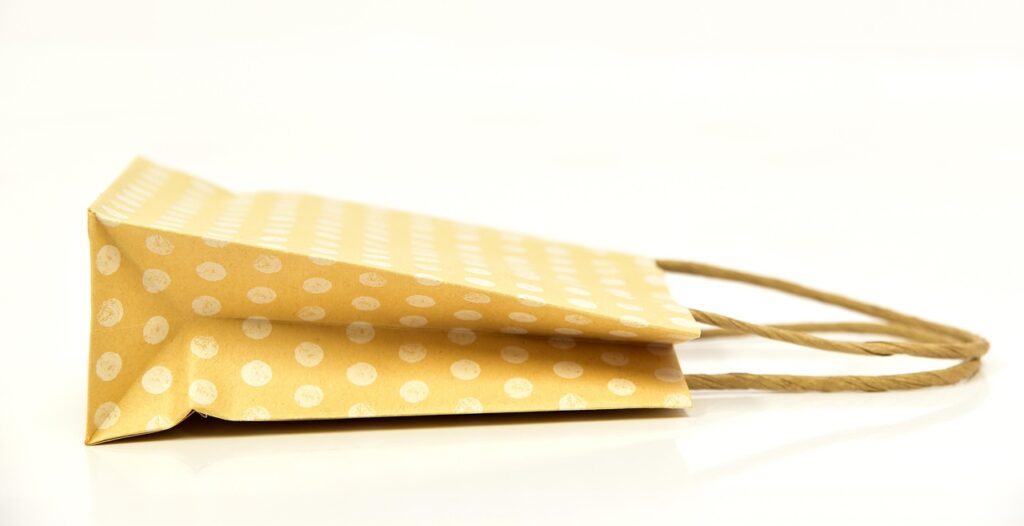
If you sell apparel, cosmetics, snacks, accessories, gifts, or subscription products, custom bags for packaging can do more than hold the product. They protect the goods, carry your brand name, and make the order easier to pack, ship, display, and recognize. For more ideas across formats, you can also explore the custom packaging category.
A bag looks simple until a real order starts moving. The buyer asks for a soft-touch finish, the warehouse wants quicker packing, the sales team wants a clean logo, and the freight cost reminds everyone that weight matters. Good packaging work has to sit between these needs. This guide looks at custom bags in a practical way, without making the material names or printing terms harder than they need to be.
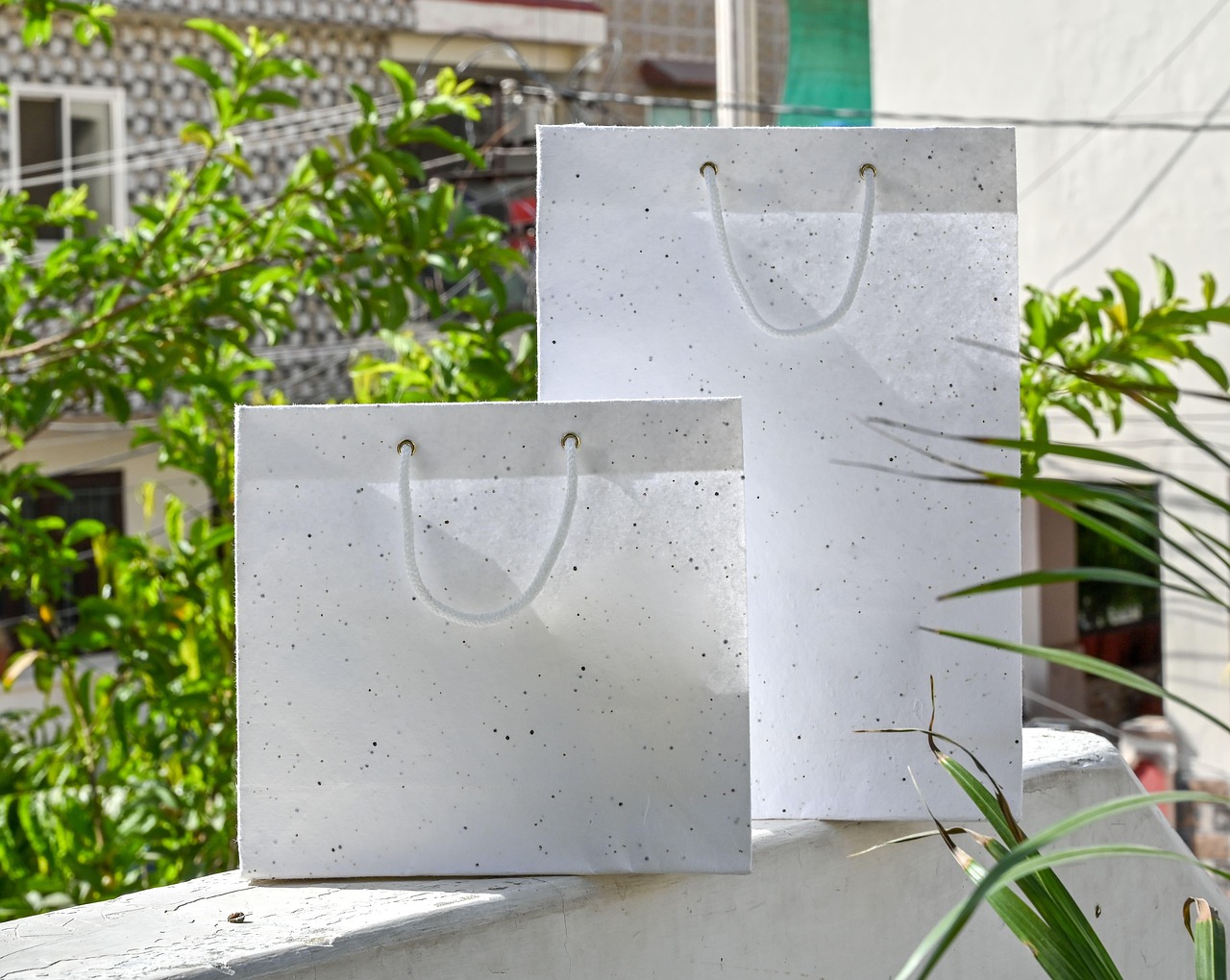
Why Do Custom Bags Matter More Than Standard Packaging?
Standard bags are easy to source, but they often miss one of the main points: product fit, brand look, or sales channel needs. Custom bags give you control over size, structure, artwork, closure, and material, so the pack follows the real route from factory to shelf or doorstep.
Brand Recall Starts in the Hand
A plain bag protects the item, but a printed bag tells the customer who made it. This is useful in busy categories such as fashion accessories, beauty tools, phone cases, pet supplies, and small gifts. A clear logo, a repeat pattern, or a simple color band can keep the package from looking too common. It does not have to be loud. Many premium brands use one-color printing, matte film, or kraft paper because the look is simple and controlled.
Packaging Waste Has Real Market Pressure
Packaging waste is not a small side issue anymore. The U.S. Environmental Protection Agency reported that containers and packaging generated 82.2 million tons of municipal solid waste in 2018, equal to 28.1 percent of total generation. Eurostat also reported 83.4 million tonnes of packaging waste in the EU in 2022, or 186.5 kg per person. These figures are one reason buyers now ask about thinner gauges, recycled content, FSC paper, mono-material films, and right-size packs. (epa.gov)
A Bag Can Cut Weight and Space
Compared with many rigid boxes, flexible bags usually need less storage space and add less shipping weight. For soft goods, a mailer or drawstring bag can work better than a box filled with void paper. For powders, refills, and dry foods, a stand-up pouch can still look good on shelf while keeping the pack light. The saving on one piece may look small, but it becomes clear when the order is 20,000 pieces or more.
Which Custom Bag Type Fits Your Product?
The right bag starts with the product, not with the sample photo that looks best. A T-shirt, roasted coffee, jewelry set, and frozen accessory pack all need different barrier, seal, and display features. Check the product risk first, then choose the bag structure.
Poly Mailers for Soft Goods
Poly mailers fit clothing, textiles, documents, and light e-commerce orders. They are flexible, water resistant, and quick to seal. If the product is not fragile, a custom mailer can replace a box and cut packing steps. Common options include co-extruded PE mailers, recycled-content mailers, and courier bags with a permanent adhesive strip. For returns, a second sealing strip is a small detail, but customers do notice it.
Kraft Paper Bags for Retail and Gifting
Kraft paper bags work well for boutiques, bakeries, craft items, stationery, and gift sets. They look familiar and natural, especially with black ink, white ink, or foil stamping. If the bags will be used in retail stores, check handle strength, bottom gusset depth, and paper weight. A bag that stands properly on a counter feels better than one that collapses. It is a small point, but buyers usually touch the bag before they read the label.
Laminated Pouches for Food and Powders
Laminated pouches suit products that need barrier protection, such as coffee, tea, spices, protein powder, pet treats, candy, and refill packs. Options may include zipper tops, tear notches, hang holes, transparent windows, and one-way degassing valves for coffee. If the product has aroma, oil, moisture sensitivity, or shelf-life requirements, do not choose the film by price only. A low-barrier pouch can make a good product lose smell or taste before it reaches the customer.
How Should You Choose Materials for Cost, Strength, and Sustainability?
Material choice is where many packaging projects become unclear. A bag has to look right, survive handling, meet rules, and still stay inside the target cost. The safer way is to compare materials by function first, then check any sustainability claim with documents.
Match Film or Paper to Product Risk
For apparel, flexibility and tear strength may matter more than oxygen barrier. For food, food-contact suitability and barrier performance should come first. For cosmetics, oil resistance and print rub resistance can be important. Ask for thickness, material layers, seal type, and test reports when they are needed. If the bag will carry sharp, heavy, or uneven products, request a load test instead of judging only by hand feel.
Treat Recyclable Claims with Care
Words like recyclable, compostable, biodegradable, and eco-friendly can support sales, but they can also create risk when they are not clear. The U.S. Federal Trade Commission Green Guides say recyclable claims should be qualified when recycling facilities are not available to at least 60 percent of consumers or communities where the product is sold. In simple terms, a material being technically recyclable may not be enough for a broad claim printed on the bag. It is better to confirm the local recovery situation before the artwork is approved. (ftc.gov)
Ask for Documents Before Mass Production
If you need food packaging, confirm food-contact compliance for the target market before bulk production. The U.S. FDA states that manufacturers of food contact substances are responsible for making sure food contact materials comply with applicable specifications and limitations. For paper bags that carry an FSC claim, the Forest Stewardship Council requires chain-of-custody controls for companies making FSC labels or sales claims. Keep these records with the purchase order, not hidden in old email threads. (fda.gov)
What Design Details Make Custom Bags Sell Better?
Design is not only about the artwork. It also includes how the bag opens, stands, seals, scans, hangs, ships, and gets thrown away. A nice mockup can still fail if the barcode lands on a fold or the zipper is too close to the heat seal.
Clear Logo Placement
Put the logo where the customer naturally looks first. On a retail pouch, that is usually the upper front panel. On a shipping mailer, it may be the center area or the flap. Leave enough blank space around the logo, so it does not compete with icons, claims, or pattern graphics. For small bags, one clear mark usually works better than five small messages.
Practical Closure and Opening
A zipper, slider, adhesive strip, cotton drawstring, tin tie, or heat seal changes how the customer uses the bag. Resealable pouches work for snacks and powders because customers open and close them many times. Permanent adhesive strips work for courier mailers because packing speed matters. For gift bags, handles and ribbons can improve the product feel, but only when the product weight matches the handle construction. See also: Food Packaging.
Barcodes, Warnings, and Market Labels
Keep a flat area for barcodes, SKU labels, batch codes, and market warnings. For marketplace sales, check the latest platform packaging rules before printing. For children’s products, food, supplements, cosmetics, and medical-adjacent items, label rules can be stricter than expected. A simple working habit helps here: freeze the legal text before final artwork approval. Last-minute label edits often cost more than the print plate itself.
How Do You Control Quality Before Bulk Production?
Quality control for custom bags should not wait until the finished goods are already made. It works better when the key checks are agreed before production starts. Then the supplier, designer, and buyer are looking at the same standard.
Confirm Dimensions with Real Products
Flat size can be misleading. A 200 mm wide bag may look enough on paper, but the side gusset, zipper, and product thickness can take away usable space. Test the sample with the actual item, instruction card, insert, and any inner wrap. If the product will be packed by hand, leave finger room. If it will be packed by machine, ask for the machine tolerance in advance.
Test Seams, Ink, and Loading
Check seam strength, bottom burst risk, zipper function, and ink rub before you approve production. For mailers, do a simple pull test on the seal strip and a corner tear test. For retail bags, load the bag and hold it by the handles for a short time. This is not advanced lab work, but it catches many basic failures. For food pouches, ask the supplier for proper seal and barrier testing when shelf life depends on the pouch.
Approve a Golden Sample
A golden sample is the approved physical reference for size, material, print color, finish, and workmanship. Keep one with the supplier and one with your own team. Pantone color alone may not match perfectly across kraft paper, matte film, glossy film, and non-woven fabric. The sample gives both sides a clear reference when the bulk order arrives and someone says the red looks a little different.
How Can Importers Order Custom Bags Without Delays?
Import orders move better when the specification is plain and complete. The supplier should not have to guess the material, print color, packing quantity, or shipping mark. Guessing often creates samples that look fine but cannot be produced at the agreed cost.
Share One Clear Specification Sheet
Prepare a simple sheet with bag type, flat size, gusset, thickness or paper weight, material structure, print colors, surface finish, closure, handle type, quantity, packing method, and target market. Add photos of similar bags if you have them. If sustainability matters, state the claim you want to make, such as recycled content, paper sourcing, or mono-material design. Then ask what proof can support that claim.
Plan Artwork and Plate Time
Custom printing needs clean files, usually vector artwork for logos and text. Complex full-color gravure or flexographic printing may need plates or cylinders, so sampling can take longer than a digital mockup suggests. If the launch date is fixed, approve artwork early and leave time for file checking. A packaging delay may sound minor until finished goods are packed in cartons and waiting for the missing bags.
Choose Carton Packing for Your Warehouse
Decide how bags should be bundled inside export cartons before the supplier packs them. A warehouse team may prefer 100 pieces per inner pack with size labels on two carton sides. A retail operation may need flat packing to prevent creases. For printed bags, request protection against moisture and ink transfer during sea freight. The bag is packaging, but it still needs packaging during transport. That sounds like a small loop, but it is normal logistics.
FAQ
Q1: What Are the Best Custom Bags for Packaging Apparel?
A: Poly mailers, frosted zipper bags, kraft paper bags, and drawstring bags are common for apparel. Choose poly mailers for shipping, zipper bags for inner presentation, and paper or drawstring bags for retail or gift value.
Q2: Can Custom Bags for Packaging Be Eco-Friendly?
A: Yes, but the claim must match the material and the local recovery system. Options may include recycled-content PE, FSC paper, mono-material recyclable pouches, reusable non-woven bags, or right-sized mailers that reduce extra material.
Q3: What Information Should Be Included in a Custom Bag Quote?
A: Include size, material, thickness, print colors, finish, closure, quantity, artwork file, packing method, shipping term, and destination market. If the bag touches food, ask for food-contact documents before bulk production.
Q4: Are Printed Bags More Expensive Than Plain Bags?
A: Usually yes, because printing adds setup, ink, plates, sampling, and inspection. The unit cost gap can become smaller at higher quantities. For small runs, simple one-color printing is often the safest first step.
Q5: How Can You Avoid Delays in Custom Bag Production?
A: Approve dimensions with real products, send final artwork early, confirm compliance text, request a physical sample, and keep one approved golden sample. Clear decisions before production save the most time.