What Makes Soap Packaging Eco Friendly for Modern Soap Brands?
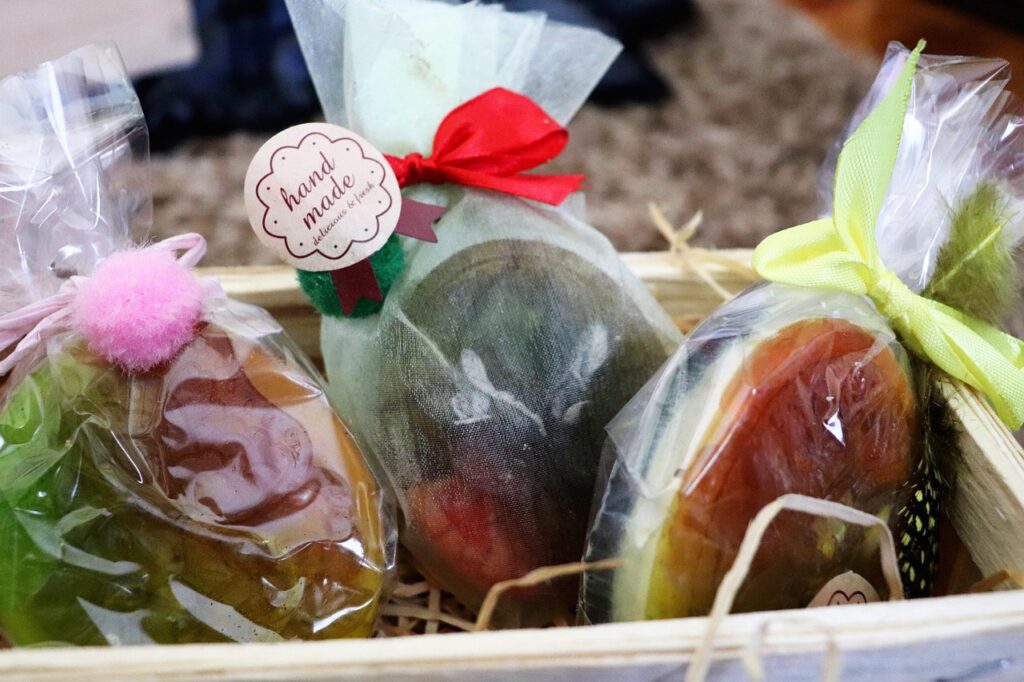
Soap packaging eco friendly choices are not just a small branding point now. If you sell bar soap, handmade soap, hotel soap, or private label bath products, the box or wrap has to protect the bar, look right on the shelf, ship with less waste, and carry claims that a buyer can check. For more packaging ideas across materials and formats, visit the eco packaging category.
A bar of soap looks simple, almost old-style. Once you add moisture, fragrance oils, retail display, export rules, barcode space, and sustainability claims, the packaging choice becomes more detailed. The practical way is not to pick the material that looks the greenest. It is to choose packaging that fits the soap, the sales channel, and the disposal path your customer can really use.
Why Does Soap Packaging Eco Friendly Matter for Export Brands?
Eco friendly soap packaging matters because packaging is where cost, compliance, buyer trust, and waste meet. Public data also explains why buyers now ask more questions. The U.S. EPA reported that containers and packaging generated 82.2 million tons of municipal solid waste in 2018, equal to 28.1% of total U.S. generation. This is a wide category, not only cosmetics, but it shows why packaging gets close attention in retail sourcing. (epa.gov)
Buyer Pressure at the Sourcing Table
Importers often ask for recycled paper content, FSC or PEFC paper options, plastic-free wraps, and clear disposal wording. This is no longer just a nice add-on. A soap brand selling into natural stores, gift shops, spas, or e-commerce marketplaces can lose shelf value if the bar uses glossy laminated paper, oversized cartons, or loose green claims. In many cases, a simple kraft soap box builds more trust than a shiny “eco” design with no proof behind it.
Waste Reduction That Buyers Can See
Soap is dense and usually firm, so many bars do not need heavy packaging. You can reduce board thickness, cut empty space, change plastic film to paper bands, or use a window cutout instead of a plastic window. These small changes add up when orders move by carton and pallet. For example, if a 100 g soap bar uses a carton that is 3 mm too tall on every side, a master carton may hold fewer units, which means more cartons, more freight volume, and more warehouse handling.
Claims That Affect Market Access
Words like recyclable, biodegradable, compostable, recycled content, and plastic-free must match the material and the market where the product is sold. If the claim is too broad, buyers may ask for proof before they approve the item. In the United States, the FTC Green Guides say recyclable claims should be backed by access to recycling programs, and unqualified claims need recycling facilities available to a substantial majority, meaning at least 60% of consumers or communities where the item is sold. (law.cornell.edu)
Which Materials Work Best for Eco Friendly Soap Packaging?
The right material depends on soap hardness, oil level, fragrance load, color transfer, and sales channel. A dry triple-milled bar can use lighter paper, while a cold-process bar with rich oils may need a better barrier or more breathing room. Material choice should start with the soap, not the mood board.
Recycled Paperboard for Retail Boxes
Recycled paperboard is a common choice for boxed bar soap because it prints well, folds neatly, and gives enough space for ingredients, batch codes, INCI names, warnings, and brand story. For retail, 300 to 400 gsm paperboard is often used, though the right weight depends on box size and shipping stress. If the bar has a strong essential oil scent, test for oil staining before full production. A nice box with a ring-shaped oil mark after two weeks will not look like a premium product.
Kraft Paper Bands for Minimal Packs
Kraft bands suit handmade soap, hotel amenities, farmers market products, and gift sets. They use less material than a full carton and let customers see the color and texture of the soap. The tradeoff is protection, so this format needs to be used with care. Bands do not protect corners well, and they leave more soap exposed to dust and rubbing. For e-commerce, pair a banded bar with a snug inner tray, tissue, or protective outer mailer.
Molded Pulp and Paper Sleeves
Molded pulp trays or paper sleeves work well for premium gift soap, facial bars, and sets. They feel natural in the hand and can reduce plastic inserts. Pulp can also separate scented bars inside a box, which helps when lavender, charcoal, and citrus bars ship together. Ask for fit samples early because a sleeve that grips too tightly can scuff the soap surface, especially on softer handmade bars.
Is Paper Always Better Than Plastic for Soap Packaging?
Paper is often a good fit for soap, but “paper is always better” is too simple. Recyclability, coatings, inks, product damage, and local collection systems all matter. A damaged soap bar that gets thrown away also has an environmental cost. The target should be lower total waste, not just a natural-looking wrapper.
Paper Wins When It Stays Simple
Plain paperboard, kraft paper, and corrugated shippers have a good recycling record in many markets. The EPA reported an 80.9% recycling rate for paper and paperboard packaging in 2018, and corrugated boxes reached 96.5%. These numbers make simple paper formats a practical option for soap cartons, sleeves, and shipping boxes. They also give buyers a clearer disposal story than mixed-material packs. (epa.gov)
Plastic Has a Harder Recycling Story
Plastic film can protect soap from moisture and scent loss, but flexible films are not easy for many household recycling systems. The OECD Global Plastics Outlook reported that in 2019 only 9% of plastic waste was ultimately recycled worldwide. For soap brands, this points to a simple working rule. Avoid plastic where paper can do the job, and use plastic only when product protection clearly needs it. (oecd.org)
Coatings Can Change the Result
A paper box with heavy lamination, foil, glitter, or mixed plastic layers may look premium but can become harder to recycle. For eco friendly soap packaging, water-based coating, soy-based ink, minimal varnish, and uncoated kraft are often better choices. If you need a window, consider no window, a die-cut opening, glassine, or a clearly specified film that matches the buyer’s disposal rules. Even a small design item, such as a metallic logo, can make the recycling message harder to explain.
How Can You Design Soap Packaging That Feels Premium and Responsible?
Responsible packaging does not have to look plain. Good soap packs feel calm, clear, and well made. They use fewer materials, but they still protect the bar and give the customer a reason to pick it up. A bit of restraint helps because nobody likes opening a 100 g soap bar packed like a phone charger.
Right-Sized Structure and Less Empty Space
Start by measuring the finished soap after curing, not the mold size. Handmade bars shrink, and the edges can change. A right-sized box reduces board use and helps the bar stay in place during shipping. For a 100 g rectangular bar, a snug tuck-end carton or sleeve often works better than an oversized gift box. For round soap, a belly band plus molded pulp tray can stop rolling without adding much weight.
Readable Labels and Honest Disposal Text
Customers should know what the package is made from and what to do with it. Use plain wording such as “paper box, recycle where facilities exist” or “made with recycled paperboard, remove label before recycling” if that is accurate. Avoid big green leaves with tiny disclaimers because buyers notice that kind of thing. Shoppers notice it too, especially in natural and gift channels. See also: Food Packaging.
Finishes That Add Value Without Mess
Embossing, debossing, single-color printing, and clean typography can make kraft or recycled board feel premium. A small spot color can carry brand identity without full-coverage ink. If luxury matters, choose texture over extra layers. Soft-touch plastic lamination may feel high-end, but it can weaken the eco story unless your buyer has accepted that structure.
What Compliance Points Should You Check Before Production?
Compliance depends on the sales market, product claims, and retail channel. Soap packaging is not only a box. It carries claims, ingredient lists, net weight, warnings, origin information, and disposal instructions. Before production, check legal label needs with a qualified adviser for your target country, especially if the product makes cosmetic, antibacterial, organic, or therapeutic claims.
Recyclable and Compostable Claim Rules
A recyclable claim should refer to a real collection and recycling path, not only a lab theory. A compostable claim should match the composting system available to the end customer. The FTC also warns that unqualified degradable or biodegradable claims should not be made unless the entire product or package can completely break down and return to nature within one year after customary disposal. This is where many soft “green” claims create trouble during buyer review. (ftc.gov)
EU Packaging Direction for 2030
If you sell to Europe, packaging design now needs a longer view. The European Commission states that Regulation (EU) 2025/40 entered into force on February 11, 2025 and generally applies from August 12, 2026. It aims to make all packaging on the EU market recyclable in an economically viable way by 2030. The same Commission page lists EU packaging waste at 186.5 kg per person in 2022, which explains why regulators keep pushing this topic. (environment.ec.europa.eu)
Documentation for Importers and Retailers
Keep material specifications, recycled content statements, FSC or PEFC certificates if used, ink and coating details, and carton strength test notes. Private label buyers may request these before purchase order approval. For larger chains, unsupported claims slow down approval even when the packaging itself is acceptable. A clear document pack can save a week of back-and-forth emails.
How Should You Choose a Supplier for Eco Friendly Soap Packaging?
A good supplier helps you balance cost, protection, design, and proof. Do not choose by unit price alone. A cheaper box that fails a drop test or cannot support your claim can cost more later through returns, relabeling, or a delayed launch.
Material Samples Before Artwork Lock
Ask for blank samples in the exact board grade, coating, and structure. Put real soap inside, then check after one week, two weeks, and one month. Look for scent loss, oil marks, crushed corners, color transfer, and glue failure. This test is not exciting, but it catches problems before thousands of boxes are made.
Clear Printing and Finishing Limits
Recycled board may print with a warmer and less sharp color than virgin white board. Kraft paper can make pale colors look muted. This is not a defect; it is just how the material behaves. Ask for a digital proof and, when the order size allows, a press proof. If the soap is sold as natural, a slightly earthy print tone may even help the pack feel more honest.
Cost Control Through Simple Engineering
Eco friendly packaging does not always mean higher cost. One-piece tuck boxes, bands, sleeves, and flat-packed cartons can reduce assembly time and freight volume. Fewer components also mean fewer quality checks. For export, confirm master carton quantity, pallet fit, humidity resistance, and barcode placement early, not after artwork is approved.
FAQ
Q1: What Is the Best Eco Friendly Packaging for Handmade Soap? A: Recycled paperboard boxes, kraft paper bands, and paper sleeves are usually solid choices. The best option depends on soap softness, oil content, fragrance, retail display, and shipping method.
Q2: Can Soap Be Packed Without Plastic? A: Yes, many soap bars can use paper boxes, kraft wraps, belly bands, or molded pulp inserts. If the soap is very soft, oily, or moisture-sensitive, test paper-only packaging before placing a full order.
Q3: Is Kraft Soap Packaging Always Recyclable? A: Plain kraft paper is often recyclable, but coatings, labels, adhesives, foil, or plastic windows can change that. Use qualified disposal wording if recycling access differs by market.
Q4: How Can You Avoid Greenwashing on Soap Packaging? A: Use specific claims, keep proof for recycled content or certified paper, and avoid broad words like “green” unless the claim is clearly explained. Match each claim to the actual material.
Q5: What Should You Ask a Packaging Supplier Before Ordering? A: Ask for material specs, samples, recycled content details, coating information, print tests, carton strength guidance, and claim support documents. Real samples with real soap are the safest start.