How Can You Choose a Reliable Plastic Bottle Supply Partner?
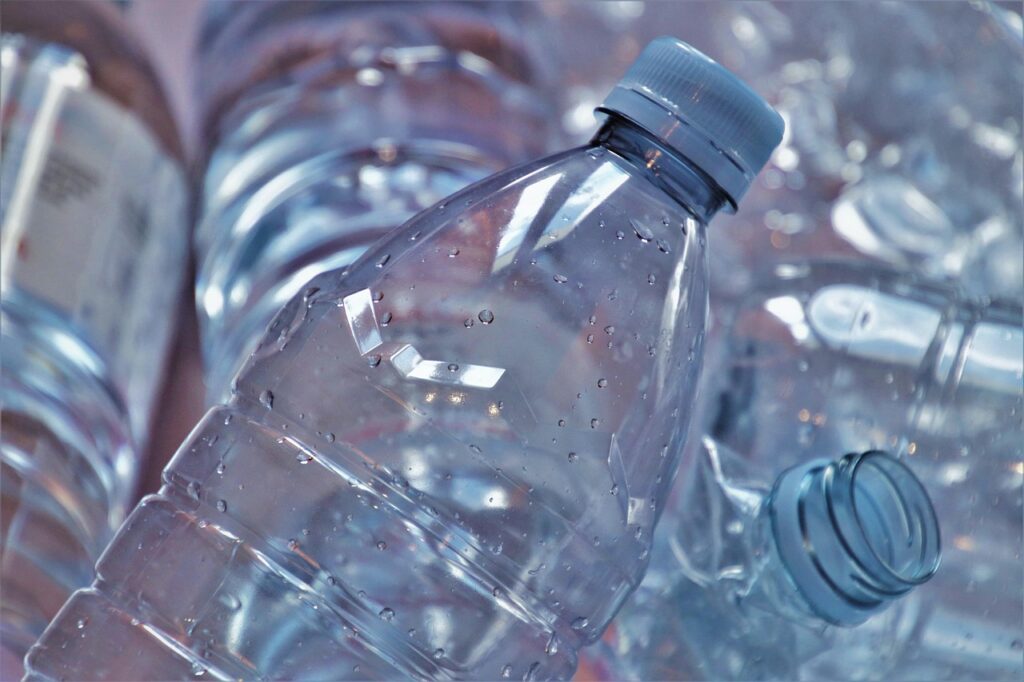
Why Does Plastic Bottle Supply Need More than a Low Unit Price?
When you buy packaging for a drink, lotion, cleaning liquid, supplement, or industrial chemical, plastic bottle supply is not just a line price on a quotation. It affects shelf look, filling-line speed, leakage risk, freight cost, customs papers, and the way the end user feels when the cap opens. For more sourcing topics in light industry, the Buyer’s Guide is a useful page to keep open while you compare suppliers.
The market setting is not only about one purchase order. The OECD Global Plastics Outlook reported that global plastics production reached 460 million tonnes in 2019, while global plastic waste reached 353 million tonnes; only 55 million tonnes was collected for recycling. For buyers, the point is quite direct: bottle design, material choice, and recyclability have become business issues, not just environmental claims. (oecd.org)
Demand Planning Starts with Bottle Use
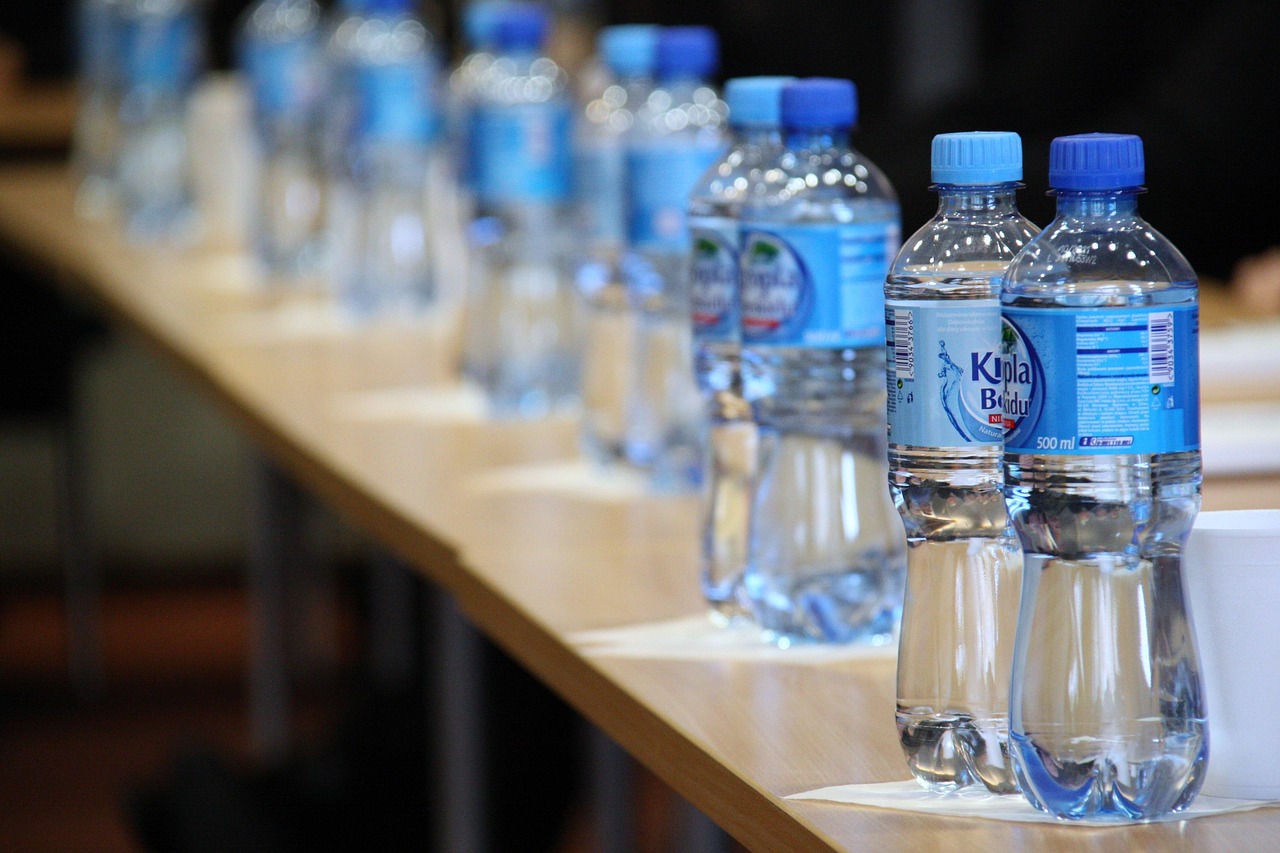
A 250 ml shampoo bottle sold online does not have the same job as a 1 liter chemical bottle shipped by pallet. Start from the use case: product viscosity, fill temperature, closure style, transport route, and sales channel. A bottle may look fine in a product photo, but it can still fail if it dents under carton pressure. It may also leak after air freight pressure changes, so the route matters as much as the look.
Material Choice Changes Cost and Risk
Resin, bottle weight, neck finish, cap match, label area, and decoration method all change the final cost. A lower gram weight saves resin, but a bottle that is too light may feel weak or fail a drop test. A heavier bottle can feel stronger in hand, yet it also pushes up freight cost. This is more obvious when you ship air samples or mixed-SKU cartons.
Sustainability Targets Affect Buyer Decisions
Large brand owners are asking clearer questions about recycled content and packaging reduction. The Ellen MacArthur Foundation’s Global Commitment 2023 noted that participating companies represented about 20% of global plastic packaging produced. That explains why even smaller importers now meet sustainability questions from retailers, distributors, or tender documents. These questions usually come early in the sourcing stage, not after the bottle has been approved. (ellenmacarthurfoundation.org)
Which Bottle Material Fits Your Product Best?
There is no one best plastic bottle material for every order. The right choice depends on clarity, chemical resistance, squeeze feel, hot-fill needs, barrier performance, and local recycling practice. If a supplier pushes one resin for every project, take a closer look. Good sourcing starts with matching the bottle to the liquid inside and the market where it will be sold.
PET for Clear Drinks and Lightweight Retail Packs
PET is widely used for water, juice, edible oil, sauces, and clear personal care packaging. It gives good clarity and a clean retail look. It is also light, which helps with freight cost. The U.S. EPA reported a 29.1% recycling rate for PET bottles and jars in 2018, so PET may support recyclability claims in some markets, but actual collection still depends on local systems and bottle design. (epa.gov)
HDPE for Chemicals, Dairy, and Personal Care
HDPE has a stronger, more opaque appearance, often in natural white or solid colors. It handles many household chemicals well. It is common in detergent, motor oil, milk, disinfectant, and industrial liquids. If your product contains fragrance oil, solvent, bleach, or surfactants, ask for compatibility testing. A sample that looks fine after two days may swell or stress-crack after four weeks.
PP, LDPE, and Specialty Resins for Specific Jobs
PP is often used for caps, jars, and some hot-fill or higher-temperature applications. LDPE is soft and works well for squeeze bottles. For barrier needs, suppliers may suggest multilayer structures, additives, or fluorination. Those choices can affect recycling and compliance, so do not approve them only because the unit price looks workable. For some technical liquids, a plain natural bottle is still the safer option.
How Should You Check a Supplier Before Ordering?
A plastic bottle supplier should be checked like a production partner, not just a catalog seller. Good sample photos can hide weak mold control, unclear material records, or loose packing work. Before paying a deposit, ask for documents, process details, and proof that the factory can repeat the same bottle across more than one batch.
Factory Capability and Mold Control
Ask whether the bottle is made by extrusion blow molding, injection stretch blow molding, or injection molding for jars and caps. Check cavity numbers, mold ownership, maintenance records, and whether the factory can keep your mold private. If a custom bottle is important to your brand, mold control matters as much as the sample. Also ask who can approve mold repair, because this point becomes important after repeat production starts.
Food Contact and Regulatory Papers
For food, beverage, supplement, or cosmetic packaging, paperwork is part of the product. The FDA states that recycled plastics used for food packaging raise concerns about contaminants, non-food-contact material entering the stream, and additives that may not fit food-contact rules. The buying point is simple: if your bottle touches food or drink, ask for material declarations, migration-related documents, and recycled-content support before mass production. Do this before artwork and carton printing, because document problems can delay the full order. (fda.gov)
Quality Systems and Traceable Batch Records
A capable factory should track resin lots, color masterbatch, production date, machine line, inspection result, and packing list. Certificates like ISO 9001 can help, but the certificate itself is not enough. Ask how rejected bottles are handled and how neck dimensions are checked. Also confirm who signs off first-article samples before bulk production runs.
What Details Should Appear in a Plastic Bottle RFQ?
A vague RFQ usually brings a vague quotation. If you only ask for a 500 ml plastic bottle, suppliers may quote different weights, neck finishes, carton sizes, and materials. Then the lowest price is not really comparable. A clear RFQ can save two weeks of email checking, and sometimes more during busy production seasons.
Drawing, Volume, Neck Finish, and Weight
Send a 2D drawing or a sample photo with main dimensions. Include nominal capacity, brimful capacity, height, diameter, label panel size, neck finish, and target gram weight. Neck finish needs special attention. A 28 mm neck is not enough detail, because thread type and closure fit decide whether the cap seals.
Color, Decoration, Closure, and Carton Plan
Color can be natural, white, amber, black, transparent, or matched to a Pantone target. Color tolerance should be agreed before production, not argued after shipment. Decoration may include label, silk screen, heat transfer, shrink sleeve, or in-mold label. Also define the cap, liner, pump, sprayer, or induction seal. A good bottle with the wrong closure is still a bad pack.
Test Standards, Samples, and Delivery Terms
A useful RFQ should include the practical items buyers often miss when the order is urgent. These points also help suppliers quote on the same basis, which makes the price comparison much cleaner. See also: Food Packaging.
- Sample quantity and whether samples must use production resin.
- Leak test method, drop test height, and top-load target if needed.
- Carton packing, pallet size, and barcode or label rules.
- Incoterms, destination port, target ship date, and payment terms.
- Required documents such as COA, material declaration, and inspection report.
How Can You Control Quality Before Shipment?
Quality control should happen before bottles leave the factory, not after they reach your warehouse. Once cartons are loaded into a container, small problems become expensive. A practical inspection plan checks the bottle, the cap, the carton, and the paperwork together.
Dimensional Checks and Cap Fit
Measure height, body diameter, neck inner and outer diameter, thread, bottle weight, and wall distribution. Then test the real closure on the bottle. If you use a pump or trigger sprayer, check dip tube length, torque, and actuation. A 1 mm mismatch can cause leakage complaints that seem random later. It is much easier to fix this at the factory than after goods arrive.
Leak, Drop, and Top Load Tests
Leak tests should follow real shipping and handling conditions. For liquid products, inverted storage, squeezing, vacuum, and pressure checks may all be useful. Drop tests should use filled bottles in final cartons when possible. Top-load testing matters for stacked cartons and warehouse storage, especially for thin-wall PET bottles.
Clean Packing and Sensible AQL Inspection
Plastic bottles pick up dust and static easily. Ask for inner bags, clean cartons, and sealed pallets if your product is cosmetic, food, or medical-adjacent. AQL inspection can catch scratches, black spots, short shots, flash, deformation, color drift, and mixed caps. Keep the defect list clear and usable. An inspector on a noisy factory floor needs plain criteria, not a long document full of unclear wording.
How Do You Balance Price, Lead Time, and Long-Term Supply?
The best supplier is not always the lowest bidder. A better supplier can keep the same bottle stable across repeat orders, warn you before material or capacity problems appear, and support small design changes without turning every email into a new negotiation. Price matters, of course. Shortage risk also has a cost.
Tooling Cost and MOQ Reality
There is no reliable public global benchmark for plastic bottle MOQ because mold type, color, resin, decoration, and factory setup all change the number. Treat any universal MOQ claim as a rough sales line. For private molds, confirm tooling fee, sample lead time, ownership, storage, and maintenance. Also agree what happens if the mold needs repair after repeat production. These details are not exciting, but they prevent many disputes later.
Material Price Movement and Safer Terms
Ask suppliers how long a quote stays valid and whether resin price movement can trigger adjustment. For repeat orders, a price formula may be easier to manage than constant renegotiation. If you serve the EU beverage market, recycled content planning needs early work: EU rules require at least 25% recycled plastic in PET beverage bottles from 2025 and 30% in plastic beverage bottles from 2030, calculated at member-state level. This can affect material booking, document review, and supplier selection. (eur-lex.europa.eu)
Backup SKUs and Forecast Sharing
If one bottle carries most of your sales, build a backup plan. That may mean a second mold, a second cap supplier, or a standard bottle that can replace the custom one for a short run. Share forecasts with your supplier, even if they are not perfect. A rough three-month view is better than an urgent order sent late on a Friday afternoon. Suppliers can plan resin, machine time, and packing materials better when they see what may be coming.
FAQ
Q1: What Is the Best Material for Plastic Bottle Supply? A: PET is often a good choice for clear beverage and retail packaging, HDPE suits chemicals and opaque personal care bottles, and LDPE works for squeezable packs. The best material depends on the product formula, filling process, shipping route, and market rules.
Q2: How Can You Compare Two Plastic Bottle Quotes Fairly? A: Compare resin, bottle weight, neck finish, cap type, decoration, carton quantity, pallet plan, lead time, inspection scope, and Incoterms. If one quote does not show these details, ask for a revised offer before you judge the price.
Q3: Should You Use PCR Plastic in Food Bottles? A: PCR can be a workable choice, but food-contact use needs proper compliance support. Ask for recycling process information, material declaration, and market-specific documents before approving a bottle.
Q4: What Bottle Samples Should You Request Before Mass Production? A: Request plain bottle samples, decorated samples, closure-fit samples, and filled test samples if possible. For custom molds, approve a signed first-article sample before the supplier starts bulk production.
Q5: How Do You Reduce Supply Risk for Custom Plastic Bottles? A: Keep mold ownership clear, store approved drawings, qualify caps early, share forecasts, and prepare a backup bottle for urgent orders. It sounds basic, but this kind of planning often saves the shipment.