Is MSC Shipping Company the Best Choice for Your Global Cargo?
What Is MSC Shipping Company and Why Does It Matter?
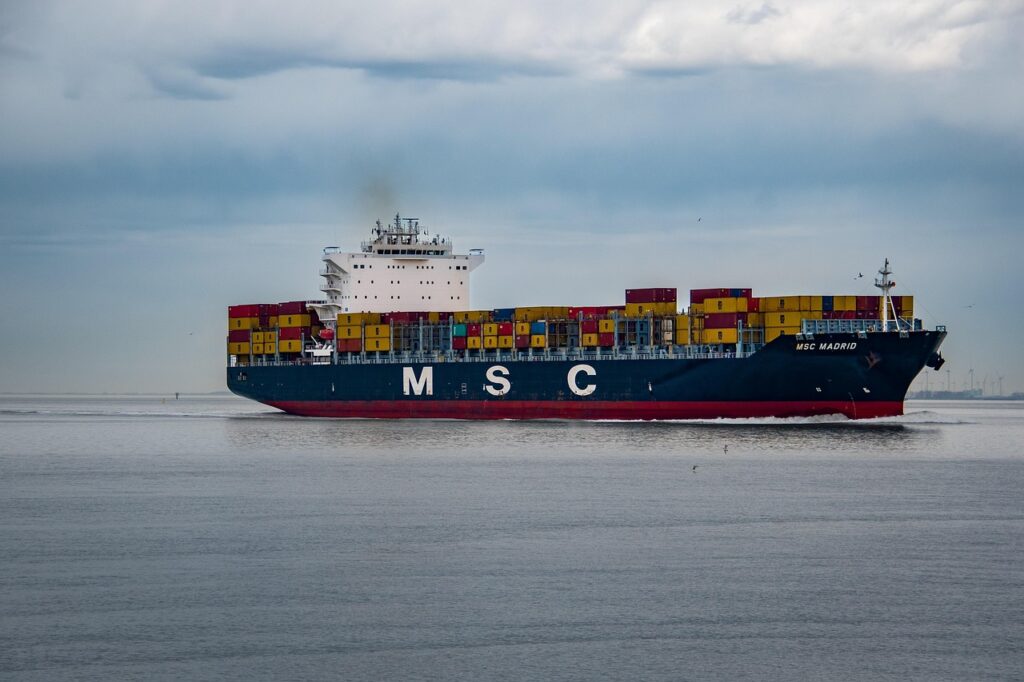
When people search for “msc shipping company,” they usually mean MSC Mediterranean Shipping Company, a major name in ocean container transport. For buyers, exporters, and light industrial suppliers, size is only part of the answer. What matters more is whether its network, booking process, local offices, and charges match your shipment. If you want to review freight basics before choosing a carrier, this shipping planning section can help you check the main moving parts.
A Family Owned Global Carrier
MSC was established in 1970, and the company still describes itself as independent and family owned. Its head office is in Geneva, Switzerland. This background matters in a basic way: MSC has grown by adding vessels, offices, and route coverage over many years. For a shipper, that can mean a carrier with a long-term network plan, not only a short-term reaction to freight market swings.
Scale That Changes Booking Choices
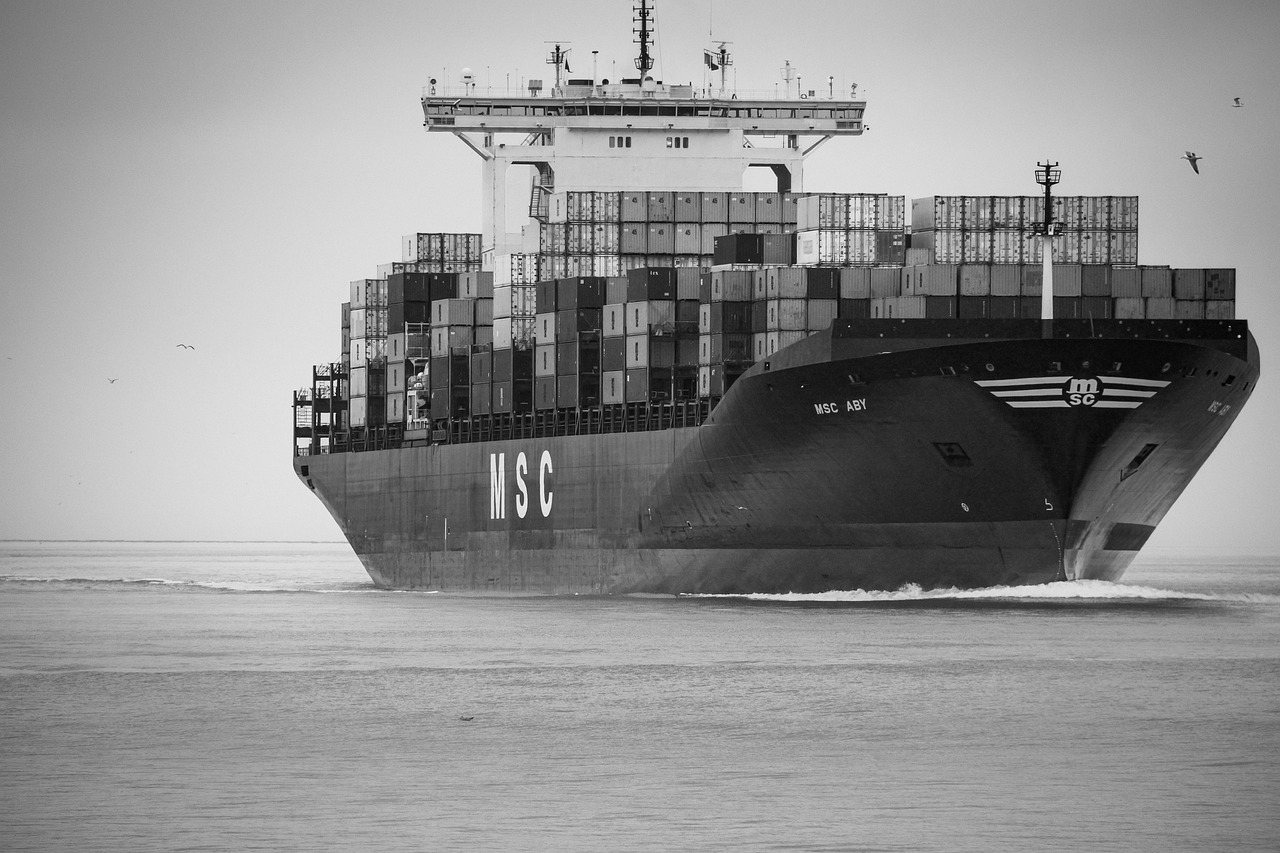
MSC’s own 2024 key figures on its About Us page list about 1,000 vessels, 300 routes, 520 ports of call, 155 countries, 675 offices, and an estimated 30 million TEUs carried each year. These figures are not just sales material. They affect real booking work, such as whether your forwarder can find space in peak season, whether a port pair has a direct or transshipment service, and whether a nearby office can handle the case instead of a faraway regional desk.
Services Beyond Port to Port
MSC is known first as an ocean carrier, but its public service pages also mention inland transportation, logistics, digital business tools, cargo cover, and air cargo. A small exporter may not need all of these services from MSC, and in many cases it is better to compare separate options. Still, it can help when one carrier can support rail, truck, terminal, and vessel coordination on a certain lane. A shipment of lighting parts from Ningbo to a U.S. inland warehouse, for example, usually needs more than a clean ocean bill of lading.
How Strong Is MSC Shipping Company Compared with Other Carriers?
Carrier strength is not decided by a logo. You need to look at capacity, route density, blank sailing risk, customer service, and local fee habits. A large carrier can be useful, but it is not always the right carrier for every container, port, or delivery date.
Fleet Size and Market Share
Alphaliner’s Top 100 carrier data, updated in July 2026, still placed MSC at the top of the global container carrier list. Public summaries of that data put MSC above 7.3 million TEU of operated capacity and around one fifth of the world liner fleet in TEU terms. The exact figure changes when new vessels join and chartered vessels leave. Treat it as a current market view, not as a fixed number that never moves.
Network Reach Across Trade Lanes
MSC’s network is clear on busy east-west lanes, Mediterranean routes, Africa trades, and many north-south services. For light industrial goods such as small appliances, hand tools, plastic products, fasteners, packaging materials, or display fixtures, this spread can be useful. One month you may need a standard 40-foot high cube, and the next month you may only need a small LCL plan. A wider network gives your forwarder more backup choices when one port pair gets tight.
Independent Strategy After 2M
MSC and Maersk ended the 2M alliance structure in 2025. That change matters because schedules, transshipment ports, and service branding no longer follow the same old setup. MSC has been building a more independent network, while Maersk works closely with Hapag-Lloyd in Gemini Cooperation. For shippers, old routing habits need to be checked again, because a lane that worked well two years ago may now use another hub or a different sailing day.
When Should You Choose MSC for Light Industrial Cargo?
MSC can fit cargo that needs scale, steady equipment supply, and common port pairs. It may be less suitable if the shipment needs a niche sailing, tight arrival control, or a port where another carrier has a better local team. Start with the cargo and the delivery promise, then choose the carrier.
Large Volume, Predictable SKUs
If you ship the same products every month, MSC’s scale can help you set up a repeat plan. Think of 10 to 30 containers of storage bins, cookware, office chairs, or LED fixtures leaving a main China port each month. A steady pattern gives your forwarder room to ask for named account rates, better free time, and more stable allocations. The biggest saving is not always the ocean rate; in many orders, it is fewer rolled containers before a retail delivery window.
Mixed Supplier Cargo Needs Care
Many light industrial exporters collect goods from three or four factories before loading. In that situation, the carrier is only one part of the job. You also need a warehouse cut-off, truck arrival plan, checked carton marks, and correct weights. MSC may carry the box, but your stuffing plan decides whether the shipment leaves without trouble. One late supplier with 60 cartons can make a clean booking messy by Friday afternoon, and this is normal export work, not an exception.
Routes Where Transit Time Fits the Sale
Do not choose a carrier only because it has a sailing this week. Compare the transit time with your sales promise, customs lead time, and inland leg. A lower freight rate can lose value if a transshipment adds seven days and your buyer charges late-delivery penalties. For cargo going to major ports, MSC may give you several workable options. For secondary ports, check whether the service is direct, feeder-based, or tied to a hub that often gets congested.
What Costs and Risks Should You Check Before Booking?
Ocean freight is not only the ocean freight line on a quote. The real cost can include origin charges, destination charges, bunker adjustment, peak season surcharges, equipment fees, demurrage, detention, chassis, customs exams, and truck waiting time. Some charges look small at first, but they add up quickly.
Spot Rates Move Faster Than Quotes
Drewry’s World Container Index on 13 August 2026 reported a rate of 4,339 U.S. dollars per 40-foot container, up 1% for the week, mainly because of higher Transpacific rates. The same Drewry tracker also reported 49 blank sailings expected across major east-west trades for weeks 34 to 38 of 2026, equal to a 7% cancellation rate. The point is simple. If your production date is still changing, a quote from Monday may not protect you by next Friday. See also: Food Packaging.
Free Time, D&D, and Local Charges
Before you accept an MSC booking, ask for free time at origin and destination in writing. For U.S.-related shipments, the Federal Maritime Commission’s demurrage and detention billing rule took effect in May 2024, with invoice requirements linked to the Ocean Shipping Reform Act. That rule does not remove every charge, and it cannot stop a terminal from becoming crowded. It does give U.S. shippers a clearer way to check whether an invoice includes the required information.
Reliability Needs a Backup Plan
Sea-Intelligence reported in November 2025 that global schedule reliability for October 2025 fell to 61.4%, while late vessel arrivals averaged 4.98 days. In the same release, MSC ranked third among the top 13 carriers for that month at 65.9% schedule reliability. These numbers are not a reason to avoid MSC. They are a reminder that vessels do not run like trains. If your buyer has a promotion date, leave a time buffer or keep a second carrier option ready.
How Can You Work with MSC More Smoothly?
A clean booking usually comes from basic discipline: correct cargo details, early documents, realistic cut-offs, and fast replies. It is not exciting work, but it saves money. The carrier can provide space and a schedule; you still need to make the container easy to move.
Confirm Cutoffs Before Production Ends
Ask for the CY cut-off, SI cut-off, VGM cut-off, and customs cut-off before the factory finishes packing. If your goods need fumigation, inspection, battery documents, or special labels, put those steps into the schedule. A common mistake is booking the sailing first and checking the paperwork later. That turns a normal export order into a rush job, and rush jobs are where small mistakes become expensive.
Prepare Documents with HS Codes and Weights
Your commercial invoice, packing list, booking details, and shipping instructions should match each other. HS codes, gross weight, carton count, consignee name, and notify party details need a careful check. A mismatch can delay the bill of lading or raise customs questions at destination. For heavier light industrial goods, such as metal brackets or ceramic bathroom accessories, the verified gross mass matters. A container that looks normal on paper can still become a problem at the terminal scale.
Track Containers and Plan Drayage Early
Use the carrier tracking system, but do not depend on one screen only. Your forwarder, trucker, terminal, and broker may each see a different part of the shipment. Plan destination drayage before the vessel arrives, especially during holiday weeks or peak retail seasons. If the container moves inland by rail, ask when the free time starts at the rail ramp. A cheap ocean move can become costly if the box sits there while nobody has booked a delivery appointment.
FAQ
Q1: Is MSC Shipping Company the Largest Container Carrier? A: Based on Alphaliner public carrier rankings in 2026, MSC remained the largest container carrier by operated TEU capacity.
Q2: Is MSC Good for Small Exporters? A: Yes, it can be, especially when your forwarder can reach the right local office, sailing, and equipment. Small exporters should still compare total charges, not only the sea freight rate.
Q3: Does MSC Handle Inland Transport? A: MSC lists inland transportation and logistics solutions among its services, but coverage depends on the country, port, and route. Always confirm the inland leg before booking.
Q4: Should You Choose MSC or Maersk? A: Choose by lane, schedule, cost, free time, and service record. MSC may fit one shipment better, while Maersk or another carrier may fit the next one.
Q5: What Is the Biggest Risk When Booking with MSC? A: The biggest risk is assuming that scale removes delays. Even large carriers face blank sailings, port congestion, weather, equipment shortages, and documentation problems.