How Corrugated Cardboard Rolls Influence Fire Risks in Industrial Production

Fire Crews Battle Blaze at Wednesfield Corrugated Cardboard Producer
A major fire at a Wednesfield corrugated cardboard producer highlights the inherent hazards of storing and processing paper-based packaging materials in industrial settings. Corrugated cardboard rolls, while efficient for logistics and manufacturing, present high combustible potential due to their cellulose structure and storage density. Industrial environments that handle these materials must adopt advanced engineering controls and strict operational practices to minimize ignition sources. The incident underscores the importance of integrating early detection systems, proper ventilation, and employee training to prevent rapid fire escalation in facilities where corrugated cardboard rolls are central to production.
Corrugated Cardboard Rolls in Industrial Settings
The use of corrugated cardboard rolls has become standard across packaging and manufacturing sectors. Their physical characteristics make them both useful and potentially dangerous when mishandled or improperly stored.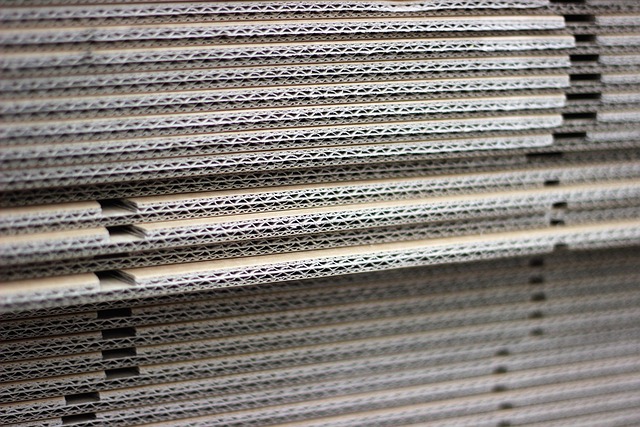
Composition and Structure of Corrugated Cardboard Rolls
Corrugated cardboard rolls consist of fluted paper sandwiched between linerboards, forming a lightweight yet rigid material ideal for packaging and protective wrapping. The fluted medium provides cushioning strength while maintaining flexibility for roll storage. However, this same structure contains air pockets that enhance oxygen flow during combustion. The high cellulose content and porous design contribute to their combustibility, making them more vulnerable to ignition than synthetic materials. Facilities storing large volumes of these rolls must therefore consider their thermal behavior when designing fire safety systems.
Applications of Corrugated Cardboard Rolls in Manufacturing
In industrial environments, corrugated cardboard rolls serve multiple roles—packaging, cushioning, interleaving between components, or forming part of automated box-making lines. They are often stored close to production machinery for efficiency, which increases the combustible load near heat-generating equipment. During cutting or slitting operations, fine dust particles accumulate on surfaces and in ventilation ducts. These particulates can ignite easily if exposed to sparks or static discharge. The combination of high throughput operations and continuous handling amplifies the fire risk profile within such facilities.
Fire Behavior Characteristics of Corrugated Cardboard Materials
The fire dynamics of corrugated cardboard differ significantly from those of solid wood or plastics due to its layered construction and airflow pathways within the flutes.
Thermal Decomposition and Ignition Properties
The ignition temperature of corrugated cardboard is relatively low compared with metals or polymers used in industrial machinery. Once ignited, its fluted core promotes airflow that accelerates combustion through convection currents inside the material layers. Moisture content also plays a decisive role; dry rolls ignite faster and burn hotter than those with residual humidity. In practice, even slight variations in ambient humidity can affect how quickly flames spread through stacked rolls.
The Role of Dust and Fiber Particulates in Fire Spread
Fine paper dust generated during processing acts as a secondary fuel source once airborne. Suspended particulates can create explosive atmospheres when mixed with air at certain concentrations. A single spark from an electrical arc or frictional contact may trigger flash fires that propagate rapidly through production areas. Effective dust extraction systems are essential not only for air quality but also for preventing ignition events linked to static buildup or mechanical sparks.
Industrial Factors That Amplify Fire Risks with Corrugated Cardboard Rolls
Several operational factors determine how quickly a small ignition can escalate into a full-scale blaze within facilities handling these materials.
Storage Density and Material Stacking Practices
Compact stacking reduces floor space but restricts ventilation between rolls, allowing heat pockets to form unnoticed. Vertical storage arrangements further complicate matters by creating chimney effects during combustion—flames rise rapidly through gaps between stacked rolls, drawing oxygen upward and intensifying burn rates. Poor segregation from ignition sources such as forklifts or welding zones increases the likelihood of cross-propagation once a fire starts.
Machinery Interaction and Heat Generation Sources
Cardboard processing lines involve numerous moving parts—cutting blades, rollers, conveyors—all capable of generating frictional heat sufficient to ignite nearby fibers or dust accumulations. Electrical faults remain another frequent cause; overloaded circuits or failing motors can reach temperatures above the autoignition point of paper fibers. When maintenance lapses occur, combustible residues like adhesive build-up around machine bases add further fuel potential during overheating incidents.
Fire Prevention Strategies in Facilities Handling Corrugated Cardboard Rolls
Mitigation requires a combination of engineering design improvements and disciplined operational controls focused on early detection and containment.
Engineering Controls for Fire Mitigation
Ventilation and Temperature Regulation Systems
Proper air circulation prevents localized heating within dense storage zones by dispersing trapped warm air before it reaches critical levels. Integrating temperature sensors into HVAC systems allows real-time monitoring so that thermal anomalies trigger alarms before flames appear. Facilities using automated climate control can stabilize humidity levels as well, reducing ignition sensitivity caused by overly dry conditions.
Fire Detection and Suppression Technologies
Optical flame detectors provide rapid response capability suited for paper-rich environments where smoke may develop late relative to open flame appearance. Water mist systems deliver fine droplets that cool burning surfaces without saturating materials excessively, while foam-based suppression limits re‑ignition after initial extinguishment by forming insulating barriers over hot embers.
Operational Controls and Safety Protocols
Material Handling Procedures
Safe distance standards should separate cardboard storage areas from active machinery zones by several meters depending on local regulations such as NFPA 230 guidelines for storage of combustible materials. Using antistatic devices during roll handling reduces electrostatic charge accumulation that might otherwise discharge near flammable dust clouds.
Employee Training and Emergency Preparedness
Personnel must recognize early warning signs like faint smoke odor or unusual heat radiating from stacked rolls. Routine evacuation drills reinforce quick decision-making under pressure when dealing with fast-spreading fires involving lightweight combustible goods. Training programs should include correct extinguisher use tailored for Class A fires common in paper facilities.
Assessing Post‑Incident Implications for Industrial Production Sites
After containment of a major blaze like the one at Wednesfield, technical evaluation focuses on both structural integrity and recovery planning.
Structural Damage Assessment After a Fire Event
High-intensity cardboard fires produce sustained heat capable of warping steel trusses or weakening composite wall panels beyond visible charring zones. Post-fire inspections must include infrared thermography to detect latent heat stress within metal frameworks supporting conveyors or mezzanines where loads remain suspended overhead.
Environmental and Operational Recovery Considerations
Burned corrugated materials release soot particles requiring specialized cleanup using HEPA filtration vacuums rather than conventional sweeping methods that resuspend debris into the air. Production downtime during restoration disrupts supply chains reliant on just-in-time packaging delivery schedules, leading to contractual penalties or insurance claims adjustments. Revising risk management plans post-incident helps facilities identify process changes necessary to reduce recurrence probability—such as relocating high-density roll storage away from electrical rooms or installing spark arrestors on cutting units.
FAQ
Q1: Why are corrugated cardboard rolls considered highly combustible?
A: Their composition includes cellulose fibers arranged in fluted layers that trap air, allowing oxygen flow which accelerates burning once ignited.
Q2: What common industrial activities increase fire risks around these materials?
A: Cutting, slitting, laminating, or conveying processes generate frictional heat and dust particles capable of igniting under sparks or static discharge.
Q3: How does moisture content affect ignition behavior?
A: Drier rolls ignite faster because low humidity reduces water’s natural cooling effect on fiber surfaces during exposure to heat sources.
Q4: Which detection systems work best in paper-processing environments?
A: Optical flame detectors combined with temperature sensors provide early alerts suitable for fast-burning cellulosic fires typical in packaging plants.
Q5: What long-term measures help prevent recurrence after an incident?
A: Implementing improved ventilation layouts, upgrading suppression systems to water mist technology, enforcing strict housekeeping routines, and conducting regular staff training all contribute to sustained fire resilience in facilities handling corrugated cardboard rolls.