Can Bubble Wrap For Packing Be Recycled At Goodwill Effectively
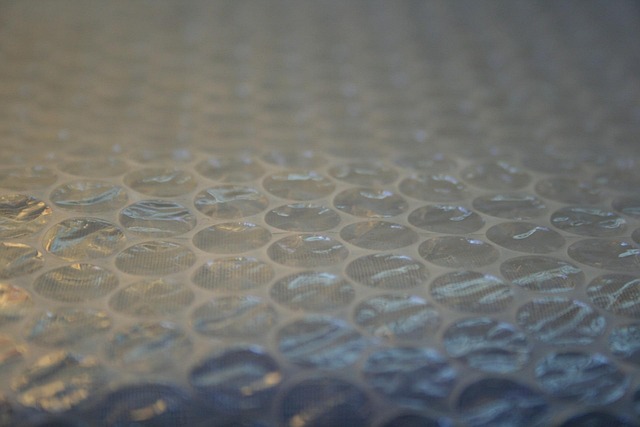
Bubble Wrap, Packing Film and Some Grocery Bags Can Now Be Recycled at Goodwill
Goodwill’s recycling programs have evolved beyond traditional clothing and household items. The organization now accepts soft plastics such as bubble wrap for packing, packing film, and grocery bags. This expansion reflects a broader industry trend toward circular material management. For professionals in waste management and sustainability, this marks a significant operational shift: Goodwill is becoming a key node in local plastic recovery networks. By partnering with specialized recyclers, it transforms materials once destined for landfills into reusable resources.
The Role of Goodwill in Recycling Programs
Goodwill’s recycling initiatives have expanded to include diverse materials beyond textiles. This evolution is rooted in partnerships with municipal waste agencies and private recyclers that handle complex waste streams like soft plastics.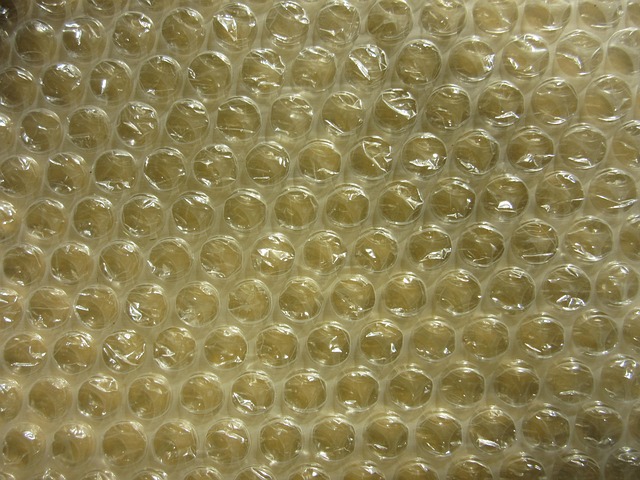
The Expansion of Goodwill’s Recycling Capabilities
Goodwill collaborates with regional recycling facilities to integrate its donation centers into local waste diversion systems. These partnerships allow the organization to collect items such as bubble wrap for packing, polyethylene film, and grocery bags alongside traditional donations. Once collected, these materials are sorted by type and quality before being compacted into bales for transport to processing plants. The logistics rely on consistent donor participation and efficient back-end coordination between stores and recyclers.
Types of Materials Accepted by Goodwill for Recycling
Soft plastics accepted by Goodwill generally include LDPE-based films—bubble wrap, shrink wrap, pallet film, and single-use grocery bags. However, not all flexible packaging qualifies. Laminated mailers or heavily printed films often contain mixed polymers that complicate recycling. Cleanliness is critical; any food residue or adhesive contamination can degrade bale quality. Donors are advised to remove labels or tape before drop-off to maintain purity standards required by downstream processors.
The Recyclability of Bubble Wrap for Packing
Bubble wrap poses unique challenges due to its air-filled structure but remains recyclable when properly processed through specialized LDPE recovery systems.
Composition and Material Properties of Bubble Wrap
Bubble wrap is primarily composed of low-density polyethylene (LDPE), a thermoplastic polymer known for flexibility and moisture resistance. Its recyclability depends on maintaining polymer integrity during collection and processing. Additives like colorants or anti-static coatings can alter melting points or introduce impurities during extrusion. Because the material traps air pockets, mechanical recycling requires compression before shredding or pelletizing to reduce volume inefficiencies.
Recycling Pathways for Bubble Wrap at Goodwill
At Goodwill facilities equipped with soft plastic programs, collected bubble wrap is consolidated with other LDPE films and processed using compression balers. These machines reduce bulk volume by up to 90%, making transportation cost-effective for partner recyclers. Once delivered to specialized facilities, the material undergoes washing, granulation, and re-extrusion into pellets used in new packaging products or composite lumber applications. Quality control teams inspect batches to ensure minimal contamination levels before shipment.
Environmental Implications of Recycling Bubble Wrap Through Goodwill
The environmental benefits of diverting bubble wrap from landfills extend across carbon reduction metrics and resource conservation efforts.
Reduction in Landfill Waste and Carbon Footprint
Each ton of recycled LDPE saves roughly 1.75 tons of CO₂ emissions compared to producing virgin plastic from fossil feedstocks (IEA Plastics Report 2022). By channeling soft plastics through Goodwill’s network, communities reduce landfill volume while conserving energy otherwise consumed in raw polymer synthesis. Over time, these localized efforts contribute measurable reductions in municipal solid waste burdens.
Contribution to Circular Economy Initiatives
Recovered LDPE from bubble wrap re-enters manufacturing cycles as film sheeting or recycled-content mailers, supporting closed-loop production models promoted by ISO 14040 life-cycle assessment frameworks. Economically, this creates secondary market value streams for post-consumer plastics while aligning with extended producer responsibility (EPR) goals adopted by major packaging firms. Such integration strengthens regional circular economy infrastructure where nonprofit organizations act as intermediaries between consumers and industry recyclers.
Practical Considerations for Effective Recycling at Goodwill Locations
For donation centers handling both goods and recyclables, operational consistency matters as much as public education.
Preparation Guidelines for Donors and Businesses
Donors should ensure bubble wrap is clean, dry, and free from adhesive residues or paper labels before drop-off. Businesses generating large volumes—such as e-commerce warehouses—are encouraged to bundle material into manageable rolls secured with recyclable ties. Compatible materials include grocery bags or shrink films made from LDPE; incompatible ones include metallicized pouches or PVC-based wraps that disrupt sorting lines.
Regional Variations in Goodwill’s Recycling Programs
Acceptance policies differ across regions depending on local recycling infrastructure. Urban centers with established film recovery partners may accept a broader range of soft plastics than rural branches lacking nearby processors. Local market demand also influences feasibility; when resin buyers fluctuate, collection programs may temporarily pause intake of certain grades like colored films or mixed laminates. Verifying local guidelines ensures that donations contribute effectively rather than creating downstream sorting burdens.
Technological Innovations Supporting Soft Plastic Recycling
The success of programs like Goodwill’s depends heavily on advances in sorting technologies and evolving chemical recovery methods that expand what can be recycled economically.
Advances in Sorting and Processing Technologies
Modern facilities use optical sorters equipped with near-infrared sensors capable of distinguishing LDPE from other resins based on spectral signatures (IEEE Sensors Journal 2023). Density separation tanks further refine purity levels before extrusion. Artificial intelligence systems now monitor contamination patterns in real time, improving yield consistency across batches—a crucial advantage given the variability of post-consumer inputs collected through community channels.
Future Prospects for Sustainable Packaging Recovery at Retail Donation Centers
Looking ahead, retail donation centers could expand beyond bubble wrap collection to include other flexible packaging types such as stretch sleeves or agricultural films. Collaboration among manufacturers, recyclers, and nonprofits will be essential to scale these models sustainably. Policy frameworks emphasizing closed-loop packaging—like the EU Circular Plastics Alliance roadmap—are likely to shape future program design within North American contexts as well.
FAQ
Q1: Can all types of bubble wrap be recycled at Goodwill?
A: Only clean LDPE-based bubble wrap without metallic coatings or heavy dyes is accepted; mixed-material versions are excluded due to processing limits.
Q2: Does every Goodwill location accept soft plastics?
A: No, participation varies regionally depending on available recycling partners; donors should confirm acceptance lists locally before drop-off.
Q3: What happens after bubble wrap is collected?
A: It is compacted using balers then shipped to specialized facilities where it’s washed, shredded, melted into pellets, and reused in new products.
Q4: Why is cleanliness important when donating soft plastics?
A: Contaminants like food residue or tape interfere with extrusion quality during recycling; clean material maintains higher resale value.
Q5: How does this initiative support sustainability goals?
A: It reduces landfill dependency, cuts carbon emissions linked to virgin plastic production, and promotes circular reuse within local economies.