How Does Honey Packaging Adapt to the New Labelling Change in France

Labelling Change for Honey Sold in France
France’s new honey labelling regulation marks a decisive shift toward full transparency in food origin disclosure. The reform obliges honey producers to clearly indicate the country or countries of origin on packaging, particularly for blended honeys. This measure aims to strengthen consumer confidence, align national practices with European Union standards, and promote traceability across the entire supply chain. For producers, it means redesigning packaging, updating traceability systems, and managing operational costs. Yet beyond compliance, this change could serve as a marketing advantage—especially for local beekeepers emphasizing authenticity and provenance.
Overview of the New Honey Labelling Regulation in France
The introduction of this regulation reflects a broader movement within the EU to improve product transparency. French authorities have positioned the reform as both a consumer-rights initiative and an agricultural policy measure supporting local production.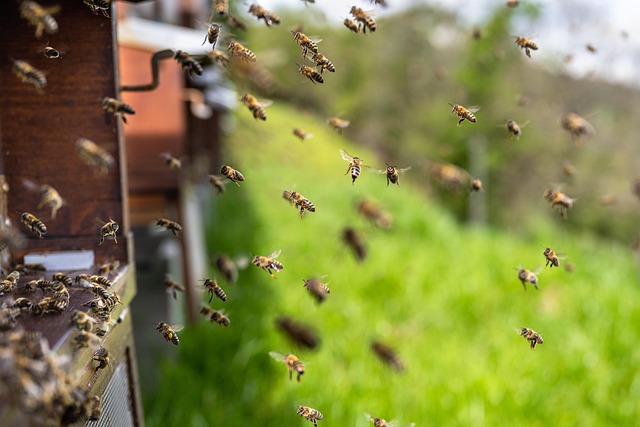
Legislative Background and Objectives
The French Ministry of Agriculture initiated the update after several years of debate over misleading “EU/non-EU” origin labels. The new rule requires that all honey sold in France display precise origin information, ending ambiguity for blended products. Its objectives include improving transparency, protecting consumers from deceptive practices, and reinforcing traceability within the apiculture sector. This aligns with EU Directive 2001/110/EC on honey composition and labelling standards, ensuring consistency across member states.
Key Requirements Introduced by the New Regulation
Producers must now list every country contributing to a blend in descending order by weight. Labels must use legible font sizes proportional to packaging dimensions and be placed where consumers can easily read them without turning the jar. Transitional provisions allow existing stock to remain on shelves for a limited period—typically six months—before full enforcement begins. This timeline gives manufacturers space to adjust their honey packaging processes without disrupting distribution.
Implications of the Labelling Change for Honey Producers
For producers, compliance involves more than printing new stickers; it redefines how information is communicated through design and supply chain coordination. Adjustments must balance legal precision with brand aesthetics.
Adjustments in Packaging Design and Production Processes
Honey packaging will require redesigns that accommodate detailed origin declarations while preserving brand identity. Producers exporting to multilingual markets may integrate region-specific translations or QR codes linking to digital product passports. Companies using pre-printed jars must also reconsider inventory cycles since outdated stock could become non-compliant overnight.
Cost and Operational Considerations for Producers
Re-labelling costs vary depending on production scale. Small apiaries might rely on manual labelling updates, while industrial packers face higher expenses due to automated line modifications and bulk material replacement. To minimize waste during transition phases, some firms are introducing modular label designs that allow flexible updates without discarding entire print runs. For small-scale beekeepers, these costs may represent a significant share of revenue compared with large processors who benefit from economies of scale.
The Role of Traceability Systems in Complying with the Regulation
Traceability has become central to regulatory compliance in food industries worldwide. In honey production, it serves not only legal purposes but also as proof of authenticity—a growing concern amid global adulteration scandals.
Enhancing Supply Chain Transparency Through Technology
Digital tools such as blockchain-based ledgers or QR-coded batch tracking systems are being explored by major honey exporters to document each step from hive to shelf. These technologies allow verification of harvest location, processing facility, and blending details in real time. Such data collection strengthens credibility when inspected by regulators or third-party auditors.
Collaboration Between Beekeepers, Packers, and Distributors
Accurate labelling depends on consistent documentation flow among stakeholders. Beekeepers must record harvest data; packers must consolidate it into traceable batches; distributors need access to verified records before retail release. Coordination mechanisms—shared databases or cooperative certification programs—help maintain data integrity throughout the supply chain.
Packaging Innovation Driven by Regulatory Compliance
While regulations can feel restrictive at first glance, they often stimulate innovation in design and communication strategies within industries like food packaging.
Evolution Toward Smart and Informative Packaging Solutions
Smart labels are emerging as practical solutions combining compliance with consumer engagement. By scanning a code on honey packaging, buyers can view detailed origin maps or beekeeper profiles online. Some brands are also adopting eco-friendly containers made from recycled glass or biodegradable films—aligning sustainability goals with regulatory obligations.
Balancing Aesthetic Design with Legal Obligations
Producers face the challenge of fitting mandatory text onto small jars without cluttering visuals or compromising readability. Techniques such as wrap-around labels or layered peel-back stickers allow more space for storytelling while meeting legal font-size requirements. Maintaining visual coherence ensures that compliance doesn’t dilute brand value but rather enhances perceived authenticity.
Market Impact and Consumer Perception Under the New Rules
Market dynamics are shifting as transparency becomes a selling point rather than just an obligation. Consumers increasingly associate clear labelling with ethical sourcing and quality assurance.
How Transparent Labelling Influences Consumer Trust and Choice
Research across European markets shows that explicit origin disclosure influences purchasing behavior toward local products. In France, where regional identity carries cultural weight, single-origin honeys from Provence or Corsica may gain premium positioning once blends reveal foreign components more clearly on labels.
Competitive Dynamics Among Domestic and Imported Honey Brands
French beekeepers could benefit from greater visibility now that imported blends must disclose origins like China or Argentina individually instead of generically stating “non-EU.” Importers managing multi-origin mixes face logistical challenges updating labels per batch variation, which may reduce their competitiveness against domestic producers emphasizing traceable provenance.
Strategic Adaptation Pathways for Industry Stakeholders
Adapting effectively requires not just technical adjustments but strategic foresight across production planning, marketing communication, and stakeholder collaboration.
Recommendations for Compliance Planning and Implementation
Companies should begin by conducting internal audits comparing current packaging against new legal templates to identify conformity gaps early. Consulting legal experts familiar with EU food law can prevent costly misinterpretations during rollout phases. Certification bodies can also assist in validating traceability documentation before inspection deadlines approach.
Long-Term Opportunities Beyond Compliance
Forward-looking producers treat this regulation not merely as an administrative hurdle but as an opportunity to differentiate through transparency-driven branding. Highlighting verified sourcing stories or environmental commitments transforms compliance into a trust-building narrative that resonates with discerning consumers seeking authenticity in premium food segments.
FAQ
Q1: What is the main purpose of France’s new honey labelling regulation?
A: It aims to provide transparent information about honey origins, improve traceability across supply chains, and align national rules with EU directives on food labelling standards.
Q2: Which products are most affected by this change?
A: Blended honeys containing multiple origins face the biggest adjustments since they must list each contributing country clearly on packaging.
Q3: When does full enforcement take effect?
A: Producers typically have several months after publication to sell existing stock before all new labels must comply fully with updated requirements.
Q4: How will this impact imported honey brands?
A: Importers will need precise documentation for each blend component; failure to provide accurate origin details could limit market access in France.
Q5: Can advanced technology help meet these requirements?
A: Yes, digital traceability tools like blockchain systems or QR-coded batch tracking can simplify data management while reinforcing consumer trust through verifiable sourcing transparency.