Is Automated Packaging Defining the Next Era of VFFS Technology

Case Study: Automated Cartoning for Multi-Format Vaccine Packaging
Automation has redefined how vaccines are packaged, making precision and flexibility central to production. A modern cartoning machine can now handle multiple vial, syringe, and ampoule formats without extensive mechanical changeovers. This adaptability not only reduces downtime but also supports compliance with stringent pharmaceutical standards. The case study below explores how multi-format automation in vaccine packaging enhances efficiency, maintains product integrity, and aligns with evolving Industry 4.0 trends.
The Role of Cartoning Machines in Multi-Format Vaccine Packaging
Automated cartoning systems have become indispensable in pharmaceutical manufacturing. Their ability to manage diverse packaging configurations with accuracy directly impacts production throughput and quality control outcomes.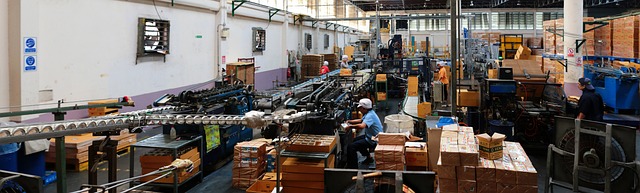
Overview of Automated Cartoning in Pharmaceutical Manufacturing
Automation brings uniformity to packaging lines by eliminating human error in repetitive tasks. In vaccine production, where sterility and precision are critical, cartoning machines execute consistent folding, insertion, and sealing operations that meet GMP standards. These systems integrate seamlessly with upstream filling and labeling units as well as downstream inspection modules, creating a continuous packaging flow that minimizes manual handling.
Importance of Flexibility in Vaccine Packaging Operations
Vaccine manufacturing rarely deals with a single format. Production lines often switch between 1 ml vials, prefilled syringes, or multi-dose ampoules within the same shift. Flexible cartoning machines use servo-driven components and modular tooling to accommodate these variations quickly. The ability to perform rapid changeovers—sometimes within minutes—allows facilities to maintain productivity even during small-batch or emergency vaccine runs.
Core Mechanisms of a Cartoning Machine for Multi-Format Applications
Understanding the internal mechanics of a cartoning machine reveals how it achieves both precision and adaptability across different formats.
Structural Design and Functional Components
A typical system includes carton erectors that form blanks into open cartons, product inserters that position vials or syringes accurately, and sealing units that close cartons securely. Servo motors regulate each motion axis for precise alignment and speed control. Modular architecture makes it possible to reconfigure layouts when new vaccine presentations are introduced without replacing entire assemblies.
Automation and Control Systems Integration
Modern machines rely on PLC-based control systems to synchronize every stage—from carton forming to final sealing. Operators interact through an HMI panel that displays real-time parameters such as temperature, torque, or feed rate. Integration with vision inspection ensures each product is correctly placed and oriented before sealing, meeting regulatory expectations for traceability.
Enhancing Efficiency Through Format Flexibility and Changeover Optimization
Efficiency gains stem largely from minimizing downtime during format transitions. Advanced automation enables seamless switching between product types while maintaining consistent output quality.
Rapid Format Switching Techniques
Tool-less mechanisms allow operators to swap guides or feeders without specialized tools. Pre-programmed recipes stored in the control system adjust dimensions automatically for different vial diameters or carton sizes. Digital calibration functions record optimal settings so repeat batches can be reproduced identically later.
Reducing Downtime During Production Transitions
Predictive maintenance software monitors wear patterns on belts or actuators and alerts technicians before breakdowns occur. Real-time diagnostics pinpoint bottlenecks—whether due to misfeeds or vacuum loss—so corrective action can be taken immediately. Standardized workflows shorten training time for operators managing frequent format changes.
Quality Assurance in Automated Vaccine Cartoning Processes
Maintaining vaccine integrity during packaging is vital since even minor mishandling can compromise efficacy or sterility.
Ensuring Product Integrity During Packaging
Gentle mechanical handling prevents glass breakage or label scuffing on delicate containers. Controlled insertion systems use vacuum pickers or grippers that apply minimal pressure while keeping alignment accurate within microns. Inline sensors verify each item’s presence before closure, avoiding empty or double-filled cartons.
Compliance with Pharmaceutical Packaging Standards
Cartoning equipment must comply with global GMP frameworks such as those defined by ISO 15378 for primary packaging materials of medicinal products. Serialization modules print unique identifiers on each carton for end-to-end traceability through distribution networks. Non-conforming packs detected by inspection cameras are automatically diverted without halting the line.
Integration with Upstream and Downstream Packaging Equipment
True automation value emerges when the cartoner functions as part of an interconnected line rather than an isolated unit.
Synchronization with Filling, Labeling, and Inspection Lines
Data exchange between filling machines, labelers, and cartoners keeps throughput balanced across all stages. Coordinated timing avoids product accumulation at transfer points while maintaining consistent spacing on conveyors. Centralized control allows supervisors to monitor performance metrics from a single dashboard across multiple stations.
End-of-Line Automation Enhancements
Once cartons are sealed, robotic arms can load them directly into cases or onto pallets downstream. These robots handle repetitive lifting tasks safely while improving stacking accuracy compared to manual labor. Smart conveyors equipped with variable-speed drives adjust automatically to prevent collisions between successive batches during transfer.
Data Analytics and Performance Monitoring in Cartoning Operations
Digitalization has turned packaging lines into data-rich environments where continuous improvement is driven by analytics rather than intuition alone.
Leveraging Production Data for Continuous Improvement
Real-time dashboards display key indicators such as cycle time variance or reject ratios. Visualization tools help engineers identify inefficiencies like feeder delays or inconsistent sealing pressure. Historical trend data supports predictive maintenance planning based on actual wear cycles rather than fixed schedules.
Implementing Industry 4.0 Technologies in Packaging Lines
IoT-enabled sensors transmit operational data securely to cloud platforms where AI models analyze performance under varying loads or environmental conditions. These insights guide fine-tuning of servo speeds or vacuum pressures automatically through closed-loop feedback systems. Remote monitoring capabilities also allow supervisors at separate sites to review machine health reports instantly.
Future Trends in Automated Vaccine Cartoning Technology
The next generation of cartoners will combine robotics, adaptive control logic, and sustainable materials science to meet both operational and environmental goals.
Advancements in Robotics and Adaptive Motion Control
Collaborative robots (cobots) equipped with force sensors can work beside human technicians during small-batch packaging runs without safety cages. Adaptive motion algorithms modify trajectories dynamically when detecting irregular vial orientations or unexpected resistance—maintaining flow without stoppage.
Sustainable Packaging Innovations for Vaccines
Manufacturers are shifting toward recyclable paperboard cartons sourced from certified forests while still achieving required barrier properties against moisture or light exposure. Energy-efficient servo drives reduce electricity consumption per cycle by up to 20 percent compared with older pneumatic systems—a measurable benefit both economically and environmentally.
FAQ
Q1: What makes a cartoning machine suitable for multi-format vaccine packaging?
A: Its modular design allows quick adaptation between different container types like vials or syringes without major hardware changes.
Q2: How do automated cartoners maintain sterility during operation?
A: They employ enclosed transfer paths and controlled insertion mechanisms that minimize contact while preserving aseptic conditions throughout packaging stages.
Q3: What role does predictive maintenance play in vaccine packaging lines?
A: It detects early signs of component fatigue using sensor data so maintenance can occur proactively instead of after costly unplanned stops.
Q4: Are modern cartoners compatible with serialization requirements?
A: Yes, integrated printing modules generate unique codes on each carton enabling full traceability under global pharmaceutical regulations.
Q5: How is sustainability addressed in current cartoning technology?
A: Manufacturers adopt eco-friendly carton substrates and low-energy servo systems that cut emissions without sacrificing line performance efficiency.