Fish food packaging guide for seafood, fish feed, and shelf life
Fish food packaging is not a single universal pouch, tray, or bag. Fresh fillets, frozen portions, smoked fish, shelf-stable seafood, dried snacks, aquarium fish food, and aquaculture feed all call for different levels of oxygen barrier, moisture control, seal strength, labeling space, and cold-chain support. The basic job is similar: protect a protein-rich product that can spoil quickly, absorb odors, leak liquid, or lose quality when exposed to oxygen, light, heat, and humidity. Packaging can extend usable quality, but it cannot replace hygienic processing, verified food-contact materials, correct storage temperature, or truthful labels. For buyers and packaging specifiers, the right starting point is the product form and hazard profile, followed by materials and formats that fit distribution, retail display, and end-of-life goals.
For more related industry topics, see our food packaging section.
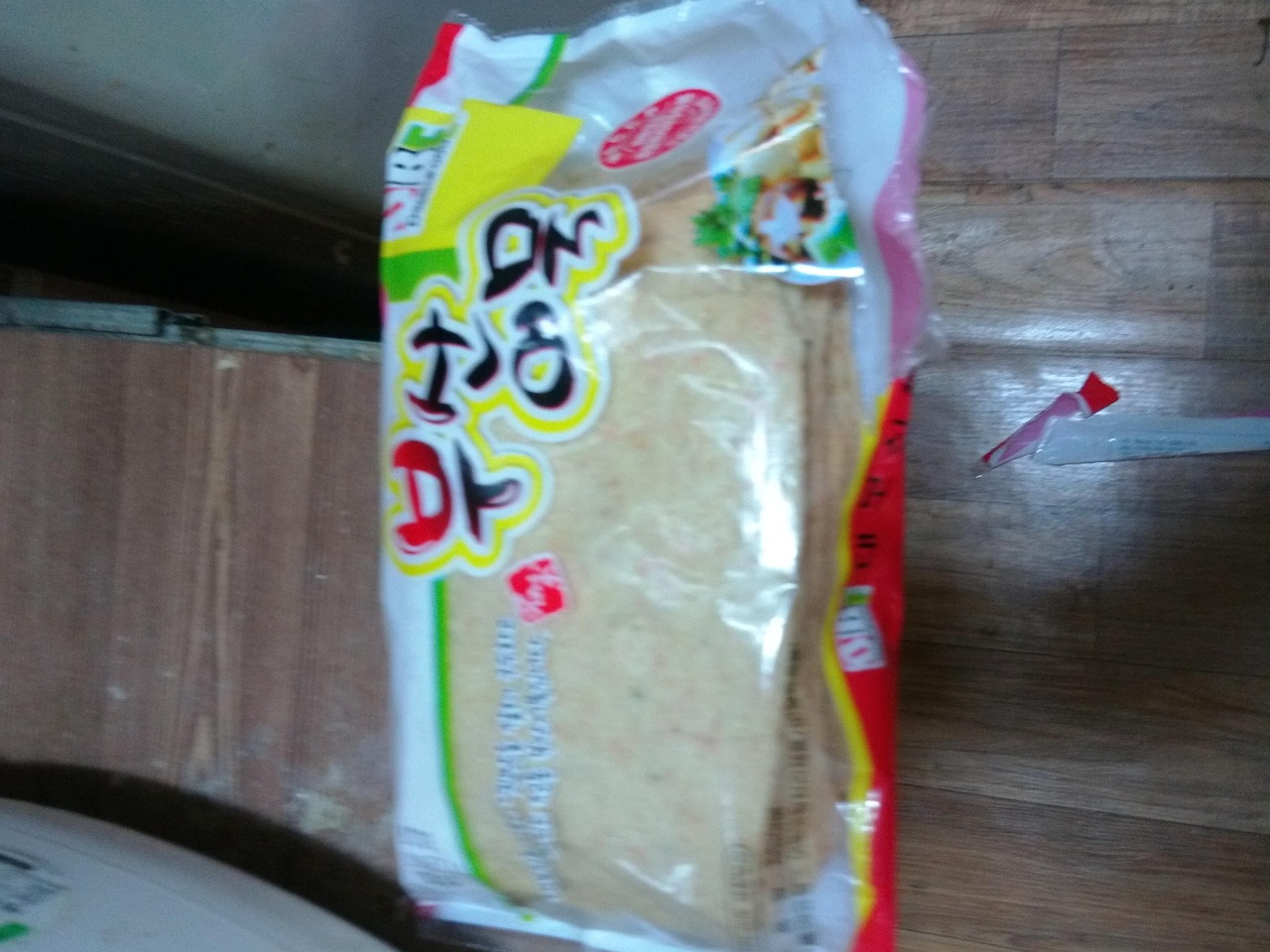
What fish food packaging must protect against
Fish and fish-based products are sensitive because they often combine high moisture, delicate texture, active enzymes, unsaturated fats, and strong aroma. For human seafood, the most visible packaging risk is microbial growth if temperature control fails. For feed and aquarium fish food, the main quality risks are moisture pickup, rancidity, pellet breakage, insect entry, and nutrient loss during storage.
Public guidance from the U.S. Food and Drug Administration, the FDA Food Code, FAO and Codex fishery product guidance, and AAFCO pet food labeling resources all point to the same practical principle: packaging should be suitable for the product, clean, durable, accurately labeled, and managed as part of the wider safety system. In other words, the package is not just a marketing surface. It is part of the product’s safety and quality design.
Key protection goals usually include:
- Oxygen control to slow rancidity, color change, and odor development.
- Moisture control to reduce freezer burn, caking, mold risk, soggy textures, or dried-out product.
- Leak resistance for chilled seafood, marinated fish, and thawing frozen portions.
- Puncture and abrasion resistance for bones, shells, ice crystals, pellets, or bulk feed handling.
- Odor barrier so fish aroma does not migrate through the supply chain or into nearby products.
- Legible label space for handling instructions, allergens, species name, lot code, net quantity, storage conditions, and claims.
Match the package to the product format
The phrase fish food packaging can refer to very different products. A pack that works for frozen salmon portions may be unsuitable for dry ornamental fish flakes, and a bulk aquaculture feed sack has different performance priorities from a retail seafood tray. The first specification decision should therefore be product format, not material preference.
Fresh and chilled fish
Fresh and chilled fish packaging is usually designed around cold-chain visibility, drip management, and rapid turnover. Common formats include trays with absorbent pads and lidding film, modified atmosphere packs, paperboard sleeves over trays, and leak-resistant bags for service counters. For chilled display, the pack must tolerate low temperatures, wet surfaces, stacking pressure, and consumer handling. Clear film helps shoppers inspect the product, but the pack still has to protect against contamination and liquid leakage.
For chilled seafood, packaging should never be treated as a substitute for time and temperature control. If a product requires refrigeration, the label and the supply-chain process should make that requirement obvious. This is especially important for higher-risk formats such as ready-to-eat smoked fish, raw fillets, and products sold under reduced oxygen conditions.
Frozen fish and vacuum-packed portions
Frozen fish packaging focuses on freezer burn prevention, oxygen reduction, ice crystal damage, and thawing instructions. Vacuum pouches, skin packs, pillow bags, carton sleeves, and bag-in-box formats are common. A tight pack can reduce dehydration and help protect flavor, but reduced oxygen conditions require careful safety controls. The FDA Food Code 2022 states that, in a food establishment context, fish should not be packaged using reduced oxygen packaging unless it is frozen before, during, and after packaging and labeled to be kept frozen until use. That rule reflects the specific concern that some hazards can grow in low-oxygen, refrigerated environments.
Good frozen fish packaging also needs strong seals. Small pinholes can cause dehydration, frost buildup, odor transfer, and consumer complaints. Where sharp edges, bones, or ice crystals are present, film thickness and puncture resistance can matter as much as oxygen barrier values.
Shelf-stable seafood and retort packs
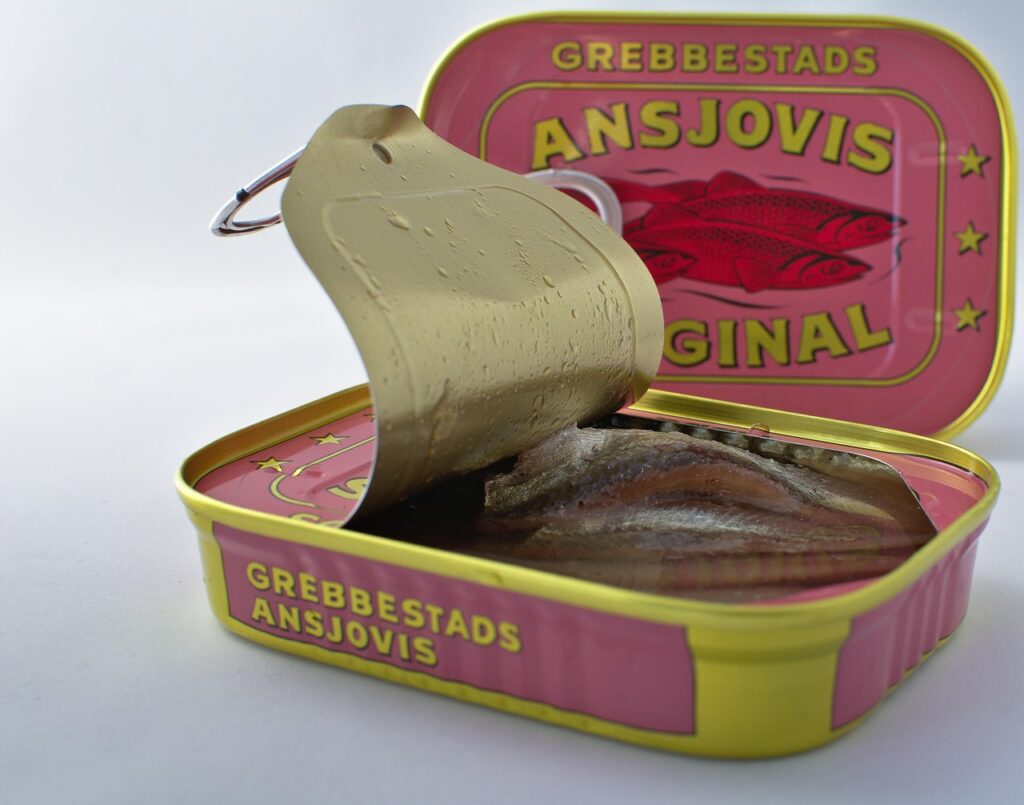
Canned fish, retort pouches, and shelf-stable fish meals place the heaviest demands on heat resistance and seal integrity. Materials must survive thermal processing, distribution, and long storage without delamination, corrosion, or migration problems. Compared with a simple chilled tray, the packaging specification normally requires closer coordination among the processor, packaging converter, filling line, and process authority. The pack must work with the validated thermal process, not merely look suitable on a shelf.
Dried fish, snacks, flakes, and feed
Dried fish products and fish feed depend less on refrigeration, but they are more exposed to humidity, oxygen, and physical damage. Dried seafood snacks need a moisture barrier to keep texture stable. Aquarium fish flakes need crush protection and resealability. Aquaculture feed sacks need strength for palletizing, storage, and farm handling, often with a liner to reduce moisture pickup. FAO feed guidance describes packaging for finished feed as a way to protect against light, moisture, and environmental contamination while also communicating manufacturer identity, feed type, intended species, and instructions.
Safety and compliance points that affect design
Safety rules differ by country, sales channel, and product type, so packaging teams should confirm the requirements for the market where the product is sold. Even so, several compliance themes appear consistently in public guidance.
First, food-contact suitability matters. In the United States, the FDA regulates substances that come into contact with food, including packaging materials. In the European Union, food contact materials are controlled under general food-contact rules and, where applicable, material-specific regulations such as those for plastics. For fish packaging, this means films, trays, coatings, adhesives, inks, absorbent pads, and labels that touch the product or may transfer substances to it should be assessed for the intended use conditions.
Second, label accuracy is not optional. Seafood labels must not misidentify the species, net weight, storage condition, origin claim, or processing method. FAO and Codex guidance highlights that fishery packaging and labels should meet appropriate labeling and weight standards, and that labels in direct contact with fish should use suitable non-absorbent materials and approved inks or dyes where required by the relevant authority.
Third, animal feed and pet food are not labeled in the same way as human seafood. For U.S. pet food and specialty pet food, AAFCO resources describe required label elements such as product and brand name, intended species, quantity statement, guaranteed analysis, ingredient statement, nutritional adequacy information where applicable, feeding directions where required, and manufacturer or distributor details. AAFCO model rules are not themselves federal law, and state feed control officials have legal authority in their jurisdictions, so brands should check state requirements before printing finished packaging. See also: Eco Packaging.
Material choices and performance trade-offs
There is no single best material for fish food packaging. The right choice depends on whether the product is wet or dry, chilled or ambient, raw or cooked, retail or bulk, and short-life or long-life. A practical material review should compare barrier, sealability, machine performance, cost, recyclability, print quality, and regulatory status.
| Format | Common packaging options | Main performance needs |
|---|---|---|
| Fresh fillets | Tray and lidding film, absorbent pad, sleeve | Leak control, visibility, cold-chain durability, food-contact compliance |
| Frozen portions | Vacuum pouch, skin pack, pillow bag, carton | Oxygen control, puncture resistance, freezer burn reduction, thawing instructions |
| Smoked or ready-to-eat fish | Vacuum pack, high-barrier film, printed sleeve | Microbial control, traceability, strong seals, clear use-by and storage labeling |
| Canned or retorted fish | Metal can, retort pouch, tray | Thermal process compatibility, seal integrity, long shelf life, corrosion or delamination resistance |
| Dried seafood snacks | High-barrier pouch, sachet, paperboard with liner | Moisture barrier, aroma control, crispness, tamper evidence |
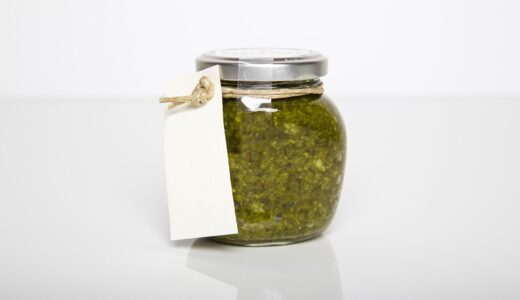
| Aquarium fish food | Jar, stand-up pouch, sachet, small carton with liner | Moisture control, resealability, aroma retention, easy dosing |
| Aquaculture feed | Woven sack with liner, multiwall paper sack, bulk bag | Stack strength, moisture resistance, lot coding, farm handling durability |
High-barrier laminates can protect oxygen-sensitive products well, but they may be harder to recycle if they combine several incompatible layers. Mono-material polyethylene or polypropylene structures may improve recyclability in some systems, but they still have to deliver the barrier and seal performance the product needs. Paper-based formats can reduce plastic appearance, yet wet seafood often still needs a coating, liner, tray, or film to prevent leaks and maintain food-contact performance. The more demanding the product, the more important it is to test the full structure rather than judge sustainability by appearance alone.
Sustainability without sacrificing safety
Fish packaging has a difficult sustainability balance. Too much material can create avoidable waste, but too little protection can increase food waste, leakage, returns, and spoilage. For seafood, preventing product loss is part of the sustainability equation because fish is resource-intensive to harvest, farm, process, freeze, and transport.
In the EU market, Regulation (EU) 2025/40 on packaging and packaging waste has made recyclability, clearer labeling, packaging minimization, and harmonized waste rules more important for packaging planning. Its requirements do not remove the need for food safety and food-contact compliance. Instead, they push packaging developers to design structures that are both protective and more compatible with circular systems. For fish products, this may mean shifting from complex laminates to recyclable mono-material structures where performance testing allows, reducing unnecessary secondary packaging, improving disposal instructions, and avoiding decorative components that interfere with sorting.
For feed and dry fish food, sustainability improvements may be easier when the product does not require refrigeration or high-barrier chilled distribution. Larger sacks can use material-efficient designs, and retail pouches may be tested with recyclable structures or refill systems. However, if a recyclable pouch allows moisture pickup or rancidity before the product is used, the design has failed its primary purpose.
A practical specification checklist
Before ordering fish food packaging, buyers should document the product conditions and the non-negotiable performance criteria. This helps avoid the common mistake of choosing a package based on sample appearance rather than real storage and distribution conditions.
- Define the product state. Is it raw, cooked, frozen, chilled, dried, oily, powdered, pelletized, or retorted?
- Map the hazards. Consider microbial risk, moisture pickup, oxidation, odor transfer, leakage, bones, shells, allergens, and temperature abuse.
- Confirm food-contact status. Review films, trays, coatings, adhesives, inks, pads, and labels for the intended market and use conditions.
- Set barrier targets. Decide whether oxygen barrier, water vapor barrier, light protection, aroma barrier, or grease resistance is most important.
- Test seals and handling. Run drop, compression, freeze-thaw, puncture, transit, and line-speed trials where relevant.
- Check label space early. Reserve room for species, ingredients, allergens, net quantity, storage instructions, lot code, date coding, feeding directions, claims, and disposal guidance.
- Validate claims. Recyclable, compostable, ocean-friendly, fresh, natural, human-grade, and similar claims need market-specific substantiation.
- Plan for traceability. Lot codes and date codes should remain readable after freezing, condensation, abrasion, or farm storage.
The final pack should be reviewed as a system: product, process, material, machine, distribution, label, and disposal route. A small change in one area, such as switching film gauge or ink system, can affect seal strength, migration status, shelf life, or recyclability.
Frequently asked questions
What is the best material for fish food packaging?
There is no universal best material. Fresh seafood may need leak-resistant trays and lidding film, frozen fish may need vacuum or skin packaging, shelf-stable fish may need cans or retort pouches, and dry fish feed may need moisture-resistant sacks or pouches. The best material is the one that meets safety, shelf-life, logistics, labeling, and end-of-life requirements for that specific product.
Can fish be vacuum packed safely?
Vacuum packaging can be used for some fish products, but it requires strict controls. In the U.S. food establishment context, the FDA Food Code 2022 limits reduced oxygen packaging of fish unless the fish is frozen before, during, and after packaging and labeled to remain frozen until use. Processors and retailers should confirm the applicable rules for their jurisdiction and product type.
What packaging is commonly used for aquarium fish food?
Aquarium fish food is often sold in jars, small sachets, stand-up pouches, or cartons with inner liners. The package should protect flakes, granules, or pellets from humidity, crushing, oxygen exposure, and aroma loss. Resealability is useful because consumers may open and close the package many times before it is finished.
How can fish packaging become more recyclable?
Recyclability can improve through mono-material films, removable labels, reduced ink coverage, clear disposal instructions, and fewer unnecessary components. However, the package still has to protect the product. A recyclable structure that causes higher spoilage, leaks, or rancidity is not a better overall design.
Does packaging extend shelf life without refrigeration?
Not for products that require temperature control. Packaging can reduce oxygen exposure, moisture loss, contamination, and physical damage, but chilled and frozen fish still depend on correct cold-chain handling. Only products processed and packaged for shelf stability, such as properly retorted seafood, should be treated as ambient-stable.