Brown food packaging and what buyers should check before switching

What brown food packaging really means
Brown food packaging usually refers to kraft paper, unbleached paperboard, corrugated board, molded fiber, bagasse-based trays and other fiber formats that keep a natural brown appearance. For restaurants, bakeries, takeaway brands and food manufacturers, the appeal is easy to understand: the pack looks simple, practical and less resource-intensive. But color alone does not prove that a package is recyclable, compostable, plastic-free or safer for food contact.
The purchasing decision should be based on material composition, coatings, intended food use, local collection systems and the accuracy of any environmental claim. For readers comparing broader formats, Jingfaner’s Food Packaging section covers related packaging topics.
The strongest case for brown food packaging is not just visual branding. It is when the brown format provides the required food protection while offering a clearer end-of-life route and fewer confusing material layers. In practice, buyers should ask four basic questions: does the package protect the food, meet food-contact requirements, fit the available recycling or composting system, and support claims that can be verified?
Why brown packaging is gaining attention in food service
Brown packaging has become more common because it responds to several pressures at once. Food brands want packs that look less industrial than glossy plastic. Consumers often associate kraft, fiber and matte paper finishes with simpler material choices. Regulators and procurement teams are also paying closer attention to packaging waste, environmental claims and substances used in food-contact materials.
Public guidance from the U.S. Food and Drug Administration emphasizes that materials touching food must be suitable for their intended food-contact use. That point is especially important for brown packaging because paper and fiber packs often need grease barriers, moisture resistance or heat resistance. A burger wrap, soup cup, bakery box and frozen meal sleeve may all be brown, but they face different exposure conditions and need different material specifications.
Environmental marketing adds another layer of risk. The U.S. Federal Trade Commission’s Green Guides state that recyclable, compostable and general environmental benefit claims should be properly qualified and supported. This is highly relevant for brown food packaging because a natural appearance can imply more than the package actually delivers. A brown takeout bowl with a plastic lining may be useful and compliant, but it should not be described as compostable unless the full finished item is certified and accepted by relevant composting programs.
In the European market, the Packaging and Packaging Waste Regulation, Regulation (EU) 2025/40, entered into force in 2025 and began applying in 2026. It moves packaging policy toward recyclability, waste prevention, clearer labeling and stronger producer responsibility. Even companies outside the EU monitor these rules because large food brands often harmonize packaging specifications across regions.
Common brown food packaging materials
Brown food packaging is not one material. It is a group of formats that can behave very differently in production, use and disposal. The table below summarizes common options and the main checks buyers should make before specifying them.
| Material or format | Typical food uses | Strengths | Main checks |
|---|---|---|---|
| Kraft paper wraps and bags | Bakery items, sandwiches, dry snacks, produce | Lightweight, printable, familiar, often easy to fold and convert | Confirm grease resistance, wet strength, fiber source and whether any coating affects recyclability or compostability |
| Brown paperboard boxes | Pastries, takeaway meals, dry goods, gift food packs | Good stiffness, shelf presence, simple brand appearance | Check food-contact suitability, board grade, inner liner, ink migration controls and moisture limits |
| Corrugated kraft board | Produce trays, pizza boxes, shipping cartons, bulk food packaging | Strong for transport, widely collected in many recycling systems when clean | Food grease, heavy contamination and coatings can change the correct disposal route |
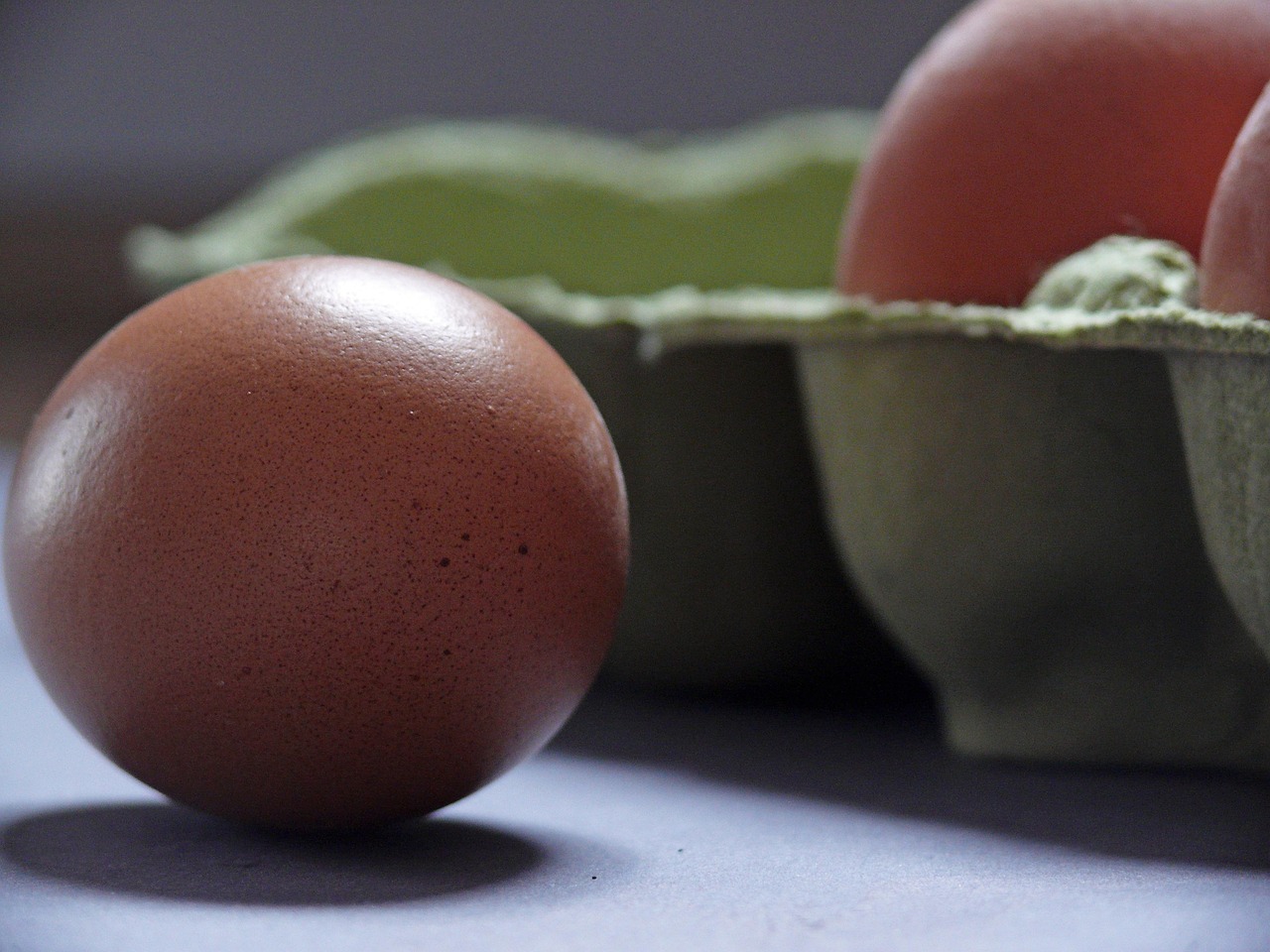
| Molded fiber trays and clamshells | Eggs, fruit, takeaway meals, plates, bowls | Rigid, stackable, often made from renewable fiber streams | Barrier chemistry, PFAS policy, certification status and acceptance by local composters or recyclers |
| Bagasse and other plant-fiber containers | Hot meals, bowls, plates, takeaway trays | Can use agricultural byproducts and provide a sturdy fiber alternative | Verify food-contact compliance, compostability certification and whether local facilities accept the finished product |
The key point is simple: “brown” describes appearance, not performance. A brown kraft sandwich bag with no coating is very different from a brown paper bowl laminated with polyethylene, PLA or another barrier layer. Buyers should request a material specification sheet, food-contact declaration and disposal guidance for the finished item instead of relying on color or product naming.
Food safety and performance come before appearance
Food packaging must first protect the food. A brown format that leaks, collapses, transfers odor, absorbs oil or fails under heat can create waste and customer complaints even if it looks sustainable. Buyers should match the material to real food conditions, not to the product photo in a catalog.
Grease and moisture resistance
Many demanding food applications need a barrier. Fried foods, sauces, dairy desserts, chilled salads and hot meals can quickly expose the limits of plain paper. Manufacturers may add coatings or treatments to improve oil and water resistance. Those additions can be useful, but they also influence whether the package is recyclable, compostable or suitable for a specific disposal stream.
CalRecycle guidance on food-soiled paper notes that uncoated food-soiled paper may be compostable where facilities accept it, while coatings can complicate acceptance. The same practical point applies in many markets: disposal depends on the finished package and the local facility, not on whether the pack is brown.
Heat, cold and shelf life
Hot filling, microwave reheating, freezing and long ambient storage all place different stresses on fiber packaging. A brown box for cookies does not need the same moisture barrier as a chilled ready meal tray. A soup cup needs seam strength and liquid resistance. A frozen food carton needs dimensional stability and print durability through cold-chain handling.
For food manufacturers, shelf-life testing remains essential. Fiber-based packaging may need testing for moisture vapor transmission, grease holdout, compression strength, odor transfer, and compatibility with sealing or labeling equipment. A packaging change that looks minor can still affect filling speed, pallet stability and customer experience.
Food-contact documentation
In the United States, FDA rules and guidance cover food-contact substances and materials that may become part of food through migration. For buyers, documentation should be specific to the intended use. A supplier should be able to explain whether the fiber, coating, adhesive, ink and any recycled-content component are appropriate for the food type and conditions of use.
Recycled content needs special attention. FDA guidance on recycled plastics for food packaging discusses chemistry considerations because contaminants may remain in recycled material and migrate into food. Reclaimed paper and paperboard may also have specific regulatory conditions. The practical takeaway is straightforward: recycled or natural-looking packaging still needs food-contact verification.
Recyclable, compostable and biodegradable are not the same claim
One common mistake in brown food packaging is treating several environmental terms as if they mean the same thing. They do not. Recyclable refers to whether the material can be collected, sorted and reprocessed through recycling systems. Compostable refers to whether the item can break down under defined composting conditions and meet relevant standards. Biodegradable is broader and often less useful unless the conditions, timeframe and outcome are clearly stated. See also: Eco Packaging.
FTC guidance warns against broad, unqualified environmental claims because they can mislead consumers. For recyclable claims, the availability of recycling facilities matters. For compostable claims, scientific evidence and appropriate qualification are necessary. In plain language, a food brand should not say “eco-friendly” or “green” simply because the package is brown.
Third-party compostability certification can help, but certification is not the full end-of-life answer. The Biodegradable Products Institute states that its certified compostable products meet ASTM compostability standards and must follow additional eligibility, labeling and ingredient requirements, including restrictions on intentionally added fluorinated chemicals. However, even certified compostable packaging may not be accepted by every local composting facility. Before switching, food businesses should check the rules of the waste hauler, composting facility or recycling program that will actually receive the used packaging.
For recycling, contamination is a practical limitation. Clean corrugated board and paperboard are often more valuable to recyclers than heavily food-soiled material. Greasy pizza boxes, laminated bowls and sauce-stained trays may need different handling depending on local rules. This is why package design and consumer instructions should be developed together.
How to evaluate suppliers and specifications
A good brown packaging specification reduces uncertainty. Buyers should ask suppliers for evidence rather than broad claims. The goal is not to make every package compostable or every package recyclable; it is to match each food format with a safe, functional and accurately described packaging route.
- Material composition: Request the full structure, including fiber type, coating, liner, adhesive, ink and any window film.
- Food-contact suitability: Confirm the intended food type, temperature, contact time and regulatory basis for compliance.
- Barrier performance: Ask for oil resistance, water resistance, heat tolerance and any relevant shelf-life or migration testing.
- End-of-life route: Verify whether the finished item is recyclable, commercially compostable, reusable or landfill-bound in the target market.
- Certification evidence: For compostable claims, request current certification for the finished product, not only for a raw material or coating.
- Environmental claims: Check that claims such as recycled content, plastic-free, compostable or recyclable are specific, qualified and supported.
- Operational fit: Test stacking, filling, sealing, printing, transport damage, portion control and customer handling.
Packaging teams should also consider how the format will be used after purchase. A dine-in venue with separate food-scrap collection may have a different best choice from a delivery kitchen serving oily hot meals across a wide area. A national brand may need a conservative claim because recycling and composting access differs by region.
Practical selection framework for brown food packaging
The most useful way to choose brown food packaging is to start with the food and work outward. First, identify the product’s risk factors: liquid, grease, heat, freezing, acidity, aroma, shelf life and transport stress. Second, define the sales channel: bakery counter, supermarket shelf, quick-service restaurant, meal delivery or industrial food shipment. Third, match the material to the disposal infrastructure available to the customer.
For dry bakery goods, simple kraft bags, paperboard cartons or corrugated inserts may perform well with minimal coating. For greasy or wet meals, a coated paperboard or molded fiber container may be necessary, but the coating must be assessed carefully. For produce and eggs, molded fiber and corrugated formats can provide cushioning and breathability. For premium gift foods, brown board can communicate a natural appearance while still allowing high-quality printing, embossing or paper labels.
Here is a practical decision path:
- Choose the required function first. Do not remove a barrier layer if it causes leakage, food spoilage or transport failure.
- Prefer simpler material structures where possible. Mono-material fiber formats are usually easier to explain than multilayer combinations.
- Check the real disposal route. A compostable label has limited value if the item will be used in a city without accepting composting facilities.
- Avoid overclaiming. Use precise phrases such as “commercially compostable where accepted” or “recyclable where facilities exist” when appropriate.
- Run a pilot before full conversion. Test packaging under real filling, delivery, storage and customer-use conditions.
The direction of the market is clear: brown food packaging is moving from a simple aesthetic choice to a more technical purchasing decision. The formats most likely to hold up over time are not necessarily the brownest or the most heavily marketed. They are the ones with verified food-contact safety, transparent material structures, realistic end-of-life instructions and performance that helps prevent food waste.
Frequently asked questions
Is brown food packaging always recyclable?
No. Brown color does not guarantee recyclability. A plain kraft box may be recyclable in many systems if it is clean, while a coated or heavily food-soiled container may not be accepted. Local recycling rules and the finished package structure matter most.
Is kraft paper food packaging compostable?
Uncoated kraft paper can often be compatible with composting when it is food-soiled and accepted by the local composting facility. Coatings, inks, adhesives and plastic linings can change the answer. For commercial claims, buyers should look for certification and local acceptance.
Does brown packaging mean unbleached packaging?
Often, but not always. Many brown fiber packages use unbleached or less-processed-looking material, but color can also come from board selection, surface treatment or design. Suppliers should confirm the actual fiber and processing details.
Can brown food packaging be used for hot meals?
Yes, but only when the structure is designed for heat, grease and moisture. Hot meals usually need stronger barrier performance than dry bakery items. Buyers should confirm temperature limits, leak resistance and food-contact suitability for the intended use.
What should brands avoid when marketing brown food packaging?
Brands should avoid broad claims such as “eco-friendly,” “green” or “zero waste” unless they can support them with clear evidence. More accurate wording explains the material, certification, recycled content or disposal condition in a specific way.