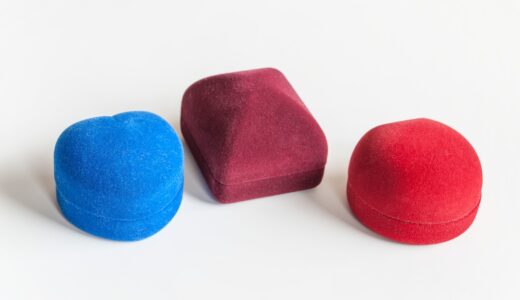
How to choose custom candy packaging for shelf appeal, safety, and sustainability
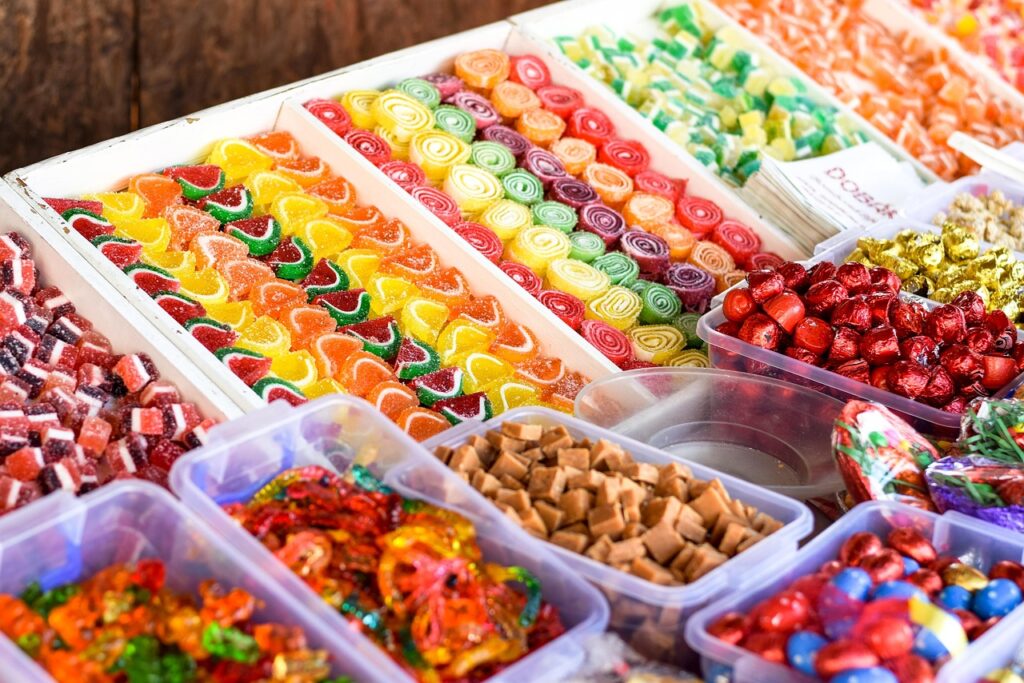
Custom candy packaging starts with protection, not decoration
Effective custom candy packaging has to do more than look attractive. It should protect the candy, help shoppers understand the product at the point of sale, and provide enough space for compliant information and credible claims. The right format is not always the one with the most elaborate artwork. It is the one that fits the candy’s exposure to moisture, oxygen, aroma transfer, light, breakage, heat, and handling.
A paperboard box may suit a premium chocolate gift set, while a resealable pouch may be more practical for gummies, sour candies, or family-size assortments. For more background on related formats, see our custom packaging section.
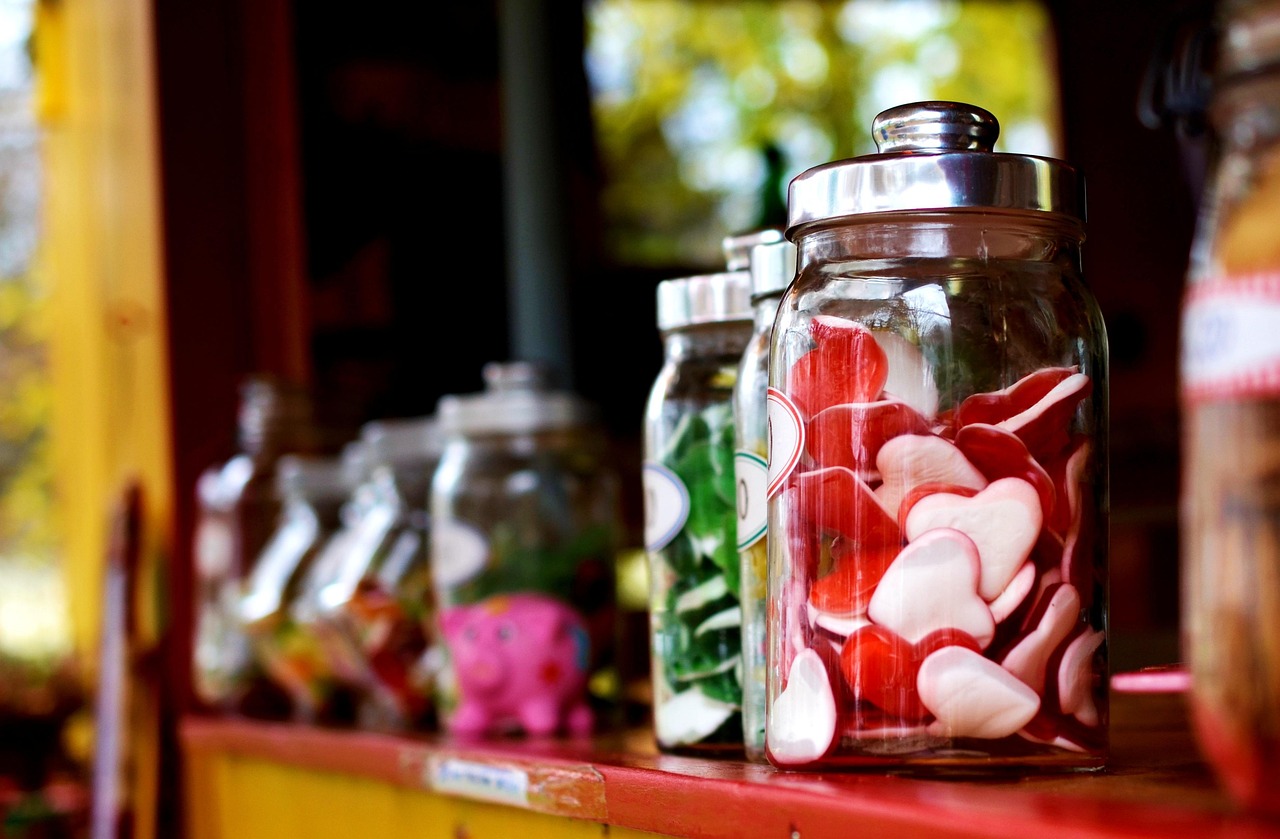
The practical question is: what must the package prevent, prove, and communicate before a shopper opens it?
Match the package to the candy’s main risk
Candy is often viewed as a low-risk packaged food because it is dry, sweet, and shelf-stable. Packaging teams still need to account for texture, aroma, fat stability, moisture pickup, and presentation. Chocolate can bloom or absorb odors. Gummies can stick, dry out, or take up moisture. Hard candy can become tacky when humidity is not controlled. Filled confectionery can be more complex because more than one texture and water activity may be present in the same product.
Packaging research on cereal and confectionery products notes that chocolate packaging needs barrier performance against aroma, gases, water vapor, and light. That does not mean every candy needs a high-barrier laminate. It does mean the package specification should start with the product’s likely failure mode, not with the artwork file. (pmc.ncbi.nlm.nih.gov)
| Candy type | Common packaging risk | Useful packaging direction |
|---|---|---|
| Chocolate bars and pralines | Odor absorption, fat bloom, light exposure, scuffing | Inner wrap plus carton, foil or metallized barrier, rigid gift box for premium lines |
| Gummies and jellies | Moisture change, clumping, stickiness, aroma loss | Flexible pouch, resealable zipper for larger packs, controlled headspace |
| Hard candy | Humidity pickup, tacky surfaces, broken pieces | Flow wrap, pillow pack, stand-up pouch, jar, or tin depending on portion size |
| Lollipops and novelty candy | Seal integrity, safety perception, shape protection | Twist wrap, flow wrap, blister card, or shaped carton with strong visual hierarchy |
| Seasonal assortments | Giftability, shelf impact, mixed product protection | Window box, tray and sleeve, tin, paperboard carton, or multipack pouch |
This table is not a substitute for shelf-life testing. It is a practical starting point for deciding which performance questions to answer before ordering printed material.
Choose the format around channel and occasion
A candy pack for checkout lanes has different priorities from one designed for e-commerce gift delivery. Retail peg hooks require the right hole placement, tear resistance, and a clear front panel. Club-store packs often need reclosure and portion control. Seasonal gifting needs a structure that looks complete before wrapping, because the package itself may become part of the gift.
The National Confectioners Association’s 2026 State of Treating material describes 2025 confectionery shopping patterns and notes that consumers continue to buy chocolate and candy for occasions, including interest in holiday-specific items with special packaging, shapes, and flavors. That supports a basic packaging strategy: everyday candy packs should prioritize recognition and convenience, while seasonal packs can justify more structure, color blocking, windows, and decorative finishes if the added cost protects margin. (candyusa.com)
- Flow wraps suit single bars, mini bars, and high-speed production where portion control and seal consistency matter.
- Stand-up pouches work for gummies, hard candies, sour belts, wrapped minis, and shareable packs that benefit from shelf presence and reclosure.
- Paperboard cartons support premium storytelling, larger front-panel graphics, and gift positioning, but they usually need an inner food-contact wrap.
- Window boxes show color and shape, but the window film should be checked for recyclability claims, scuffing, and seal compatibility.
- Tins and rigid jars add durability and perceived value, but they increase shipping weight and may not fit price-sensitive everyday candy.
Food-contact and labeling decisions should come before final artwork
Custom artwork cannot solve problems with food-contact status, label space, or allergen disclosure. In the United States, the FDA regulates food packaging and other substances that come into contact with food, including food-contact substances used in manufacturing, packing, packaging, transporting, or holding food. The FDA also maintains guidance on food labeling, including Nutrition Facts, ingredient statements, and allergen labeling topics. (fda.gov)
For candy brands, the packaging brief should separate three areas of responsibility. First, the material supplier should provide documentation appropriate to the material and intended food-contact use. Second, the brand or manufacturer should confirm that the label content fits the market where the candy will be sold. Third, the print layout must leave enough space for mandatory information without making the front panel look crowded.
Common label planning items include the statement of identity, net quantity, ingredient list, allergen declaration, Nutrition Facts panel where required, responsible firm information, lot or date coding, storage instructions when needed, and country-specific claims. If the pack is very small, do not assume the same artwork hierarchy used on a large pouch will remain readable. Compliance review should happen at the dieline stage, not after plates, cylinders, or digital print files are approved.
Compare materials by performance, not by reputation
Candy packaging materials are often grouped under broad labels such as paper, plastic, foil, compostable, or recyclable. Those labels are too general for a real specification. A mono-material pouch, a multilayer high-barrier pouch, a paper-based wrapper with coating, and a carton with an inner liner can all be reasonable choices in different situations.
| Material or structure | Strengths | Limitations to check |
|---|---|---|
| Flexible film pouch | Lightweight, strong graphics, good for resealable and shareable candy | Barrier level, seal temperature, zipper quality, recycling pathway |
| Paperboard carton | Premium print surface, structure, gift appeal, strong brand storytelling | Usually needs inner wrap; moisture and grease resistance depend on coatings |
| Foil or metallized wrap | Useful barrier against light, aroma, and oxygen for many chocolate applications | Can complicate recycling and should be justified by product protection needs |
| Rigid PET or PP jar | Visibility, reclosure, pantry storage, impact resistance | Higher material weight than film; label area may be limited by shape |
| Tin or rigid gift box | Premium feel, reuse potential, strong protection | Higher cost, heavier freight, longer development time |
| Coated paper or compostable film | Can support specific sustainability goals in selected systems | Food-contact suitability, barrier performance, and local collection access must be verified |
A strong material decision balances product quality, equipment compatibility, pack-out speed, transport conditions, shelf display, recovery infrastructure, and the words the brand wants to print on the pack.
Sustainability claims need evidence and careful wording
Sustainability is now a core part of packaging discussions, but candy brands should avoid treating it as a decorative phrase. In the U.S., the FTC’s Green Guides explain that environmental marketing claims should be truthful and supported by competent and reliable evidence. The FTC also states that unqualified recyclable claims should be qualified when recycling facilities are not available to at least 60 percent of consumers or communities where the product is sold. (ftc.gov)
Regulatory pressure is also becoming more specific. The European Commission states that the Packaging and Packaging Waste Regulation applies from 12 August 2026 and includes the goal that all packaging placed on the EU market be recyclable by 2030. In California, CalRecycle’s SB 54 program sets a path toward 2032 requirements for single-use packaging and plastic food service ware, including recyclable or compostable outcomes under the state framework. (commission.europa.eu) See also: Food Packaging.
For a candy package, this changes the brief. Instead of asking whether a pack looks sustainable, ask whether the claim can survive a packaging audit. Can the material be collected in the target market? Does the package include mixed components that reduce recyclability? Is a compostable claim tied to an available composting system? Does the use of recycled content comply with food-contact rules? Does a paper-based option still provide enough barrier to prevent product waste?
Paper is not automatically better, and plastic is not automatically wrong. If a lightweight plastic pouch prevents significant product damage or moisture failure, it may be defensible. If a paperboard carton adds unnecessary material around a product already protected by a pouch, it may not be. The responsible approach is to compare function, source reduction, recovery, and claim evidence together.
Design for fast recognition and slow trust
Candy packaging has to earn attention quickly, then build trust as the shopper reads. The front panel should make three things clear within a few seconds: what the candy is, what flavor or texture it offers, and why this pack is different from nearby options. This is where custom graphics, color systems, typography, and pack shape matter.
For everyday candy, recognition often comes from a simple flavor color code, a clear product image or window, and a readable product name. For premium candy, trust may come from restrained color, tactile paper, foil stamping, embossing, or a structured tray. For children’s or novelty candy, the design can be more playful, but safety cues and readability should not disappear.
- Use one primary visual idea. If flavor photography, character graphics, badges, and a window all compete, none of them will lead.
- Keep flavor visible from a distance. Candy shoppers often scan by color and flavor before reading small copy.
- Plan for small sizes. Mini packs and multipack units may need a simplified version of the master design.
- Separate claims from required labeling. Do not let marketing badges crowd ingredient or allergen information.
- Test matte and gloss finishes under retail light. A premium finish can reduce glare, but it may also dull bright candy colors.
Good candy design is not only attractive. It reduces confusion, supports repeat purchase, and helps the package communicate the same promise online, on shelf, and in hand.
A practical checklist before ordering custom candy packaging
Before approving a custom candy packaging order, create a written specification that can be shared with designers, suppliers, co-packers, and compliance reviewers. At minimum, include:
- Exact candy type, size range, weight, and whether pieces are wrapped or unwrapped.
- Target shelf life and known sensitivities to moisture, oxygen, aroma, light, heat, or breakage.
- Expected channels, including retail, e-commerce, seasonal gifting, vending, food service, or wholesale.
- Packaging format, dimensions, filling method, seal type, opening feature, and reclosure requirement.
- Food-contact material documentation requested from suppliers.
- Barrier targets or testing plan, including water vapor and oxygen performance when relevant.
- Artwork dieline, print process, color tolerances, finish, window placement, and barcode quiet zone.
- Labeling review for the market of sale, including allergen and Nutrition Facts requirements where applicable.
- Sustainability claims, required evidence, and any limits or qualifying language.
- Transit, drop, compression, and retail display checks before a full production run.
This checklist helps prevent a common packaging mistake: approving a beautiful printed sample that has not been tested against the product, filling line, legal label, and distribution route.
Frequently asked questions
What is the best packaging for candy?
There is no single best option. Chocolate, gummies, hard candy, and seasonal assortments have different risks. The right choice depends on barrier needs, pack size, sales channel, labeling space, equipment compatibility, and budget.
Can custom candy packaging be recyclable?
Some candy packaging can be recyclable, but the answer depends on the material structure and the recycling system in the market where it is sold. A simple material claim is not enough. Brands should confirm collection access, sorting compatibility, inks, coatings, closures, labels, and any mixed-material components before printing an unqualified recyclable claim.
Should candy brands choose paper or plastic packaging?
Paper can be attractive for cartons, sleeves, and premium presentation, but it may need coatings or inner liners for food protection. Plastic films can be lightweight and protective, but some structures are difficult to recycle. The better question is which structure protects the candy with the least unnecessary material while supporting truthful end-of-life claims.
What should be checked before printing candy packaging artwork?
Check the dieline, barcode, net weight, ingredients, allergen information, Nutrition Facts panel where required, claims, storage instructions, lot-code area, seal zones, and cut lines. Artwork should also be reviewed at actual size, not only on a large screen.
How can small candy brands avoid overpackaging?
Start with the smallest structure that protects the product through packing, shipping, retail handling, and normal storage. Avoid adding a carton, tray, sleeve, or window unless it improves protection, display, gift value, or clear communication enough to justify the extra material.