How Do Custom Shipping Boxes Reflect Pheasantland Industries Print Excellence for USS Pierre Commissioning
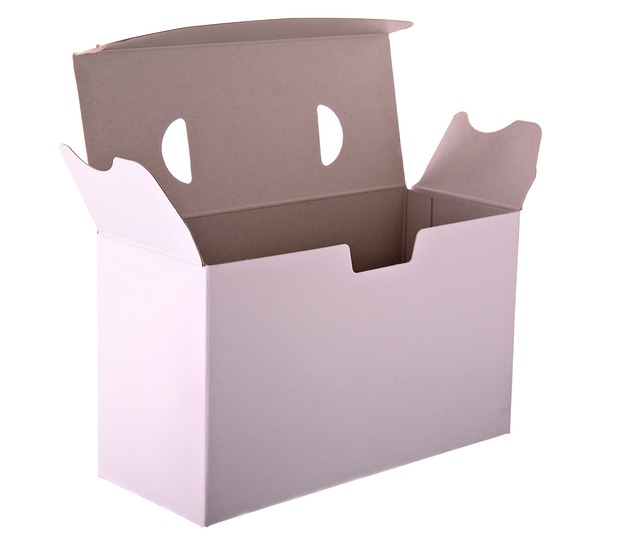
Pheasantland Industries Print Shop Creates Custom Gift Boxes for USS Pierre Commissioning
Custom shipping boxes played a defining role in the USS Pierre Commissioning Project, merging naval tradition with modern print craftsmanship. Pheasantland Industries Print Shop delivered not just packaging but a tangible expression of institutional pride. The project showcased how design precision, sustainable materials, and advanced printing techniques can elevate ceremonial presentation while meeting rigorous functional demands. Each box symbolized respect toward the ship’s crew and the enduring values of naval service.
The Role of Custom Shipping Boxes in the USS Pierre Commissioning Project
The commissioning of a naval vessel is both a technical milestone and a cultural event. Packaging for such ceremonies must combine protection, symbolism, and artistry to reflect the institution’s heritage and mission.
Purpose of Custom Packaging for Commissioning Events
Custom shipping boxes serve as protective enclosures for commemorative items such as plaques, medallions, or keepsakes. More than containers, they communicate craftsmanship and attention to detail. In naval ceremonies, presentation matters; the tactile quality of the box enhances emotional impact during gift exchanges. The design process integrates structural integrity with visual storytelling, ensuring that every fold and finish aligns with ceremonial dignity.
How Pheasantland Industries Approached the USS Pierre Project
For the USS Pierre project, Pheasantland Industries coordinated closely with naval representatives to align with official branding standards. Every design decision—from typography to emblem placement—was reviewed for historical accuracy. The production team balanced precision cutting with hand assembly where necessary to maintain uniformity across all units. Material selection focused on durability under transit conditions while preserving an elegant surface suitable for high-end printing finishes.
Material Selection Reflecting Durability and Elegance
Each box required materials capable of withstanding handling during shipment yet refined enough for ceremonial display. Rigid board stock provided strength without excessive weight, while matte coatings resisted fingerprints and moisture. Inserts were die-cut to cradle each item securely, preventing movement or abrasion during transport. The tactile feel of these materials reinforced the perception of quality associated with naval heritage.
Pheasantland Industries’ Print Excellence in Custom Box Design
The print phase transformed structural prototypes into finished works of art that carried both symbolic and functional weight.
Advanced Printing Techniques Applied to Custom Shipping Boxes
High-resolution digital printing captured intricate insignias and ship logos with crisp fidelity. Color calibration systems maintained consistency across production batches—a critical factor when reproducing official navy blues or metallic golds. Finishing options such as foil stamping added depth to insignias, while selective gloss coatings drew attention to embossed details without overpowering the overall composition.
Integration of Branding Elements with Functional Design
The design layout placed naval symbols strategically across multiple panels so that no matter how the box was viewed, its identity remained unmistakable. Typography followed official navy style guides but was adjusted for legibility under varied lighting conditions typical of indoor ceremonies. Structural engineering maintained balance between aesthetics and practicality; even when stacked or shipped internationally, boxes retained their shape and finish integrity.
Precision Printing Reinforcing Institutional Confidence
Every printed surface reflected meticulous calibration between ink density and substrate absorption rates. This technical precision reinforced client confidence in Pheasantland Industries’ capabilities—proof that craftsmanship remains central even in an era dominated by automation.
Materials, Sustainability, and Quality Control Standards
Balancing environmental responsibility with premium presentation has become standard practice among leading print manufacturers.
Selecting Materials for Durability and Presentation Value
Premium corrugated board offered both strength and flexibility during assembly. Coatings were formulated to resist scuffs from handling crews or storage movement before ceremony day. Internal compartments were tailored to fit commemorative items exactly—no loose space meant no risk of damage during shipment or unpacking.
Sustainable Practices in Production and Packaging Design
Sustainability guided material sourcing throughout production. Recyclable substrates reduced waste streams after use, aligning with broader environmental goals shared by public institutions. Water-based inks replaced solvent-based alternatives without sacrificing vibrancy or adhesion quality. Cutting layouts were optimized digitally to reduce offcuts—a small but measurable efficiency gain across large runs.
Quality Control at Every Stage
Each batch underwent inspection for color alignment, cut accuracy, and adhesive performance before shipping. Randomized stress tests simulated transportation conditions to verify durability under vibration or humidity changes common in maritime logistics chains.
The Collaboration Process Between Pheasantland Industries and Naval Representatives
Collaboration was not limited to design approval; it extended through every phase from concept sketches to final delivery scheduling.
Aligning Design Vision with Naval Heritage and Protocols
Regular consultations ensured full compliance with insignia usage policies governed by naval protocol offices. Historical references influenced graphic motifs such as wave patterns or ship silhouettes integrated subtly into background textures. Transparency characterized each review cycle—every modification documented before proceeding to production proofs.
Managing Production Timelines for High-Stakes Events
Meeting commissioning deadlines demanded precise coordination between suppliers, printers, and assembly teams. Pre-production proofs validated color accuracy early enough to correct deviations without delaying schedules. Logistics planning accounted for buffer time against potential supply chain interruptions—a prudent measure given global material fluctuations in recent years.
Communication as a Core Production Tool
Open communication channels allowed quick resolution of technical questions regarding emblem reproduction rights or dimensional tolerances. This responsiveness built trust between Pheasantland Industries’ specialists and naval representatives overseeing ceremonial standards.
The Broader Significance of Custom Shipping Boxes in Institutional Representation
Beyond function, custom packaging communicates values—discipline, respect, precision—that mirror institutional culture itself.
Packaging as a Medium of Institutional Pride and Professionalism
Each custom shipping box became an emblematic gesture toward those serving aboard USS Pierre. The tactile quality conveyed care; flawless printing symbolized dedication equal to that found within naval operations themselves. For public-sector partnerships like this one, visual perfection translates directly into perceived institutional reliability.
How Print Craftsmanship Enhances Perceived Value in Ceremonial Projects
High-quality printing elevated every enclosed object’s perceived worth beyond its material value. When recipients opened their boxes during commissioning events, uniform branding created emotional continuity between individual gifts and collective ceremony identity. Such cohesion strengthens pride among participants while reinforcing public confidence in both manufacturer competence and institutional tradition.
Long-Term Symbolism Beyond Ceremony Day
Even after events conclude, these boxes often remain displayed or archived as part of historical collections—lasting reminders that thoughtful design extends legacy far beyond immediate utility.
FAQ
Q1: Why were custom shipping boxes essential for the USS Pierre Commissioning?
A: They protected delicate commemorative items while visually representing naval tradition through precise design elements aligned with official branding standards.
Q2: What printing methods did Pheasantland Industries use?
A: High-resolution digital printing combined with foil stamping and spot gloss finishing produced vivid insignias consistent across all units.
Q3: How did sustainability influence production choices?
A: Recyclable boards, water-based inks, and efficient cutting layouts minimized waste without compromising durability or color quality.
Q4: What collaboration steps ensured accuracy?
A: Continuous consultations with naval representatives verified emblem usage compliance and historical authenticity throughout design development stages.
Q5: How do custom shipping boxes contribute to institutional image?
A: They act as tangible expressions of professionalism; meticulous construction reinforces confidence in both manufacturer expertise and organizational pride tied to national service traditions.