Custom luxury packaging for premium brands under sustainability pressure

Why custom luxury packaging is being redefined
Custom luxury packaging is no longer defined only by a thick box, a metallic logo, or a dramatic unboxing moment. A premium pack still needs to create desire, but stronger briefs now ask it to do several jobs at once: protect the product, express the brand, justify the materials, and remain practical for recycling, reuse, or producer responsibility reporting. That matters for beauty, wine and spirits, jewelry, electronics, fashion accessories, and specialty food brands because packaging is both a brand signal and a compliance object. For broader category context, see our Custom Packaging coverage.
The practical conclusion is clear: luxury packaging can still feel tactile, crafted, and exclusive, but it should not depend on unnecessary layers or vague sustainability language. A better route is to design fewer components with more intent, choose finishes that fit the material system, and document claims before they appear on the pack.
What premium packaging has to communicate now
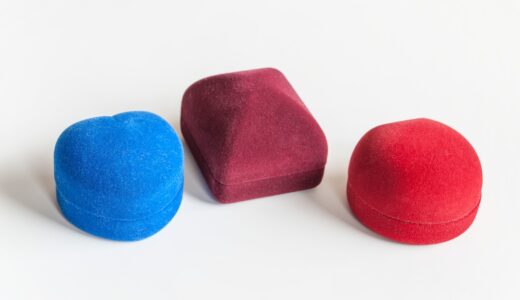
Luxury packaging has always worked as a form of silent selling. Before the buyer touches the product, the pack signals price position, care, identity, and trust. In custom luxury packaging, that message usually comes through structure, surface, proportion, opening sequence, and restraint. A rigid setup box with precise edges can suggest permanence. A soft-touch paper wrap can suggest intimacy. A molded pulp insert can suggest material responsibility when it is well finished and honestly presented.
The challenge is that many traditional luxury cues carry environmental or operational costs. Excessive void space may look impressive in a boutique but perform poorly in e-commerce. Mixed-material laminates, plastic windows, magnets, foams, and heavy coatings can make separation or recycling harder. Decorative effects can also complicate claims if a package is described as recyclable without evidence that the whole package, not only one component, can be processed in the markets where it is sold.
For editors, buyers, and packaging teams, the useful question is not whether luxury and sustainability can coexist. They can, but only when the design brief separates essential premium cues from habits. Weight alone is a weak substitute for value. Precision, protection, refillability, low-defect finishing, and a clear material story often communicate luxury more effectively than mass.
Materials and structures that fit a premium brief
No single packaging material is automatically the most sustainable or the most premium choice in every situation. McKinsey’s packaging analysis emphasizes that sustainability involves trade-offs among circularity, leakage, and greenhouse gas emissions, and that paper, plastic, glass, metal, and other substrates each have advantages and disadvantages depending on region and application. (mckinsey.com) For custom luxury packaging, material selection should start with the product, channel, and end-of-life pathway rather than with a trend word.
| Packaging option | Where it can work well | Design caution |
|---|---|---|
| Rigid paperboard box | Fragrance, jewelry, cosmetics sets, premium gifting, limited editions | Keep coatings, laminates, magnets, ribbons, and plastic trays under control so the pack is not overbuilt. |
| Folding carton with specialty finish | Skincare, candles, small electronics, food gifts, refill cartons | Use embossing, debossing, texture, or controlled foil instead of adding layers only for visual impact. |
| Molded fiber or paper pulp insert | Cosmetics, drinkware, electronics, fragile accessories | Premium perception depends on tooling quality, surface smoothness, color consistency, and fit. |
| Glass, metal, or refillable primary pack | Beauty, fragrance, home care, spirits, wellness products | Heavier primary packs may suit reuse or refill models, but transport impacts and breakage risk must be assessed. |
| Mono-material pouch or sleeve | Refills, samples, travel formats, secondary packaging reduction | It may not feel luxurious by itself, so typography, tactility, and dispensing experience become more important. |
The table shows why custom work matters. A standard box can hold a product, but a custom luxury packaging system coordinates the outer carton, insert, label, closure, shipping protection, and consumer instructions. The goal is not simply to make packaging look expensive. Every component should earn its place.
Regulation is making luxury packaging more measurable
In Europe, the Packaging and Packaging Waste Regulation has moved packaging design closer to measurable recyclability, labelling, recycled content, and reuse obligations. As of September 2026, the regulation’s general application date of 12 August 2026 has passed. The European Commission’s public summary says plastic packaging must include recycled content under increasing 2030 and 2040 targets, all packaging must be recyclable by 2030, labels should help consumers sort packaging, and some single-use plastic formats will be restricted. (eur-lex.europa.eu)
The legal text adds important nuance. Recyclability is not treated as a general intention; it is tied to design-for-recycling criteria, later recycled-at-scale assessment, and performance grades. The text refers to grades A, B, and C, with staged timing around 1 January 2030 for design-for-recycling requirements and 1 January 2035 for recycled-at-scale requirements, subject to the timing of delegated and implementing acts. (eur-lex.europa.eu) For luxury brands selling into the EU, early structural decisions matter more than last-minute artwork changes.
The United States has a different regulatory landscape, but green claims still need careful support. The Federal Trade Commission’s Green Guides state that environmental claims require competent and reliable evidence, and that marketers should qualify recyclable claims when recycling facilities are not available to at least 60 percent of consumers or communities where the product is sold. (ftc.gov) In practice, a premium package should not use broad phrases such as eco-friendly, recyclable, or biodegradable unless the claim is specific, supportable, and clear about whether it applies to the whole package or only to a component.
Consumer expectations are rising, but claims must stay specific
Sustainability language can influence perception, but vague language can also create distrust. NIQ’s 2024 packaging analysis described consumer frustration when packaging lacks clear information about sustainability or recyclability. The same analysis reported that products with sustainability claims had become a large retail category and that many consumers say they are trying to live more sustainably. NIQ also noted the spread of packaging extended producer responsibility in several U.S. states at the time of publication. (nielseniq.com)
For custom luxury packaging, the lesson is not to cover the box with claims. Luxury customers often respond better to clarity and restraint. A precise line such as made with 80 percent recycled paperboard, if documented, is stronger than a broad green message. A clear instruction such as remove ribbon before recycling is more useful than a decorative recycling icon without context. A refill pack should explain what is refilled, how many uses are expected, and whether the refill changes the total packaging footprint.
Industry-wide progress also shows why claims should be cautious. The Ellen MacArthur Foundation’s Global Commitment work pushed large companies toward reusable, recyclable, or compostable plastic packaging, higher post-consumer recycled content, and the elimination of problematic packaging. Reporting on the 2025 progress cycle, Packaging Dive noted that the latest report reflected 2024 data and showed progress in some areas while companies still fell short of targets. (packagingdive.com) That does not mean brands should avoid ambition. It means packaging copy should distinguish between a current, verified attribute and a future goal.
How to brief custom luxury packaging without overbuilding it
A useful packaging brief should prevent two common failures: a beautiful pack that cannot scale, and a compliant pack that feels generic. The following sequence connects brand intent, operations, and evidence before production begins. See also: Food Packaging.
- Define the product risk. Start with fragility, leakage, light sensitivity, shelf life, tamper evidence, and shipping conditions. Protection is the first luxury cue because damaged premium goods quickly destroy trust.
- Choose the primary luxury signal. Decide whether the pack should feel collectible, minimal, artisanal, technical, ceremonial, or refillable. A brief with one dominant signal is easier to execute than one asking for every premium effect at once.
- Map the sales channel. Boutique retail, wholesale display, subscription delivery, marketplace shipping, and gifting all create different structural demands. E-commerce often requires more compression and drop protection than a counter display.
- Set a material hierarchy. Decide what must be paper-based, what can be mono-material, what needs barrier performance, and what may justify glass, metal, or durable plastic in a reuse model.
- Control decorative finishes. Foil, metallic ink, varnish, soft-touch coatings, lamination, flocking, and window films should be evaluated for recyclability, scuff resistance, and production consistency, not only for sample-room appearance.
- Write claims after evidence is available. Packaging claims should be based on supplier documentation, market access to recycling or composting, recycled-content records, and any relevant regional guidance.
- Prototype the full system. Test the box, insert, product fit, opening sequence, label placement, shipping carton, and disposal instructions together. Many failures happen at the boundary between components.
- Plan for version control. Limited editions, seasonal artwork, and regional language changes should not create undocumented material changes that invalidate earlier claims.
This process supports creativity rather than limiting it. When a supplier knows the protection requirement, target market, decoration limits, claim evidence, and retail context, the result can be more refined because unnecessary options are removed early.
Common mistakes in luxury packaging decisions
The first mistake is treating heaviness as proof of quality. Heavy packaging can feel premium, but it can also increase freight cost, material use, and consumer frustration. A lighter structure with excellent fit, clean typography, and a disciplined opening sequence may perform better.
The second mistake is adding sustainable language after the design is finished. If sustainability is a requirement, it should influence the dieline, insert, closure, adhesive, coating, and label from the beginning. A late-stage icon cannot fix a difficult material combination.
The third mistake is designing only for the shelf. A pack that looks impressive in a retail photograph may fail in parcel delivery or create too much empty space. Premium brands increasingly need a system view: primary pack, gift pack, protective shipper, return flow, and disposal instructions.
The fourth mistake is assuming that one global claim works everywhere. Recyclability, compostability, deposit systems, EPR rules, and labelling expectations vary by market. A careful custom luxury packaging brief should identify target regions before claims and materials are finalized.
Frequently asked questions
What makes packaging feel luxurious?
Luxury perception usually comes from proportion, precision, texture, controlled reveal, color discipline, and product protection. Expensive materials can help, but they are not enough. A poorly fitted rigid box can feel less premium than a simpler carton with better detail and handling.
Can custom luxury packaging be sustainable?
Yes, but sustainable should be defined. It may mean lower material weight, recycled content, mono-material construction, refillability, reusability, better recyclability, or fewer unnecessary components. The right route depends on product type, sales region, and available recovery infrastructure.
Which materials are most suitable for premium packaging?
Paperboard, specialty cartons, molded fiber, glass, metal, and refill systems can all fit premium briefs. The better question is which material supports the product, channel, brand signal, and end-of-life pathway with the fewest compromises.
When should compliance be considered?
Compliance should be considered at the concept stage, before tooling and artwork. Regulations and claims guidance can affect structure, material combinations, recycled-content documentation, labels, and instructions. Early review reduces the risk of redesigning after samples are approved.
How can a brand avoid vague green claims?
Use specific, documented statements. Say which component contains recycled content, which part is recyclable, what the consumer should remove, or how a refill system works. Avoid broad claims unless the evidence supports the likely consumer interpretation in the market where the package is sold.