Can Custom Boxes With Logo Redefine Retail Brand Identity In 2026
How Custom Retail Boxes Strengthen Brand Identity in 2026
Retail branding in 2026 is no longer confined to advertising or digital presence; it extends directly into the customer’s hands through packaging. Custom boxes with logo have evolved into strategic assets that shape consumer perception, communicate sustainability values, and enhance brand recall. The most competitive retailers treat packaging as a storytelling medium, blending visual design, material innovation, and technology to create emotional and sensory connections. In this landscape, packaging is not just a protective layer but a critical expression of brand identity that drives loyalty and differentiation.
The Strategic Role of Custom Boxes With Logo in Retail Branding
As retail competition intensifies, packaging has become a key battlefield for brand distinction. Custom boxes with logo serve as the first tangible touchpoint between product and consumer, influencing purchasing decisions before the product itself is experienced.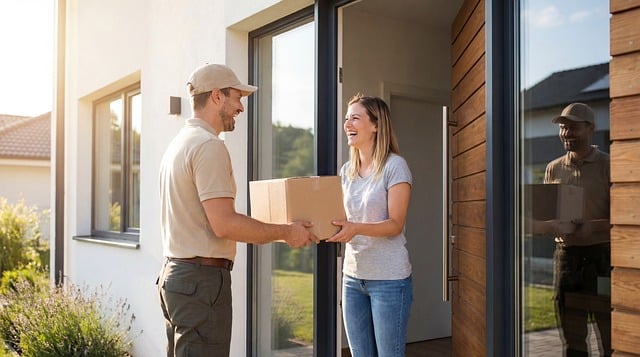
Evolution of Brand Identity in 2026
Consumer behavior in 2026 reflects heightened sensitivity toward personalization and environmental ethics. Buyers expect brands to mirror their values through sustainable materials and bespoke designs. Packaging now acts as a silent ambassador for these ideals. Visual storytelling has also grown central—brands use imagery, typography, and structure to narrate their ethos instantly on store shelves. Moreover, digital transformation blurs the line between online and offline branding; QR codes or AR features embedded on boxes link physical products to immersive digital experiences.
Packaging as a Core Element of Brand Strategy
Packaging today is not an afterthought but a deliberate extension of brand strategy. It communicates purpose—whether luxury minimalism or eco-conscious practicality—through its design language. Psychological cues such as symmetry, texture, and proportion are used to evoke trust or excitement depending on the target audience. When packaging aesthetics align seamlessly with brand positioning, they reinforce authenticity and consistency across all marketing channels.
The Design Dynamics Behind Custom Boxes With Logo
Design integrity determines how effectively custom boxes with logo convey professionalism and coherence across product lines. Every visual element contributes to recognition and emotional engagement.
Visual Consistency and Brand Recognition
A logo serves as a visual anchor that triggers instant recall even from a distance. Cohesive use of color palettes, fonts, and imagery strengthens recognition across categories. When multiple products share consistent packaging systems, consumers perceive the brand as organized and reliable—a subtle but powerful form of trust-building.
Material Innovation and Sustainability Trends
Sustainability dominates design decisions in 2026. Brands increasingly adopt biodegradable coatings or recyclable substrates without compromising print quality or durability. Paperboard sourced from responsibly managed forests or plant-based inks has become standard practice among premium retailers. The challenge lies in balancing cost control with ecological responsibility; successful brands achieve both through material R&D partnerships that reduce waste while maintaining tactile appeal.
Technological Integration in Custom Packaging Design
Technology redefines what packaging can do beyond containment—it transforms it into an interactive interface that extends engagement beyond purchase.
Smart Packaging and Interactive Experiences
Connected technologies such as NFC chips or QR codes turn boxes into gateways for post-sale interaction. A scan might reveal product origin data or unlock loyalty rewards, deepening consumer involvement. Some luxury brands experiment with augmented reality layers that animate their logos when viewed through smartphones—an unexpected delight that reinforces exclusivity.
Automation and Digital Printing Capabilities
Advancements in digital printing allow flexible customization for short runs like holiday editions or influencer collaborations without large setup costs. AI-assisted tools accelerate prototyping by generating print-ready layouts aligned with color management standards like ISO 12647-2 for consistency across batches. Automation ensures each logo remains sharp regardless of substrate variation—a crucial detail for maintaining perceived quality at scale.
Consumer Perception and Psychological Impact of Branded Packaging
Packaging shapes subconscious judgments long before product evaluation begins. Its tactile qualities and visual harmony influence how customers interpret value.
Emotional Connection Through Visual Identity
Consumers equate well-designed packaging with reliability and craftsmanship. Textures such as soft-touch matte finishes or embossed logos stimulate sensory pleasure that translates into emotional attachment. Color psychology continues to play a decisive role—warm tones convey approachability while cool hues suggest sophistication—helping brands target precise emotional responses within seconds.
Unboxing Experience as a Marketing Channel
The unboxing ritual has evolved into an extension of retail theater in 2026. Social media amplifies this moment; distinctive box structures often appear in user-generated videos that act as unpaid advertisements. When customers associate joy or surprise with unwrapping a package, they subconsciously assign higher value to the brand itself—a direct path to improved retention rates.
Competitive Advantage Through Custom Boxes With Logo in Retail Markets
In saturated markets where visual clutter overwhelms consumers, distinctive packaging becomes one of the few remaining differentiators capable of cutting through noise.
Differentiation in Saturated Market Environments
Unique structural designs—magnetic closures, layered inserts, asymmetrical folds—draw attention amid uniform shelf displays. Strategic logo placement enhances visibility under varying lighting conditions common in retail spaces. For smaller retailers lacking big-budget campaigns, premium custom boxes elevate perceived worth enough to compete alongside established names.
Integration With Omnichannel Retail Strategies
Consistency across e-commerce shipments, subscription kits, and physical stores reinforces unified branding narratives. Packaging now bridges digital marketing promises with tangible delivery experiences; when online visuals match real-world textures and colors precisely, consumer trust solidifies further. Data gathered from scanning patterns or return rates also informs iterative design improvements for future releases.
Future Outlook: Redefining Retail Brand Identity Through Packaging Innovation in 2026
Looking ahead, packaging will continue evolving from functional necessity into strategic storytelling infrastructure connecting sustainability goals with technological fluency.
Emerging Trends Shaping the Future of Custom Boxes With Logo
AI-driven personalization enables micro-segmentation where each box may feature tailored messages based on buyer profiles or geographic data sets governed by privacy standards like ISO/IEC 27701. Supply chains increasingly integrate circular-economy principles ensuring traceable sourcing from renewable inputs to end-of-life recyclability metrics verified by third-party audits under ISO 14021 guidelines.
Long-Term Implications for Retail Brand Strategy
By 2026 and beyond, brands treating custom boxes with logo as dynamic communication tools rather than static containers will build stronger emotional equity among consumers who crave authenticity over advertising noise. Continuous innovation across design psychology, material science, and smart technology will define which brands remain culturally relevant amid shifting retail ecosystems driven by sustainability mandates and experiential commerce trends.
FAQ
Q1: Why are custom boxes with logo essential for retail branding?
A: They act as physical representations of brand identity that influence perception before purchase while reinforcing recognition through consistent design elements.
Q2: How does sustainable packaging affect consumer loyalty?
A: Eco-friendly materials signal ethical responsibility which aligns with modern consumer values, fostering deeper trust relationships over time.
Q3: What technologies are shaping packaging innovation?
A: Digital printing for short-run customization, AI-assisted layout generation, NFC-enabled smart interactions, and AR-based storytelling dominate current advancements.
Q4: Can small retailers benefit from custom boxes?
A: Yes, well-designed custom boxes elevate perceived product value allowing smaller businesses to compete visually against larger competitors without heavy advertising spend.
Q5: What future trends will redefine packaging after 2026?
A: Greater integration of AI personalization engines, fully recyclable substrates under circular economy frameworks, and cross-disciplinary collaboration between designers and technologists will reshape how brands express identity through packaging systems.