Is Eco Bag Packaging Better than Plastic Bags for Export Brands?
Why Does Eco Bag Packaging Matter for Export Brands?
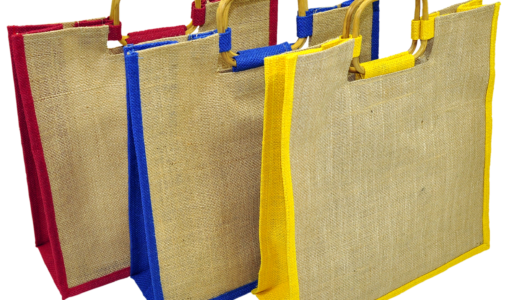
Eco bag packaging is not only a green-looking add-on now. It affects sourcing, waste rules, retail display, shipping strength, and buyer trust. If you sell light industrial goods, gifts, apparel, accessories, dry goods, or promotional kits, the bag may be the first packaging piece a buyer checks by hand. A good place to start is the eco bag packaging category, because material choice and packaging use should be confirmed before the artwork starts.
The reason is easy to understand. Packaging becomes visible waste after use. UNEP reports that the world produces about 430 million tonnes of plastic each year, with roughly 36% used for packaging, and much of that packaging waste goes to landfill or hazardous waste routes. This does not mean every plastic bag is wrong for every order. It means buyers now ask more direct questions about material, reuse, recycling, and claims. (unep.org)
Packaging Waste Is a Buyer Question Now
Retailers, distributors, and private-label buyers often check packaging before they spend much time on a small accessory inside it. U.S. EPA municipal solid waste data for 2018 says containers and packaging accounted for 82.2 million tons, or 28.1% of total MSW generation in the United States. Plastic containers and packaging alone accounted for 14.5 million tons. For an exporter, these figures can quickly become part of the sales discussion, not only an environmental topic. (epa.gov)
Data Makes the Case Practical
OECD’s Global Plastics Outlook projects plastic waste could rise from 353 million tonnes in 2019 to 1,014 million tonnes by 2060 under current policies. It also says short-life uses such as packaging, consumer products, and textiles will take a large share of future plastic waste streams. So when a buyer asks for a better bag, it is not just a style request. The pressure is already coming from waste data, retail policy, and end customers. (oecd.org)
The Bag Must Still Protect the Product
A greener bag that tears in the warehouse is not greener in real use. If a handle breaks, the product may need repacking, return shipping, or replacement, and that creates more cost and waste. That is why eco bag packaging should begin with product weight, sharp corners, moisture risk, and shelf life. A simple kraft paper bag may work for scarves, while a heavier reusable non-woven bag may be better for a tool kit or small appliance accessory. The product decides the bag, not the label.
Which Materials Work Best for Eco Bag Packaging?
No single material fits every project. The better question is which bag gives enough strength, less waste, clear claims, and a disposal route that works in the sales market. A trade-show tote, a bakery takeaway bag, and an e-commerce mailer all face different handling conditions. This sounds basic, but many packaging problems start right here.
Recycled Paper Bags
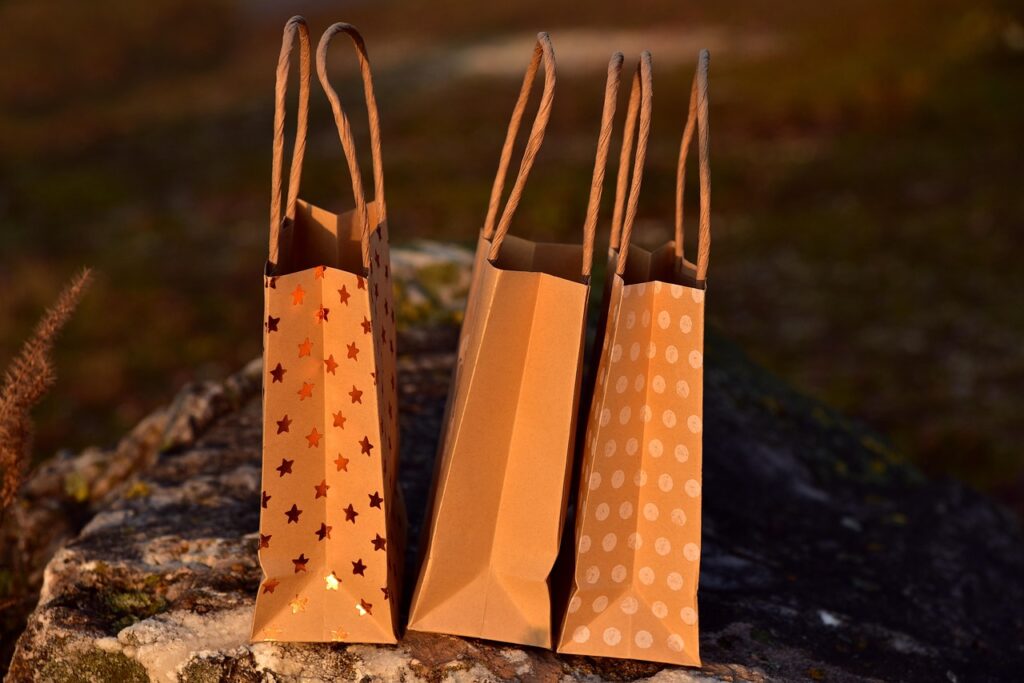
Recycled kraft paper works well for cosmetics, apparel, stationery, gifts, and other dry lightweight products. It gives a natural look, and it prints cleanly with soy-based or water-based inks when the design stays simple. If you add film lamination, glitter, magnetic closures, or plastic windows, recyclability can fall quickly. For paper claims, buyers may ask for recycled content records or FSC chain-of-custody paperwork, especially in supermarket and department-store channels.
Non-Woven PP and rPET Reusable Bags
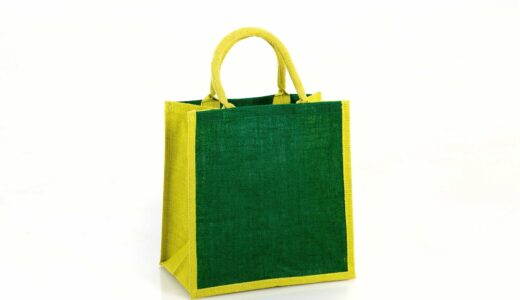
Non-woven polypropylene and rPET bags are common when the bag is meant to be used more than once. They suit heavier items, club-store bundles, promotional sets, and retail campaigns where the customer may keep the bag in a car or closet. The wording should be plain and correct. If the bag is PP or rPET, do not call it plastic-free. A safer claim is practical and easy to check, such as reusable bag or made with recycled PET, if the supplier has documents to support it.
Compostable Film for the Right Waste Stream
Compostable film can work for light, dry, short-use packaging, but only when the destination market has a suitable composting route. ASTM D6400 is a key U.S. specification for plastics labeled as compostable in municipal or industrial aerobic composting facilities. That exact wording matters for export orders. Industrially compostable does not mean the bag will quickly break down in a home bin, a roadside ditch, or the ocean. (store.astm.org)
How Can You Judge a Bag Beyond the Green Label?
Green labels are easy to print. Good proof takes more work. When you compare eco bag packaging options, look at the full use case: how many times the bag can be used, what it replaces, whether the material claim is documented, and how a normal customer will throw it away. A leaf icon may look nice, but it is not a disposal plan.
Reuse Count and Bag Strength
UNEP life cycle work on single-use plastic bag alternatives points out that the number of times a bag is used has a direct effect on its environmental impact. In daily business terms, a thick reusable bag needs real reuse to make sense. If it is handed out once and left behind after an event, the heavier material may not pay back its footprint. Handles, stitching, bottom gussets, and seam tests are not small details. They decide whether reuse actually happens. (wesr-search.unep.org)
Proof of Material Claims
Ask for documents before the artwork is approved. Useful records include recycled content declarations, paper mill statements, chain-of-custody certificates, compostability test reports, ink safety statements, and factory quality records. ISO 14021:2026 gives guidance for self-declared environmental claims. It is a useful reminder that claims such as recyclable, recycled, compostable, and bio-based should not be used as loose sales wording. (iso.org)
End-of-Life Instructions
A bag should tell the customer what to do after use. Reuse me, recycle with paper, remove handle before recycling, or industrial composting only are clearer than a vague eco-friendly badge. If the product ships to several countries, do not use one universal claim unless it is true in each market. Local collection systems are different, and most customers will not read packaging like engineers.
What Should Importers Check Before Placing an Order?
Before price negotiation, define the job of the bag. Many issues start when a buyer asks for the cheapest eco bag but does not give product size, gross weight, packing method, retail channel, humidity exposure, and claim requirements. A short checklist can avoid weak handles, color drift, false claims, and cartons full of bags that cannot be used.
Product Weight and Packing Method
Match the material grade to the heaviest real load, not the average item. A 120 gsm paper bag may carry a T-shirt well, but it may fail with a glass jar or metal part. For reusable bags, check fabric weight, handle length, stitch density, and bottom support. For e-commerce, also consider courier handling, rain, compression, and barcode labeling.
Print Design and Ink Choice
Simple printing often looks better and creates fewer production issues. One or two colors on kraft paper can feel honest and ready for retail. Heavy ink coverage, metallic effects, and laminated finishes may raise cost and make recycling harder. If the brand color must be exact, ask for a drawdown or pre-production sample. Screen photos are not proof, because warehouse light and shop light can show the color differently.
Testing, Samples, and Documentation
Approve samples by using them the way a customer would. Fill the bag, lift it, leave it loaded overnight, rub the print, and check the fold lines. For large orders, ask for carton packing photos and a pre-shipment inspection plan. Documentation should match the invoice item and the actual material used in production. A certificate for another film grade or another factory will not help much when a buyer audits the shipment. See also: Food Packaging.
How Can Eco Bag Packaging Support Brand Sales?
Eco bag packaging can do more than cut waste. It can make the product look more careful, more current, and easier for a buyer to trust. The sales value comes from clear wording and steady performance. Buyers like a claim they can repeat to their own customers without worrying about a later challenge.
Clear Shelf and Unboxing Signals
A bag works like a small billboard. Natural paper texture, a short reuse message, a neat hang tag, or a QR code for care instructions can make a simple product feel better prepared for sale. For apparel, a reusable drawstring bag can replace a thin polybag for premium sets. For small hardware kits, a sturdy paper pouch with a spare-parts label may reduce loose inner bags and help warehouse picking.
Simple Claims That Buyers Trust
McKinsey’s 2023 U.S. packaging survey found that 43% of consumers considered environmental impact an extremely or very important packaging characteristic, while many still ranked price, quality, and convenience higher. The useful point is not to oversell the bag. Make the green point clear, but keep function, price, and product quality in the same discussion. That is closer to how retail buyers make decisions. (mckinsey.com)
Cost Control through Smart Specifications
Better packaging is not always more expensive. You can control cost by using fewer bag sizes, avoiding full-surface printing, choosing stock handles, and ordering across product lines. A reusable bag that becomes part of the product can also replace a separate gift pouch, retail bag, and insert card. This is not special accounting. It is just clean specification work before production starts.
What Mistakes Make Eco Bag Packaging Less Sustainable?
The biggest mistakes often come from good intention and weak details. A buyer wants a greener bag, a supplier offers a popular material, and the final design looks fine in the sample room. Later, the bag may turn out too heavy, too hard to recycle, or supported by a claim nobody can prove. These problems are easier to fix before mass production.
Choosing a Heavy Bag for a Light Item
Do not use a thick reusable tote for a product that customers will not carry again. Extra material should have a clear reason. A small cotton-style bag for a cheap one-time giveaway may look good in photos, but it may not be the lowest-impact choice. For lightweight retail items, recycled paper, thin paper sleeves, or a right-sized pouch may be enough.
Using Vague Eco Claims
Words like green, earth-safe, and biodegradable can cause trouble if they are not backed by test conditions and clear limits. Say what the bag is made from, and say what the customer can do with it after use. If reliable public data or valid supplier documents are not available for a claim, do not use that claim. A quiet, accurate statement is stronger than a loud weak one.
Ignoring Local Collection Rules
A recyclable bag is only useful when the local system can collect and process it. A compostable bag is only useful when composting access exists. A mixed-material bag may look premium but still end up as trash if the handle, window, coating, and base material cannot be separated. Before mass production, check the target market rules instead of relying only on the catalog description.
FAQ
Q1: Is Eco Bag Packaging Always Better than Plastic Bag Packaging? A: Not always. It depends on material weight, reuse count, recycling or composting access, and product protection. A light bag used in the right way can sometimes be better than a heavy bag used once.
Q2: What Is the Best Material for Eco Bag Packaging? A: Recycled paper suits dry lightweight retail products, reusable PP or rPET suits heavier repeat-use bags, and compostable film suits specific markets with industrial composting access.
Q3: What Documents Should You Ask a Supplier for? A: Ask for recycled content proof, FSC or chain-of-custody documents for paper when needed, compostability test reports for compostable plastics, ink statements, samples, and production quality records.
Q4: Can Eco Bag Packaging Help Product Sales? A: Yes, if the claim is clear and the bag still works well. Buyers respond better to practical claims, neat design, and reliable performance than to vague green wording.
Q5: How Can You Start a Safer Eco Bag Project? A: Start with product weight, market, use scene, disposal route, artwork, and proof requirements. Then compare two or three materials with samples before placing a bulk order.