Express Shipping vs Standard Shipping Which Is Better for International Trade?

Express shipping is often the quickest workable option for moving light industrial goods across borders, mainly when you ship samples, trial orders, spare parts, or small cartons that cannot sit in a sea freight schedule. If you are checking service levels, cost, documents, and delivery risk, the Shipping section can help you plan the next shipment with a clearer view.
In real export work, express makes sense when time has a clear business value. It is not just a faster sticker on the carton. It depends on air transport, courier networks, customs data, delivery routes, and correct paperwork. IATA reported on January 29, 2026 that full-year 2025 global air cargo demand rose 3.4% from 2024, while international demand rose 4.2%. That does not mean every parcel moves without delay, but it shows why air-based shipping is still a normal part of global trade, not a small side option.
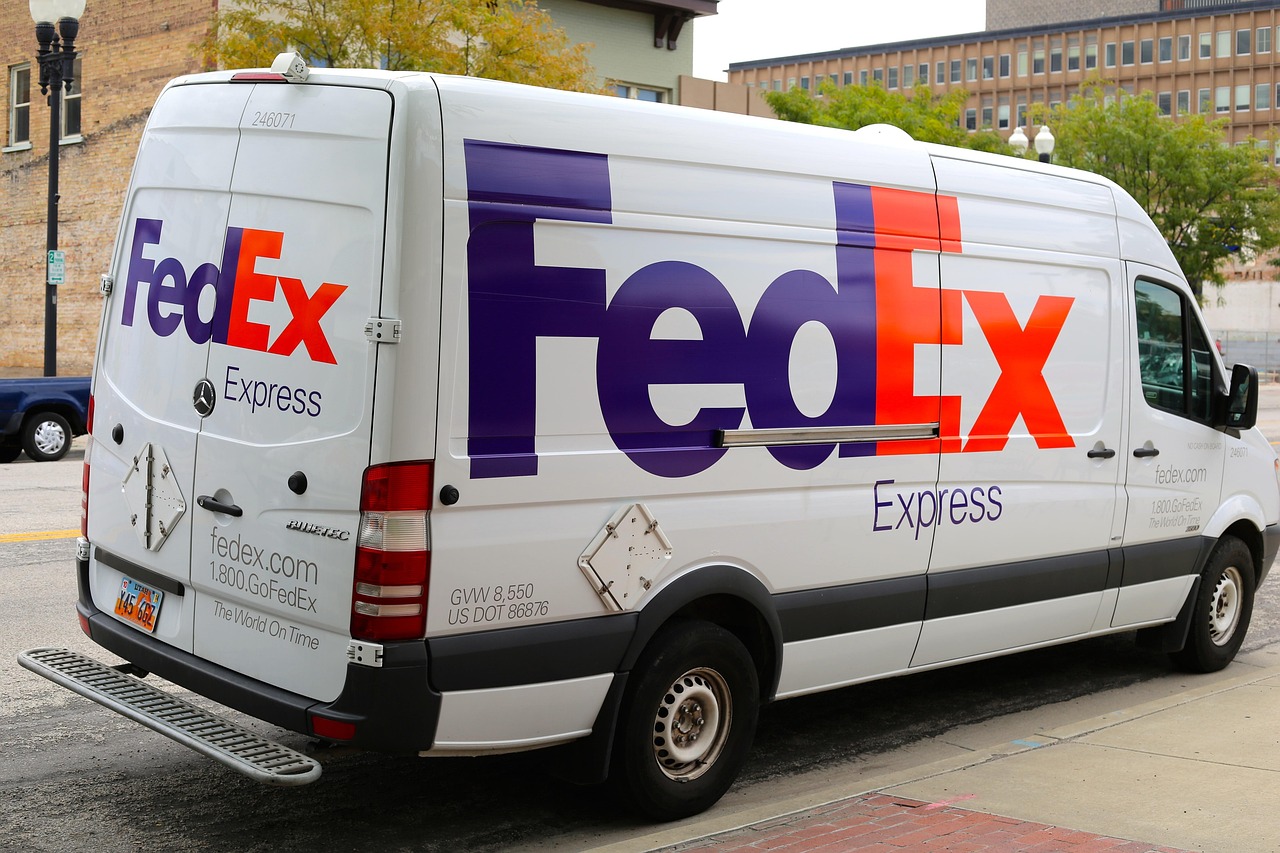
What Does Express Shipping Really Mean in International Trade?
Express shipping usually means a courier-led, time-sensitive service where one carrier or carrier group handles pickup, export, air transport, import clearance support, and final delivery. For a small exporter or buyer, it is simpler than arranging a truck, an air forwarder, a customs broker, and a local delivery agent one by one.
Time-Definite Door-to-Door Movement
Most express services are based on a stated delivery window. FedEx lists many international priority services at 1 to 3 business days to more than 200 countries and territories.
DHL Express describes its main international service as time-definite door-to-door delivery, often by the next possible business day. UPS offers express options for urgent shipments and expedited choices for less critical cargo. The actual timing still depends on the lane, cutoff time, local holidays, customs, and address type.
Best Fit for Light Industrial Goods
Express is a good fit for light industrial products such as plastic fittings, tooling samples, small motors, control boards, textiles, packaging proofs, household hardware, and promotional items. These goods are usually small enough for courier networks, but they can still be important enough to pay higher freight.
A buyer waiting to approve a surface finish may not care that ocean freight is cheaper if the launch date is next Friday. In that case, the value is in getting the approval moving, not in saving a few dollars on freight.
A Paid Shortcut, Not Magic
Express does not remove customs rules, product checks, lithium battery rules, or import taxes. It only gives the shipment a faster network and more active tracking.
If the invoice says metal parts but the box contains a powered device with a battery, the parcel may stop. A fast service with poor data can turn into an expensive delay, and many new shippers learn this after one bad shipment.
When Is Express Shipping Worth the Cost?
The useful question is not only whether express is expensive. The better question is whether the delay costs more than the freight. In international trade, one late sample can hold back a production run. One missing part can stop a machine. One urgent carton can help protect a customer relationship that took months to build.
Samples Before Production Approval
Samples are the most common express shipment. A 3 kg carton of molded parts, fabric swatches, printed bags, or metal brackets may decide whether a buyer confirms a 20-foot container later.
Paying more for a quick sample often makes sense because the parcel carries a decision, not just goods. If the buyer needs to check color, smell, hand feel, screw fit, or retail packaging, photos are not enough.
Small Batches for Urgent Orders
Express can also help when a customer needs 30 sets now and the rest later by sea. This split-shipment method is common in light industry.
You send a small batch by express to cover the shelf gap, then move the larger quantity by sea freight or regular air freight. The cost per unit may look high, but the customer keeps selling, and you reduce the risk of turning a late order into a lost account.
After-Sales Parts and Warranty Fixes
Small replacement parts are a practical use case because the goods are light and the customer is already unhappy. A missing gasket, broken knob, circuit board, or accessory pack may be cheap in product value but costly in trust.
Express shipping gives you a workable way to fix the issue quickly. It will not erase the mistake, but it can keep the discussion under control.
How Fast Can Express Shipping Be?
Speed claims need some background. A carrier transit time often starts after pickup acceptance and may assume export data is complete. It may not include the time you spend waiting for final packing, payment confirmation, safety documents, or a corrected invoice. That admin time is not exciting, but it can easily take a day.
Carrier Transit Windows
As public examples, FedEx International Priority is commonly shown as 1 to 3 business days, while DHL Express services often target the next possible business day on many lanes. UPS Worldwide Expedited is listed for important but less critical shipments at 2 to 5 business days, with faster express choices available.
These are service examples, not a guarantee for every product, address, or customs case. Before promising a date to a buyer, check the exact lane, cutoff time, and local delivery condition.
Customs Clearance Can Change the Clock
The World Bank Logistics Performance Index 2023 measures border performance through customs efficiency, infrastructure, shipment arranging, service quality, tracking, tracing, and timeliness. This matters because two countries can receive the same type of express parcel but handle it at different speeds.
No reliable public dataset gives one global average customs delay for every express lane. Clearance depends on product type, declared value, HS code, inspection risk, and local rules.
Peak Seasons Add Real Pressure
Peak weeks can make express less predictable. Black Friday, Christmas, Chinese New Year, regional holidays, and product launch months all put pressure on flights and delivery stations.
IATA data for May 2026 showed global air cargo demand up 6.0% year over year, which points to active demand for air capacity. During busy periods, book earlier, avoid last-minute carton changes, and check the carrier cutoff before giving your buyer a firm date.
What Costs Should You Check Before Booking?
The courier quote is only one part of the landed cost. Express pricing can change because of size, weight, address, fuel, customs service, duties, taxes, and special handling. A small box is not always cheap if it is bulky, remote, or declared badly.
Actual Weight and Dimensional Weight
Express carriers usually charge by the greater of actual weight and dimensional weight. This means a 4 kg carton can be billed like 9 kg if it is large and full of air.
This affects light industrial products such as foam packaging, display racks, plastic shells, lampshades, and assembled gift boxes. Measure the packed carton, not the product alone. A tape measure on the packing table can save real money. See also: Food Packaging.
Remote Area and Fuel Charges
DHL Express surcharge information updated in 2026 lists remote area delivery as a possible extra charge when pickup or delivery is outside standard service areas. Fuel surcharges also move over time.
Similar cost items exist across major carriers, though names and rules are not always the same. Always check the final quote by postal code, not only by country, because a capital city address and a mountain town address are not the same delivery job.
Duties, Taxes, and Broker Fees
Express freight does not make import duties disappear. The buyer, importer, or agreed paying party may still owe taxes and clearance-related charges.
If your trade term says the buyer pays duties, say that clearly before shipping. If you sell delivered duty paid, estimate the cost with care. A surprise tax request on delivery feels bad, even when the carrier has followed the normal process.
How Should You Prepare Goods for Express Shipping?
Preparation is where many fast shipments either work well or run into trouble. Express networks move quickly, so bad data moves quickly too, until it hits a checkpoint. Take a little time before pickup. It is less interesting than tracking a plane, but it matters more.
Clean Commercial Invoice Data
The U.S. International Trade Administration states that a commercial invoice is required for export and import clearance. Its export guidance also warns that documentation errors or missing information may delay goods, cause nonpayment, or even lead to seizure by customs officials.
For express shipping, your invoice should show seller and buyer details, product description, HS code if available, country of origin, quantity, unit value, currency, reason for export, and trade terms. If the description is too general, customs may ask more questions.
Right Packaging for Air Handling
Air courier parcels pass through fast sorting systems, vans, belts, cages, and local stations. Use strong cartons, corner protection, inner bags for small parts, and labels that stay flat.
Do not let screws, samples, or metal parts move around inside a half-empty box. For fragile light industrial goods, double-boxing may be worth the extra weight. One crushed sample can delay a whole approval round.
Early HS Code and Product Checks
Check the HS code, material, use, and any special control before pickup. Electronics, batteries, magnets, liquids, powders, chemicals, medical items, food-contact goods, and branded products may need extra care.
If you are unsure, ask the carrier or broker before the box leaves. Correcting paperwork after a shipment is already moving is possible, but it is not something most exporters want to deal with.
How Can You Choose Between Express, Air Freight, and Sea Freight?
Express is only one shipping tool. Standard air freight and sea freight may fit better once weight, carton count, and timing change. The right choice usually depends on value density, urgency, customs risk, and the cost of delay.
Express for Speed and Low Weight
Use express when the shipment is small, urgent, and worth fast handling. Samples under 20 kg, parts under 10 kg, and trial cartons for a buyer meeting are common cases.
Express is also useful when your customer wants door delivery and simple tracking instead of freight paperwork. If the goods are low value and not urgent, the numbers may not work.
Air Freight for Larger Urgent Cargo
Regular air freight may be better than express when you ship larger cartons, multiple boxes, or palletized cargo. It can be cheaper per kilogram, but it usually needs more coordination for pickup, airline handling, customs brokerage, and final delivery.
A 200 kg urgent shipment may belong in air freight, not courier express, especially if the cartons are large. In that situation, ask for both options and compare the full delivered cost.
Sea Freight for Planned Volume
Sea freight remains the practical choice for planned volume, heavy goods, and replenishment stock. It is slower, but the unit cost is often much lower.
For light industry, a common working pattern is simple: express for approval samples, air freight for the first urgent batch, and sea freight for stable repeat orders. It is not a fancy setup, but it works for many exporters and buyers.
FAQ
Q1: Is Express Shipping Always Faster Than Standard Shipping? A: Usually yes, but not every time. Customs holds, remote delivery addresses, holidays, wrong paperwork, and restricted goods can slow an express parcel.
Q2: What Products Are Best for Express Shipping? A: Samples, small urgent orders, spare parts, warranty replacements, documents, and high-value light industrial goods are good matches.
Q3: Can Express Shipping Include Customs Clearance? A: Express carriers often support customs clearance, but the importer still needs correct data and may need to pay duties, taxes, or local fees.
Q4: Why Did a 1 to 3 Day Express Shipment Take Longer? A: The delay may come from late pickup, missed cutoff, customs review, incomplete invoice data, weather, peak season capacity, or a remote final address.
Q5: How Can You Lower Express Shipping Cost? A: Reduce carton size, avoid empty space, check dimensional weight, confirm remote area fees, prepare clean invoices, and use express only when speed has real business value.