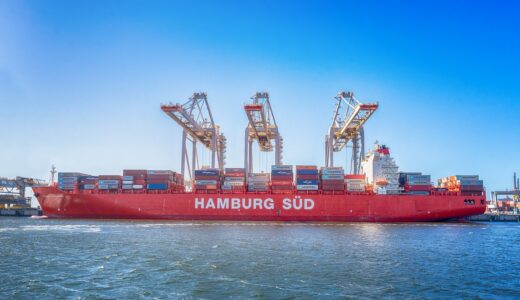
How Can Freight Shipping Save Money without Risking Delivery?
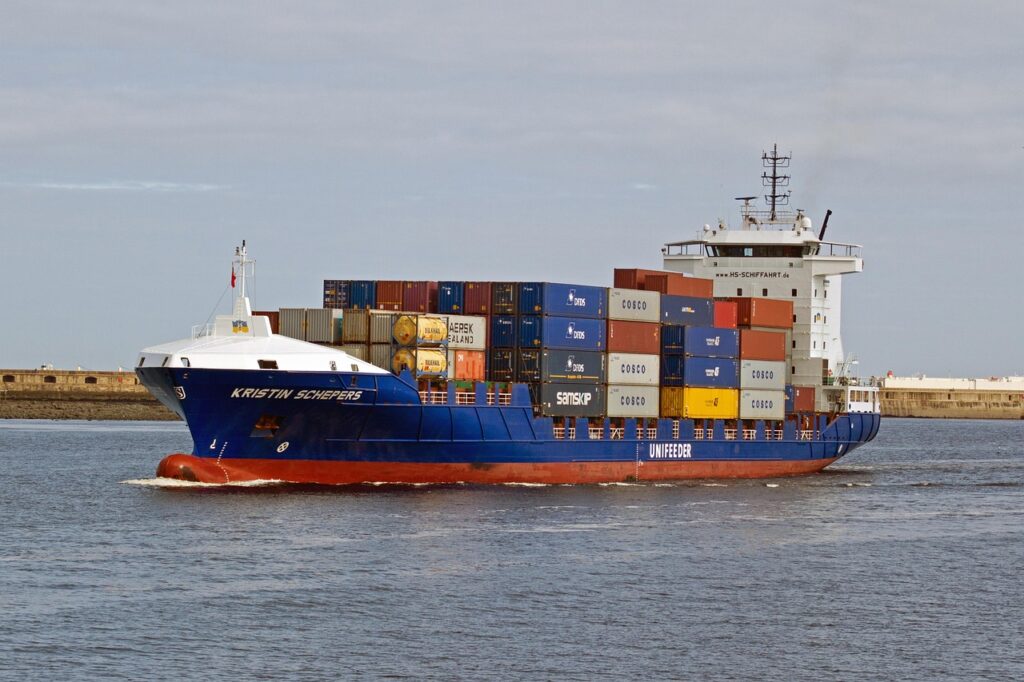
What Does Freight Shipping Really Cover?
Freight shipping is not only booking space on a truck, ship, plane, or rail car. For an importer, it is the whole job of moving commercial goods from the supplier to the buyer with the right transport mode, documents, packaging, customs plan, and delivery date. If you buy light industrial products, replacement parts, packaging materials, or finished consumer goods, the freight plan should start before the goods are ready. You can check related logistics topics in the Shipping section while you make a freight checklist for your next order. Public data shows why this matters. UNCTAD says about 80% of the volume of international goods trade moves by sea, and its Review of Maritime Transport 2025 reports that vessel rerouting pushed ton-miles up 5.9% in 2024, nearly three times the growth in volume. So a route change can raise the bill even when your order size stays the same. (unctad.org)
Pallet, Carton, and Container Moves
Your cargo type affects almost every freight decision. A few cartons may go by express or air freight, while several pallets may work better with less-than-truckload service or less-than-container-load ocean freight. A full production order may need a 20-foot or 40-foot container. The freight plan should fit the cargo, because dense metal parts, fragile glassware, stackable cartons, and oversized machinery do not move the same way in transit.
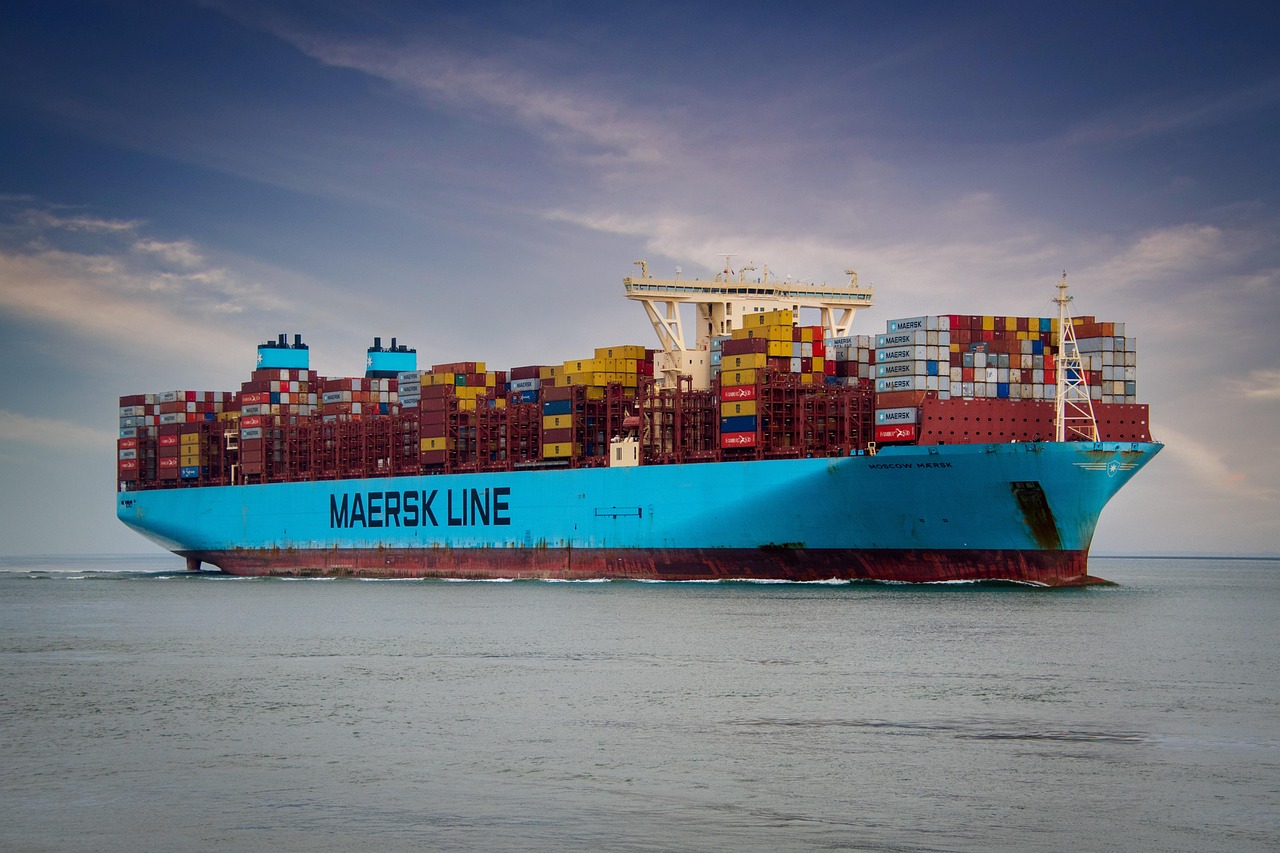
Ocean, Air, Truck, Rail, and Intermodal Choices
Each mode has its own job. Ocean freight helps control cost for heavier international cargo, while air freight saves time but normally costs much more. Trucking covers pickup, delivery, and many regional moves. Rail can help on long inland lanes when cost and capacity matter more than speed, and intermodal service connects two or more modes, such as ocean plus rail plus truck.
Commercial Terms That Shape Responsibility
Your sales term decides who books freight, who pays local charges, and when risk passes from seller to buyer. EXW, FOB, CIF, DAP, and DDP are not just letters on a proforma invoice. They change how much control you have over the shipment. If a supplier gives a low delivered price but does not show the details, ask what is included before you compare it with a forwarder quote.
Which Freight Shipping Mode Fits Your Product?
Mode choice is not only about speed. It also depends on product value, weight, cube, deadline, destination access, and how much delay your customer can accept. A rushed shipment can take away the profit from a good purchase order. A slow shipment can leave you short of stock. In real purchasing work, the best answer usually sits somewhere between these two sides.
Ocean Freight for Cost and Scale
Ocean freight is a common choice for heavy or bulky goods that do not need to arrive this week. It works well for light industrial goods such as hardware, fixtures, storage products, furniture components, and general merchandise. The tradeoff is time. Port congestion, blank sailings, customs exams, and weather can stretch the schedule, so add buffer days before a retail launch or factory installation. It may feel slow and boring, but buffer days cost less than emergency air freight.
Air Freight for Speed and Higher Value
Air freight fits urgent parts, samples, medical-related goods, electronics, and high-value products with small volume. IATA reported that full-year global air cargo demand rose 11.3% in 2024 versus 2023, while capacity rose 7.4%. That growth shows buyers still pay for speed when inventory risk is high. Use air freight when the saved time has a clear business value, not only because someone forgot to approve packaging artwork on Monday. (iata.org)
Truck, Rail, and Intermodal for Inland Moves
For North American or domestic legs, trucking often carries the final delivery pressure. The U.S. Bureau of Transportation Statistics reported that the U.S. freight system moved 54.8 million tons worth $68.4 billion per day in 2024. BTS also reported that truck and rail together accounted for 77.1% of North American land-border freight flows by dollar value in 2024. In daily import work, the inland leg needs the same attention as the ocean booking. (bts.gov)
How Do Freight Shipping Costs Get Built?
A freight quote is made of many charges. The main line-haul rate gets most of the attention, but small items often decide the final bill. Read the quote as a commercial document, not as a rough number. Ask for named origins, named destinations, cargo dimensions, validity dates, included services, and excluded fees.
Chargeable Weight, Volume, and Freight Class
Carriers charge by the weight and space your goods use. Air freight uses chargeable weight, which compares actual weight with dimensional weight. Ocean LCL often uses weight or measure, usually whichever is higher. U.S. LTL shipments may depend on freight class, density, handling, stowability, and liability. Correct measurements matter. A carton shown as 40 cm high but packed at 48 cm high can change the chargeable volume across the full order.
Surcharges, Accessorials, and Local Fees
Common extras include fuel surcharge, peak season surcharge, terminal handling, chassis fees, liftgate service, residential delivery, storage, customs exam fees, demurrage, and detention. The Federal Maritime Commission issued a final rule on demurrage and detention billing, with most provisions taking effect on May 28, 2024. The rule requires certain invoice information and gives clearer billing and dispute timeframes. For importers, the working habit is simple: keep pickup records, return receipts, terminal notices, and written carrier instructions. (fmc.gov)
Transit Time, Capacity, and Market Swings
Rates move when ships reroute, planes fill up, fuel rises, weather closes ports, or demand jumps before holidays. In a tight market, a quote valid for seven days may be normal. To compare quotes fairly, ask each provider to price the same scope:
- Same cargo dimensions and gross weight
- Same pickup and delivery addresses
- Same Incoterm and service level
- Same customs brokerage responsibility
- Same insurance choice and declared value
What Documents Keep Freight Shipping Moving?
Documentation is not exciting work, but it protects your timeline. Many freight delays do not come from the ship or truck. They come from a missing tax ID, unclear product description, wrong carton count, mismatch between invoice and packing list, or a compliance document that nobody requested until arrival. Clean paperwork is still one of the easiest ways to avoid paying for storage and rework.
Commercial Invoice and Packing List Accuracy
For U.S. imports, CBP guidance says the commercial invoice, or acceptable substitute, is submitted with entry and before release is authorized. The invoice should match the packing list, purchase order, and booking. Use clear product names, not internal nicknames. “Steel shelf bracket” is better than “part A-17.” Add material, use, country of origin, quantity, unit value, total value, currency, and terms. Small mistakes can make a customs officer ask big questions. (help.cbp.gov)
Bill of Lading and Booking Details
The bill of lading connects the cargo, carrier, shipper, consignee, notify party, vessel or flight, and delivery terms. Check names and addresses before departure. If the consignee name is different from the importer record, fix it early. For ocean freight, confirm whether the document is original, telex release, or sea waybill. A box stuck at the port because an original document is locked in a desk drawer is a problem that should not happen.
Product Compliance and Import Records
Some goods need test reports, certificates, labels, licenses, or agency filings. This is common for electrical goods, children’s products, food-contact items, chemicals, and regulated consumer products. Keep records in one folder by shipment number, so your team can find them when customs, a customer, or an auditor asks. At minimum, save the invoice, packing list, bill of lading, arrival notice, entry summary, duty payment record, delivery proof, and any certificate tied to the product. See also: Food Packaging.
How Can You Lower Risk Before Cargo Leaves?
The cheapest time to fix a freight problem is before pickup. Once cargo enters a terminal, every change takes time and usually adds cost. You do not need an expensive system to lower risk. You need clear packing rules, clean handoffs, written responsibility, and a calendar that leaves room for normal delays.
Packaging That Matches the Journey
Packaging should match the stress of the route. Ocean cargo may face humidity, stacking pressure, forklift handling, and weeks of movement. Air cargo may face quick transfers and security checks. Use stronger cartons for heavy goods, edge protection for flat panels, desiccants for moisture-sensitive items, and pallet labels on at least two sides. If cartons will be floor-loaded, confirm the unloading plan at destination. Not every warehouse wants that surprise at 8 a.m.
Insurance, Incoterms, and Clear Handoffs
Cargo insurance is usually small compared with the value of a full shipment. It does not stop damage, but it gives you a claim path if something goes wrong. Match insurance to your Incoterm. If you buy under FOB, you usually control main carriage and can arrange coverage from port of loading. If you buy under CIF, check the coverage level and exclusions instead of assuming it is enough.
Buffer Days for Ports, Customs, and Warehouses
A workable schedule leaves time for real operating issues. Add time for supplier packing, export clearance, carrier cutoff, port dwell, customs review, delivery appointment, and receiving inspection. If your customer needs goods on the 15th, do not plan delivery on the 15th. Plan delivery early enough to check quantity and damage before the deadline.
How Should You Choose a Freight Shipping Partner?
A good freight partner does more than sell a low rate. You need someone who explains tradeoffs, points out weak documents, gives realistic transit times, and replies when plans change. The World Bank Logistics Performance Index 2023 covered 139 countries and measured customs, infrastructure, international shipments, logistics service quality, tracking and tracing, and timeliness. Those six areas are also a useful way to judge your own provider. (worldbank.org)
Transparent Quotes and Written Scope
Ask for a quote that shows what is included and what is not. Door-to-door should mean pickup, origin handling, main freight, destination handling, customs entry if agreed, duties if included, and final delivery. If duties and taxes are not included, write that clearly in the purchase budget. A low quote with missing destination fees is not a bargain; it is an invoice waiting for you later.
Track-and-Trace Habits That Fit Your Team
Tracking should answer practical questions. Has the supplier delivered? Did the vessel depart? Has the container arrived? Is customs released? When is the truck appointment? A daily tracking email can help during peak season, but too many updates can hide the one message that matters. Set the communication rhythm before cargo moves.
Problem Solving When Plans Change
Freight plans change in normal business. A sailing rolls, a truck misses pickup, a customs exam appears, or a warehouse refuses delivery without an appointment number. Choose a partner who gives options, not excuses. Useful options may include splitting urgent cartons by air, changing destination ramps, pre-clearing documents, or booking a delivery window before the container becomes available.
FAQ
Q1: What Is Freight Shipping? A: Freight shipping is the commercial movement of goods by ocean, air, truck, rail, or a mix of modes. It usually includes booking, pickup, transport, documents, customs support, and delivery.
Q2: Is Ocean Freight Always the Cheapest Choice? A: Not always. Ocean freight is often cheaper for bulky or heavy cargo, but destination charges, storage, inventory delay, and inland delivery can change the real cost.
Q3: When Should You Use Air Freight? A: Use air freight when the time saved is worth the higher cost, such as urgent spare parts, launch samples, high-value goods, or stock needed to avoid lost sales.
Q4: What Documents Are Needed for Freight Shipping? A: Common documents include a commercial invoice, packing list, bill of lading or air waybill, arrival notice, customs entry records, and product certificates when rules require them.
Q5: How Can You Avoid Surprise Freight Charges? A: Compare quotes using the same cargo data, ask for excluded fees, confirm free time, keep terminal records, and get every service detail in writing before pickup.