Are Custom Corrugated Packaging Boxes Still the Best Choice for Export Brands?
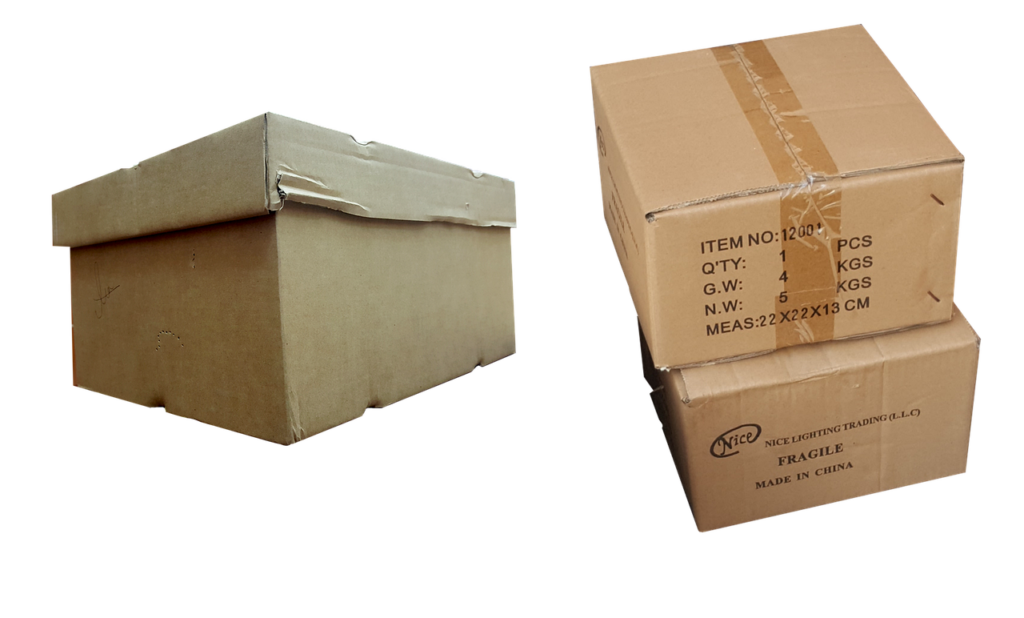
What Makes Custom Corrugated Packaging Boxes Work for Export Shipments?
When you ship across borders, custom packaging is more than an outer box with a logo. Custom corrugated packaging boxes let you match product size, stacking load, branding, barcode space, and freight rules in the same carton. Timing is part of the picture as well. According to the U.S. Census Bureau, Quarterly Retail E-Commerce Sales, released May 18, 2026, U.S. retail e-commerce sales reached $326.7 billion in Q1 2026 and accounted for 16.9% of total retail sales. More parcels also mean more chances for corner dents, wet docks, wrong labels, and that bad moment when a buyer opens a crushed box.
Fluting That Adds Cushion and Stacking Strength
Corrugated board works because the fluted paper between linerboards adds air space and stiffness. A-flute gives more cushioning, B-flute gives a flatter print surface, C-flute is common for shipping, and E-flute suits retail mailers with cleaner graphics. For export, the right flute is not always the thickest one. A small electronics charger may only need neat E-flute, while ceramic tableware often needs double-wall board and inner dividers.
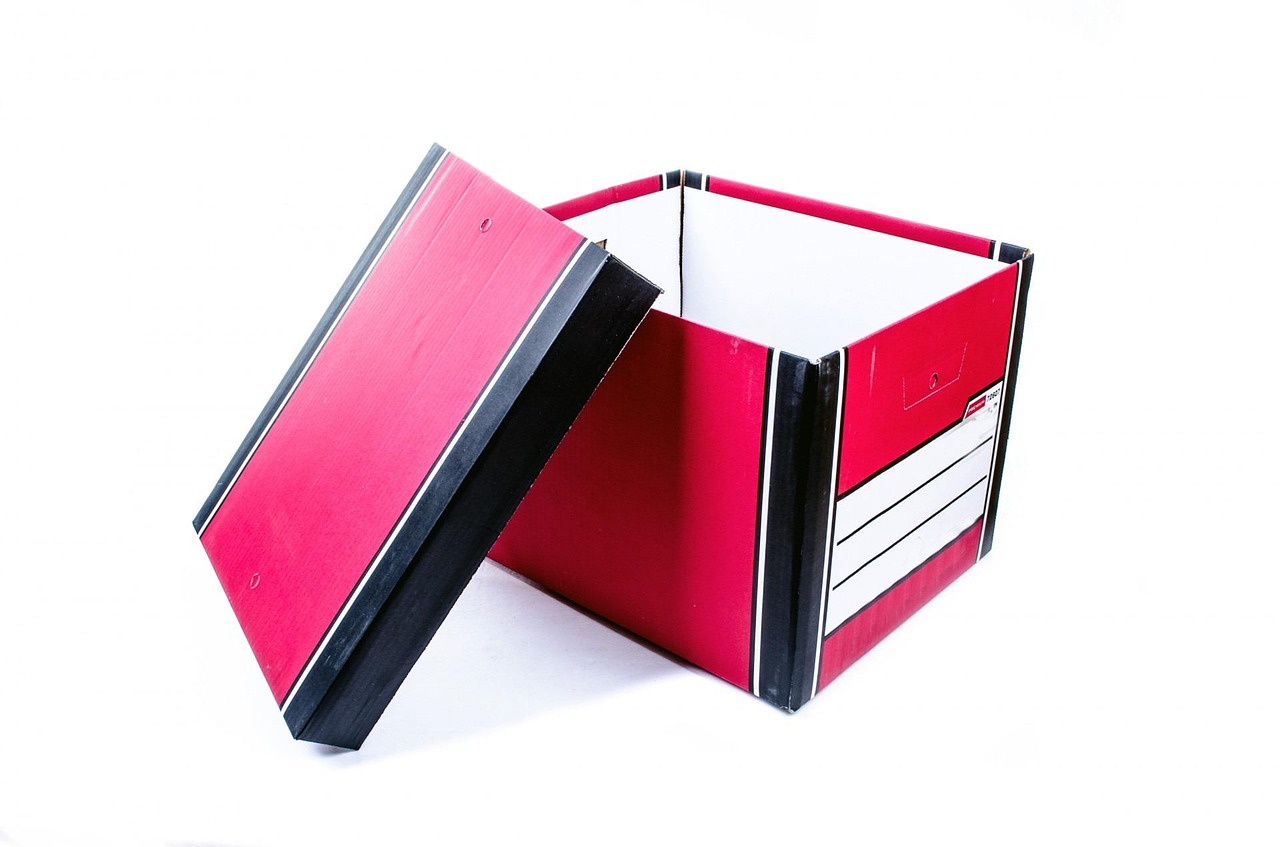
Board Grade Tied to Weight and Route
Your box grade should follow product weight, carton size, pallet pattern, storage time, and transport route. A 3 kg online item carries different risk from a 22 kg machine part stacked in a container for six weeks. Ask for board grade, bursting strength or ECT value, flute type, liner material, and moisture notes. These details may look plain on paper, but they help avoid real claim costs later.
Shape That Cuts Empty Space
Custom sizing helps you avoid paying freight for air. It also reduces filler use and stops products from moving inside the carton. A box that is 10 mm too tall may not look like a problem, but across 20,000 units it can change pallet count, container loading, and warehouse space. For a buyer, a good design is usually easy to understand: product in, protection around it, no rattling, simple opening, and a clean outside look.
How Should You Choose the Right Box Style?
Box style should be decided before artwork. If the structure is wrong, good printing will not save the shipment. Look at how the box is packed, sealed, stacked, opened, photographed, and recycled after use.
RSC for Standard Shipping
The regular slotted carton, often called RSC, is the normal choice for export cartons. It is simple to produce, easy to tape, and works for many product groups such as household goods, spare parts, textiles, and outer master cartons. If your warehouse uses quick manual packing, RSC boxes keep the work familiar for staff. Add dividers, pads, or trays when the product needs separation inside.
Die-Cut Mailers for E-Commerce
Die-cut mailers are useful for subscription products, cosmetics, small gifts, accessories, and DTC parcels. They can include tuck fronts, tear strips, locking tabs, and inside printing. The tradeoff is tooling cost, and assembly can take more time than a standard carton. For small products where unboxing matters, a die-cut mailer can look better than a plain shipper, even with one-color printing.
Telescopic or Double-Wall Boxes for Heavy Goods
Long, fragile, or heavy products may need telescopic boxes, five-panel folders, or double-wall cartons. Common examples include framed prints, LED light bars, metal parts, glassware sets, and flat-packed hardware. These structures give better edge cover and stacking support. They also help when the product length does not match standard stock sizes. Before placing an order, test the closure method because long cartons can spring open if the lock is weak.
Why Does Testing Matter Before a Big Order?
Testing is the point where packaging moves away from the drawing and meets real handling. A carton can look strong on a desk but fail on a vibrating truck floor. For export buyers, sample testing should be part of purchasing, not something added only when there is time.
Drop, Vibration, and Compression Checks
The International Safe Transit Association lists test procedure groups that cover screening, partial simulation, and general simulation. Its 3 Series procedures, for example, simulate damage-producing motions, forces, and sequences found in transport environments. Source: ISTA Test Procedures, accessed July 2026. For buyers, the point is simple: test the packed product, not only the empty box. The box and product move through transport as one system, so they should be checked that way.
ECT and Box Compression Numbers
Edge Crush Test, or ECT, measures how much load corrugated board can take on its edge. ISO 3037 describes ECT for corrugated board, and TAPPI T811 is widely used in North America. Source: ISO 3037 and TAPPI T811 summaries, accessed July 2026. ECT helps estimate stacking strength, while a box compression test checks the whole carton. Ask your supplier which number they use and how the test was done.
Small Pilot Runs Before Mass Production
A pilot run can show problems that drawings miss, such as hand holes too close to the edge, barcode zones covered by tape, inserts that slow packing, or flaps that crack after folding. For a first order, 50 to 200 trial boxes are often enough to check packing speed, appearance, pallet fit, and courier handling. This small run is cheaper than remaking 10,000 printed cartons. It also gives your warehouse a chance to confirm the packing method before mass production starts.
How Can Custom Printing Help Your Brand Without Raising Risk?
Printing should support the product and the supply chain. Export cartons pass through hands, belts, forklifts, customs checks, and damp loading areas. A practical printed corrugated box keeps the brand visible while leaving shipping information clear.
Simple Graphics That Travel Well
One-color or two-color flexographic printing often works well for outer cartons. It keeps cost under control and stays readable after normal scuffing. Full-color litho lamination can look good for retail displays, but it may be too much for a basic export shipper. Use clear logos, plain product names, and enough blank space. Tiny copy on brown kraft board rarely looks as good in real handling as it does in a PDF.
Labels and Barcodes With Clear Space
Leave a clean label panel for courier labels, FBA labels, carton marks, and compliance stickers. If tape crosses a barcode, warehouse scanning slows down and staff lose time. If your artwork covers every panel, workers may place labels wherever they find room. That can create confusion later in storage or delivery. A plain 100 mm by 150 mm label zone on one side can make a real difference.
Ink and Finish Choices for Real Handling
Kraft liner gives a natural look and hides scuffs better than white liner. White liner gives better color contrast, but it shows dirt faster. Water-based inks are common for corrugated printing, while coatings may be used for rub resistance or moisture control. For food-adjacent or cosmetic packaging, ask about ink migration, odor, and storage conditions. A box may look fine, but it should not smell strange when opened.
Are Corrugated Boxes a Good Sustainability Choice?
Corrugated has a strong recycling story in many markets, but sustainability still depends on the design. Overpacking, plastic-heavy coatings, hard-to-remove films, and mixed-material decorations can weaken that claim. Good custom corrugated packaging boxes use the right amount of paper, not the most paper. See also: Food Packaging.
Recycling Data That Supports Corrugated
The U.S. Environmental Protection Agency reported that corrugated boxes were the largest single product category of municipal solid waste in 2018 at 33.3 million tons generated, and that 32.1 million tons were recycled, giving corrugated boxes a 96.5% recycling rate. Source: U.S. EPA Containers and Packaging Product-Specific Data, 2018 data, updated online in 2025. More recent industry data from AF&PA says the 2024 U.S. cardboard recycling rate was 69% to 74%, with more than 33 million tons recycled. Source: AF&PA Paper and Cardboard Recycling Facts, 2024 data. These numbers are useful, but buyers still need to check local recycling rules in the target market.
Right-Sizing That Cuts Material Waste
The lower-waste box is often the one that fits the product properly. Right-sizing can reduce board area, void fill, tape, pallet space, and dimensional freight charges. It can also reduce damage because the product moves less during transport. Do not choose the thinnest board only for a sustainability claim. If a weak box causes product breakage, the product waste can be worse than the paper saved.
Recycled Content and Clean Design
Ask suppliers about recycled fiber content, FSC or similar forest certification if needed, and whether the box can enter normal recycling streams in your target market. FEFCO and Containerboard Europe state that their 12th edition life cycle inventory report uses 2024 data for corrugated base papers and corrugated board products, with broad European sector coverage. Source: FEFCO Life Cycle Inventory Database Introduction, 2024 data. The practical point is to use LCA data for product study, but avoid broad claims unless your exact box and route have been checked.
What Should Buyers Check Before Ordering From a Supplier?
A useful supplier discussion needs clear details. If you send only product photos and ask for the cheapest box, the result will probably be average. Share measurements, shipment route, product risks, print needs, and packing style from the start.
Accurate Product and Carton Measurements
Measure the product length, width, height, weight, fragile points, and accessories. Then decide the inner clearance needed for inserts or protection. For example, a glass jar set may need 8 mm to 15 mm around each jar for inserts, while soft apparel may need much less. Confirm whether dimensions are inner size or outer size. This small detail causes many buying mistakes.
MOQ, Lead Time, and Sample Terms
Custom corrugated boxes usually involve die-cutting tools, printing plates, sample fees, and minimum order quantities. Ask what happens if artwork changes after sampling. Also ask whether a digital sample, white sample, or printed sample is included. For export buyers, lead time should include proof approval, board production, printing, converting, QC, packing, and inland transport. It is better to confirm these steps early than argue about the schedule after payment.
Export Packing Details and QC Photos
Before payment, request clear QC photos and basic checks such as board thickness, print position, slotting, folding, glue line, carton count, and master packing. A short checklist keeps both sides on the same page:
- Confirm inner and outer carton size in millimeters.
- Check flute type, board grade, and ECT or compression data.
- Approve artwork with label zones and carton marks.
- Test packed samples before large-volume production.
- Keep one approved sample for future reorders.
For custom corrugated packaging boxes, the right supplier is not always the lowest quote. It is the one that asks useful questions before production starts and can show how the carton will handle the route.
FAQ
Q1: What Is the Best Board Grade for Custom Corrugated Packaging Boxes? A: The right grade depends on product weight, carton size, stacking time, humidity, and transport route. Ask for flute type, liner material, ECT value, and a packed sample test.
Q2: Are Custom Corrugated Boxes Better Than Stock Boxes? A: They are usually better when product fit, branding, pallet use, and damage control matter. Stock boxes can still work for small trial orders or products with flexible dimensions.
Q3: How Many Samples Should You Test Before Production? A: For many export projects, test several packed samples, not just one empty carton. Fragile, liquid, heavy, or high-value products need more repeated testing.
Q4: Can Corrugated Boxes Use Full-Color Printing? A: Yes. Flexo, digital, and litho-laminated options are available. Choose based on order size, artwork detail, budget, and whether the box is for shipping or retail display.
Q5: How Can You Make Corrugated Packaging More Sustainable? A: Use right-sized boxes, recyclable paper-based structures, sensible recycled content, simple inks, and less mixed material. Avoid weak designs that increase product damage risk.