Is Custom Tin Packaging the Best Choice for Premium Export Brands?
Why Should Export Brands Look at Custom Tin Packaging Now?
When you sell to overseas buyers, packaging cannot just look tidy in a product photo. It has to protect the goods, show the brand, hold up during shipping, and still feel worth the money when the customer opens the parcel. This is where custom packaging has a real job to do, and custom tin packaging is often a good choice for brands that want a firm, gift-ready, long-use pack.
The timing is easy to understand. Smithers reported in April 2026 that the global e-commerce packaging market was valued at $78.4 billion in 2025 and was expected to pass $105 billion by 2031. More goods now move through courier lines, warehouses, and export routes before they reach a shop shelf or a home. A tin will not save a weak product, but it can make the first touch feel safer and better made.
Shelf Impact in Crowded Retail Aisles
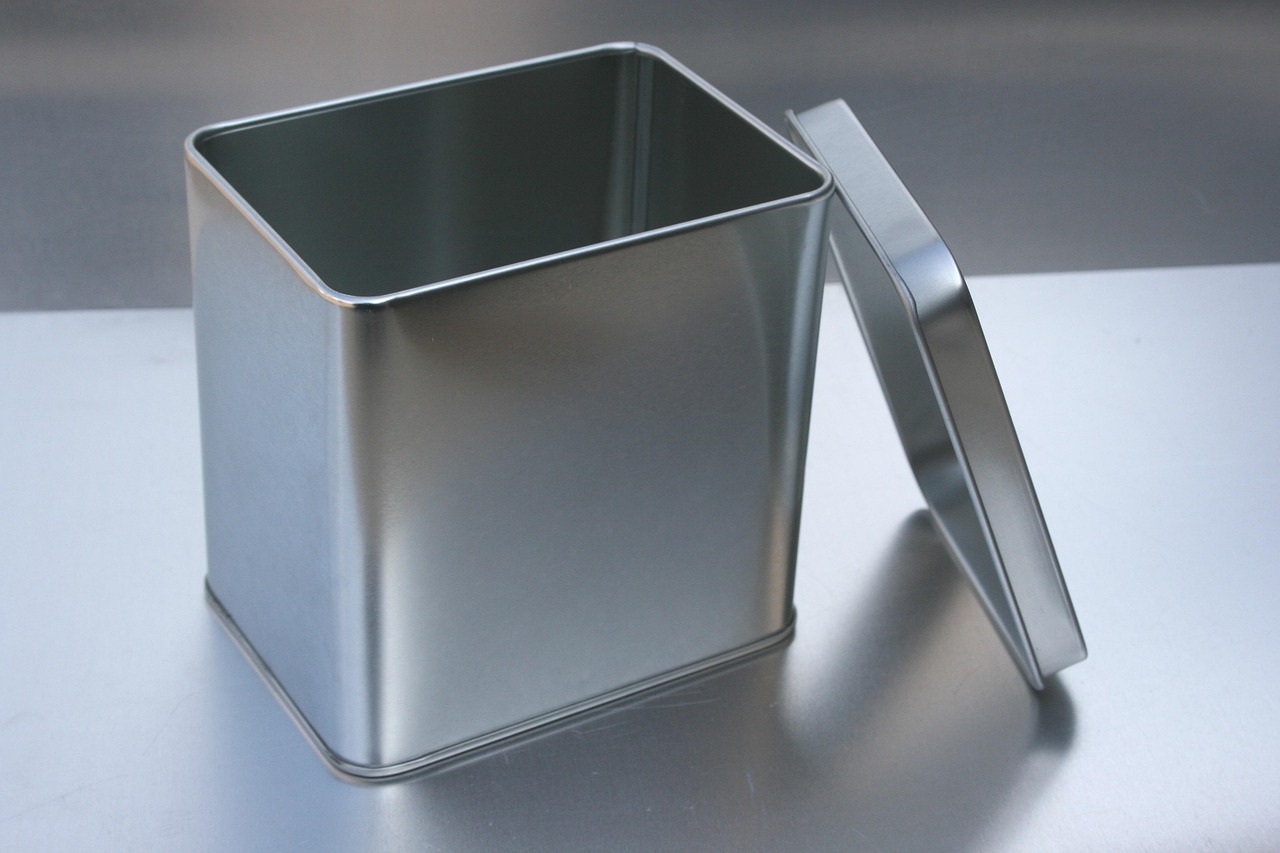
A tin box reflects light in a way paperboard usually does not. Matte black, brushed silver, pastel printing, raised logos, and shaped lids can make a small item look more like a gift. This helps tea, chocolate, biscuits, candles, and holiday sets, because buyers often make a quick value judgment in only a few seconds.
There is also a small but useful after-use point. Many people still keep old cookie tins for sewing tools, coins, batteries, or small household items. That habit keeps your brand in the home after the first purchase is finished.
Strong Protection During Long Shipping Routes
Tinplate gives the pack a hard shell, so it helps reduce crushing, scuffing, and light handling damage. For export shipments, the tin still needs to go inside a proper master carton with dividers or close inner packing. The metal box does the customer-facing work, while the carton deals with pallet stacking, vibration, and warehouse handling.
In practice, a good export pack uses both parts together. A tin alone is not enough for sea freight, air freight, or courier delivery if the outer packing is weak.
Recyclability Buyers Can Actually Check
Steel packaging has one clear recycling point: it is magnetic, so sorting plants can collect it with magnetic systems. Public figures give useful background. The U.S. Environmental Protection Agency estimated steel containers and packaging recycling at 1.6 million tons, or 73.8% of generation, using 2018 data published in its containers and packaging dataset. Steel for Packaging Europe also reported an 82% recycling rate for steel packaging in Europe for 2023.
The fair message is simple. Tinplate has working recycling routes in many markets, but one region’s data should not be turned into a worldwide promise.
Which Products Fit Custom Tin Packaging Best?
Custom tin packaging is not suitable for every SKU. It works best when the pack adds protection, gift value, shelf recall, or refill use. If the product is very low-cost, very heavy, or sold only as a short-use refill, a tin may push the cost too high. If the product relies on look and touch, the tin becomes easier to justify.
Confectionery, Tea, Coffee, and Spices
Food brands often use tins for cookies, mints, chocolates, loose tea, coffee, spices, and seasonal gift assortments. The format feels clean and strong, and it can help hold aroma when used with a tight lid or an inner sealed bag. For direct food contact, the tin needs the right internal coating or a food-grade liner.
For example, a 60 g loose tea product may use a printed tin with an inner pouch. The pouch protects freshness, and the tin gives the buyer a container they may keep using.
Cosmetics, Candles, and Gift Sets
Cosmetic brands use tins for lip balm, solid perfume, soaps, wax melts, skincare kits, and trial-size gift boxes. Candle brands also like tins because they travel better than glass and work well for travel-size products. Even so, the product still has to match the pack.
A liquid formula needs tested closures and compatibility checks. A tin is strong, but it is not a cure-all. Oils, acids, fragrance compounds, and heat can affect coatings if nobody checks them before production.
Industrial Samples and Promotional Kits
Tins also work for non-food items such as small hardware kits, textile swatches, medical promotional items, stationery sets, game cards, and corporate gifts. In B2B sales, a sample kit in a custom tin may stay on a buyer’s desk longer than a paper envelope.
That extra time in front of the buyer can matter when the buying cycle is slow. It gives a simple message: the supplier paid attention to the pack before the order even started.
How Should You Design a Tin That Feels Premium?
A premium tin is not only about bright printing or shiny metal. It is about fit, hand feel, opening action, and small details that buyers may not mention but still notice. A loose lid feels cheap. A box that is too large makes the product look small. A graphic that wraps poorly around a corner can weaken an otherwise good design.
Shape and Size That Match the Product
Start with the product size, fill weight, and retail display plan. Round tins are common for tea, cookies, and candles. Rectangular tins work well for chocolate bars, pencils, cards, and flat gift kits. Square tins stack neatly and look clean in a gift set.
If the budget is tight, ask about existing molds before opening a new shape. Existing tooling usually gives faster sampling and a lower starting cost.
Finish, Color, and Decoration Choices
Tin packaging can use CMYK printing, spot colors, varnish, matte finish, gloss finish, metallic effects, embossing, debossing, and window designs. For a luxury product, one quiet color with a raised logo may look better than a busy full-print pattern.
For a children’s biscuit tin, bright color and illustrated characters may make more sense. The design should fit the buyer and the sales channel, not only the brand manager’s personal taste.
Lids, Inserts, and Reuse Details
The lid changes how the buyer uses the pack. Slip lids are simple and familiar. Hinged lids are handy for gift boxes and stationery. Plug lids can help create a closer fit for tea or powder products.
Inserts also need a clear decision. Paperboard trays, molded pulp, EVA, or plastic inserts can hold products in place, but each one changes cost, recycling notes, and buyer feeling. If reuse is part of your message, make the tin easy to open, clean, and store.
What Compliance Details Should You Check before Production?
Compliance is not the interesting part of the project, but it protects the launch. The right checks depend on product type, sales market, and whether the product touches the tin directly. A decorative tin for wrapped candy is not the same as a tin for loose powder. A cosmetics tin has its own points too. Before mass production, ask for documents that match the real use, not a general certificate pulled from a folder.
Food-Grade Coatings and Contact Safety
The U.S. Food and Drug Administration explains that food packaging materials can include food-contact substances, and its review process looks at likely migration from packaging into food. The FDA also notes that some metal can coatings are used to stop food from directly contacting the metal.
For your project, ask which inner coating will be used, what food types it suits, and whether migration test reports are available for the intended market. These questions are better asked before artwork and tooling are confirmed.
Labeling Space and Market Rules
Good artwork still needs space for barcodes, ingredient lists, nutrition facts, allergen statements, importer details, batch codes, warning icons, and recycling symbols where required. Many export projects run into trouble because the front design is approved before the back panel is planned. See also: Food Packaging.
Keep a clear information area on the tin or on an outer sleeve. A small sticker can work for some orders, but it often looks like a last-minute fix if the rest of the pack is well designed.
Migration Reports and Supplier Records
Keep artwork approval files, coating declarations, material specifications, sample photos, inspection records, and shipment batch details. If a buyer asks for proof six months later, organized records save a lot of time.
For food and cosmetics, send the supplier the exact product type, filling method, storage condition, and target country before testing. A tin used for dry tea does not carry the same risk as a tin used for acidic candy or oily balm.
How Can You Control Cost, MOQ, and Lead Time?
Cost control starts before the quotation. The same product can land at very different prices depending on mold choice, printing method, order quantity, insert type, and carton packing. The goal is not always to make the cheapest tin. The goal is to make a tin that matches the selling price and avoids expensive surprises.
Existing Molds before New Tooling
New tooling gives you a special shape, but it adds cost and time. For a first launch, an existing round, square, or rectangular tin often makes better business sense.
You can still build a clear look with color, embossing, lid design, and a sleeve. Once the product sells well, a custom mold is easier to approve because there is real demand behind it, not only a design idea.
Artwork Approval before Mass Production
Always review dielines, color proofs, lid alignment, barcode size, and text legibility before mass production. Metal reflects light, so colors can look different from paper proofs. Fine lines may fill in during printing, and small text can become hard to read.
If the logo must sit exactly in the center of a lid, say it clearly at proof stage. Small errors become costly when they are repeated across 20,000 tins.
Packing Plans for Sea and Air Freight
ASTM International’s D4169 standard is widely used as a guide for performance testing of shipping containers and systems at levels that represent real distribution hazards. You may not need full lab testing for every simple order, but the idea is still useful: pack the tin as it will really ship, then check stacking, vibration, and drops.
Empty tins can dent if they rattle in the carton. Finished gift tins can scratch if they rub against each other. Carton strength, separators, and pallet pattern matter more than many people expect.
How Can Tin Packaging Support Sustainability Claims?
Sustainability claims need careful wording. Buyers like recyclable and reusable packaging, but they do not like vague green claims. Tin packaging can support a solid message when the facts are specific, the market is clear, and the design does not add mixed materials without a reason.
Public Recycling Data With a Clear Context
Use public data with context. The EPA’s 2018 U.S. figure for steel containers and packaging, and Steel for Packaging Europe’s 2023 European figure, both support the point that steel packaging has working recycling routes in developed collection systems.
They do not prove the same rate in every country. If you cannot find reliable public data for a target market, keep that note in your sales file instead of using a made-up percentage.
Reuse Value beyond the First Purchase
A tin can become desk storage, a refill container, a travel box, or a gift keepsake. That reuse value is real, but it is hard to measure in a clean number.
So it is better not to put a false figure on it. Design for real reuse instead: smooth edges, a lid that still fits after repeated opening, a size that works for home storage, and branding that still looks good after the product is gone.
Honest Claims Instead of Green Noise
A safer claim sounds like this: the tinplate body is recyclable where steel packaging is collected, and the container is designed for reuse. A risky claim sounds like this: completely eco-friendly in every market.
If the design includes a plastic window, foam insert, or laminated sticker, explain how those parts should be handled. Honest details usually build more trust than clean-sounding slogans that cannot be supported.
FAQ
Q1: What Is Custom Tin Packaging Used for? A: It is commonly used for tea, coffee, cookies, candy, cosmetics, candles, stationery, sample kits, promotional gifts, and other products that need a sturdy, attractive, reusable container.
Q2: Is Custom Tin Packaging Safe for Food? A: It can be safe when the right food-grade coating, liner, or inner pouch is used and the supplier can provide suitable compliance documents and migration test reports for your target market.
Q3: What Information Is Needed for a Quotation? A: Prepare the product size, fill weight, tin shape, order quantity, artwork needs, inner packing, target market, food-contact status, and shipping method. Clear details help avoid a quote that changes later.
Q4: Can a Tin Box Be Fully Recycled? A: The tinplate body is recyclable where steel packaging collection exists. Inserts, labels, windows, or mixed-material parts may need separate handling, so the final claim should match the full package design.
Q5: How Early Should You Start a Custom Tin Project? A: For a normal printed tin using an existing mold, start at least two to three months before your launch. Add more time for new tooling, food-contact testing, complex gift sets, or peak-season shipping.