Which Bags Food Packaging Buyers Trust Most for Safe Export Sales?
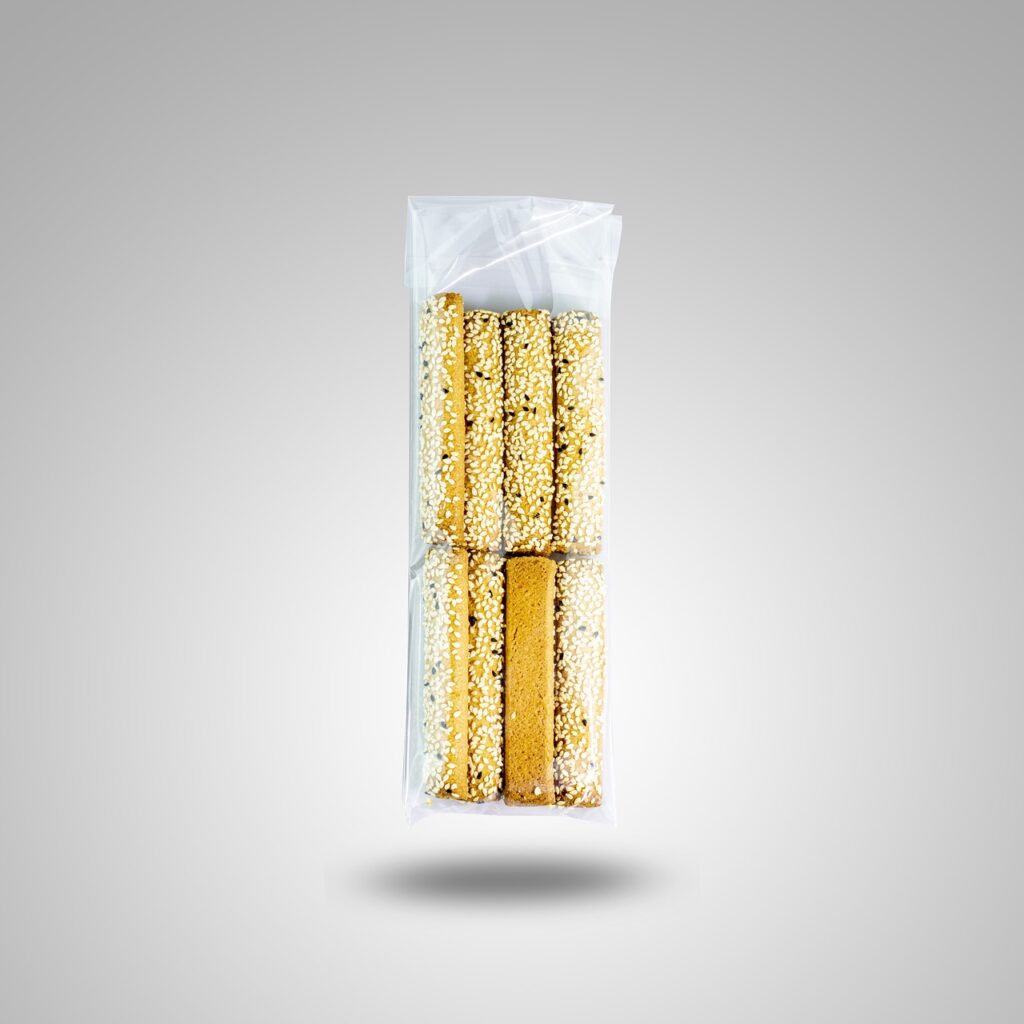
When you buy bags food packaging for snacks, bakery goods, frozen items, coffee, grains, sauces, or takeout products, the bag is doing more than covering the food. It protects the product, shows your label, affects how it looks on the shelf, and can be the reason a shipment arrives in good condition or turns into a complaint. For related product ideas, you can also browse the Food Packaging category.
Many buyers first ask for price per thousand pieces. That is normal in sourcing. In practice, the better place to start is the food itself: oily or dry, hot-filled or chilled, sharp-edged or powdery, single-serve or bulk. A cookie bag and a frozen seafood bag may both look simple in a catalog, but they are not doing the same job. Public waste data also gives buyers a reason to choose with care. The U.S. EPA reported in its 2018 municipal solid waste data that containers and packaging made up 82.2 million tons, or 28.1% of total MSW generation. That number is hard to ignore, and it makes weak packaging choices harder to explain to customers.
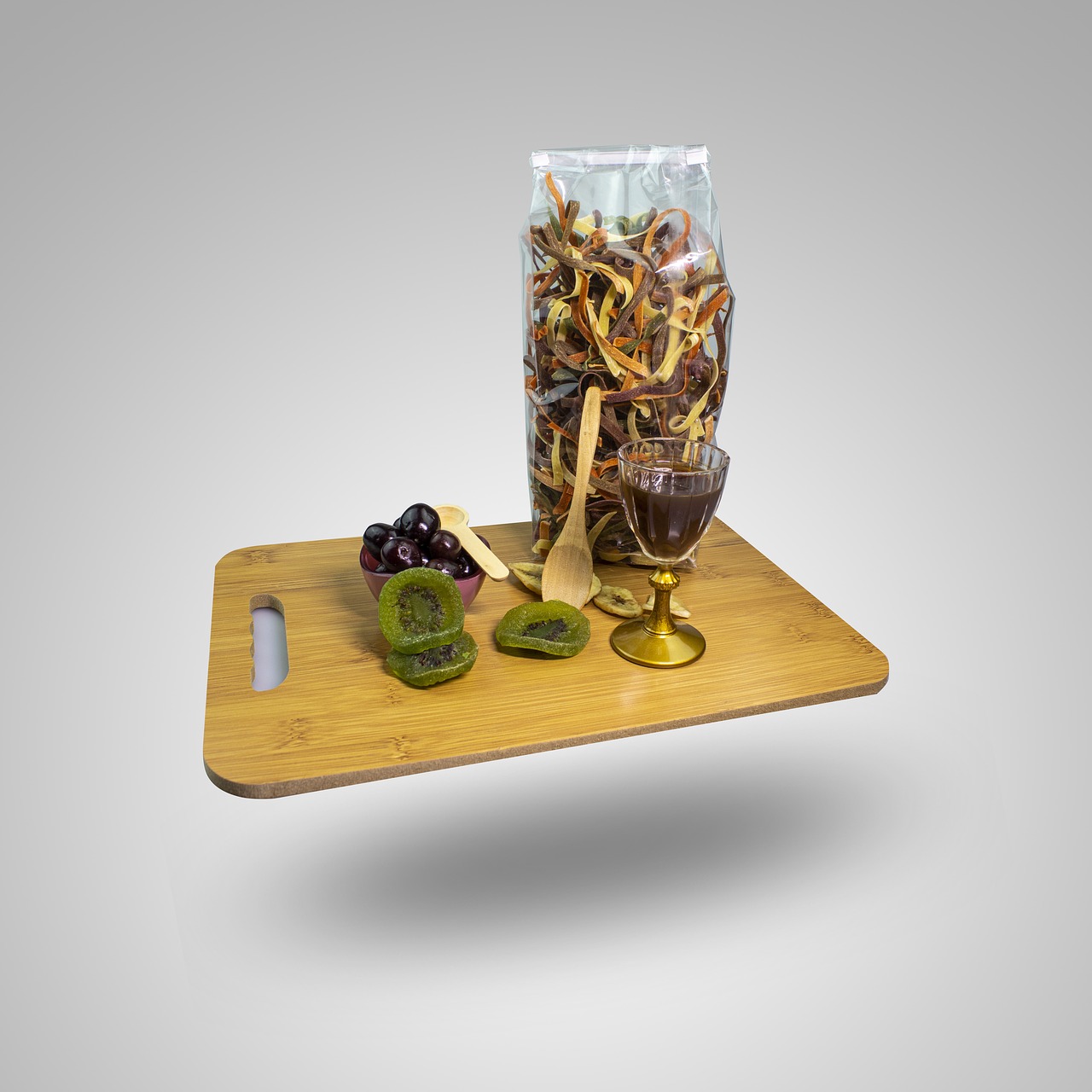
How Do Bags Food Packaging Protect Products During Export?
Export packaging takes more handling than local retail packaging. A bag may sit in a warehouse, pass through a humid port, stay inside a container, and then wait again before it reaches the store. A sound bag structure helps keep the food stable without adding too much weight or cost.
Barrier Control for Moisture, Grease, and Odor
Moisture is a common problem, even when it is not seen at first. It can soften biscuits, make powder clump, and change the texture of roasted snacks. Grease can mark paper or weaken a poor seal, while odor can move in or out of the bag. This matters for coffee, spices, pet treats, garlic snacks, and scented foods. For that reason, material choice should start with barrier needs, not only with thickness. PET, PE, PP, aluminum foil, EVOH, and coated paper all work in different ways. You do not always need the highest barrier. You need the barrier that matches the product, shelf life, and shipping route.
Sealing Strength for Long Shipping Routes
A good-looking bag is still a bad purchase if the seal is weak. Heat seal width, sealing temperature, dwell time, and film cleanliness all affect leak risk. Powders such as flour, protein mix, or seasoning can stay in the seal area and leave small channels. Liquids and sauces need tighter sealing checks because one leak can spread fast inside a carton. In export orders, a low leak rate can still become a large claim when stained cartons affect other cartons around them. Ask for seal strength data, then test samples on the filling line, not only by hand on a desk.
Print and Label Space for Retail Clarity
Food bags also carry sales and compliance information. Nutrition panels, barcode zones, batch codes, date marks, cooking directions, allergen statements, and country-specific labels all need space. A bag that looks clean in a mockup may become crowded after every required mark is added. Leave a clear quiet zone for barcodes and a flat printable area for coding. Small bags are often the easiest place to make this mistake. One 30 g snack pouch can be harder to lay out than a large rice bag.
Which Bag Materials Fit Different Food Products?
There is no one best material for every food bag. A safer way is to match the material with the food condition, packing speed, storage temperature, and sales channel. A supermarket shelf, a freezer cabinet, and an e-commerce parcel each create different problems for packaging.
PE and PP for Dry and Frozen Foods
Polyethylene is often used for inner layers because it seals well and works for many dry products at a workable cost. Polypropylene gives clarity and stiffness, so buyers often see it in snack and bakery packaging. For frozen foods, cold strength matters a lot. A film that feels fine at room temperature may crack during cold handling. If the product has corners, bones, shells, or hard frozen edges, puncture resistance should be checked early.
Kraft Paper Laminates for Snacks and Bakery
Kraft paper gives a natural look, so it fits bakery items, nuts, tea, grains, and organic-style snacks. Still, paper alone is usually not enough for direct food contact or grease control. It often needs a coating or laminated inner layer. That layer can improve sealing and barrier performance, but it may also affect recycling claims. The buyer question is simple: does the bag need a natural look, a strong barrier, or both? If both are required, the structure may need to be more complex.
High Barrier Films for Coffee, Nuts, and Sauces
Coffee loses aroma over time, and nuts can turn rancid. Sauces can leak, stain cartons, or damage outer packaging if the seal or pouch body is not right. High barrier structures help control oxygen, moisture, and aroma loss. Foil laminates are still used when shelf life is hard to meet, while clear high barrier films are used when the product needs to be seen. For coffee, valve pouches are common because roasted beans release gas. For sauces, spout pouches can reduce weight compared with rigid bottles, but the cap, spout weld, and pouch body should be tested together as one pack.
How Should You Check Food Contact Safety Before Ordering?
Food contact safety should not be treated as a small line on a quote sheet. It is part of the product you are selling. The U.S. FDA explains on its food contact substance pages that substances used in food packaging may need to comply with regulations or premarket authorization, depending on their intended use. In plain terms, the material must suit the actual food and the real use condition.
Material Declarations and Intended Use
Ask for a material declaration that names each main layer and states the intended food contact use. Dry food, fatty food, acidic food, hot fill, microwave heating, freezer storage, and long shelf storage are not the same use case. A supplier may say a film is food grade, but that phrase is too broad by itself. You need the exact structure, the contact side, and the suggested temperature range. These details also make it easier to compare offers from different suppliers.
Migration Testing for Heat, Fat, and Storage Time
Migration testing checks whether substances can move from packaging into food or food simulants under set conditions. Fatty foods and hot filling can be more demanding than dry products stored at room temperature. A candy bag and a hot-filled soup pouch should not rely on the same type of test report. For export, ask whether the report matches the target market. EU, U.S., and other markets may ask for different documents, and local importers may have their own checklist as well.
Recycled Content With Clear Food Contact Proof
Recycled content can sound good in a product brief, but food contact use needs proof. The FDA also publishes opinions and guidance related to recycled polymeric food contact materials. That does not mean every recycled plastic is suitable for direct food contact. If recycled content is part of your brief, ask where it sits in the structure, whether it touches food, and what approval or no-objection support is available. If there is no reliable public data for a special recycled claim, it is better to say so than print a claim that cannot be supported later.
What Packaging Formats Work Best for Shelf Impact?
Format changes how shoppers see and use the product. It also affects packing speed, carton quantity, freight cost, and shelf space. The best format is normally the one that balances display, protection, filling, and price. It is not always the most complicated pouch in the sample book.
Stand Up Pouches for Premium Display
Stand up pouches work well for nuts, granola, coffee, dried fruit, pet treats, candy, and many refill products. They give the brand a front panel that works like a small display area. Zippers add reuse value for multi-serve foods. Even so, the bottom gusset needs careful design. If the pouch falls over when half-filled, the shelf looks untidy and the product loses impact. Test it with the real fill weight, not with plastic pellets that only copy the volume.
Flat Bags for Fast Packing Lines
Flat bags are simple, light, and often suitable for high-speed packing. Pillow bags are widely used for chips, biscuits, frozen vegetables, noodles, and single-serve products. They run well when the film matches the packing machine. A few millimeters of wrong width can cause wrinkles or poor print registration. For printed roll film, confirm the eye mark size, roll direction, core size, and maximum roll weight before mass production. These points look small, but they can stop a packing line. See also: Eco Packaging.
Gusseted Bags for Bulk and Powder Products
Side gusset and block bottom bags help products stand better and use carton space well. They are used for coffee, rice, grains, flour, milk powder, and bulk snacks. For powder, anti-static treatment and good seal design can reduce dust issues around the seal. For heavy fills, handle cutouts or reinforced seals may help, but they add cost. A buyer should compare the cost of the bag with the cost of broken bags during transit. The second cost is usually the one that hurts more.
Can Sustainable Food Bags Still Perform Well?
Sustainability claims are now part of many food packaging projects. The pressure from retailers, brand owners, and regulators is real. Eurostat reported that the EU generated 188.7 kg of packaging waste per inhabitant in 2021, the highest level in the period covered by its news release dated October 19, 2023. UNEP also noted in 2023 that the packaging sector is the largest generator of single-use plastic waste. These public figures do not tell you which exact bag to buy, but they do show why customers ask more direct questions.
Source Reduction Before Fancy Claims
The first practical step is often to use less material while keeping the bag safe. A lighter film, smaller headspace, better carton fit, or stronger seal can reduce waste without a big claim on the pack. Do not cut thickness without testing. A failed bag creates food waste, and food waste can be worse than saving a few grams of packaging. Run drop tests, compression tests, and shelf life checks before changing a structure that already works.
Recyclable Mono Materials With Real Limits
Mono-material PE or PP bags can support recycling in some markets because they avoid mixed layers. But recycling still depends on local collection, sorting, ink coverage, labels, and contamination. A recyclable design is not the same as actual recycling. Be careful with broad claims, especially for export orders. If your target country has weak flexible packaging collection, a simple recyclable logo may mislead buyers. Use clear wording that fits the market where the product will be sold.
Paper Looks Natural but Still Needs Testing
Paper-based bags look familiar and are easy for shoppers to understand. Many customers also like the touch and appearance. But grease, moisture, oxygen, and heat may require coatings or inner films. Those added layers can change repulpability or compostability. The right paper food bag should be built around the product, not just around a brown color. For oily bakery items, coated paper may be needed. For dry tea sachet outer bags, a simpler structure may be enough.
How Can Buyers Specify Bags That Avoid Costly Mistakes?
A clear specification saves time for both buyer and supplier. It also makes pricing more honest. When a request only says “food bag, 100 microns, custom print,” suppliers may quote different structures, so the price comparison is not useful. A better brief usually leads to fewer surprises.
A Clear Product and Filling Brief
List the product name, net weight, filling temperature, storage condition, expected shelf life, target market, and packing machine type. Add photos if you have them. For greasy, sharp, dusty, or strong-smelling foods, mention the issue at the start. Also state whether the bag needs zipper, tear notch, hang hole, valve, spout, window, matte finish, or high-gloss print. These small details can change both the structure and the price.
Samples Tested on Real Equipment
Lab samples are useful, but line trials show what will happen in production. Test sealing speed, cutting, coding, filling accuracy, leakage, pouch standing, and carton packing. If the product will move by sea, keep samples in a warm and humid place for a few days before checking seals and print rub. It may sound like an old warehouse habit, but real storage conditions are not gentle. This kind of check often finds problems before they become claims.
Tolerances, Carton Packing, and Delivery Terms
Food bag orders need clear tolerances for size, thickness, color, quantity, and roll length. Carton packing also matters more than many new buyers expect. Heavy rolls can damage cores, and loose pouches can curl or crease. For export orders, confirm pallet style, moisture protection, carton marks, and documents before shipment. For regulated meat or poultry packaging in the U.S., 9 CFR 317.24 requires establishments to maintain guaranties for food contact packaging materials, including conditions of use such as temperature limits. That example shows why documentation is part of packaging control, not just office paperwork.
FAQ
Q1: What Is the Best Material for Bags Food Packaging?
A: The best material depends on the food. Dry snacks may use PP or laminated films, frozen foods need cold toughness, coffee may need a high barrier pouch with a valve, and sauces need strong seals plus leak testing.
Q2: Can Food Packaging Bags Be Both Recyclable and High Barrier?
A: Sometimes, yes, but there are tradeoffs. Mono-material barrier films are improving, but products with very long shelf life may still need complex layers. Always check local recycling rules before making a claim.
Q3: What Documents Should a Buyer Ask for Before Ordering?
A: Ask for the material structure, food contact declaration, test reports that match the intended food and market, print proof, size tolerance, packing details, and sample approval records. These files help both sides avoid disputes later.
Q4: Are Paper Food Bags Safer Than Plastic Food Bags?
A: Not automatically. Paper may still need coatings or inner films for grease and moisture. Safety depends on the full structure, the contact layer, and the tested use condition.
Q5: How Can You Reduce Complaints on Export Food Bag Orders?
A: Give a detailed brief, test samples on the real machine, confirm seal strength, check artwork rules, review food contact documents, and run transit-style checks before placing a large order. It takes more time at the start, but it is cheaper than handling complaints after shipment.