How Can Food Packaging Machinery Make Your Production Line Faster and Safer?
Why Does Food Packaging Machinery Matter More in 2026?
Food packaging machinery is no longer just the last machine in the corner of a food factory. For snacks, frozen meals, sauces, bakery goods, dairy, grains, or ready-to-eat packs, the machine affects output, hygiene, labor use, shelf life, and how retailers judge your supply. If you are checking more product categories, the Food Packaging section may also help.
The market is still putting money into packaging lines. PMMI, The Association for Packaging and Processing Technologies, reported in its 2025 Packaging State of the Industry infographic that the U.S. packaging machinery market reached USD 11.3 billion in sales in 2024, with modest growth forecast for 2025. This does not mean every plant should buy the highest-priced system. It does show that buyers are paying for lines that run faster, waste less film, and give clearer production data.
Packaged Food Demand Keeps Moving
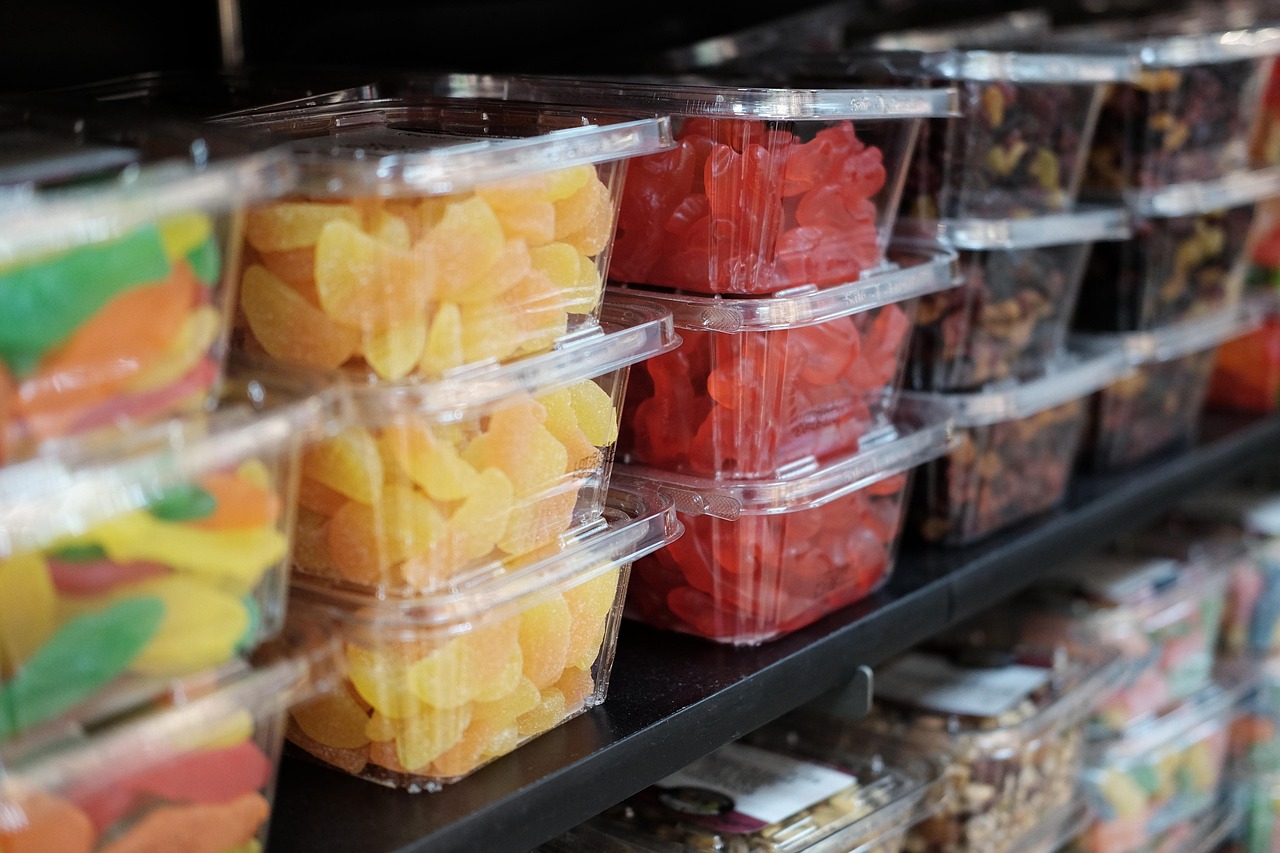
Retail shelves now carry more small packs, resealable pouches, family packs, meal kits, and private-label products. Each pack style puts different pressure on the machine, so the first question is not the brand name but the actual product and bag format. A vertical form fill seal machine may be right for chips or rice, while a tray sealer may suit chilled meals. A rotary pouch packer can be a better fit for nuts, candy, or pet treats.
Food Waste Pressure Starts Early
FAO policy data says 13.2 percent of food is lost in the supply chain after harvest and before retail. UNEP’s Food Waste Index Report 2024 also reported that 19 percent of food available to consumers was wasted at retail, food service, and household level. Packaging cannot solve the whole waste problem. Even so, a sound seal, clean filling, correct gas flushing, and readable date codes help keep more sellable food moving through the chain.
Labor Gaps Push Lines Toward Automation
Many plants still depend on hand loading, manual case packing, and one experienced operator who notices when a sealer starts to sound wrong. That operator may not be there next year. Modern food packaging machinery can reduce that risk with recipe storage, clear touch screens, servo drives, sensors, and set changeover points. These features are not fancy for their own sake. They help a night shift keep running when the line is under pressure.
Which Machine Type Fits Your Food Product Best?
No single machine fits every food plant. Dry powder, sticky sauce, fragile biscuits, and wet salad all move through equipment in different ways. Before comparing prices, match the machine with product flow, pack style, shelf life target, and cleaning work.
Vertical Bagging for Free-Flowing Products
Vertical form fill seal equipment is widely used for rice, beans, coffee, frozen vegetables, powders, snacks, and granules. The machine forms film into a bag, fills it from the top, then seals and cuts it. It can work with multihead weighers, auger fillers, cup fillers, or volumetric systems. If you handle mixed SKUs, check the bag width range, film tracking, jaw temperature control, and how quickly the forming tube can be changed.
Premade Pouch Packing for Retail Appeal
Premade pouch machines usually cost more per pack because the pouch is already made before filling. The trade-off is that the finished pack often looks better on the shelf. Stand-up pouches with zippers, spouts, tear notches, or hang holes are common for nuts, dried fruit, sauces, seasonings, and pet food. If you choose this route, ask about pouch opening success rate, zipper handling, nitrogen flushing, and reject systems for unsealed bags.
Tray Sealing for Fresh and Ready Meals
Tray sealing is used for meat, fish, fruit, salads, pasta, ready meals, and bakery products. The machine needs steady tray denesting, accurate filling, clean film cutting, stable seal pressure, and modified atmosphere packaging if the product calls for it. USDA FSIS explains that modified atmosphere packaging replaces some or all oxygen with gases such as carbon dioxide or nitrogen for certain meat and poultry packs. Your food technologist still has to test and approve the shelf life for the real product.
How Should You Judge Speed and Line Layout?
Speed is not just the number of packs per minute on a sales sheet. Real output comes from infeed stability, filling accuracy, film changes, cleaning time, coding, checkweighing, rejects, case packing, and pallet flow. A machine listed at 80 bags per minute may only run at 52 in a real plant if product feeding is poor or the operator has to stop often to adjust film.
Real Output Beats Brochure Speed
Ask for test results using your actual product or a close sample. Dry rice does not run like oily granola, and frozen dumplings can bridge inside hoppers. Shredded cheese can cling where you do not expect it. A serious supplier should talk about average speed, not only peak speed. A machine that holds 60 packs per minute for four hours with stable seals may be better than a faster model that keeps stopping.
Changeover Time Shapes Daily Capacity
Most food plants do not pack one size all day, every day. You may move from 200 g bags to 500 g bags, then to a club-store pack before the shift ends. Tool-free changeover, marked handwheels, stored recipes, quick-release guards, and easy film threading can save a surprising amount of time. A small plant running five SKUs per day should treat changeover time as seriously as rated speed.
Space, Utilities, and Product Flow Matter
Measure the production room before you sign the order. Include operator access, washdown clearance, reject bins, compressors, conveyors, metal detectors, printers, cartons, and service space. A tidy layout drawing can still miss one basic point: people need room to move safely with tools and cleaning carts. Check air demand, power supply, floor drainage, and ceiling height early, especially for vertical baggers with elevators.
What Food Safety Details Should You Check Before Buying?
Food safety is where a cheap machine can become costly. A low purchase price does not help if powder stays in dead corners, sauce leaks into bearings, or labels cannot be read during a recall. Good food packaging machinery should make cleaning, inspection, and recordkeeping easier for the people using it.
Food Contact Surfaces and Clean Access
Look for stainless steel where the product touches the machine, smooth welds, open frames, sloped surfaces, and parts that can be removed without a fight. For wet foods, ask about washdown rating and places where water may sit. For powders, ask how dust is controlled near seals and electronics. If a machine takes two hours to clean, operators will slowly be pushed to skip steps, and that is not a safe routine.
Seal Integrity and Oxygen Control
Seal quality is not only about how the pack looks. It protects flavor, texture, shelf life, and food safety. Check heat balance, dwell time, pressure, seal width, and how the machine handles product contamination in the seal area. For vacuum or reduced oxygen packaging, FDA Food Code 2022 includes detailed provisions around reduced oxygen packaging and HACCP controls in retail food settings. Industrial processors still need their own validated food safety plans, especially for chilled, ready-to-eat, or low-acid products.
Labels, Codes, and Recall Records
Lot code, date code, allergen statement, barcode, and weight data must stay readable after packing, shipping, and normal handling. If the code rubs off or lands in the wrong place, the line has a real problem even when the bag itself looks fine. FDA’s FSMA traceability rule has brought more attention to recordkeeping for certain foods, and FDA has published proposals about extending the compliance date to July 20, 2028. Since dates and duties may change, exporters should check the current rule before shipment. See also: Eco Packaging.
How Do Sustainability and Traceability Change the Machine Choice?
Buyers now ask more about film thickness, recyclable materials, mono-material pouches, paper-based packs, ink use, and data codes. The machine will not set your sustainability plan by itself. Still, it can either support the materials you want to use or make them hard to run. That is why material testing should be done before final machine acceptance.
Recyclable Structures Need Wider Sealing Windows
Some recyclable films and paper-based laminates seal in a narrower temperature range than traditional multilayer plastic. They can wrinkle, stretch, or burn if the jaws are not controlled well. The EU’s Packaging and Packaging Waste Regulation begins applying from mid-2026 and sets a direction toward all packaging being recyclable by 2030. If Europe is your target market, test likely future materials now instead of waiting until the machine is already on your floor.
2D Codes Need Better Print Control
GS1’s Sunrise 2027 program has pushed retailers toward point-of-sale readiness for 2D barcodes by the end of 2027. These codes can hold more product data, such as lot, expiry, or digital product pages. On the line, the printer, vision inspection, product handling, and reject station need to work together. A smeared code on a glossy pouch looks like a small issue, but it can create a large claim later.
Material Reduction Must Not Hurt Protection
Using less packaging sounds sensible, but the pack still has to protect the food. The World Packaging Organisation has long argued that packaging’s primary role is product protection, including food preservation and waste reduction. A thinner film that doubles puncture damage is not really a greener choice. Test drop strength, seal strength, oxygen barrier, moisture barrier, and transport damage as one group, not as separate lab numbers.
What Buying Checklist Helps You Avoid Costly Mistakes?
A good purchase process can feel a bit dull, and that is not a bad thing. Dull usually means the important points are written down before money changes hands. Use a clear checklist before paying a deposit, especially when the supplier is overseas and the machine must run many SKUs.
Product Tests Before the Purchase Order
Send real product, real film, real trays, or real pouches for testing. Ask for videos, sample packs, weight data, seal test notes, and reject counts. If the supplier cannot test your sticky sauce or fragile cookie, write that limit into the contract instead of hoping it will work later. No reliable public data can promise a universal payback period for every food packaging line, because labor cost, material cost, downtime, and SKU mix differ too much from plant to plant.
Service, Spares, and Training Plans
A machine is only as useful as the support behind it. Ask for spare parts lists, recommended wearing parts, electrical drawings, manuals, remote support hours, and operator training. PMMI’s 2025 workforce research highlighted needs such as better onboarding, knowledge capture, embedded HMI help, QR-linked documentation, and remote OEM support. Put simply, operators need clear help at the machine, not a dusty binder left in an office.
Total Line Cost Beyond the Machine
The purchase price is only one part of the full line cost. Budget for conveyors, printers, checkweighers, metal detectors, compressors, platforms, guards, installation, spare parts, and factory acceptance testing. Also check film waste during startup and roll changes. Ten meters of wasted film per roll change may sound small, but it adds up fast when it happens many times in one shift.
- Confirm product type, target pack size, and shelf life goal.
- Test real packaging materials before final approval.
- Check cleaning access, food contact parts, and safety guards.
- Review coding, weighing, inspection, and reject handling.
- Agree on spare parts, training, warranty, and acceptance standards.
Choosing food packaging machinery is not about buying the biggest line your budget allows. It is about matching the machine to the job and proving that match with product tests and clear numbers. When that work is done properly, the line can run faster, lose less product, and give retailers more confidence in every carton you ship.
FAQ
Q1: What Is the Most Common Food Packaging Machinery for Dry Snacks? A: Vertical form fill seal machinery with a multihead weigher is common for chips, nuts, candy, grains, and similar free-flowing foods.
Q2: How Do You Know If a Machine Is Fast Enough? A: Compare average stable output, changeover time, cleaning time, and reject rate. Do not rely only on the highest speed in the brochure.
Q3: Can One Machine Pack Many Food Products? A: Sometimes yes, if the products have similar flow behavior and pack formats. Very different products may need different fillers, jaws, conveyors, or feeding systems.
Q4: Why Is Seal Testing So Important? A: A weak seal can cause leaks, oxygen entry, short shelf life, recalls, and retailer complaints. Seal strength and appearance should both be checked.
Q5: Should You Choose Automatic or Semi-Automatic Food Packaging Machinery? A: Choose automatic equipment for steady volume, labor savings, and repeatable quality. Choose semi-automatic equipment when volume is lower, formats change often, or the budget is tight.