How Can Custom Toy Packaging Make Your Toy Safer and Easier to Sell?
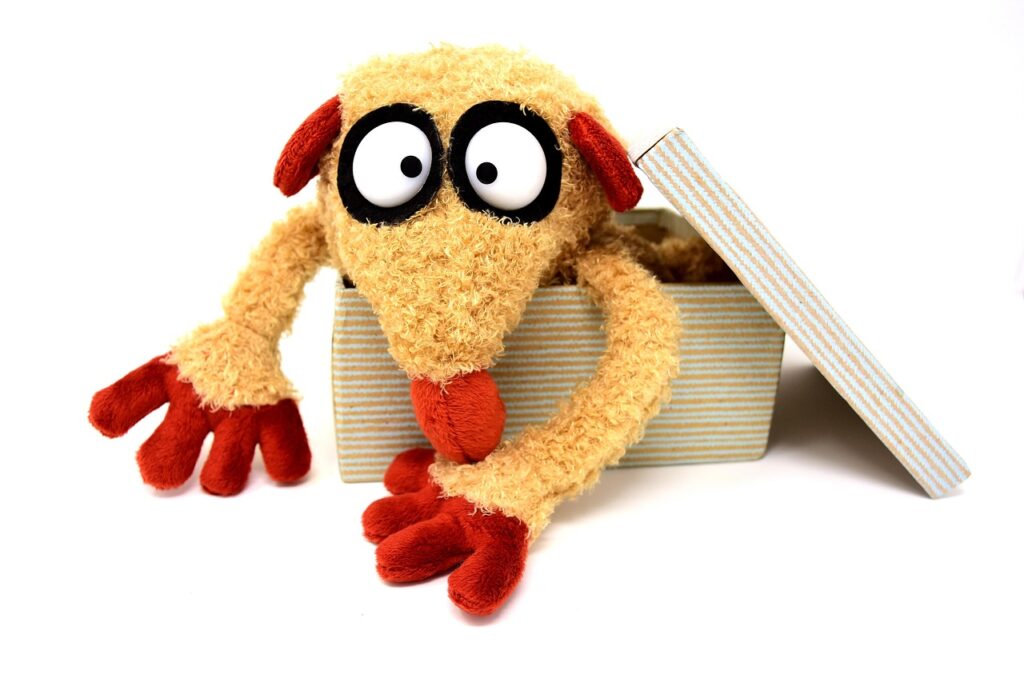
Custom toy packaging is usually the first thing a parent, retailer, or distributor sees before they touch the toy. It should look suitable for the product, but it also needs to carry warnings, protect the item, explain the selling point quickly, and hold up during the trip from factory to store or doorstep.
If you are working on a toy launch, seasonal gift set, collectible figure, puzzle, plush item, or educational kit, the box should be planned together with the product from the start. For more packaging options across light industrial products, you can visit the custom packaging category and compare formats for toy retail, wholesale, and e-commerce orders.
Why Does Custom Toy Packaging Matter before a Child Opens the Box?
A toy box has a mixed job. It gives adults safety and price information, while children notice the color, shape, and character first. This makes toy packaging more demanding than a regular retail carton. Public market data also shows why small details matter: The Toy Association, using Circana data, reported that U.S. retail toy sales reached $30.3 billion in 2025, up 6% from 2024. In a market that crowded, a weak package can be passed over fast.
Product Safety Starts on the Outside
Parents often check the outside of the package before they look closely at the toy. Age grade, choking warnings, material notes, and assembly guidance should be easy to find, not hidden in a corner.
The U.S. Consumer Product Safety Commission states that ASTM F963-23 became the mandatory toy safety standard for toys manufactured on or after April 20, 2024. Packaging does not replace testing, but it is where many required safety messages are first seen by the buyer.
Gift Value Shapes First Impressions
Toys are often bought as gifts for holidays, birthdays, and school reward seasons. A rigid box with a clean insert can make a small collectible feel more complete and ready to give.
A paperboard window box can also help a parent see the figure, color, or texture without opening the pack. Small details still matter here, such as a neat hanger tab, a short story on the back panel, or a window that does not rub and scratch during shipping.
Retail Buyers Judge the Box Fast
A buyer may only scan a sample for a few seconds at a trade show or sourcing meeting. The front panel should show the toy type, age range, main benefit, and brand cue without making the design crowded.
If your packaging looks hard to display, weak for stacking, or unclear on safety labeling, the product may feel like a risk even when the toy itself is good. This is why the box needs to be checked from both the sales side and the packing side.
What Should Be Printed on Toy Packaging for Global Sales?
Packaging copy for toys should be planned around the sales market. A box for the United States, European Union, Middle East, or Southeast Asia may need different language, marks, importer details, and warning layouts. Artwork should not be treated as the last decoration step. It is part of compliance, customer service, and brand trust.
Age Grade and Choking Warnings
Age grading should match the toy design, small parts, play pattern, and test result. If the age mark is wrong, the package can create problems for both customs review and retail approval.
The CPSC small parts guidance says certain toys for children aged 3 to 6 that contain small parts must carry choking hazard warning labeling. That warning also applies in certain advertising cases, so the package should leave enough space for warning blocks before artwork is approved.
Batch Codes and Importer Details
Batch codes help trace production if a defect, color issue, or recall risk appears later. They should be printed or labeled in a place that can be read after packing, not covered by tape or stickers.
For imported children’s products in the U.S., the CPSC says children’s products subject to safety rules need a Children’s Product Certificate based on testing by a CPSC-accepted lab. Beginning July 8, 2026, importers of most regulated consumer products are required to eFile certificate data, so packaging artwork should be planned together with product records, not after cartons are already printed.
Clear Icons and Short Instructions
Good toy packaging does not rely on long blocks of tiny text. Simple icons can show age, battery needs, assembly, recyclable material, small parts, and adult supervision when those points apply.
Short instructions also reduce confusion in homes and stores. A parent reading a box while holding a shopping basket will not spend time on a paragraph that feels like a legal document.
Which Box Style Fits Your Toy Best?
The best box style depends on product size, breakage risk, display method, and sales channel. A plush toy does not need the same structure as a STEM kit with screws and cards. A blind box collectible also sells in a different way than a transparent window doll box. Choose the structure first, then work on the design.
Rigid Boxes for Collectibles
Rigid boxes work well for higher-price toys, limited editions, model kits, board game sets, and collector items. They feel firm in hand and can hold molded pulp, EVA foam, paper trays, or printed inserts.
The main issue is cost and shipping volume. This structure makes sense when the toy has enough margin or gift value to support the added packaging cost.
Window Boxes for Character Toys
Window boxes are common for action figures, dolls, vehicles, craft kits, and animal toys because the buyer can see the product. A PET or cellulose-based window can show color and scale while reducing the chance of customers opening boxes in stores.
The window shape should stay practical. A cloud or star shape may look nice on a mockup, but it can crease or tear if the glue area is too narrow.
Mailer Boxes for Online Orders
For direct-to-consumer toy brands, a mailer box can work as both product box and shipping box when the toy is not too fragile. This can reduce extra packaging and make packing faster in the warehouse.
Amazon’s public sustainability updates say the company has avoided 4.2 million metric tons of packaging materials since 2015 through packaging reduction programs. The point is simple in daily export work: right-sized packaging can cut waste, freight weight, and warehouse mess at the same time.
How Can Materials Balance Safety, Cost, and Sustainability?
Toy brands get pressure from both sides. Parents want safe packaging that looks clean, while distributors want strong cartons at a cost they can plan. The U.S. Environmental Protection Agency reported that containers and packaging made up 82.2 million tons, or 28.1% of U.S. municipal solid waste generation, in 2018. The number is not new, but it is still often used because it shows the size of the packaging waste issue.
Paperboard for Light Toys
Paperboard is a good fit for puzzles, card games, small plush accessories, flash cards, mini figures, and educational toys. It prints well, folds neatly, and can use recycled content depending on the print and strength requirements.
For child-facing products, coating, ink, and lamination should be checked together with the testing plan. A matte film may look good, but it is not useful if it creates recycling confusion or adds cost without a clear reason. See also: Food Packaging.
Corrugated Board for Shipping Strength
Corrugated board is better for heavier toys, multi-piece sets, subscription boxes, or export cartons. For online orders, the flute type and board grade matter more than many brands expect.
A box that looks fine in the sample room may crush when stacked under a 12 kg master carton. Before mass production, ask for drop testing, compression checks, and corner protection, especially for toys with plastic shells or sound modules.
Plastic Windows With a Reason
Plastic windows still make sense when visibility reduces returns or gives retail buyers more confidence. The key is to use them only where they help the sale or inspection.
If the product photo already shows the toy clearly, a full-face plastic window may be unnecessary. DHL’s 2025 E-Commerce Trends Report for businesses found that 84% of surveyed businesses were doing or planning actions to remove plastic and unnecessary packaging, while 80% were doing or planning clearer recycling instructions, so buyers are paying attention to these details.
How Should You Design Toy Packaging for Stores and E-Commerce?
Store packaging and e-commerce packaging do not work the same way. Store packaging needs to attract attention on the shelf. E-commerce packaging needs to arrive clean, sealed, and ready for photos or gifting. If one box is used for both channels, the design needs a practical balance.
Front Panel Copy That Sells Quickly
The front panel should answer four questions: what is it, who is it for, what does it do, and why is it fun? A STEM kit might say “Build 12 Simple Machines” and show the age grade clearly.
A plush toy might use a name, character face, and washable note. Do not put every feature on the front panel; accessories, story text, and care notes can go on the side or back panel.
Unboxing Steps That Feel Neat
Children notice the opening moment, and parents notice the cleanup. Inserts should hold parts securely without making the unboxing feel like a small job.
Paper ties, molded pulp trays, and folded card locks can replace some plastic clips in many cases. For sets with tiny parts, add a simple “check contents before play” line, because it can prevent missing-piece complaints later.
Carton Tests before Mass Production
Before approving bulk cartons, test the packaging with the real toy, real insert, real tape, and real shipping direction. A sample without the final toy weight only tells part of the story.
For export shipments, check master carton size, pallet pattern, barcode scan area, and humidity risk. Toys often move during peak season, when warehouses are full and cartons are handled quickly.
What Should Your Supplier Check before Production?
A reliable packaging supplier should talk about structure, print, packing, and documents before taking a deposit for mass production. Nice artwork is only one part of the job. The supplier should also help you avoid common mistakes, such as a barcode on a curved edge, a window film that scratches, or a box that cannot hang straight.
Structural Samples and Drop Tests
Ask for a blank structural sample before full-color proofing. Put the real toy inside, shake it, stack it, and open it the way a parent would.
For fragile toys, run simple drop checks from common handling heights. This does not replace lab testing, but it catches many practical problems early.
Print Proofs and Color Control
Characters, brand colors, and licensed artwork need steady color control. A blue robot that shifts toward purple may look like a different product on the shelf.
Request digital proofing first, then a printed proof on the chosen material when color is important. Keep one signed sample as the production standard, because it saves arguments when bulk goods are checked.
Packing Lists and Export Cartons
Packaging work does not stop at the retail box. You also need inner cartons, master cartons, pallet labels, and packing lists that match the buyer’s system.
For toy importers, this matters even more after the CPSC eFiling requirement took effect on July 8, 2026. The box, certificate data, invoice, and shipment records should give the same product information.
FAQ
Q1: What Is the Best Material for Custom Toy Packaging? A: Paperboard is common for light retail toys, corrugated board is better when shipping strength is needed, and rigid board suits premium collectibles. The right choice depends on toy weight, sales channel, safety labeling, and budget.
Q2: Does Toy Packaging Need Safety Warnings? A: Many toys need age grades, choking hazard warnings, battery notes, or supervision messages, depending on the product and target market. Safety wording should be checked against the rules in the country where the toy will be sold.
Q3: Can One Toy Box Work for Both Retail and Online Sales? A: Yes, but it has to be designed with care. Retail needs shelf display and clear product selling points, while online sales need stronger corners, tamper control, and protection during shipping.
Q4: How Early Should Packaging Be Planned in a Toy Project? A: Start packaging once the toy size, age grade, parts list, and sales channel are mostly confirmed. If you wait until the final week, warning layouts, inserts, and reprints can become expensive problems.
Q5: What Should Be Checked before Mass Production? A: Check the box structure, insert fit, warning area, barcode scan, color proof, carton strength, and packing method. Use real toy samples for review, not empty mockups.