How Can Custom Boxes and Packaging Cut Damage, Cost, and Waste?
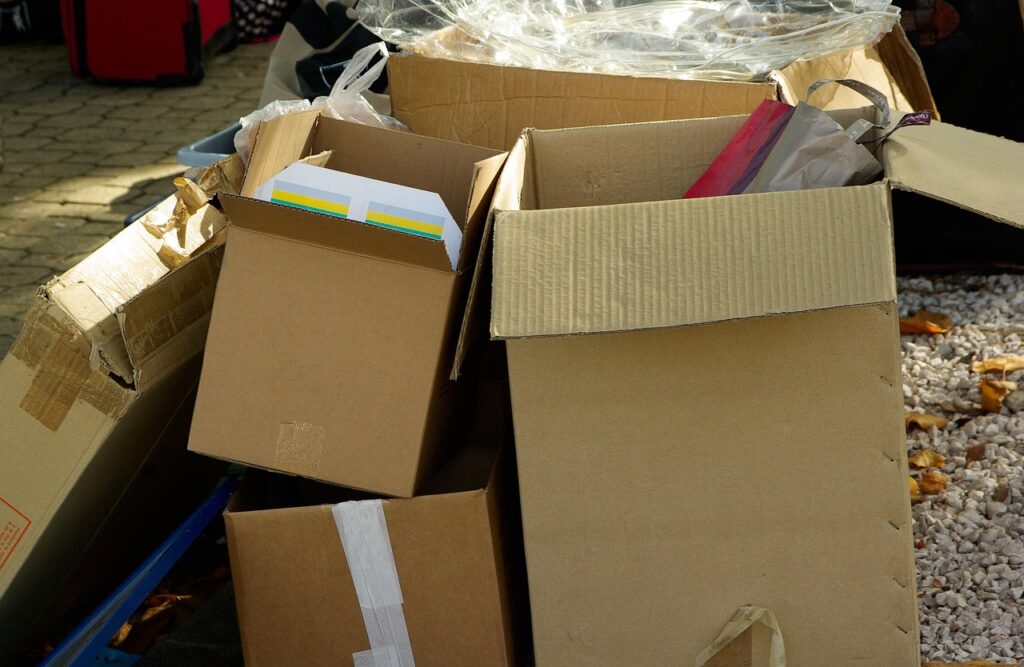
Why Do Custom Boxes and Packaging Matter More Than a Plain Shipping Carton?
If you sell across borders or ship direct to customers, custom boxes and packaging are more than a printed outer box. They affect product safety, freight cost, shelf look, buyer trust, and the moment a customer opens the parcel at home. That moment is short, but it can make the product feel well handled or cheaply packed.
Your Product Faces More Trips Than You See
A box may go from the factory line to a warehouse, then onto a truck, through a port, onto a pallet, into a parcel hub, into a local van, and finally to the doorstep. At each stop, there can be drops, vibration, pressure, moisture, and label damage. For export manufacturing, the package has to match the real shipping route, not only the product photo shown in a catalog.
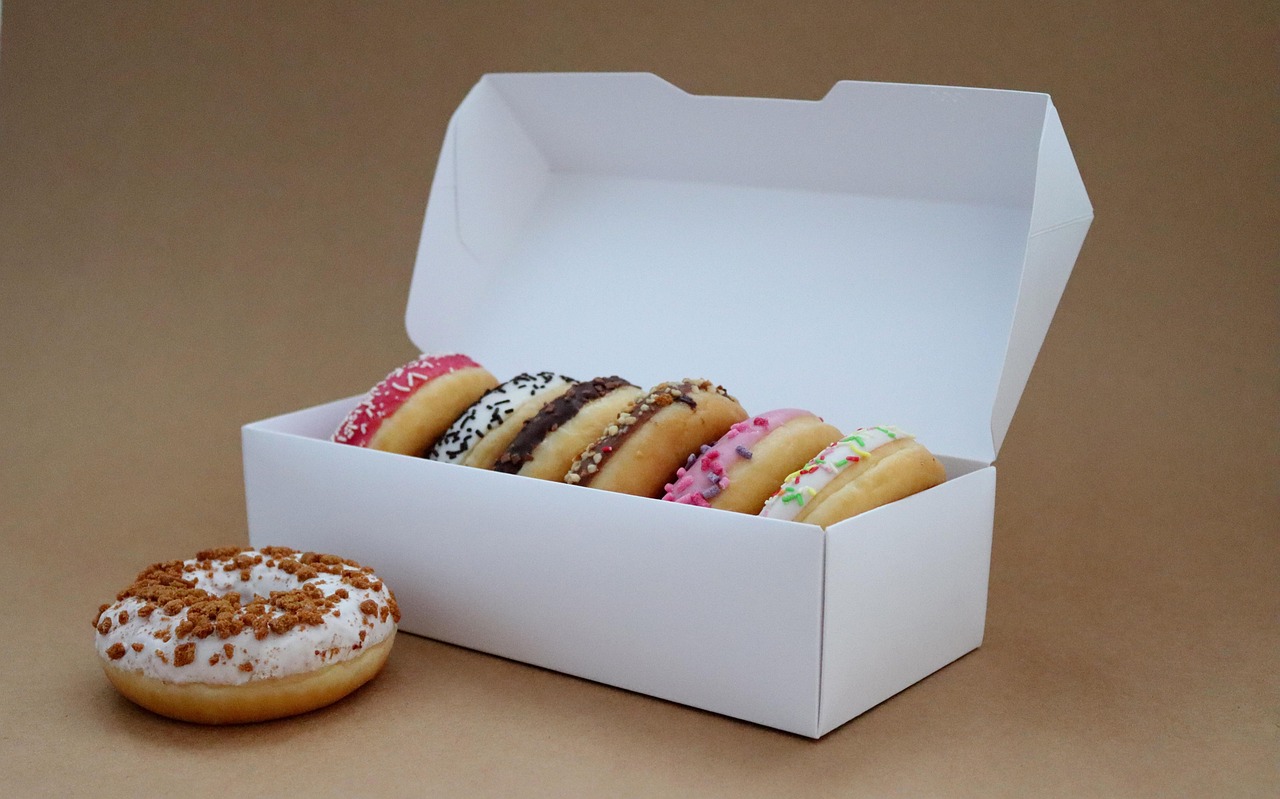
The Box Sets the First Physical Impression
Online shoppers often do not touch the product before they pay, so the package becomes the first real brand contact. The U.S. Census Bureau reported that U.S. retail e-commerce sales reached $326.7 billion in the first quarter of 2026, up 9.8 percent from the first quarter of 2025. With more online orders, more boxes are doing the job that a shop shelf used to do. (census.gov)
Standard Sizes Often Create Hidden Waste
A stock box looks easy when the order starts, but it may leave too much air around the product. That space needs filler, increases dimensional weight, and can let goods move during transit. A custom size is not exciting, and that is often the point. It fits, repeats well, packs fast, and gives fewer cost surprises.
How Can the Right Box Structure Lower Damage Risk?
Good structure comes before color, logo, or surface finish. The box has to carry the product, the inner protection, and the stress from shipping. Nice printing cannot fix a weak carton. For glassware, electronics, candles, food jars, and light industrial goods, structure usually matters more than decoration.
Fit Comes Before Fancy Printing
Start with product dimensions, net weight, fragile points, sharp corners, and the number of units in one carton. A skincare bottle may need a divider, while a metal part may need corner guards. A candle box may need enough crush space around the glass. Fit is plain work, but it stops many customer service cases before they happen.
Corrugated Grades Should Match the Journey
Corrugated board is useful because flute type, liner quality, and wall count can be chosen for the route. Single-wall board may work for light retail products, while double-wall board can help with heavier export cartons. If cartons are palletized, check stacking height and compression load before approval. A box can look fine on the first day and still fail after three humid days in a warehouse.
Testing Helps Catch Weak Points Early
The International Safe Transit Association lists Procedure 3A for packaged products shipped through parcel delivery systems at 70 kg, or 150 lb, or less. This is a useful reference for e-commerce and small parcel shipments because it deals with carrier handling, package design, testing, and delivery stress. It also gives the buyer and supplier a shared way to discuss risk instead of guessing from a sample photo. (mms.ista.org)
What Should You Choose First Material, Size, or Artwork?
The safer order is usually product data, structure, material, and then artwork. Many teams begin with a nice mockup because it is easier to discuss. The problem comes later, because every change in box size can move a logo, barcode, legal mark, or dieline. A clear order saves extra artwork rounds and missed details.
Product Data Builds the Base
Collect length, width, height, weight, selling unit, master carton quantity, storage temperature, and shipping channel. Add photos of weak areas and any buyer requirements. If the product has liquid, powder, battery parts, or food contact needs, tell the supplier early. One small detail can change the material choice, the insert, or even the carton size.
Material Choice Shapes Protection and Cost
Paperboard, corrugated board, rigid board, molded pulp, and inserts all have different jobs. A premium gift set may need a rigid box for presentation, while a DTC refill pack may be better in a corrugated mailer. A B2B export carton often needs basic strength, clean labeling, and good pallet fit more than a luxury finish. The right material is the one that fits the product and the channel, not the one that looks best in a photo.
Artwork Works Best After Structure Is Fixed
Once the dieline is stable, artwork can do its job. Use readable type, clear product names, simple care marks, and barcode space that does not sit on a fold. Matte black may look clean in a sample room, but it can show scuffs after transit. In some cases, plain kraft with one strong color feels more honest and holds up better.
Can Better Packaging Reduce Shipping and Storage Costs?
Packaging cost is not only the unit price of the box. You also pay for filler, packing time, pallet space, container space, returns, replacements, and slow handling. A cheaper carton can become expensive by Friday afternoon if it slows the line or brings damaged returns back to the warehouse.
Right Sizing Cuts Empty Space
A box that fits the product can reduce void fill and carton volume. For parcel shipping, this matters because carriers often charge by weight and size. Even a 10 mm reduction on a fast-moving SKU can add up over thousands of shipments. Do not chase every millimeter, though, because the product still needs enough room for protection.
Flat Packing Helps Warehouse Flow
Custom boxes should be easy to store, fold, and close. If a warehouse worker needs extra tape, extra folding steps, or two hands just to line up the lid, the design is making daily work harder. A useful packaging sample should be tested at the packing table with real staff and real products. It should not only be checked under studio lights.
Clear Marks Speed Handling at Each Hand
Shipping marks, orientation arrows, carton numbers, gross weight, and buyer references help people move goods faster. For export orders, clear master carton labels reduce mistakes during consolidation and customs checks. Simple carton print can stop wrong picks, mixed cartons, and messages asking where a PO has gone. It is basic, but it saves time when several orders are moving at once. See also: Food Packaging.
How Do Sustainability Claims Stay Practical and Credible?
Sustainability in packaging is important, but buyers have heard too many loose green claims. A claim needs a material basis, a recycling route, and a clear reason. If there is no reliable public data behind it, do not make it sound bigger than it is. Say what the package actually does, and do not promise more than local recycling systems can handle.
Recyclability Needs Local Reality
The U.S. EPA reported that corrugated boxes had a 96.5 percent recycling rate in 2018, far higher than paper containers and packaging excluding corrugated boxes, which had a 20.8 percent recycling rate. That difference is a good reminder that material choice matters, but collection systems matter too. A recyclable material is only useful when the buyer’s market can collect and process it. (epa.gov)
Paper Performance Still Needs Proof
The Fibre Box Association reported that nearly 33 million tons of corrugated were recycled in 2023, and noted that corrugated boxes can be recovered through residential, commercial, institutional, and industrial programs. This supports corrugated as a practical option for many shipping boxes, but it does not remove the need for moisture and strength checks. Paper-based packaging still has to survive storage, loading, and the actual delivery route. (fibrebox.org)
Simple Claims Beat Big Green Words
McKinsey’s 2025 global packaging survey found that price and quality remain the most important purchase factors, while recyclability is viewed as the most important sustainability trait globally. For box copy, plain claims such as “recyclable corrugated carton” or “plastic-free paper insert” are usually clearer than broad slogans. Buyers can understand them quickly, and your sales team can explain them without overpromising. (mckinsey.com)
How Should You Brief a Supplier for Custom Boxes and Packaging?
A supplier can only build a good solution from clear details. A short, practical brief reduces guessing and makes quotations easier to compare. It also avoids a common issue: one supplier quotes a thin display box, another quotes an export carton, and the prices look far apart because the scope is not the same.
Share Product and Channel Details
Give the supplier product dimensions, weight, target market, sales channel, order quantity, printing needs, packing method, and any retailer rules. Say whether the package will ship alone, sit inside a master carton, or go into an Amazon-style parcel system. A note like this may look small, but it can change the structure, board grade, and closure style. It also helps the supplier quote the same job you actually need.
Ask for Samples Before Mass Production
Request a white sample for fit, then a printed sample for color and finish. Put the real product inside before you approve it. Shake it, stack it, open it, close it, scan the barcode, and let packing staff try it. This is not special laboratory work; it is basic checking before a purchase order turns into a warehouse problem.
Build a Simple Approval Checklist
Your checklist should cover dieline, board grade, insert fit, color target, barcode scan, carton strength, packing time, labeling, compliance marks, and final quantity. Keep photos of approved samples with the order file. When you reorder three months later, those photos help stop small changes that nobody notices until the cartons arrive. This is especially useful when buyers, suppliers, or factory staff change during the year.
FAQ
Q1: What Is the Biggest Benefit of Custom Boxes and Packaging? A: The biggest benefit is control. You can match the box to the product, the shipping route, the brand look, and the buyer’s handling needs instead of forcing every item into a stock carton.
Q2: Are Custom Boxes Always More Expensive Than Stock Boxes? A: Not always. The unit price may be higher, but better sizing can reduce filler, damage, storage space, and shipping volume. The full cost should include labor, freight, returns, and replacement orders.
Q3: Which Material Is Best for E-Commerce Packaging? A: Corrugated board is often a strong choice for e-commerce because it can be sized, printed, tested, and recycled in many markets. The final choice still depends on product weight, fragility, moisture risk, and brand position.
Q4: How Early Should Packaging Be Planned for a New Product? A: Plan packaging before final production tooling if possible. Early planning helps you set product dimensions, carton quantity, pallet fit, label areas, and test needs without rushed changes near shipment.
Q5: What Should You Avoid When Ordering Custom Boxes? A: Avoid approving artwork before the dieline is final, choosing weak board to save a few cents, using vague sustainability claims, and skipping real product samples. These shortcuts often cost more later.