What Are the Best Shipping Boxes for Safe and Cost-Saving Export Orders?

Choosing shipping boxes looks easy until one carton reaches the customer crushed, too large, or damp at the corner. For export sellers, ecommerce brands, and light industrial buyers, the box is not just something around the product. It changes freight cost, packing speed, product protection, and the first impression when the buyer opens the delivery.
This guide covers the main points to check before ordering boxes. It refers to public data from Pitney Bowes, the U.S. Environmental Protection Agency, Fibre Box Association, USPS, and UPS. The point is simple: use boxes that fit the product, hold up under normal handling, and do not make you pay freight for empty space.
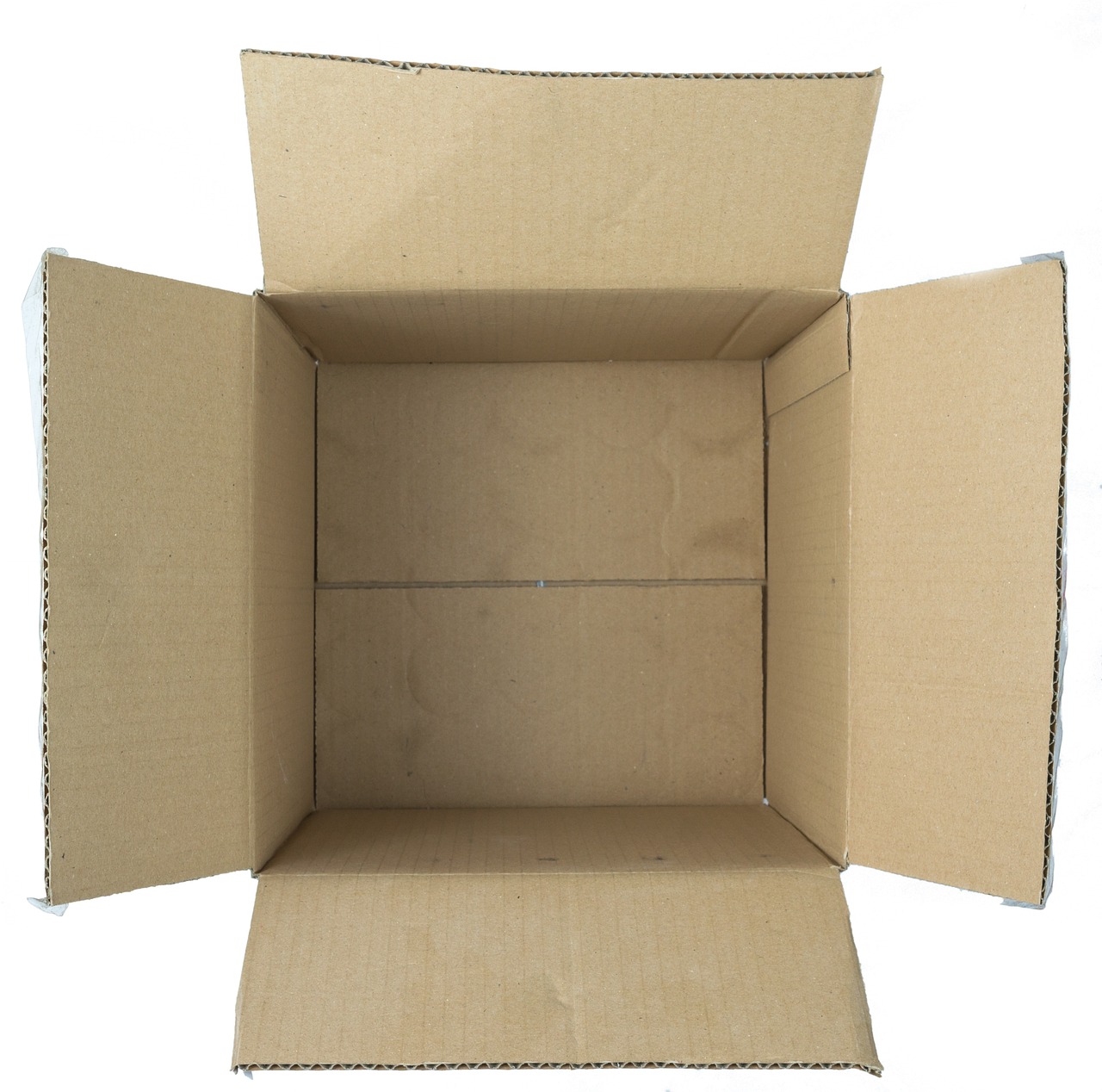
Why do Shipping Boxes Matter More than Many Buyers Think?
A box takes a lot of work in the background. It deals with stacking pressure, conveyor rubbing, hand drops, and moisture during long routes. Buyers may not praise a good carton, but they do notice a bad one. One crushed corner can make a good product look poorly handled.
Damage Risk in Real Transit
Most parcel damage is not caused by one big accident. It usually comes from several small issues together, such as weak board, too much empty space, poor sealing, and repeated handling. A small bottle may break if it can move inside a large box, and a metal part can cut through single-wall board when the edge is not protected. If the product is fragile, sharp, heavy, or high value, choose the box for the rough normal day in transit, not for the clean sample-room test.
Parcel Volume and Handling Pressure
The parcel numbers explain why this matters. The Pitney Bowes Parcel Shipping Index 2026 report stated that U.S. parcel flow reached about 63.3 million parcels per day in 2025, equal to about 732 parcels per second. With that kind of volume, parcels pass scanners, belts, cages, trucks, and last-mile sorting many times. So your shipping boxes need a safety margin, because parcel networks move fast and they are not gentle.
Brand Trust at the Door
Packaging speaks before the product is even touched. A clean box with straight sealing tells the buyer the order was packed with care. A bulged box covered in tape gives the opposite message, even if the product inside is still fine. That is why many export suppliers now treat outer cartons as part of sales work, not just another purchasing cost.
What Types of Shipping Boxes Fit Common Export Products?
No one box style works for every shipment. The right choice depends on product shape, order quantity, packing labor, warehouse space, and whether the box also needs to look ready for retail. Start with the shipment type first, then decide the structure.
Regular Slotted Cartons for Daily Goods
Regular slotted cartons, often called RSC boxes, are the standard choice for export packaging. They ship flat, open quickly, and work for tools, small appliances, home goods, textiles, spare parts, and many other goods. For mixed wholesale orders, RSC cartons are usually a safe first option because they are easy to buy and easy for packers to use. They also fit well into most warehouse routines, which matters when orders increase.
Die-Cut Mailers for Small Items
Die-cut mailers suit light ecommerce products such as cosmetics, accessories, phone cases, gifts, and sample kits. They fold into shape with little tape and give the customer a cleaner opening. They are not always the lowest-cost choice per piece, but they can save packing time and reduce filler use. For a small direct-to-consumer item, a close-fitting mailer often works better than a large carton filled with paper.
Heavy-Duty Corrugated Boxes for Bulk Orders
Heavy goods or export-packed goods often need double-wall or stronger corrugated boxes. Common examples include machine parts, ceramic items, glass bottles, hardware kits, and dense cartons stacked on pallets. The Fibre Box Association 2024 Annual Report, published in 2025, reported U.S. corrugated industry shipments of 381 billion square feet and a shipment value of 40.8 billion dollars. That scale shows why corrugated board is still a main packaging material in daily trade, especially when goods need protection without the weight of wood or plastic crates.
How Should You Choose Box Strength and Material?
Box strength is one place where buyers sometimes save in the wrong way. A lighter board may look fine during sampling, then fail after six cartons are stacked in a humid container. Strength should match product weight, route length, storage time, and carrier rules.
ECT and Burst Strength Ratings
Two common box strength terms are ECT and burst strength. ECT, or edge crush test, is linked to stacking strength, while burst strength is linked to puncture and rupture resistance. UPS hazardous materials guidance, used here only as a strict packaging example, lists minimum 200 lb burst strength or 32 ECT certified fiberboard boxes for certain non-specification hazardous-material packages, unless the package carries an ISTA 3A test seal. For normal shippers, the point is not that every box needs the same rating. The point is that box certificates matter when the product, route, or claim risk is high.
Single-Wall vs Double-Wall Board
Single-wall board works for many lightweight and medium-weight goods. Double-wall board gives more strength and stiffness for heavier items, longer routes, and pallet stacking. The price gap can be worth paying when one damaged shipment costs more than hundreds of stronger cartons. A simple rule from day-to-day packing is this: if the item is dense, breakable, sharp-edged, or likely to stay stacked for weeks, test double-wall before placing a full order.
Moisture, Weight, and Stacking Needs
Export routes may include ocean humidity, truck condensation, warehouse dust, and long waiting time. Corrugated board loses strength when it gets wet, so liners, coatings, pallet covers, and proper storage all matter. Do not judge a carton only by how it feels when it is dry. If the box will sit in a container or warehouse, ask about board grade, flute type, stacking height, and whether the inner packaging also carries part of the load.
What Box Size Keeps Freight Costs under Control?
Box size affects cost more than many teams expect. A carton that is too large can raise freight charges, use more filler, slow packing, and make the order look careless. A carton that is too tight can crush corners or leave no space for cushioning. The best size is usually plain, but it saves money.
Right-Sizing for Dimensional Weight
Carriers often price parcels by both weight and size, especially when packages are large but light. USPS public parcel standards state that many domestic parcels may not exceed 108 inches in length plus girth, while USPS Ground Advantage can allow up to 130 inches with oversized pricing rules, and the maximum mailpiece weight is 70 lb. So size affects whether the parcel can ship under a certain service and how much it costs. For box buyers, it is better to measure the product and check carrier limits before printing thousands of boxes.
Space for Cushioning Without Waste
A good shipping box leaves room for the right protection, not just empty air. For fragile goods, 1 to 2 inches of cushioning around the item is common in parcel packing, but the final gap depends on the product. Glass, ceramics, liquids, and electronics need more controlled packaging than T-shirts or plush toys. Loose filler should not be used to cover up a badly sized box. That is like wearing three socks because the shoe is wrong; it works for a short walk, then causes trouble. See also: Food Packaging.
Standard Sizes for Faster Packing
Too many box sizes can slow the warehouse team. Too few sizes can waste freight and filler. Many sellers start with three to five standard cartons, then add custom sizes for top-selling SKUs. Track which boxes pack fastest, which boxes use the most filler, and which boxes appear in damage complaints. People often blame tape guns for messy cartons, but the real issue is often box size.
How Can Custom Shipping Boxes Help Your Business?
Custom boxes do not need to be fancy. For many export businesses, useful customization means the right size, clear handling marks, strong board, and simple printing. A box can look professional without full-color artwork on every panel.
Printed Information for Cleaner Operations
Basic print can reduce warehouse mistakes. SKU codes, carton quantity, gross weight, handling marks, country of origin, and orientation arrows help packers, inspectors, and receivers. If you ship mixed cartons, large readable markings can save time during checking. This is useful when orders move through a forwarder, Amazon prep service, or third-party warehouse.
Better Unboxing Without Overdoing It
Direct-to-consumer boxes may need a better opening experience. A simple logo, clean kraft surface, tear strip, or inside print can make the order feel more complete. Still, decoration should not weaken the box or make recycling harder. Heavy ink coverage and coated finishes may look good, but they can add cost and make disposal less simple. In shipping, practical good looks usually work best.
Export Labels and Retail Details
Export cartons often need label areas, barcode space, and clear product description panels. If the box will also sit in a stockroom or store back room, readable side panels are important. Put key data on more than one face when cartons may be stacked. A label hidden on the bottom helps nobody, and the warehouse team will not be polite about it.
What Sustainable Choices Make Sense for Corrugated Boxes?
Sustainable packaging still has to protect the product. If a carton fails and the order must be shipped again, it is not really a green choice. A better route is to reduce waste, use recyclable materials, keep the design simple, and match strength to the job.
High Recovery of Corrugated Material
U.S. EPA Facts and Figures data for 2018 reported that containers and packaging made up 82.2 million tons of municipal solid waste generation, or 28.1 percent of the total. The same EPA dataset reported corrugated boxes as the largest single product category in municipal solid waste at 33.3 million tons generated, with a 96.5 percent recycling rate for corrugated boxes. This shows both sides of the issue: corrugated boxes are used in very large volumes, and they are widely recycled when they stay clean and dry. For exporters, that makes simple corrugated packaging a practical option when the design is kept clean.
Recycled Content and Clean Design
Recycled-content board can be a good choice for many shipping boxes, but strength still comes first. Ask suppliers for board specifications, not only a green claim. Keep the design simple as well, with fewer mixed materials, less plastic lamination, and no unnecessary foam glued to the carton. If inserts are needed, paper-based dividers often work well for bottles, jars, and small parts.
Practical Disposal Notes for Customers
Short recycling notes can help customers handle the carton correctly after use. A line such as flatten before recycling is plain and useful. Avoid claims that sound larger than the proof behind them. If there is no reliable public data for a special material or coating, put a clear note in the product documentation instead of making a broad promise. Trust is easier to keep than to win back.
FAQ
Q1: What Size Shipping Box Should You Choose? A: Choose the smallest box that still leaves safe room for the product and cushioning. Measure the product first, then check carrier size rules and your packing method.
Q2: Are Double-Wall Shipping Boxes Always Better? A: No. Double-wall boxes are better for heavy, fragile, stacked, or export-packed goods. For light products, single-wall boxes may be cheaper, lighter, and easier to pack.
Q3: What Does 32 ECT Mean on a Box? A: 32 ECT refers to an edge crush test rating. It helps describe how the corrugated board handles stacking pressure. It is commonly used when comparing carton strength.
Q4: Can Custom Printed Boxes Still Be Recyclable? A: Yes, many printed corrugated boxes can be recycled if the design avoids heavy coatings, plastic lamination, and mixed materials that are hard to separate.
Q5: How Many Box Sizes Should a Small Export Seller Stock? A: Many sellers start with three to five sizes, then add special cartons for best-selling or fragile products. Review damage claims, filler use, and freight cost before adding more sizes.