Is Shipping by Sea Still the Best Choice for Light Industrial Exports?
What Makes Shipping Different for Light Industrial Goods?
Light industrial exports can look easy at the quote stage: cartons, mixed SKUs, mid-range value, and repeat orders. In daily work, shipping often decides whether the buyer places the next order or starts looking for another supplier. A small change in carton size, label text, pallet height, or pickup date can push up the final cost. For exporters, the point is not to find the lowest freight line on paper. The point is to ship the right goods in sellable condition, with a total cost that still works after destination charges.
Light Cargo Often Pays by Space
Many light industrial products take up space before they reach the weight limit. Plastic household items, small appliances, display racks, packaging materials, and textile accessories may fill a container even when the cargo is not heavy. This is why cubic meters matter. A quote based only on gross weight may look fine at first, then become a problem when the forwarder charges by volume or chargeable weight.
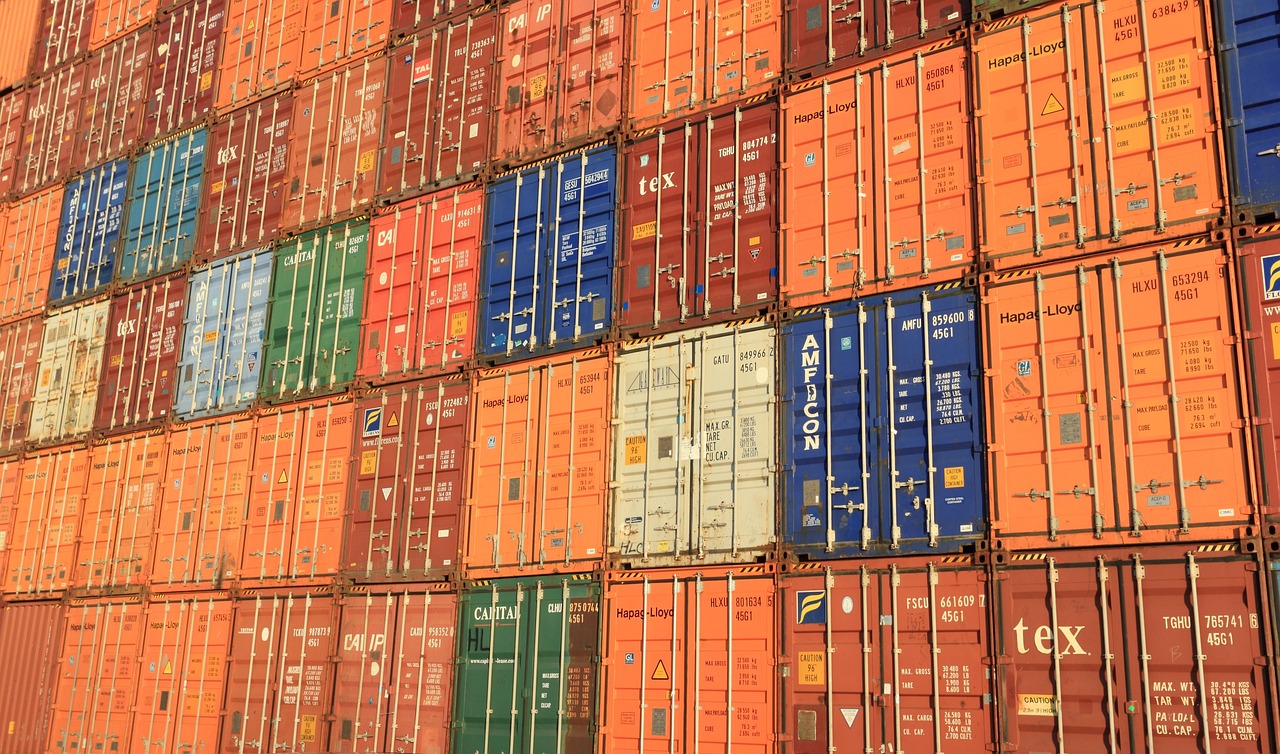
One simple habit helps a lot: check carton dimensions before mass production is finished. If one carton is 60 x 40 x 50 cm, it takes 0.12 CBM. Multiply that by 300 cartons and the shipment is already 36 CBM, not counting pallets or loading gaps. That one number can show whether a 40-foot container, LCL booking, or carton redesign makes better sense.
Packaging Quality Changes the Real Cost
Low-cost packaging is not really cheap if goods arrive crushed. For light goods, the common problems are stacking pressure, moisture, corner damage, and loose inner packing. A carton may look fine in the factory warehouse but fail after several truck moves, port handling, ocean vibration, and local delivery. Drop tests, carton burst strength, edge protectors, and pallet wrap are basic jobs, but they prevent many claims later.
For mixed-carton orders, carton marks need to be clear. Include item code, quantity, carton number, gross weight, net weight, and destination marks where the buyer needs them. Warehouse staff do not have time to guess what is inside. A tired operator at 7 p.m. will follow the mark he can read fastest.
Small Label Errors Can Slow Customs
Light industrial goods often carry brand labels, energy marks, recycling marks, warning labels, or country-of-origin text. If the product, invoice, packing list, and outer carton do not match, customs may stop and ask questions. The fix is not hard, but it needs early work. Prepare artwork and shipping marks before production, then ask the buyer to confirm them in writing.
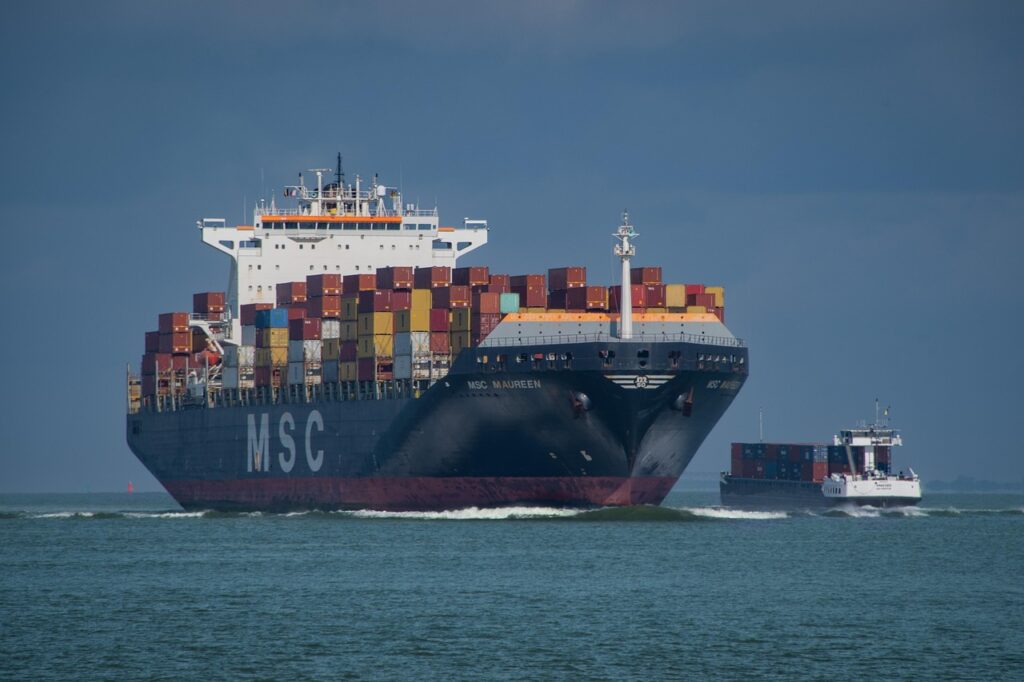
Public data shows the background. UNCTAD reported in its Review of Maritime Transport 2025 that maritime trade grew 2.2% in 2024 and was expected to slow in 2025, while sea transport still carries more than 80% of world trade volume. For exporters, the message is simple. Ocean freight is still a main shipping choice, but slower growth and route pressure make small handling mistakes more expensive.
Which Shipping Mode Fits Your Order Best?
No shipping mode is best for every order. The right choice depends on order size, product value, buyer deadline, cash flow, and the risk you can take. A $4,000 trial order and a repeat 40-foot container should not follow the same freight plan. Look at the full landed cost, not only the freight quote on the first page.
Sea Freight for Stable Volume
Sea freight usually fits repeat orders, stable SKUs, and goods that can wait. FCL works well when you can fill most of a container or want less handling. LCL works for smaller orders, but consolidation, deconsolidation, and destination warehouse fees add both time and cost. These extras should be checked before the buyer confirms the order.
For many light industrial exporters, the split is quite practical. Use LCL for samples, trial orders, and mixed low-volume shipments. Move to FCL when the volume becomes steady. If the buyer orders every month, one planned container may be better than several small shipments. It may sound boring, but boring logistics often means fewer problems.
Air Freight for Urgent Small Batches
Air freight is useful for urgent replenishment, launch orders, spare parts, high-value products, and recovery after a missed production date. It is fast, but chargeable weight can surprise new exporters. Carriers compare actual weight with volumetric weight. A light carton with too much empty space can become expensive very quickly.
IATA reported on June 29, 2026 that global air cargo demand in May 2026 rose 6.0% year on year, measured in cargo tonne-kilometers, while capacity rose 1.9%. That gap helps explain why air rates can stay firm on busy lanes. Use air freight when speed protects sales or avoids a penalty. Do not use it simply because nobody checked the schedule last week.
Rail and Truck Options for Nearby Markets
Rail and truck freight can work well for regional trade, cross-border delivery, and inland buyers. They may offer a simpler route than ocean freight for nearby countries, and they can reduce some port-related delays. The tradeoff is route coverage, border checks, and limited space during holiday periods. These points should be confirmed before the order is packed.
If a buyer needs weekly replenishment, regional truck or rail can support smaller batches and lower inventory. For light industrial goods with many SKUs, this helps stores avoid too much stock. Even so, check cargo insurance, seal control, and border paperwork before treating land freight as easy. Cross-border shipments still need clear documents and a backup plan.
How Can You Keep Shipping Costs Clear Before Production Ends?
Freight costs get messy when they are checked too late. Once goods are packed, exporters often cannot change carton size, pallet plan, booking mode, or Incoterms. A better habit is to estimate freight during quotation, check again after sample packaging, and confirm one more time before final packing. This saves a lot of awkward cost talks with buyers.
Chargeable Weight and CBM Checks
For ocean freight, calculate total CBM, gross weight, and whether the cargo can be stacked. For air and courier, calculate chargeable weight. Give the forwarder exact carton size, not a clean-looking estimate. A difference of 3 cm per side can change the quote when there are hundreds of cartons.
Make a simple packing table with SKU, pieces per carton, carton size, gross weight, net weight, and carton count. Buyers like this because it helps them estimate duties, warehouse labor, and local delivery. It also cuts down the email chain where different people ask for the same figures again and again.
Incoterms Set the Cost Line
Incoterms decide where cost, risk, and responsibility move from seller to buyer. ICC Incoterms 2020 rules are the common reference for these trade terms. EXW, FOB, CIF, DAP, and DDP can lead to very different results, even when the product price looks almost the same. The term should be clear before the order is confirmed.
For many exporters, FOB is easier to control because the seller handles origin delivery and export clearance, while the buyer controls main freight. DAP may suit buyers who want door delivery but do not want the seller to handle import duties. DDP sounds simple for the buyer, yet it can be risky if tax rules, importer registration, or product controls are not clear. Do not quote DDP only because it sounds convenient.
A Small Cushion for Peak Season Costs
Freight rates move all the time. Peak season, blank sailings, fuel changes, port congestion, and route changes can update a quote within days. Add a reasonable cushion to long-validity offers, or make the freight validity short and easy to see. A 30-day product price with a 7-day freight validity is common because freight does not wait for anyone.
The WTO said in its Global Trade Outlook and Statistics released on March 19, 2026 that merchandise trade growth was forecast at 1.9% for 2026 in its baseline scenario, after a stronger 2025. Slower trade growth does not mean logistics will become easy. In many markets, buyers become more price-sensitive, so unexplained freight increases can hurt trust. Clear validity dates help both sides avoid arguments.
Which Documents and Compliance Details Matter Most?
Documents are not only paperwork for the file. They are the language used by banks, customs, forwarders, ports, and buyers. If that language is unclear, the shipment waits. A clean document set should match the goods actually packed, not the first proforma invoice made months ago.
Commercial Invoice and Packing List Match
The commercial invoice should show seller, buyer, product description, quantity, unit price, total value, currency, Incoterm, country of origin, and shipment details. The packing list should match the quantity and carton data. If the invoice says 1,000 sets and the packing list says 1,020 sets, someone will ask for an explanation. This kind of issue is small but can waste time.
Avoid vague descriptions like “plastic goods” or “accessories” when the shipment contains specific items. Clear product names help classification and reduce back-and-forth emails. For light industrial goods, include model numbers and material when it helps, such as “PP storage box” or “stainless steel kitchen rack.” The broker should not have to guess from a general description. See also: Food Packaging.
HS Code and Origin Facts
The HS code affects duty, import controls, and trade statistics. Origin affects duty treatment and marking. The exporter should not guess blindly, and the importer should confirm the final import classification in the destination market. If the item has mixed materials, electrical parts, batteries, or textile components, classification may need more checking.
World Bank LPI 2.0, released as a 2025 edition using 2023 to 2024 shipment-level data, highlights speed, connectivity, and reliability across supply chains. It also notes time penalties linked with transshipment and border procedures. This is exactly where weak product descriptions and missing origin data cause trouble. Good product data helps the shipment move with fewer questions.
Batteries, Liquids, and Product Marks
Some light industrial products are not as simple as they look. Button cells, lithium batteries, magnets, sprays, liquids, powders, and adhesives can trigger transport rules. Even a small built-in battery in a promotional item can change the booking process. Tell the forwarder early, before the cargo reaches the warehouse.
Product marks also matter. Electrical ratings, safety labels, recycling marks, warning labels, and importer details may be required by the buyer or local rule. If a mark must appear on each unit, fixing it after packing is slow and messy. Stickers can help in some cases, but no buyer likes a rushed sticker job on a product that should look clean on the shelf.
How Do Delays Happen and What Can You Do Early?
Most delays are not big dramatic events. They usually come from small misses: a late booking, a missing carton number, an unpaid local fee, a wrong consignee name, or a warehouse cutoff that nobody noticed. Good shipping control is mostly about catching these small points before they become expensive. This is where a basic checklist is still useful.
Port Congestion and Route Changes
Port congestion can add days or weeks. Route changes can add even more time. If a shipment must arrive before a retail promotion, ask the forwarder about sailing reliability, transshipment points, and possible delay history. The cheapest route with two transshipments may be acceptable for stock goods, but it is risky for a seasonal display order.
Give buyers a realistic time window instead of one perfect date. “Estimated arrival around week 38” is often safer than promising September 14 when the cargo has not even entered the port. Buyers usually prefer an honest range over a date that keeps changing. It also gives them more room to plan promotion, labor, and delivery.
Customs Questions and Missing Data
Customs checks are easier when the document pack is consistent. Keep contracts, invoices, packing lists, payment records, product photos, and material details ready. If a customs broker asks for proof, quick reply matters. A two-day delay on a simple question can push the shipment into weekend storage.
Before booking, ask whether the destination needs special certificates or import permits. Some buyers know their market very well, but some do not. Exporters should still ask the question. Silence is not a compliance plan, especially when the product has labels, batteries, food-contact materials, or electrical parts.
Supplier Handover Before the Cutoff
Factory handover timing can make or break the sailing. Confirm cargo ready date, warehouse receiving hours, container loading time, VGM or weight data, and document cutoff. If several suppliers feed one consolidation, set the earliest cutoff as the real deadline. Do not wait for the slowest supplier to decide the schedule.
For repeat orders, keep a shipping calendar. Mark production finish, inspection, balance payment, booking, pickup, customs declaration, port cutoff, ETD, ETA, and delivery target. It looks basic, but it stops many last-minute surprises. A shared calendar also helps the buyer see where the order really stands.
How Should You Compare Freight Partners Without Chasing the Cheapest Quote?
A cheap quote is useful only when it is complete. Freight partners should show costs clearly, answer practical questions, and tell you what happens if something goes wrong. If a quote hides local charges or gives no clear route, the low number may only be bait. In export work, the cheapest quote can become the most expensive one after the cargo arrives.
Local Fees Shown Before Booking
Ask for origin charges, main freight, destination charges, customs-related service fees, delivery fees, and possible storage or demurrage terms. For LCL, destination fees can be painful if the buyer did not expect them. Put the charge structure in writing before the booking. It is much easier to discuss charges before shipment than after the arrival notice is issued.
Tracking Habits and Human Response
Tracking links are useful, but human follow-up still matters. A good forwarder tells you when cargo is received, when it is loaded, when the vessel departs, when documents are released, and when arrival notices go out. Dashboards can help, but they do not replace a clear reply from an operator. When a shipment has a problem, you need a person who answers and checks the file.
Cargo Insurance and Claims Process
Insurance is easy to ignore until a carton is wet or missing. Ask what the insurance covers, how the value is declared, what photos are needed, and how quickly claims must be filed. For fragile, seasonal, or branded goods, cargo insurance is often a small cost compared with the dispute it can prevent. The claim process should be understood before the shipment leaves, not after damage is found.
Good shipping is not only about moving cartons from one place to another. It protects the sale, the buyer relationship, and the next order. When you control packaging, documents, mode choice, and freight communication early, your light industrial exports look more reliable before the buyer even opens the container.
FAQ
Q1: Is Sea Shipping Always the Cheapest Choice? A: Not always. Sea freight is usually cheaper for larger or steady volumes, but LCL fees, destination charges, and long lead times can make air or regional truck freight better for urgent small orders.
Q2: When Should You Calculate CBM? A: Calculate CBM during quotation, after sample packaging, and before final packing. Early checks help you adjust carton size, loading plan, and freight mode before costs are fixed.
Q3: Which Incoterm Is Best for New Exporters? A: FOB is often easier for exporters because the seller controls origin handling and export clearance, while the buyer manages main freight. Still, the best term depends on buyer experience and local market rules.
Q4: Why Do Light Goods Get Expensive by Air? A: Airlines charge by actual weight or volumetric weight, whichever is higher. Bulky cartons with low weight can therefore cost more than expected.
Q5: What Is the Biggest Shipping Mistake to Avoid? A: The biggest mistake is waiting until goods are packed before checking freight, documents, and compliance details. By then, most low-cost fixes are already gone.