Can Box Packaging Custom Help Your Brand Ship Safer and Sell More?
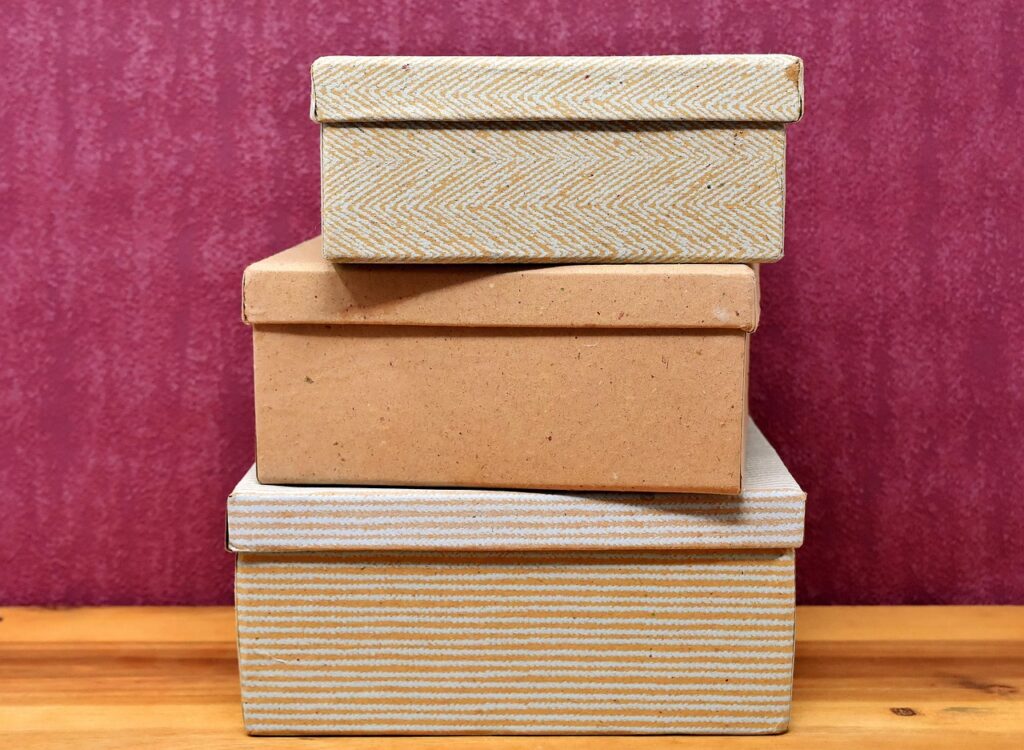
How Can Box Packaging Custom Help Your Product Sell and Ship Better?
If you sell physical goods, box packaging custom decisions affect more than how the box looks. The box protects the item, shows buyers how your brand handles details, and can decide whether the goods arrive ready to sell. For exporters, ecommerce sellers, and light industrial brands, packaging is also tied to cost. A few millimeters, the wrong paper grade, or a dieline that is not checked properly can eat into margin without anyone noticing at first.
A Clear Role Beyond Holding the Product
A box has three basic jobs: protection, presentation, and handling. Protection is easy to understand, but presentation and handling are where many packaging jobs run into trouble. A small skincare carton may need neat edges and stable color. A tool accessory kit may need stronger corrugated board and a plain area for a label. A gift set may need a tray insert instead of only a larger outer carton. When the box fits the product, buyers do not get that bad feeling of seeing a decent item packed in a cheap-looking box.
Retail Shelves and Ecommerce Doors Need Different Choices
Retail packaging is usually judged before the customer opens it. Ecommerce packaging is often thrown, stacked, scanned, and delivered before the customer really looks at it. That difference changes the way the box should be designed. The U.S. Census Bureau reported that U.S. retail ecommerce sales reached $326.7 billion in the first quarter of 2026 and accounted for 16.9% of total retail sales. This means more boxes now go through parcel networks, doorstep moisture, label scanning, returns, and customer photos. A box that looks fine in a showroom still has to handle the delivery route.
Small Details That Change Buyer Trust
Buyers notice small packaging details, even if they never mention them in an email. A firm tuck flap, centered logo, easy-open structure, and clean inside surface all show that the brand cares about the order. A crushed corner, unclear label, or insert that looks forced into the box sends the wrong message. It sounds basic, but repeat orders often come from steady work: same color, same fit, same opening feel, carton after carton.
What Should You Decide Before Ordering Custom Boxes?
Before asking for a quotation, prepare a short and practical brief. A supplier can recommend materials and structures, but the result is usually better when the product details, sales channel, and packing method are clear from the beginning. Guessing at this stage often leads to extra samples, slower approval, and cost that could have been avoided.
Product Size, Weight, and Weak Points
Measure the product in its real selling condition, including caps, cables, sleeves, bubble bags, manuals, or any other parts that go into the box. For fragile goods, mark the weak points, such as glass corners, pumps, hinges, or coated surfaces that can scratch. A 120 gram candle jar and a 120 gram plastic bottle may need very different protection. Weight matters, but it is not enough by itself.
Sales Channel and Handling Route
A carton for supermarket display may need a hanger hole, a clear barcode position, and a strong front panel. A mailer box may need crush resistance and enough space for a shipping label. A warehouse pick-pack line may need fast folding more than special finishing. For international trade, you also need to think about pallet stacking, humidity, and how many times the goods are moved before the final buyer sees them.
Quantity, Artwork, and Future SKU Changes
Low order quantities are useful when you are testing a new product, but the unit price is usually higher. Larger runs can bring down the box price, yet they also create stock risk if ingredients, model numbers, or compliance labels change. If your brand has several similar SKUs, a shared box structure with variable stickers or sleeves may work better. It is not fancy, but it can save real money and reduce leftover packaging.
Which Box Style Fits Your Product Best?
There is no single best custom box for every product. The right style depends on product value, shipping route, opening experience, and budget. A heavy rigid box for a low-cost refill pack feels wasteful. A thin folding carton for a fragile ecommerce item is risky. The structure needs to match the job.
Folding Cartons for Light Retail Goods
Folding cartons suit cosmetics, small electronics accessories, stationery, tea, supplements, and many light industrial products. They ship flat before packing, so they help save storage space. Common choices include straight tuck end, reverse tuck end, auto-lock bottom, and sleeve structures. If your product hangs on a peg, add a reinforced hanger area. If it sits on a shelf, keep enough front panel space for the product name and main selling point.
Corrugated Mailer Boxes for Direct Shipping
Corrugated mailer boxes are widely used for ecommerce because they handle both presentation and transport protection. E-flute and B-flute are common options, while heavier kits may need stronger board. A self-locking mailer can reduce tape use and make packing faster. For subscription products, printed inner panels give buyers a better opening moment, and people still take those photos at kitchen tables.
Rigid Boxes for Premium Unboxing
Rigid boxes are a good fit for gifts, luxury items, electronics, and high-value sets. They cost more because they use thicker board and more handwork. The value is in the structure, weight, and hand feel. If your product sells at a higher price point, a rigid box with a molded pulp tray or paperboard insert can make the set feel complete. Just remember that the extra weight may affect freight cost.
How Do Materials, Printing, and Finishing Affect Cost?
Cost is not only about the size of the box. Material grade, print method, surface treatment, insert style, and packing labor all affect the final price. The global packaging market is large and still growing: Smithers forecast the market to rise from $1.17 trillion in 2023 to $1.42 trillion in 2028, with a 3.9% compound annual growth rate. In a market of this size, small choices can decide whether the packaging is only acceptable or actually right for the product.
Paperboard, Corrugated Board, and Kraft Choices
White paperboard gives clean print results for retail cartons. Kraft board gives a natural look and can hide small handling marks better. Corrugated board adds cushioning and stacking strength. If your product is light, do not choose heavy board only because it feels safe. If your product is dense, do not choose thin board just to save a few cents. Ask the supplier to list board thickness, paper weight, and flute type in the quote instead of using a loose term like premium paper.
CMYK, Pantone, and Coating Decisions
CMYK printing works well for photos, gradients, and most full-color artwork. Pantone spot colors help when brand color control is important, especially for logos. Matte lamination, gloss lamination, aqueous coating, varnish, foil stamping, embossing, and soft-touch finishes each give a different look and touch. They also add cost, and some of them add production time. A practical way to spend the finishing budget is to focus on the areas buyers see or touch first, usually the front panel, logo, and opening area.
Inserts, Windows, and Small Extras
Inserts keep products from moving, show the order of parts, and help reduce damage. Paperboard dividers, corrugated pads, molded pulp, EVA foam, and PET windows each solve a different problem. For many light industrial products, a simple paperboard insert is enough. For glass items or sharp metal parts, stronger separation may be needed. Do not add a window only because it looks nice. It can weaken the panel and make recycling claims harder to explain.
Why Does Right-Sizing Matter for Shipping Cost and Waste?
Right-sizing is one of the most useful ways to improve box packaging custom projects. It lowers void fill, reduces board use, and can cut parcel charges. It also makes the package look more controlled. Nobody likes opening a large box and finding a small item moving around inside.
Dimensional Weight in Real Parcel Shipping
FedEx explains dimensional weight as the space a package occupies compared with its actual weight, and charges can be based on whichever is greater. Its public guidance uses length x width x height divided by 139 for U.S., Puerto Rico, and international shipments. Here is a simple example: a 16 x 12 x 6 inch parcel has a dimensional weight of about 8.3 lb before rounding rules. If the product weighs 3 lb, the box size may be what drives the freight bill. In parcel shipping, one inch can make a real difference. See also: Food Packaging.
Empty Space Creates Hidden Cost
Empty space makes the box easier to crush, adds void fill, and puts shipping labels on larger panels. It can also make buyers question the sustainability of the package. The European Commission says the Packaging and Packaging Waste Regulation will begin to apply from mid-2026 and points toward small, light packaging without empty space, with all packaging recyclable by 2030. Even if you do not sell in Europe now, large buyers often use similar ideas in supplier scorecards.
Test Packs Before Mass Production
Run a small packing trial before approving mass production. Pack the real product, shake it, stack it, label it, and open it the way a customer would. If possible, send trial parcels through the actual courier route. Lab tests are useful, but a real route can show flap lifting, corner dents, label scuffing, or inserts that pop out. Changing a dieline before production is cheap. Fixing 20,000 printed boxes is not.
What Sustainability Claims Can You Safely Put on Custom Packaging?
Sustainability can help sales, but loose claims can create trouble. Buyers now ask for recycled content, material lists, and simple end-of-life instructions. PwC’s 2024 Voice of the Consumer Survey found that 80% of consumers said they were willing to pay more for sustainably produced or sourced goods, though PwC also warned that stated willingness may not always become real spending. Claims work best when they are clear, specific, and easy to support.
Recyclable Claims Need Local Access
The U.S. Federal Trade Commission’s Green Guides state that marketers should qualify recyclable claims when recycling facilities are not available to at least 60% of consumers or communities where the product is sold. For packaging, this means a broad word like recyclable may not be enough. A safer claim may name the material and add local guidance, such as widely recyclable where facilities exist, if that matches your market. This wording is less flashy, but it is easier to defend.
Recycled Content Should Be Specific
Say only what you can prove. Made with 30% post-consumer recycled paperboard is clearer than eco-friendly box. The American Forest and Paper Association reported 2024 U.S. recycling rates of 60% to 64% for paper and 69% to 74% for cardboard available for recovery. That supports the general strength of paper recovery systems, but it does not prove every coating, window, magnet, or foam insert can be recycled locally.
EU and Global Buyers Watch Empty Space
Many importers now ask suppliers to cut packaging that does not serve a real purpose. This does not always mean using the lightest possible box. A carton that is too thin can lead to damage and returns, and that is also waste. The better target is enough packaging, not maximum packaging. Use fewer mixed materials, remove parts that do not protect or help sell the product, and keep disposal instructions plain.
How Should You Manage a Box Packaging Custom Project with a Supplier?
A smooth packaging project usually comes down to clear communication. Treat the box like a manufactured component, not as a last-minute artwork file. When the specifications are complete, the supplier can quote faster, make better samples, and spot problems earlier.
A Practical Specification Sheet
Your specification sheet should list inner size, outer size if required, material, board thickness, print colors, finish, insert type, barcode position, packing method, tolerance, and carton packing quantity. Add product weight and clear photos. If the box must meet a retailer rule, marketplace rule, or drop-test target, say that early. A short video showing how the product should be packed can also help the supplier understand the job faster.
Sample Review Before Production
Review both a white sample and a printed sample when the project matters. The white sample checks structure, fit, and opening. The printed sample checks color, text, coating, and barcode scan quality. Look at the sample under normal store or office light, not only under bright factory light. Colors can shift by material and lighting, especially on kraft paper.
Quality Checks Before Shipment
Before shipment, check size, print position, color range, glue strength, folding line, carton count, and packing condition. For export orders, outer cartons need enough strength for stacking and long transit. Ask for clear photos of packed cartons, labels, and pallet loading if pallets are used. These checks may feel slow during a busy shipment week, but they prevent hard conversations after the goods arrive.
FAQ
Q1: What Is the Best Material for Box Packaging Custom? A: The best material depends on product weight, sales channel, and brand feel. Folding paperboard suits light retail goods, corrugated board suits shipping, and rigid board suits premium gift packaging.
Q2: How Early Should You Start a Custom Box Project? A: Start before product launch artwork is final. For a new structure, leave time for dieline work, sampling, artwork adjustment, printing, production, and export transit.
Q3: Can Custom Packaging Reduce Shipping Cost? A: Yes. A right-sized box can lower dimensional weight, reduce filler, and improve carton packing density. The saving depends on carrier rules, product size, and order volume.
Q4: Should You Choose Kraft or White Paperboard? A: Choose kraft for a natural look and better hiding of small scuffs. Choose white paperboard when clean color printing, detailed graphics, or a bright retail look matters more.
Q5: What Files Are Needed for Printed Custom Boxes? A: Most suppliers need an editable dieline file, vector logo, print artwork, color references, barcode file, and any required label text. Also provide product dimensions and packing instructions.