Is Plastic Food Packaging Still the Best Choice for Export Food Brands?
Why Does Plastic Food Packaging Still Matter for Food Brands?
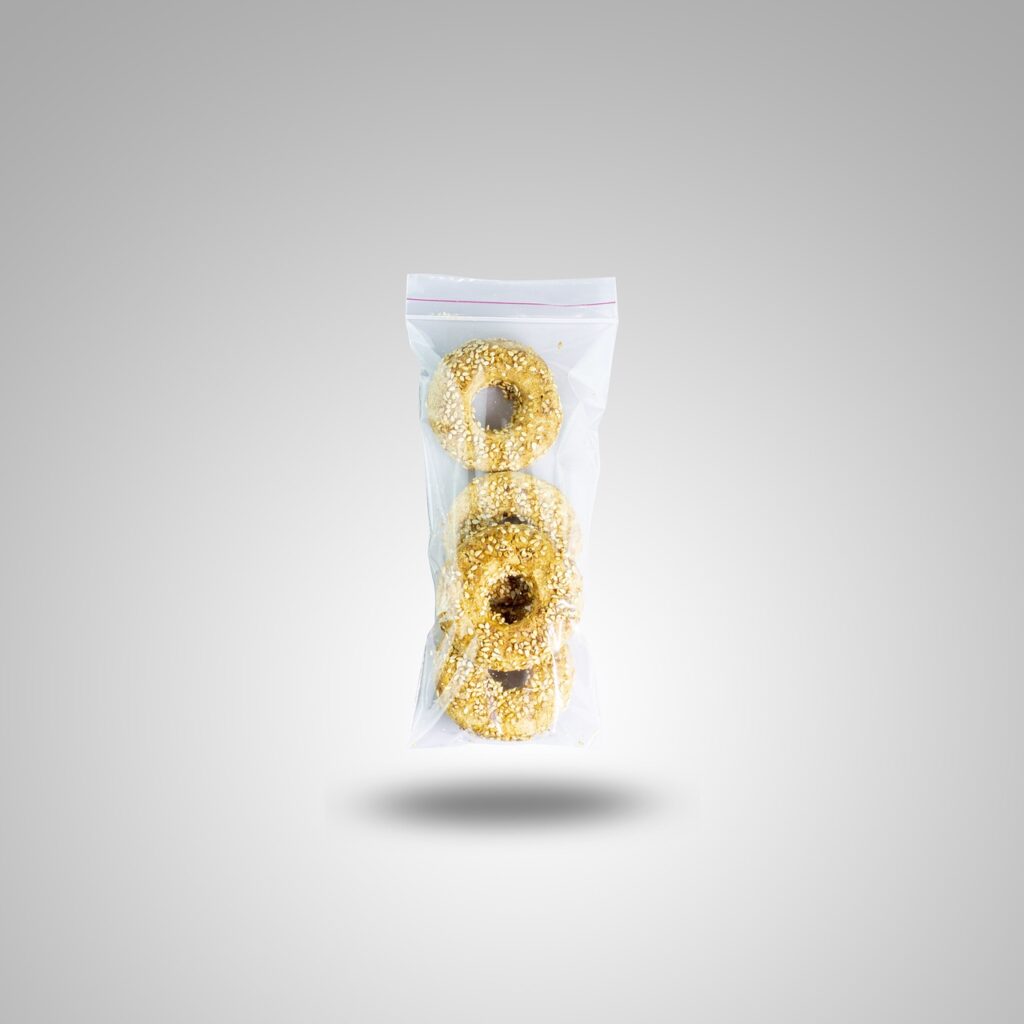
Plastic food packaging is still used in many export food projects because it is light, strong enough for handling, easy to seal, and simple to form into trays, cups, pouches, tubs, and lids. If you buy through the Food Packaging category, the point is not just picking plastic. The pack has to fit the food, the sales market, and the way the goods move from factory to shelf. The U.S. FDA describes food packaging components as food contact substances when they touch food but are not meant to change the food itself, and these uses need proper authorization when they fall under food additive rules. (fda.gov)
Shelf Life and Damage Control
Good packaging gives food more time to sell. That is a normal business issue, not just a sustainability claim. FAO data from 2023 estimated that 13.3 percent of food was lost globally after harvest through transport, storage, wholesale, and processing, while fruits and vegetables had much higher losses at 25.4 percent. (fao.org) A clear PET clamshell will not repair a poor cold chain, but it can help cut bruising, moisture loss, and rough handling damage for berries, cut fruit, salads, and bakery items. For frozen foods, a firm film or lidded tray can help stop cracking when cartons are stacked hard.
Food Contact Safety Rules
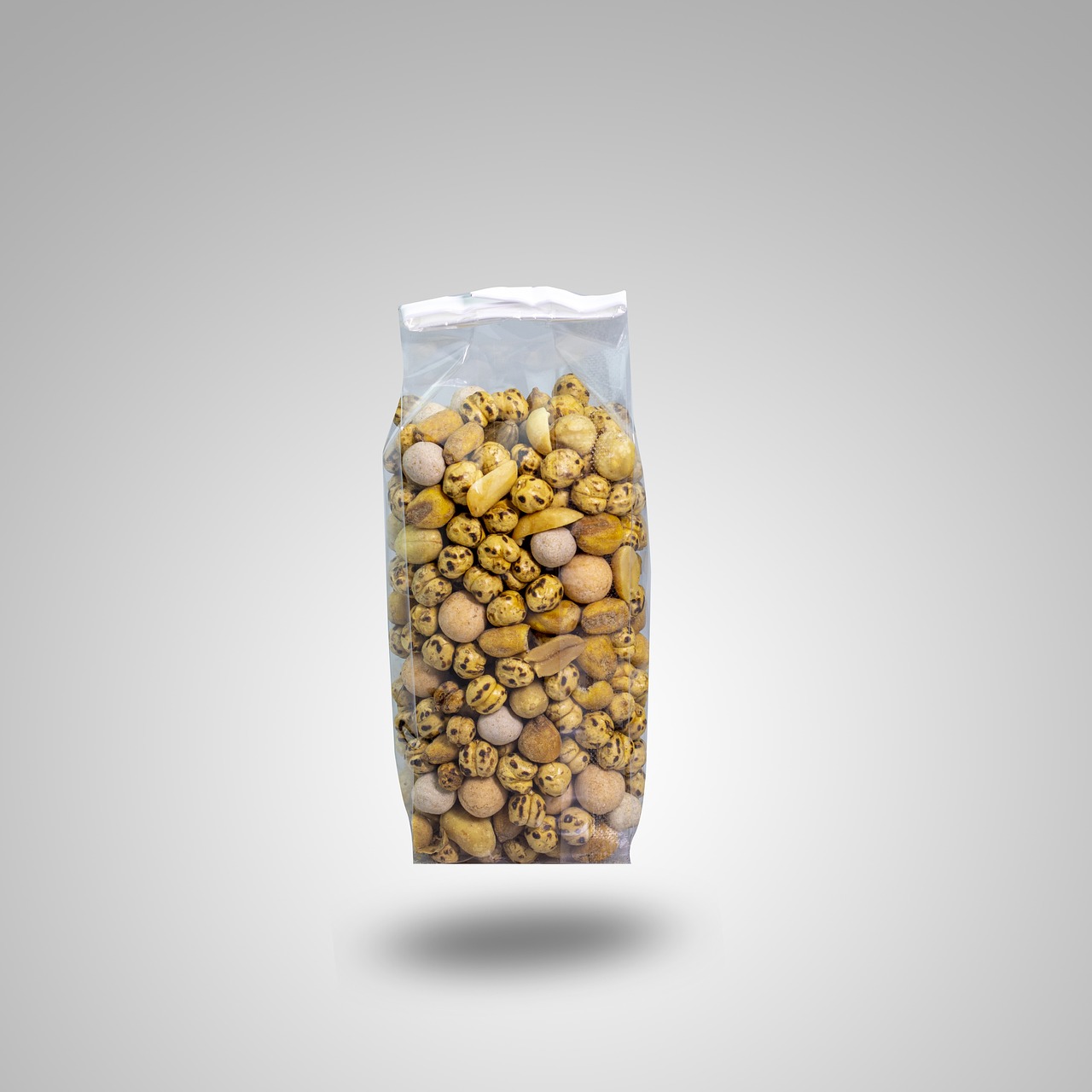
For food brands, safety is not only about the resin name printed on a sheet. PET, PP, PE, and other plastics can all work, but the finished article, additives, inks, adhesives, and colorants also need to be checked. A buyer should ask if the material is suitable for the exact food, such as oily, acidic, dry, frozen, or hot filled. The test should follow real use as closely as possible. A lid for cold yogurt is doing a different job from a microwave tray filled with oily curry.
Export Handling Reality
Export packaging goes through small stresses that local retail packs may not face. A container may wait on a hot dock in the afternoon, move into a chilled warehouse, and then travel in a truck with constant vibration. Plastic’s low weight helps with freight cost, and its impact resistance helps cartons survive pressure in storage and shipping. Still, thinner is not always better. If a cup wall saves half a gram but dents during capping, the rejected goods can cost more than the resin saving.
Which Plastic Materials Fit Common Food Products?
Material choice should start with the food and the filling process. Many buyers start with price, ask for a sample, and later find that the sample cannot handle sealing heat or oil migration. It is better to write a short use profile first. That profile should cover food type, fill temperature, shelf life target, storage temperature, sealing method, and destination market.
PET for Clear Rigid Containers
PET is often chosen when clear display matters. It is used for many cold foods, snacks, salads, baked goods, fruit packs, and beverage bottles. It gives a clean retail look, and shoppers often judge freshness very quickly. PET also has a recycling stream in many markets. If recycled PET is used for food contact, the process control and documents still need to be clear.
PP for Heat and Takeout
PP is a common choice for microwave trays, takeaway bowls, hot-fill tubs, and snap lids because it handles heat better than many clear rigid plastics. It may look less glass-like than PET, although some newer grades look acceptable for retail use. For saucy, oily, or reheated meals, PP is often the practical option. The lid fit should be checked after heating, not only at room temperature. A small rim warp can turn into a leak claim after shipment.
PE for Films Bags and Closures
PE, including LDPE and HDPE, is used in bags, liners, squeeze bottles, caps, films, and seal layers. It is flexible, easy to process, and common for many dry or chilled foods. In flexible packaging, PE can also work as a sealant layer with other films. If recyclability is part of the buyer’s brief, mono-material PE structures may be easier to explain than multi-layer packs that combine several plastics and barrier materials.
How Should You Check Safety and Compliance?
Compliance should be handled as a buying requirement, not as paperwork collected after the container is already made. For export orders, confirm the destination market first. Then ask the supplier for documents that match that market. A good-looking sample without papers is still only half checked.
Migration Limits and Test Reports
In the European Union, plastic food contact materials are governed by Commission Regulation EU No 10/2011. The European Commission explains that specific migration limits control individual substances, while the overall migration limit is 60 mg per kg of food or 10 mg per square decimeter of contact surface. (food.ec.europa.eu) For buyers, the test report should name the material, food simulant, time, temperature, and intended contact condition. A report for room-temperature dry food should not be used as proof for hot oily food.
Recycled Content With Proof
Recycled plastic in food packaging can support a buyer’s waste target, but only when the recycling process is controlled. The FDA’s recycled plastics guidance notes that contaminants may carry through second or third recycling processes and migrate into food, even though acute exposure is expected to be very low when properly evaluated. It also gives a negligible-risk example tied to 1.5 micrograms per person per day for certain recycled food-contact articles. (fda.gov) If a supplier offers rPET, ask for the recycling process approval basis, traceability, and food-contact use conditions before you treat it as ready for food use.
Labels Traceability and Food Type
Keep every packaging item linked to a specification sheet. The sheet should list resin, color, dimensions, weight, closure style, contact food, temperature range, and shelf life use. For printed packs, keep ink and adhesive declarations too. This is basic admin work, but it saves time when an importer, retailer, or customs broker asks a direct question two days before loading. It also helps when the same pack is reordered six months later.
Is Plastic Food Packaging Sustainable or a Problem?
Plastic packaging has a clear trade-off. It can protect food and reduce transport weight, but it also adds waste when collection and recycling systems do not work well. A serious sourcing plan should cover both points. Buyers usually prefer a practical answer over a perfect claim that cannot be proved.
Waste Data That Buyers Know
The OECD reported that global plastic waste reached 353 million tonnes in 2019, and packaging made up 42 percent of total plastic waste because it has a short service life. (oecd.org) In the United States, EPA data for 2018 showed 35.7 million tons of plastics generated in municipal solid waste, with containers and packaging making up more than 14.5 million tons; the overall plastics recycling rate was 8.7 percent that year. (epa.gov) These figures explain why retail buyers now ask more questions about weight, recycled content, and end-of-life options.
Design Choices That Cut Burden
The first way to cut burden is often simple: remove material that does not help protect the food. Use the right wall thickness, avoid oversized lids, reduce empty headspace, and choose a resin that fits local recycling where possible. Clear or natural colors may be easier for some recycling systems than dark colors. Large labels can cover the base resin, so labels and glue should be discussed early. Waiting until the artwork deadline often creates extra sample rounds. See also: Eco Packaging.
Recycling Claims That Need Care
Do not call a pack recyclable only because the resin has a recycling code. The code shows the resin type; it does not prove local collection, sorting, and reprocessing are available. If your customer sells in several countries, the same package may be accepted in one market and rejected in another. A safer claim is specific, such as mono-material PP cup, check local recycling guidance. It sounds plain, but it is harder for a retailer or regulator to challenge.
What Should Importers Ask Before Placing an Order?
A good RFQ for plastic food packaging should look like a production note, not just a size request. Give enough detail at the start, and you usually need fewer sample rounds later. This matters when the launch date is fixed and packaging is the last item not closed. It also helps the supplier point out risks before the mold or film structure is confirmed.
Food Product and Filling Conditions
Tell the supplier whether the food is oily, acidic, alcoholic, dry, frozen, chilled, or hot filled. Share the filling temperature, sealing method, pasteurization need, microwave use, and expected shelf life. If the food can stain plastic, such as tomato sauce or turmeric-heavy meals, ask for a color and odor check after storage. Nobody wants a clean white lid that turns orange in the first week.
Packaging Format and Shipping Route
State the format clearly: tray, cup, tub, bottle, pouch, lid, liner, film, or clamshell. Then add carton quantity, pallet height, container loading plan, and shipping climate. For long ocean routes, carton strength and nesting design can matter as much as the plastic grade. A perfect cup that jams during denesting will slow the filling line. The operator will notice it much faster than the buyer sitting in an office.
Documents Samples and Trial Runs
Before mass production, ask for a small but complete document set:
- Material specification and food-contact declaration.
- Migration or compliance test report for the intended use.
- Drawing with dimensions, tolerances, and weight range.
- Samples from the planned mold or production line.
- Packing method, carton size, and pallet information.
Run samples on the real line if possible. Hand filling on a desk cannot show every problem. Capping torque, heat sealing, drop resistance, stacking, label adhesion, and chilled storage all need a quick check before a full container order. A short trial can prevent a much larger claim later.
FAQ
Q1: Is Plastic Food Packaging Safe for Direct Food Contact? A: It can be safe when the material, additives, inks, and finished article meet the rules for the target market and the exact food use. Match the test conditions to real contact time, temperature, and food type.
Q2: Which Plastic Is Best for Hot Food Packaging? A: PP is often used for hot food, microwave meals, and takeaway bowls because it handles heat better than many clear plastics. The final container and lid still need to be tested with the actual food and heating process.
Q3: Can Recycled Plastic Be Used in Food Packaging? A: Yes, in many cases, but recycled food-contact plastic needs controlled recycling processes, traceability, and suitable approvals or opinions for the destination market. Recycled content should not be treated as automatically food safe.
Q4: How Can You Reduce Plastic Use Without Risking Product Damage? A: Start with better design: correct wall thickness, better nesting, less empty space, right lid fit, and fewer mixed materials. Test the lighter version before switching, because breakage and leakage can create more waste.
Q5: What Should Be Checked Before Importing Plastic Food Packaging? A: Check material grade, food-contact documents, migration test conditions, dimensions, samples, packing method, and shipping performance. For printed items, also check inks, adhesives, barcode quality, and label durability.