How Do You Choose a Supplier Food Packaging Partner for Safer Export Orders?
Why Does Supplier Food Packaging Matter Before Your First Purchase Order?
When you compare a supplier food packaging partner for export orders, do not start by asking who has the cheapest tray, pouch, cup, or carton. Start by checking whether the packaging fits the food, the selling market, and the real shipping route. A small error in film thickness, ink choice, sealing layer, or pallet style can lead to a rejected shipment, leaking cartons, or buyer complaints that take weeks to close.
Food Contact Safety Comes First
Food packaging is not the same as normal light industrial packaging. It may touch food directly, or it may affect food through coatings, inks, adhesives, and layers, so buyers need proof that the materials are suitable for the intended use. The U.S. Food and Drug Administration says food contact substances include packaging components such as adhesives, colorants, antimicrobials, and antioxidants, and certain substances must be authorized before use in the U.S. market. FDA also checks migration and toxicology data during its safety review, so a serious supplier should treat compliance paperwork as part of the order, not as an afterthought. (fda.gov)
Material Choice Shapes Shelf Life
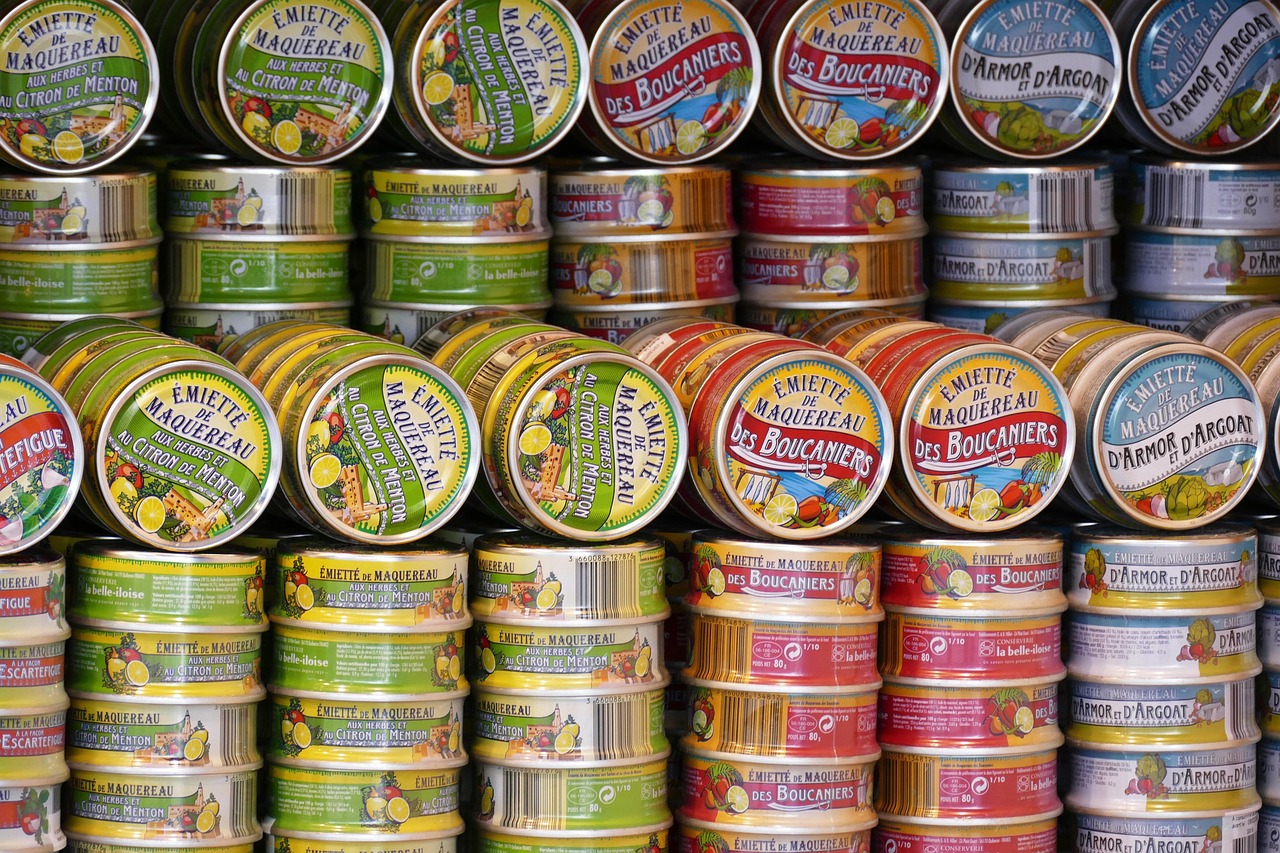
A bakery box, frozen meal tray, sauce pouch, coffee bag, and fruit clamshell do not need the same structure. Dry snacks may need moisture resistance, oily foods need grease resistance, hot filling needs heat tolerance, and frozen goods need crack resistance at low temperatures. If a supplier skips these points and only sends a catalog, you should be careful. Good food packaging starts with the product and the packing condition, not with a machine photo.
Packaging Waste Now Affects Buyer Decisions
Sustainability is now part of buyer screening, especially for retail and food service orders. UNEP reports that packaging is the largest generator of single use plastic waste worldwide, accounting for 36 percent of all plastic produced, and that 85 percent of single use plastic bottles, containers, and packaging end up in landfills or are mismanaged. For importers, this means customers may ask for lighter structures, recyclable mono-material films, paper-based options, or clear disposal claims. The claim still has to match the local market, because a compostable label does not help much if there is no local composting collection. (unep.org)
Which Compliance Documents Should You Ask for First?
Documents cannot turn a poor factory into a good one, but missing documents can block a good order. Before sampling, ask what the supplier can provide for your target country. The reply should be clear and tied to your product. A general “food grade, no problem” answer is not enough, even if the salesperson is easy to talk to.
Food Contact Declarations
For U.S. sales, buyers often ask for FDA food contact compliance statements linked to the exact material and use condition. For EU sales, buyers may ask for a declaration for materials intended to come into contact with food. The European Commission states that food contact materials placed on the EU market must comply with Regulation (EC) No 1935/2004. That rule is made to protect human health and consumer interests while allowing the EU internal market to work. The practical point is simple: tell the supplier the market early, because the same cup or pouch may need different files for different buyers. (food.ec.europa.eu)
Migration and Test Reports
Migration tests show whether substances move from packaging into food under set test conditions. Ask whether the report covers your food type, contact time, and temperature. A report for room temperature dry food should not be used for hot soup. A report for clear PET may not cover a printed sleeve, colored masterbatch, or new adhesive. This paperwork is not exciting, but it prevents costly arguments when the goods are already in the buyer’s warehouse.
Factory Certificates and Audit Records
Food packaging buyers often look for certificates such as FSSC 22000, BRCGS Packaging Materials, SQF, ISO 22000, or ISO 9001, depending on the market and buyer policy. DNV describes FSSC 22000 as a voluntary food safety management system standard that can apply to organizations in the food supply chain, including food packaging manufacturing, and notes that production of packaging materials is covered under Category I of the scheme. Certificates should be valid, issued by an accredited body, and connected to the actual production site. A certificate from another related factory in the same city does not cover your order unless that site is also listed. (dnv.us)
How Should You Compare Materials for Real Food Products?
Material comparison should start with the real use, not with how the sample looks. Ask how the food is packed, filled, sealed, stored, shipped, displayed, and opened. A sample can look fine on an office desk and still fail after humid storage, high stacking pressure, or filling at 85 degrees Celsius.
Paperboard and Corrugated for Dry Goods
Paperboard works well for cereal, tea, confectionery sleeves, and many bakery products when the barrier need is low or handled by an inner liner. Corrugated cartons are still important because they protect retail packs during export shipping. The U.S. EPA estimated that U.S. containers and packaging generated 82.2 million tons of municipal solid waste in 2018, equal to 28.1 percent of total generation. In the same EPA data, corrugated boxes had a 96.5 percent recycling rate, much higher than many plastic packaging categories. That does not mean paper is right for every food, but it explains why many buyers prefer corrugated for transport packs. (epa.gov)
PET, PP, and PE for Clear or Flexible Packs
PET is common for clear bottles and trays because it gives gloss and stiffness. PP handles heat better in many cup, bowl, and microwave tray uses. PE is often used in films, liners, closures, and sealant layers. For flexible packaging, mono-material PE or PP structures can support recyclability claims in some markets, but they may not give the same oxygen barrier as mixed laminates. Ask for a structure sheet, not only a material name, because the layers matter in real use.
Aluminum, Glass, and Barrier Laminates for Long Shelf Life
Long shelf life foods usually need stronger barriers against oxygen, light, aroma loss, or moisture. Aluminum foil laminates can protect coffee, powdered drinks, sauces, and retort foods. Glass gives a higher-end look and strong inertness, but it adds freight weight and breakage risk. Barrier laminates can perform well, though some structures are harder to recycle. The better choice depends on the food value, shelf life target, filling line, and the buyer’s disposal requirements.
What Production Details Separate a Good Supplier from a Risky One?
A food packaging supplier should be checked by what happens on the shop floor, not only by the quotation. Clean handling, steady process control, and traceability matter when a problem shows up after delivery. Ask these questions before paying the deposit, not after the container reaches the port.
Clean Workshops and Segregated Raw Materials
Check how the factory separates food contact materials from non-food orders. Ask about pest control, foreign matter control, staff hygiene, ink and solvent storage, and finished goods protection. For paper products, ask about dust control and coating safety. For plastic products, ask about resin source, recycled content policy, and whether recycled material is approved for the food contact use. A clean floor does not prove everything, but a dirty floor gives you an answer very quickly.
Batch Traceability from Resin to Carton
Traceability should link raw materials, production date, machine, operator record, inspection data, and packing list. If a buyer reports odor, seal failure, or color shift, batch records help the factory find where the issue started. Without traceability, every carton can become suspect. That can change a small defect into a full shipment claim, and no buyer or supplier wants that situation.
Realistic Lead Times and Stable Tooling
Good suppliers do not promise every custom mold in seven days. Tooling, artwork proofing, plate making, sample approval, material booking, production, and export packing all need time. A rushed quote often means one step has not been counted. Ask for a timeline with sample date, mass production date, inspection date, and loading date. Then leave a few extra days, because ports, rain, customs checks, and holidays are common in export work. See also: Eco Packaging.
How Can You Judge Price Without Buying Cheap Trouble?
Price matters, and no buyer can ignore it. Still, the lowest unit price can become expensive if the packaging cracks, smells odd, fails migration requirements, or arrives with weak cartons. Compare the full buying cost and the risk behind the number.
Total Landed Cost, Not Unit Price
A thinner pouch may save half a cent, but it may also increase the leak rate. A cheaper carton may collapse during stacking. A very low MOQ may come with poor color control because the supplier uses leftover stock. Calculate freight, duty, damage rate, repacking labor, claim risk, and buyer penalties. A slightly higher unit price can be the better deal when the product reaches the shelf clean and intact.
Samples That Match Mass Production
Ask whether samples are handmade, pilot line, or mass production samples. Handmade samples help you check shape and artwork, but they do not prove sealing strength, print repeat, or stacking performance. For serious orders, ask for pre-production samples made with the same material, printing process, mold, and sealing method planned for the real order. This step takes time, but it is much cheaper than finding the problem after mass production.
Practical MOQs for Trial Orders
A new buyer should test the supplier with a manageable order if the project allows it. The MOQ should fit your market test, but it also has to make sense for the factory. Printed film, molded trays, and custom boxes often need minimum runs because of setup waste and material rolls. A good supplier will explain why the MOQ is set that way and may suggest shared sizes, stock colors, or neutral packaging for the first batch.
What Questions Should You Ask Before Placing an Export Order?
The final check should be direct and practical. A reliable supplier will answer clearly, ask follow-up questions, and tell you where the limits are. That last point is important. A supplier who says yes to every food, every country, and every deadline may be selling hope instead of packaging.
Product Use and Filling Conditions
Ask these questions in writing: What food will touch the pack? Is it dry, oily, acidic, alcoholic, frozen, chilled, hot filled, microwaved, or retorted? How long is the shelf life? What is the filling temperature? What is the storage temperature? Simple answers help the supplier choose resin, coating, sealant, wall thickness, and test conditions. They also help avoid wrong samples and repeated revisions.
Artwork, Labeling, and Language Checks
Packaging is also used for product information, not just protection. Confirm barcode size, nutrition panel space, allergen warning space, recycling marks, country of origin area, and buyer brand colors. Do not rely only on a good-looking 3D mockup. Ask for a dieline, print proof, color standard, and carton marking layout. One wrong barcode can delay warehouse receiving, and this kind of small mistake happens more often than people expect.
After Sales Support and Corrective Actions
Ask how the supplier handles complaints before you place the order. Do they request photos, batch numbers, sealed samples, and warehouse conditions? Do they issue corrective action reports? Do they replace goods, credit the buyer, or adjust the next batch when the factory is at fault? A clear answer here has real value. It shows whether the supplier is planning for long-term business or only one shipment.
FAQ
Q1: What Is the Most Important Check When Choosing a Food Packaging Supplier? A: Start with food contact safety and intended use. The supplier should know the food type, contact time, temperature, market, and required documents before quoting.
Q2: Should You Choose Paper or Plastic Food Packaging? A: Choose based on the food. Paper can work well for dry goods and outer cartons, while plastic, foil, or laminates may be needed for moisture, oxygen, heat, or sealing performance.
Q3: Are Certificates Enough to Trust a Supplier? A: No. Certificates help, but you should also review test reports, samples, factory controls, traceability, production records, and complaint handling.
Q4: How Can You Reduce Risk on a First Order? A: Use clear specifications, approve production-grade samples, confirm documents, start with a practical trial quantity, and inspect goods before loading.
Q5: Why Does the Cheapest Food Packaging Quote Often Create Problems? A: Very low prices may mean thinner material, weaker cartons, poor ink, missing tests, or rushed production. Compare total landed cost and risk, not only unit price.