How Can Custom Food Packaging Make Your Food Brand Hard to Ignore?
Why Does Custom Food Packaging Matter More Than a Pretty Box?
Custom food packaging is often the first thing a buyer holds after seeing your product. It has to protect the food, show your brand clearly, sit well on the shelf, and give importers enough information before they order again. If you are checking trays, bags, paper boxes, wraps, or takeaway containers, the Food Packaging category is a useful place to begin.
Packaging also belongs to a wider waste and supply chain issue. The U.S. Environmental Protection Agency reported in its 2018 Facts and Figures data that containers and packaging generated 82.2 million tons of U.S. municipal solid waste, equal to 28.1% of total generation. That figure is why packaging design is now discussed by purchasing, sales, compliance, and management teams, not only by designers. (epa.gov)
Product Protection Comes First
A good package should get through filling, stacking, shipping, storage, and handling by people who are working fast. For dry snacks, it may need grease resistance and a tight fold. For chilled meals, it may need moisture control and a lid that does not pop off. For bakery items, the job may look simple, but it still matters: keep the product clean, keep the shape, and make it look fresh when the customer picks it up.
Brand Recall Starts at the Counter
Color, logo position, window shape, and surface feel all help a buyer remember your product. A matte paper bowl with a clean logo does not feel the same as a plain glossy container. That small difference can matter when a customer takes a lunch photo or carries a coffee cup outside. Many food brands only take packaging seriously after a nearby competitor starts looking better on the shelf.
Export Buyers Read the Details
Importers and distributors do not stop at the front design. They check material, size, carton quantity, food contact notes, barcode space, language needs, and pallet fit. Clear packaging details cut down long email threads and help your buyer explain the item to their own sales and warehouse teams. In export sales, these plain technical details often move an order faster than a nice mockup by itself.
What Materials Work Best for Different Food Products?
The right material depends on the food type, temperature, shelf life, filling method, and how the customer will use it. There is no one material that works for every product. A noodle bowl, cookie box, frozen dumpling bag, and deli sandwich wedge all meet different problems in storage and delivery. Choose the material after you map the product from the filling line to the final user.
Paperboard and Corrugated for Dry Foods
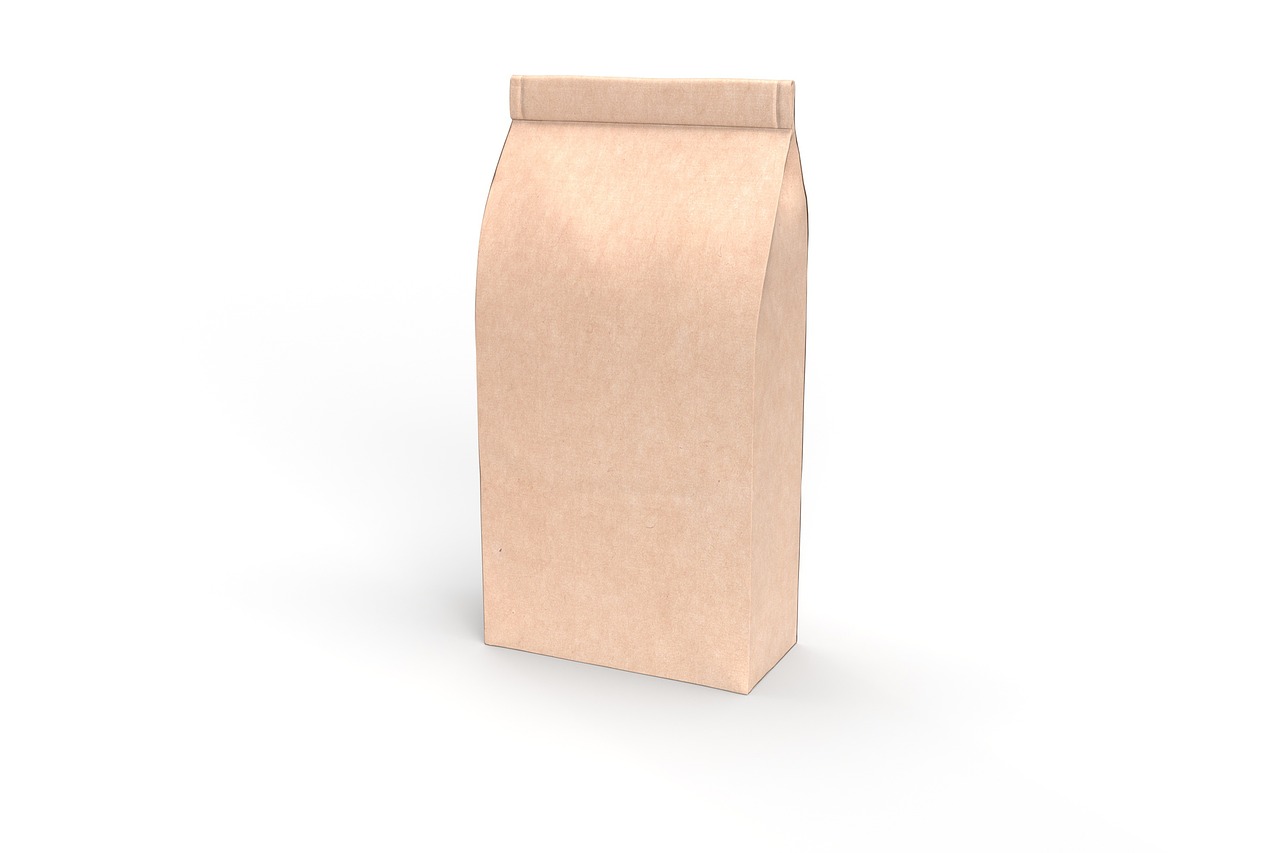
Paperboard is common for bakery boxes, confectionery sleeves, tea cartons, snack boxes, and gift food sets. It prints well and gives a clean retail look without making the structure too complex. Corrugated packaging is better when strength matters, such as subscription food kits, multipacks, or shipping cartons. If oil or moisture is involved, ask about coatings or liners instead of assuming plain paper will be enough.
Molded Fiber and Bagasse for Takeaway Meals
Molded fiber and bagasse are widely used for quick-service meals, salad bases, burger clamshells, and tray-style takeaway packs. They feel firm in the hand and match the direction many food brands are taking. Still, you should check heat resistance, soak time, and lid fit with the real food. A curry, a cold salad, and fried chicken behave very differently inside the same container.
Plastic Films and Lids for Barrier Needs
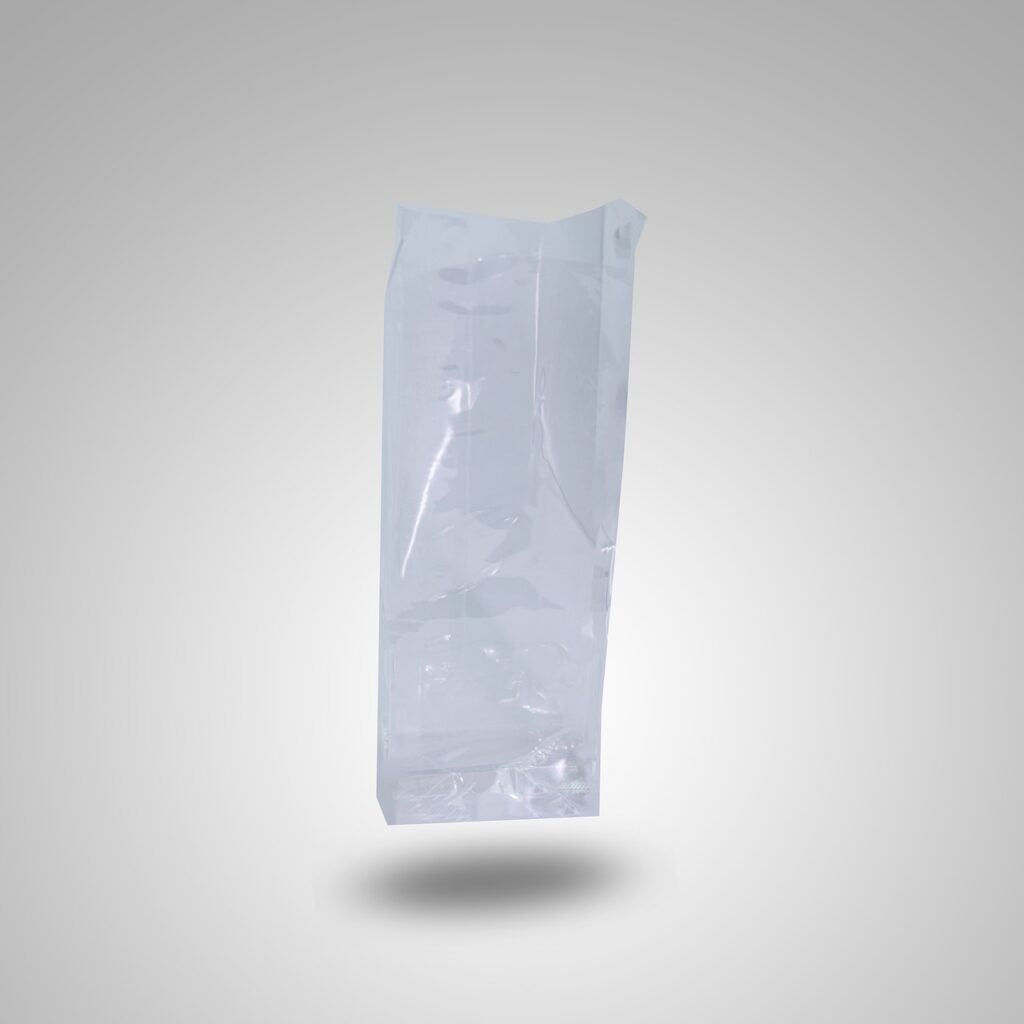
Some foods need a stronger barrier against oxygen, aroma loss, moisture, or freezer burn. For these cases, plastic films, laminated pouches, trays, and clear lids may still be the right choice. The important point is to use them for a clear reason. If a film layer adds shelf life or reduces food waste, it has a business purpose. If it is only there because the old supplier used it, it is worth checking again.
How Should You Match Design to Food Safety Rules?
Food packaging should look good, but it also has to be safe for food contact. For U.S. market planning, the Food and Drug Administration states that food packaging components used in compliance with applicable 21 CFR regulations, mainly Parts 174 to 179, may not need further FDA review. That does not mean every printed box is automatically acceptable. It means material status, intended use, and contact conditions have to be checked. (fda.gov)
Food Contact Status of Every Layer
First check what touches the food directly. It may be paper, coating, film, tray resin, liner, or a heat-seal layer. Each layer should match the food type and use temperature. Fatty foods, acidic sauces, alcohol-containing products, and hot-fill foods can raise different questions. A supplier should be able to explain the intended use in plain terms, not just use the words food grade.
Ink Coating and Adhesive Choices
Printing is not only about brand appearance. Inks, varnishes, coatings, and adhesives can create risk if they are badly chosen or placed too close to the food contact side. For folded cartons, check set-off during stacking. For wraps and liners, check whether ink can rub, bleed, or transfer. Simple artwork can sometimes be safer and cheaper than heavy full-coverage printing.
Documentation Buyers May Request
Export buyers may ask for material specifications, migration test reports, declarations of compliance, factory certifications, or packaging drawings. The exact list changes by country and by buyer. If reliable public data does not support a claim, do not print that claim on the package. Words like compostable, recyclable, microwave-safe, and freezer-safe should match real test conditions, not only sales wording.
Can Sustainable Custom Food Packaging Lower Real Business Risk?
Sustainability is no longer just a marketing line on a brochure. It affects retailer approval, disposal fees, buyer trust, and possible future legal risk. The goal is not to chase every new green material. The practical goal is to choose packaging that protects the food, uses a sensible amount of material, and can meet the rules in your target market.
Waste Data Makes Packaging Choices Visible
The EPA data above explains why packaging gets so much attention: it is a large and visible part of municipal waste. This is why retailers and foodservice groups ask suppliers to reduce extra material, avoid hard-to-recycle combinations, and support their claims. A slightly smaller tray rim or a thinner outer carton may look like a small change. Across 200,000 meals, it becomes a real material saving.
EU Rules Push Recyclable Design
The European Commission explains that the Packaging and Packaging Waste Regulation is aimed at making all packaging recyclable by 2030. For exporters selling into Europe, early design review can save trouble later. Mixed materials, dark colors, heavy coatings, and labels that block sorting can create problems during approval. It is better to fix those items on the drawing board than after a retailer audit. (environment.ec.europa.eu)
Right Sizing Cuts Material and Freight
Right sizing is not an exciting topic, but it is one of the most useful ways to cut waste and cost. If a tray is 5 mm too tall, carton count may drop. If a box has too much empty space, freight cost goes up and the product may move around during transit. A custom die line can reduce board use, improve pallet loading, and make the product look more planned. No big slogan is needed for that. See also: Eco Packaging.
What Details Make Packaging Better for Export Orders?
Export packaging has to deal with long routes, changing climates, warehouse repacking, and buyer inspections. The best designs are not always the ones with the most decoration. They are the ones that run steadily in production and arrive close to the approved sample. That is what buyers usually remember when they place the next order.
Clear Sizes Tolerances and Pack Counts
State the open size, closed size, capacity, paper weight, film thickness, carton pack count, and acceptable tolerance. A 500 ml bowl from one factory may not match another factory’s 500 ml bowl. If lids, sleeves, or sealing films are part of the pack, tolerance becomes even more important. One loose lid can lead to a whole carton of rejected stock.
Shelf Tests Before Big Production
Before a large order, test the package with the real food, not only with water or empty samples. Try hot filling, cold storage, shaking, stacking, freezing, reheating, or delivery bag handling if those steps match your product. The FAO’s 2019 State of Food and Agriculture report notes that processing and packaging can help preserve food, while poor facilities, technical faults, and human handling can add loss. Packaging tests are a direct way to reduce that risk before the order is shipped. (fao.org)
Carton Labels That Reduce Warehouse Mistakes
Outer cartons should show item code, size, color, material, quantity, batch number, gross weight, and handling marks. For multi-SKU brands, the label should be readable from a distance. Warehouse staff do not have time to read tiny print at 6 p.m. on a Friday. Clear carton labels help prevent mixed shipments, wrong lids, and credit notes that nobody wants to handle.
How Can You Brief a Supplier and Avoid Costly Rework?
A good supplier brief saves time and keeps the quotation closer to reality. If a supplier only receives a logo and a rough photo, the price will be based on guesses. If the brief includes product use, food type, target market, drawings, quantity, and testing needs, the project usually moves faster. Fewer samples are wasted, and both sides know what they are checking.
Share Product and Supply Chain Conditions
Tell the supplier what food goes inside and whether it is hot, oily, acidic, frozen, chilled, dry, or sticky. Share filling temperature, shelf life target, storage method, transport route, and final customer use. A box for hand-packed cookies in a local shop is not the same as a carton for frozen seafood moving across the ocean. The more real conditions you share, the easier it is to choose the right structure.
Ask for Samples Before Tooling
Request blank samples, printed samples, or pre-production samples depending on the project stage. Check fit, fold, seal, smell, stiffness, color, barcode scan, and stacking. If a package has a window, test whether it scratches. If it has a lid, open and close it many times. Small problems during sampling often become large complaints after launch.
Confirm Artwork with a Simple Checklist
Before printing, review logo files, Pantone or CMYK values, dielines, bleed, safe area, barcode, nutrition panel space, recycling marks, country of origin, and legal text. Use plain file names and version numbers so the factory and buyer are checking the same file. This work is not exciting, but it prevents a common mistake: the approved front panel matched with an old back panel.
- Confirm direct food contact material and intended use.
- Match packaging size to product weight and filling method.
- Test samples with the real food and real storage condition.
- Keep sustainability claims specific and supportable.
- Lock artwork only after technical details are approved.
FAQ
Q1: What Is Custom Food Packaging? A: Custom food packaging is packaging made around your food product, brand design, size, material needs, and sales channel. It can include boxes, bowls, bags, trays, sleeves, labels, wraps, cartons, and takeaway containers.
Q2: How Do You Choose the Right Material? A: Start with the food. Check moisture, oil, temperature, shelf life, weight, and how the customer will carry or store it. Then compare paper, fiber, plastic, film, or mixed structures based on actual performance.
Q3: Is Food Grade the Same as FDA Compliant? A: Not always. Food grade is often used as a broad market term. FDA compliance depends on the material, component, regulation status, food type, and contact condition.
Q4: Can Sustainable Packaging Still Protect Food Well? A: Yes, but it must be tested. A lighter or fiber-based pack is useful only if it still protects the food, works with filling, and matches disposal or recycling expectations in the target market.
Q5: What Should You Prepare Before Requesting a Quote? A: Prepare size, food type, material preference, quantity, artwork, target market, packing method, storage condition, and any test or document request. Better input usually brings a more accurate quote.