How Can Custom Packaging Solutions Help Your Brand Ship Better and Sell More?
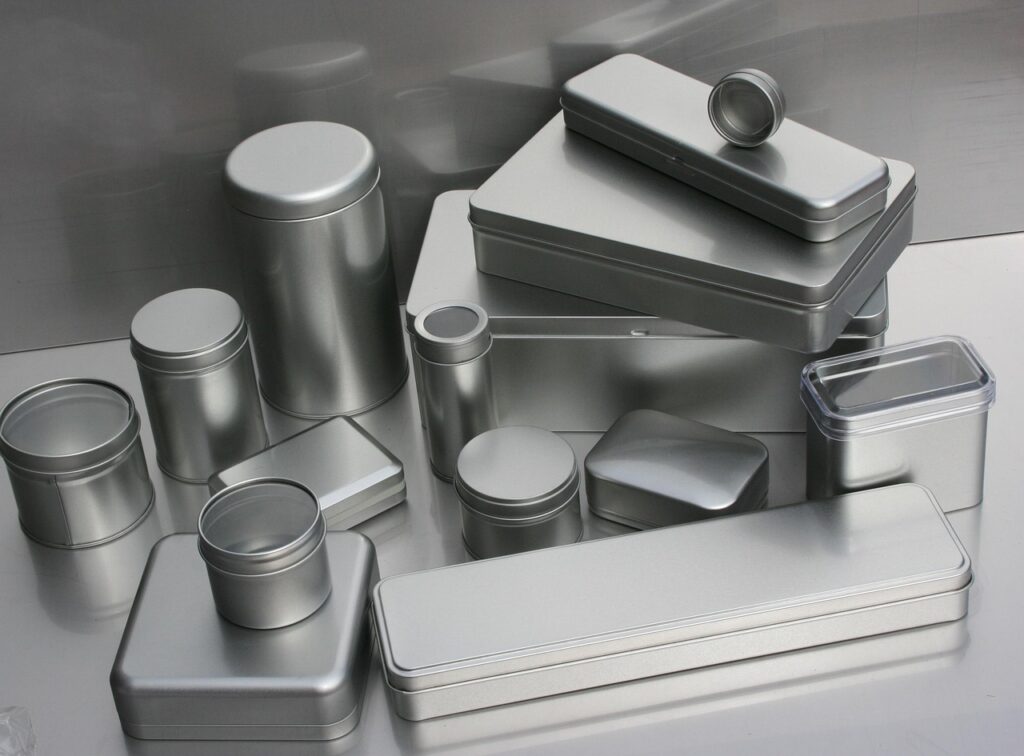
Why Do Custom Packaging Solutions Matter for Export Brands?
If you sell across borders, custom packaging solutions are not just a nicer box. They affect product safety, shelf display, freight cost, recycling claims, and how a buyer remembers your brand after the shipment arrives. A plain carton can still do the job. But a poor carton can turn a good product into a support case, a return, or a bad review.
First Impression at the Door
Your packaging is often the first physical thing a buyer sees from your product. For e-commerce, that may happen on a kitchen table, at a warehouse receiving dock, or in a small retail stockroom. Clear printing, tidy inserts, and easy opening make the product feel planned. Even a simple kraft box can look better when the size, texture, and label position are handled properly.
Protection Across Long Supply Chains
Export goods face vibration, compression, humidity, stacking, repacking, and sometimes rough handling. Light industrial products such as tools, household goods, accessories, and small appliances need packaging based on where the product is most likely to fail. Glass needs cushioning. Metal parts may need rust control. Printed surfaces need scuff protection. Good packaging should start with the risk, not with the decoration.
Less Waste Through Right-Sized Design
A box that is too large wastes paperboard, filler, pallet space, and freight volume. A box that is too tight may fail at the corners or press against the product during transit. Right-sized design sits between those two problems. It leaves enough room for protection without shipping empty air. This sounds basic, but many packaging costs are hidden there.
Which Packaging Materials Should You Choose?
Material choice should follow the product, sales channel, target market, and local recycling situation. No single material fits every order. In most cases, custom packaging solutions combine an outer structure, inner protection, surface finish, and clear markings.
Corrugated Board for Most Shipping Needs
Corrugated board is the common choice for export packaging. It is light, printable, foldable, and accepted in many recycling systems. Single-wall board may work for lightweight items, while double-wall board is often used for heavier or fragile goods. You should also check flute type, board grade, edge crush strength, and how the carton performs after storage in humid conditions.
Rigid Boxes for Premium Retail
Rigid boxes make sense when the package is part of the product value. Gift sets, electronics accessories, cosmetics tools, and specialty consumer goods often use them because the box feels firm in the hand. The tradeoff is cost and shipping volume. If the product ships by air, a rigid box that looks good can become expensive very quickly.
Flexible Pouches and Paper Options
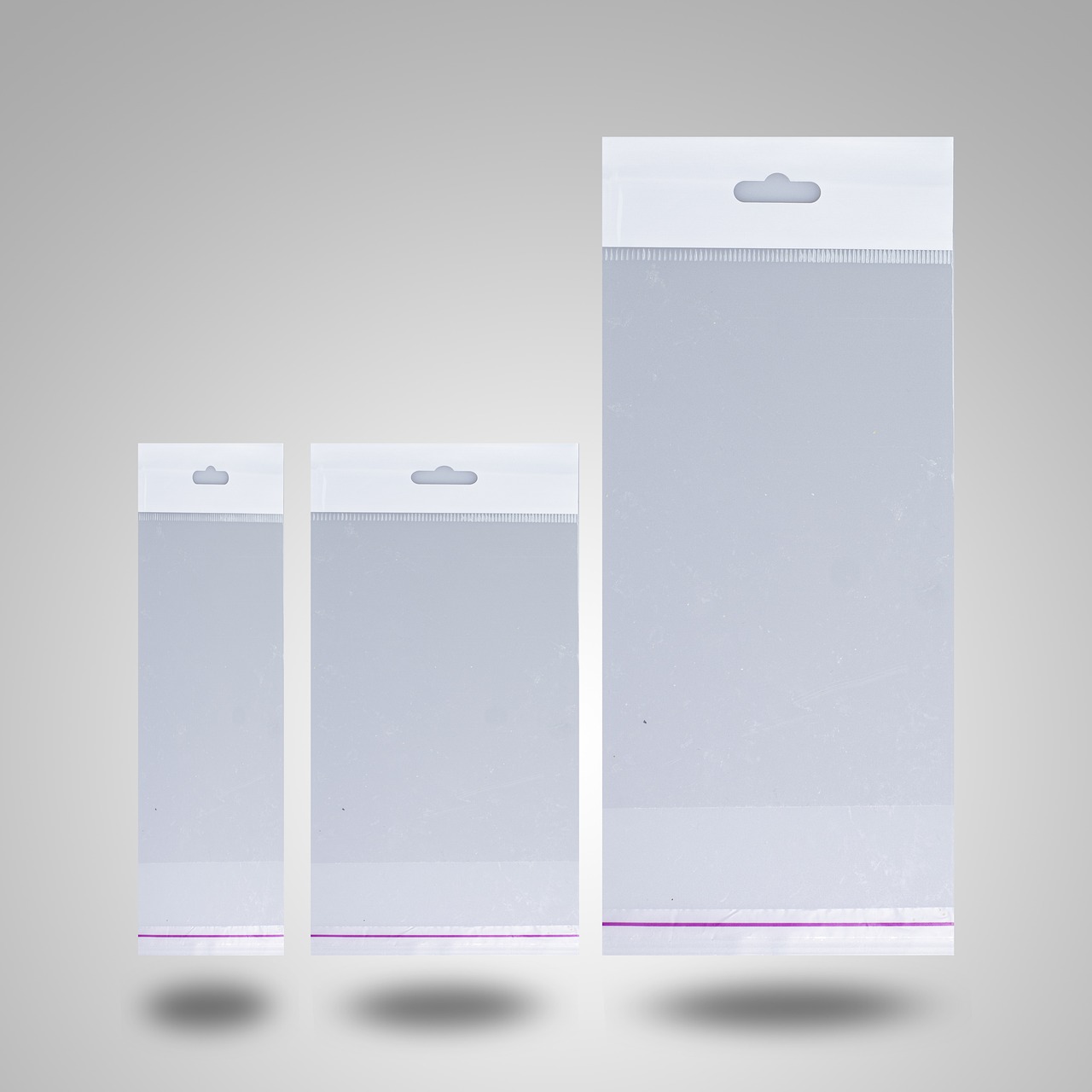
Flexible pouches, paper sleeves, molded pulp, and paper-based inserts can reduce bulk for some products. They can also make the unboxing process cleaner and easier. But you still need to check barrier needs, seal strength, abrasion, and print durability. A pouch may look fine on a screen, then wrinkle after a month in a container, which can be a real issue for retail displays.
How Can Better Packaging Cut Damage and Hidden Costs?
Damage cost is rarely only the price of a broken item. It can include replacement freight, customer service time, chargebacks, lost reviews, repacking labor, and delayed resale. Public averages for savings after a redesign are hard to compare because product categories are different. For that reason, your own test results and claim records are more useful than a broad promise.
Fit Comes Before Fancy Printing
Artwork cannot fix poor fit. Before you approve colors or foil stamping, check how much the product moves inside the pack. Shake the closed sample. Press the corners. See how the inserts hold the product after several openings. If the item can slide, rub, or hit the outer wall, the design still needs work.
Transit Testing for Real Parcel Conditions
Transit testing gives you a clearer way to judge packaging before mass production. ISTA Procedure 3A is described by the International Safe Transit Association as a general simulation test for individual packaged products shipped through parcel delivery systems. Source: ISTA Procedure 3A Overview, 2018. You do not need to test every small change, but new product launches and high-value goods should go through this step.
Clear Labels for Warehouses and Buyers
Packaging also helps people handle goods in the right way. Carton marks, barcodes, country of origin, item numbers, batch codes, and orientation marks reduce mistakes in receiving and fulfillment. For export orders, labels should stay readable and consistent. A warehouse worker should not need a magnifying glass or a phone call to identify the carton.
What Should You Know About Sustainability Claims?
Sustainability matters, but unclear claims can damage trust. Buyers now ask direct questions: Is it recyclable in my country? How much recycled content is used? Is the ink safe? Can the package be smaller? Good answers need data, not green colors and a leaf icon.
Public Data Shows Packaging Waste Is Visible
Public waste data explains why packaging gets attention. The U.S. Environmental Protection Agency reported that containers and packaging generated 82.2 million tons of U.S. municipal solid waste in 2018, equal to 28.1% of total generation. Eurostat reported that the EU produced 83.4 million tonnes of packaging waste in 2022, or 186.5 kg per inhabitant, and that 41% of plastic packaging waste was recycled in 2022. Sources: U.S. EPA Facts and Figures, 2018 data; Eurostat packaging waste release, 2024.
One Material Is Not Always Greener
The OECD Global Plastics Outlook in 2022 identified packaging as the largest plastics application, at 31% of plastics use. That does not mean every plastic pack is automatically bad, or every paper pack is automatically good. Weight, product protection, recycling access, food safety, coating, and transport distance all affect the result. McKinsey’s 2025 global packaging survey also noted that no single packaging substrate is the clear winner across every sustainability attribute.
Claims Need Local Recycling Context
If you print “recyclable” on a box, the claim should match the market where the buyer receives it. The U.S. Federal Trade Commission Green Guides focus on avoiding misleading environmental marketing claims, including packaging claims. Source: Federal Trade Commission Green Guides review materials, active review period noted in 2022 to 2024. In simple terms, state what the package is made from and avoid claims you cannot support with records.
How Does Packaging Support Import and Export Compliance?
Custom packaging also involves paperwork, material control, and market access. A good-looking design can still create trouble if it uses the wrong wood pallet, the wrong food-contact material, or markings that do not fit the selling channel. Compliance checks are not exciting work. Still, a stuck shipment is much worse. See also: Food Packaging.
ISPM 15 for Wood Packaging
Wood pallets, crates, and dunnage used in international trade often fall under ISPM 15 rules. USDA APHIS guidance for wood packaging material entering or transiting the United States says regulated WPM must be pest-free, debarked, heat-treated or fumigated, and marked with the ISPM 15 logo. Source: USDA APHIS wood packaging material import guidance, reviewed in 2026. If you use wood, confirm this before you book freight.
Food Contact Material Checks
If packaging touches food, beverages, or some personal-care products, material safety comes first. The U.S. Food and Drug Administration states that food contact material components used in compliance with applicable 21 CFR regulations need no further FDA review. Manufacturers still remain responsible for meeting the correct specifications and limits. Source: FDA food contact substances guidance, current FDA public guidance pages.
Retailer Rules and Marketplace Packaging
Large retailers and marketplaces may set their own packaging rules for drop tests, barcodes, overbox reduction, easy-open design, or ship-in-own-container programs. These rules can change from time to time. Before you print 20,000 cartons, ask the buyer for the latest packaging manual. It is a small email, but it can prevent a costly remake.
How Should You Start a Custom Packaging Project?
A smooth packaging project starts with clear inputs. Do not begin only with “make it premium” or “make it cheaper.” Start with product size, weight, weak points, order quantity, sales channel, market rules, and target delivery date. Then the design has real information to work from.
Define Product Risk and Sales Channel
List the product risks first. Is it fragile, sharp, heavy, oily, magnetic, easily scratched, or sensitive to moisture? Then match the channel. A retail shelf pack, Amazon-style parcel pack, wholesale carton, and sea-freight master carton may need different structures. One design for every route can work in some cases, but it will not always give the best result.
Confirm Artwork, Samples, and Tolerances
Packaging samples should be checked with real products, not only empty boxes. Look at color, fit, barcode scan quality, glue strength, folding lines, insert placement, and carton stacking. Small tolerance issues can become large in mass production. A lid that feels slightly tight in a sample may slow packing workers later.
Plan Lead Time Before Peak Season
Packaging needs time for design, sampling, testing, artwork approval, printing, drying, finishing, packing, and freight. Peak seasons make each step harder to control. A practical checklist can keep the project on track:
- Confirm final product dimensions before dieline work starts.
- Approve one physical sample with the real product inside.
- Check material certificates when food contact, recycled content, or special claims matter.
- Reserve extra time for holiday orders, new molds, complex inserts, and color matching.
Good custom packaging solutions do not need to be complicated. They need to protect the product, fit the channel, support the brand, and make truthful claims. When those basics are handled well, the box does its job without drawing attention for the wrong reasons. For export brands, that is often the packaging you want.
FAQ
Q1: What Are Custom Packaging Solutions? A: Custom packaging solutions are packaging designs made for your product size, sales channel, brand style, protection needs, and market requirements. They can include cartons, rigid boxes, inserts, sleeves, pouches, labels, and master cartons.
Q2: How Early Should You Start a Packaging Project? A: Start before final production if possible. You need time for dielines, samples, artwork checks, transit testing, and material sourcing. For export orders, beginning several weeks earlier can reduce last-minute freight and remake problems.
Q3: Is Sustainable Packaging Always More Expensive? A: Not always. A recycled paperboard, smaller carton, or better insert can sometimes cut material and freight cost. Other options, such as specialty coatings or certified materials, may cost more. The right choice depends on product risk and buyer expectations.
Q4: Do You Need Transit Testing for Every Package? A: No. Low-risk products and repeat designs may not need full testing every time. New fragile goods, heavy products, high-value items, and marketplace shipments should be tested more carefully because damage costs can grow quickly.
Q5: What Information Should You Give a Packaging Supplier? A: Give product dimensions, weight, photos, shipping route, sales channel, order quantity, branding needs, compliance requirements, and any past damage records. Better input leads to better samples and fewer revisions.