How Can Custom Product Packaging Make Your Brand Easier to Buy and Harder to Forget?
Why Does Custom Product Packaging Matter Before the Buyer Touches the Product?
Good custom product packaging is not just a cover around an item. It tells the buyer what the product is, why it is useful, and whether it looks safe to buy. For light industrial goods, small consumer products, beauty items, tools, stationery, home goods, and accessories, the package is often the first thing a customer holds from the brand.
First Impressions Start With Shape, Color, and Copy
A buyer may look at three similar products and decide in a few seconds. A clean folding carton, clear label order, and tidy finish can make that decision easier. The package should show the product name, key benefit, quantity, safety note, and brand mark without making the buyer search for them. Small details still count. A matte black cosmetic box gives a different feel from a kraft soap sleeve, even when the structure is simple.
E-Commerce Makes Packaging Carry the Shelf
Online retail has made packaging do more work. The U.S. Census Bureau reported that U.S. retail e-commerce sales reached $326.7 billion in Q1 2026, up 9.8% from Q1 2025, while total retail sales rose 3.9% in the same period. More products now move through parcel networks before a customer opens them at home. During that trip, packaging has to sell, protect, and explain the product at the same time.
Packaging Waste Has Become a Brand Issue
Packaging is also part of the waste discussion. The U.S. Environmental Protection Agency reported that containers and packaging made up 82.2 million tons of municipal solid waste in 2018, equal to 28.1% of total U.S. municipal solid waste generation. For a brand, this does not mean every package has to look plain or cheap. It means the package should be the right size, use material for a clear reason, and avoid extra layers that do not protect the product or help sell it.
What Should You Decide Before Asking for a Quote?
A quick quote only helps when the main details are clear. Before asking for a price, prepare the product details, sales channel, and target feel. This avoids the usual back-and-forth where the supplier gives one price, then changes it after finding out the box needs a window, insert, barcode area, or stronger board.
Product Size, Weight, and Fragility
Start with real product measurements, not catalog estimates. Measure length, width, height, net weight, and any sharp edge or weak point. A small glass bottle, a plastic tool case, and a fabric gift set may look similar in size, but they may need different inserts. If the item can leak, scratch, bend, or break, say it at the start. A 2 mm gap may sound small, but inside a parcel box it can become the space where corners get crushed.
Sales Channel and Handling Route
Retail shelf packaging and direct-to-consumer shipping packaging have different jobs. A shelf box may need a hanging hole, bright front panel, and fast scanning. A parcel-ready mailer needs stronger corners, secure closure, and space for a shipping label. The International Safe Transit Association describes its 3-Series tests as simulations of transport forces and handling sequences, and ISTA 3A is commonly used for individual packaged products moving through parcel delivery systems.
Brand Budget and Order Quantity
Packaging price depends on structure, material, print method, finish, tooling, and order quantity. For small runs, digital printing or simple stickers can keep setup cost lower. For larger orders, offset printing, embossing, foil stamping, spot UV, or custom inserts may make more sense. Be clear about the first order quantity. A supplier can then suggest a structure that can scale later, instead of pushing a luxury box too early.
Which Materials Work Best for Custom Product Packaging?
There is no single best material for every product. The better question is what the product needs during storage and shipping, what the buyer expects to see, and what the target market can recycle or accept. A good package balances strength, look, cost, weight, and local rules.
Paperboard for Light Retail Goods
Paperboard works well for cosmetics, tea, small electronics accessories, toys, stationery, and many light goods. It prints neatly and can be folded into many retail shapes. Common structures include tuck-end boxes, sleeve boxes, window boxes, drawer boxes, and hang-tab cartons. If the product is premium, thicker board and a soft-touch finish can help. If the product is price-sensitive, a single-color print on white or kraft board may be enough.
Corrugated Board for Shipping Strength
Corrugated board is the usual choice for shipping boxes, subscription boxes, and heavier kits. It gives better stacking strength than thin paperboard and can be made with different flute types. For a small e-commerce brand, a printed mailer box can work as both shipper and unboxing package. That removes one layer, but only if the outside can handle labels, scuffs, tape, and a rainy doorstep.
Flexible Films and Pouches for Small Items
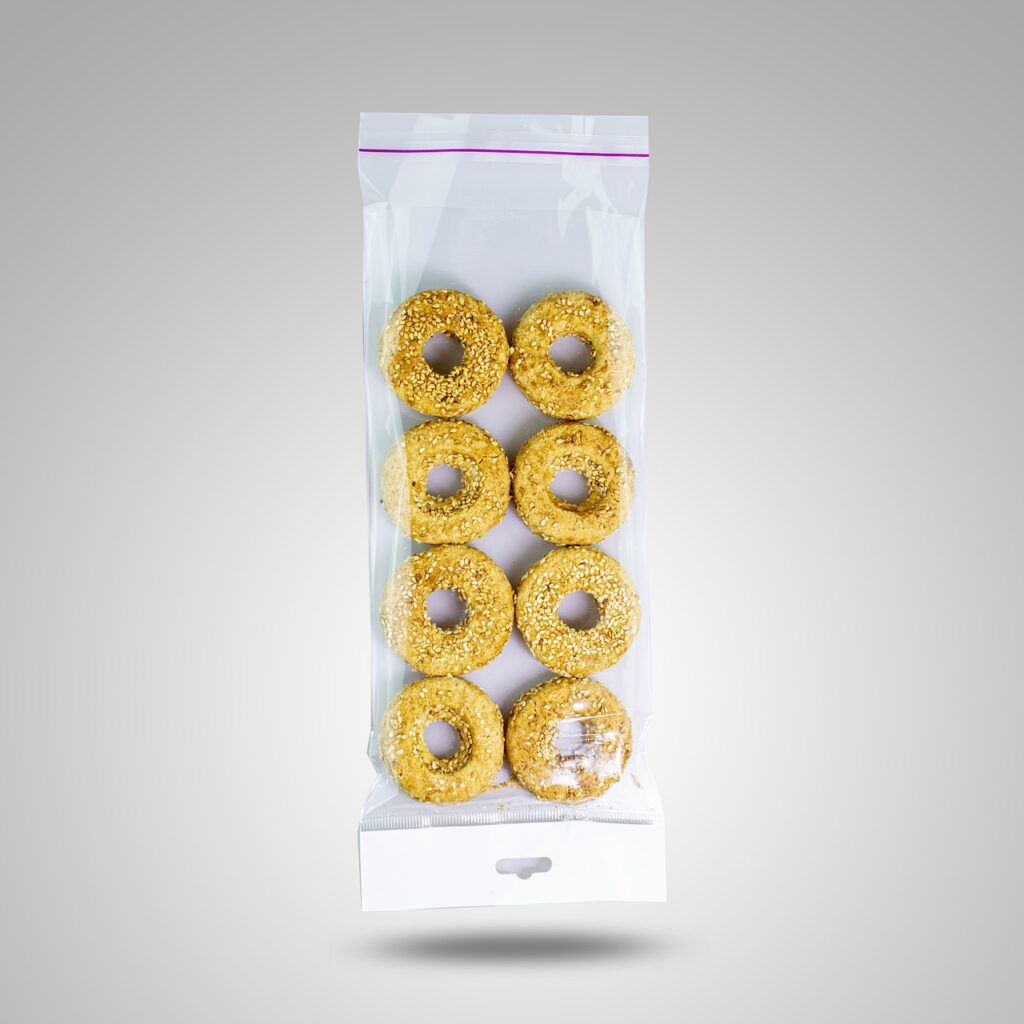
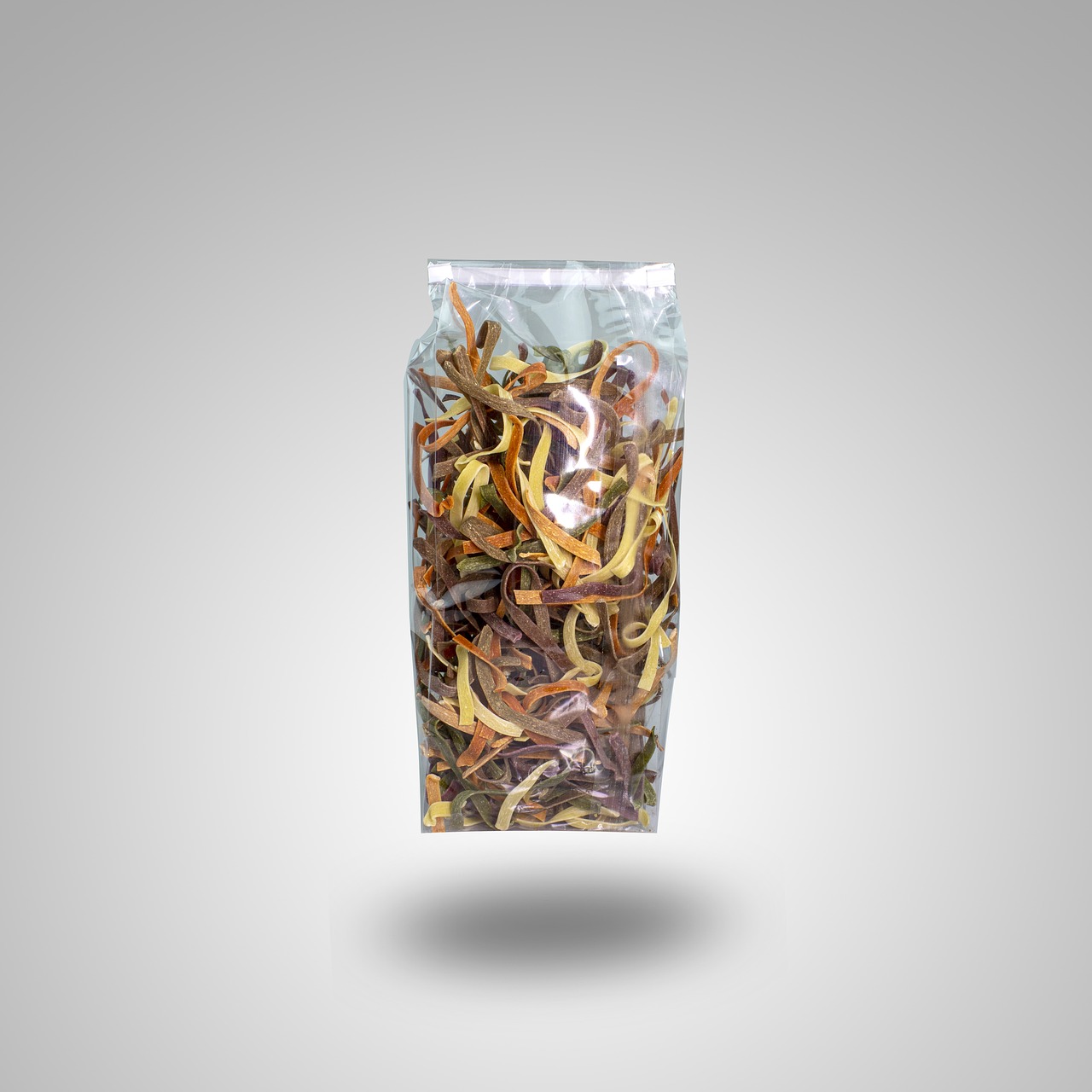
Flexible pouches can fit snacks, powders, refills, samples, hardware parts, and personal care items. They take less space than rigid boxes and can include zippers, tear notches, hang holes, or clear windows. Recycle claims still need care because multi-layer films are not accepted in many curbside systems. If the brand sells into several countries, check the target market before printing a recycling message.
How Can Packaging Design Cut Damage and Returns?
Damage is not only a warehouse issue. It is also a design issue. A product that arrives dented, open, leaking, or hard to understand can lead to a refund, a bad review, or no second order. The National Retail Federation and Happy Returns reported that retailers expected 15.8% of annual sales to be returned in 2025, totaling $849.9 billion. Not all returns come from packaging, but poor packaging can raise the risk.
Fit, Cushioning, and Closure
A package should keep the product in a steady position. Loose movement can cause corner dents, label rub, broken caps, and crushed edges. Inserts, molded pulp trays, corrugated dividers, paper wraps, foam, or air pillows may help, but the first step is often to right-size the box. Closure matters too. A tuck flap that opens during transport is not a small problem. It can turn into lost product before the buyer even sees it.
Drop Tests and Transport Checks
Before placing a large order, ask for samples and run basic checks. Drop the packed product from common handling heights, shake it, stack it, and open it the way a customer would. For higher-risk goods, use a recognized lab or follow ISTA-style testing. The aim is not to make the package indestructible. The aim is to find weak points before 5,000 units are printed.
Clear Inserts and User Instructions
Some returns happen because buyers do not know how to open, assemble, charge, clean, or store the item. A small instruction card, QR code, warning label, or printed inner flap can prevent that. Keep the wording plain and short. For example, a reusable pump bottle may need one note about unlocking the pump before use. It is not exciting copy, but it can save customer service time. See also: Food Packaging.
How Can Sustainable Packaging Stay Practical?
Sustainable packaging should be based on clear facts, not loose claims. Buyers may like the look of kraft paper, but kraft color alone does not prove a package is greener. Claims should match the material, local recycling system, and real use case. McKinsey reported in its 2023 U.S. packaging survey that about half of U.S. consumers were willing to pay 1% to 3% more for sustainable packaging, while smaller groups accepted higher premiums. The interest is there, but price still matters.
Right-Sizing Before Material Switching
The first green step is often to reduce empty space. A smaller carton can reduce board use, filler, pallet space, and shipping volume. This may sound less exciting than a new bio-based material, but it is often more useful in real orders. For export goods, right-sizing also helps container loading and warehouse storage. If a box ships mostly air, the brand keeps paying for that air.
Recyclable Claims With Local Limits
Recyclability is not a simple yes-or-no claim. A paper box with plastic lamination, magnet closure, glitter, foam insert, or metalized film may look premium but become harder to recycle. If the package is sold in the United States, Europe, and the Middle East, recycling access may differ by city and country. Use careful language such as “paper box” or “made with recycled content” only when the material data supports it.
Refill and Reuse Only When They Fit
Refill packs and reusable boxes can work for cosmetics, candles, tea, pet products, and home care. But reuse should match real customer habits. A heavy rigid gift box may be kept by some buyers, but many will still throw it away. For low-cost items, a lighter structure with good print may be the better choice. Practical is not a bad thing here. Buyers often notice waste faster than they notice a neat sustainability story.
How Do You Work With a Packaging Supplier Without Wasting Time?
A smooth packaging project starts with clear information and steady checks. The supplier can help with structure, material, finish, and production, but the brand still needs to provide product facts and market goals. A clear process saves time for both sides and reduces late changes.
A Simple Brief With Real Measurements
Your brief does not need to look polished. It just needs to be complete. Include these basics before asking for a final quote:
- Product size, weight, and photos from several angles.
- Target package type, such as folding carton, mailer box, rigid box, pouch, sleeve, or label.
- Sales channel, including retail shelf, Amazon, Shopify, distributor, gift set, or wholesale.
- Print needs, color count, logo files, barcode, warning text, and language versions.
- Estimated order quantity, delivery country, and preferred launch date.
Sampling Before Mass Production
A sample can show problems that a flat dieline cannot show. Check whether the product fits, the flap closes, the insert holds, and the printed color matches the brand. For luxury packaging, look at corners, glue lines, wrapping edges, and surface scratches under normal room light. No one buys packaging under perfect factory lighting.
Quality Checks at Each Stage
For mass production, ask what will be checked before shipment. Common checks include board thickness, color consistency, folding accuracy, glue strength, carton size, barcode scan, surface marks, and packing count. If the package has food-contact needs, child warning copy, or market-specific labels, confirm those requirements before printing. A small artwork mistake can become expensive after the ink is dry.
FAQ
Q1: What Is Custom Product Packaging? A: Custom product packaging is packaging made around a product’s size, brand, sales channel, and protection needs. It can include boxes, pouches, sleeves, labels, inserts, mailers, and gift sets.
Q2: How Much Does Custom Packaging Cost? A: Cost depends on material, size, printing, finish, structure, inserts, and order quantity. A simple paperboard carton costs less than a rigid gift box with foil stamping and a molded insert.
Q3: Which Packaging Material Is Best for Small Products? A: Paperboard is a strong choice for many light retail goods. Corrugated board is better for shipping strength, while pouches suit refills, samples, and small flexible goods.
Q4: Can Custom Packaging Help Reduce Returns? A: Yes, when it improves product fit, cushioning, closure, instructions, and transport strength. It cannot remove every return reason, but it can reduce damage and confusion.
Q5: Should Sustainable Packaging Always Use Paper? A: Not always. Paper is useful, but the right choice depends on product protection, moisture needs, recycling access, cost, and transport. A smaller, well-tested package often beats a trendy material used badly.