Why Is Custom Packaging Design Essential for Export Manufacturing?
Why Is Custom Packaging Design Essential for Export Manufacturing?
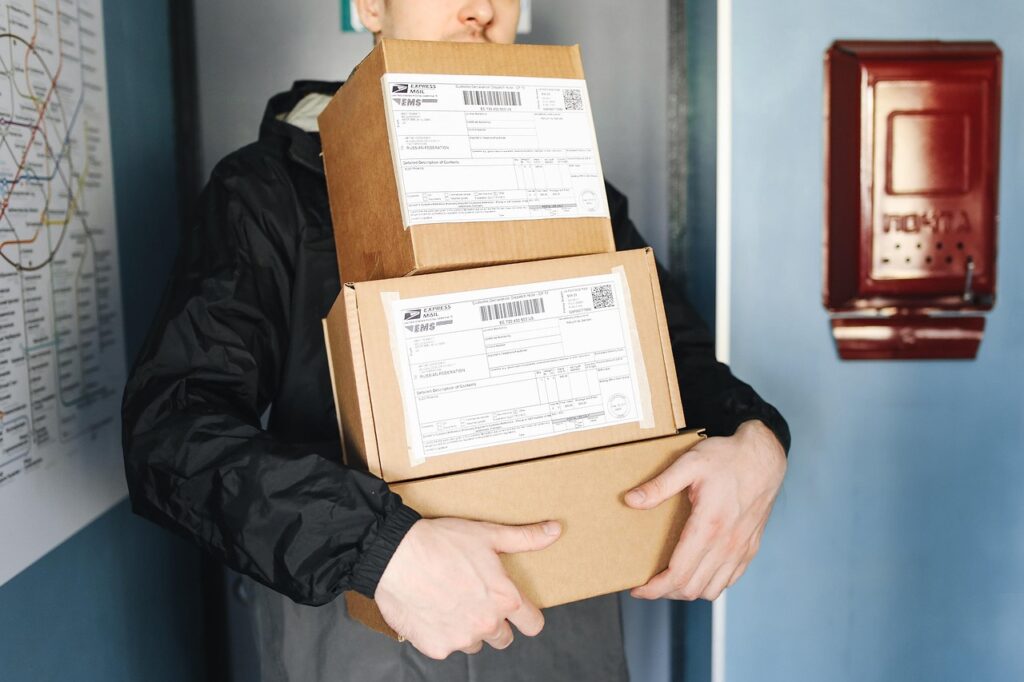
For export manufacturing, custom packaging design is not the last pretty layer around a product. It is a working part of the delivery plan, especially when machined parts, metal housings, assemblies, or precision components must cross borders without damage. If you are sourcing from a factory, reviewing Custom Packaging choices early can save many awkward emails later, the kind that start with a photo of a cracked corner or a missing label.
A good package has a simple job: protect the product, fit the freight route, help the buyer receive it quickly, and meet market rules. That sounds basic. In real export orders, though, a box may move through forklifts, container loading, port storage, customs checks, courier hubs, and a final warehouse shelf. One weak detail can turn a clean purchase order into a claim.
Why Does Custom Packaging Design Matter Before Production Starts?
Packaging should be discussed before the production schedule is locked. Once part size, surface finish, order quantity, and destination are fixed, changing the package can be costly. The World Bank’s 2023 Logistics Performance Index covers 139 countries and looks at customs, infrastructure, shipment arrangement, logistics quality, tracking, and timeliness. That background matters because your product may move through a route that is reliable in one market and rough in another. The conclusion is simple: export packaging must be built for the route, not just for the factory floor.
Product Protection Comes First
A machined aluminum cover, a stamped bracket, and a welded frame do not fail in the same way. One needs surface protection, one needs edge control, and one may need load spreading. Custom packaging design lets you set the contact points, add inserts, separate sharp edges, and keep sensitive surfaces away from cardboard dust, moisture, and rubbing.
Buyer Confidence Starts at the Box
Your buyer sees the package before the product. A clean label, a stable carton, and a sensible opening direction make receiving faster. For distributors, the box also affects picking, counting, and repacking. Nobody gets excited about a corner label until the warehouse team cannot find the part number on a Monday morning.
Freight Cost Is Part of the Design
Freight is not only about actual weight. Carton size, pallet height, stack strength, and container use all affect cost. A package that is 20 percent larger than needed may look harmless on one sample, but across hundreds of units it eats space. Custom design gives you the chance to reduce empty volume while keeping the product safe.
What Should You Check Before a Packaging Drawing Is Approved?
A packaging drawing is more than a box outline. It should show the product envelope, support points, openings, labels, pallet pattern, and any special protection. If the drawing is vague, the production team may fill in the gaps with habits from another product. That is where small mistakes start.
Product Weight and Center of Gravity
Heavy parts need a clear load path. If the center of gravity sits high or off to one side, the package may tip during handling. For a motor housing, gearbox part, or metal cabinet, the base design matters as much as the side wall. Marking the heavy side also helps handlers avoid surprises.
Cushioning and Clearance
Cushioning should match the product risk. A soft foam that looks premium may collapse under a heavy metal part. A hard insert may scratch a painted surface. Define clearance around corners, choose the right insert density, and make sure the product cannot slide inside the package during vibration.
Labels, Marks, and Access Points
Export packages need practical information: part number, quantity, gross weight, net weight, carton size, country of origin when required, and handling marks. If a crate needs forklift entry, show it. If a carton must open from the top, mark it. Simple marks stop a lot of rough handling.
Which Materials Work Best for Industrial Packaging?
There is no single best material for every export order. The right choice depends on product value, mass, surface sensitivity, route, storage time, and destination rules. A small precision part may need a molded tray inside a corrugated carton. A heavy assembly may need a plywood crate, blocking, bracing, and moisture control.
Corrugated Board for Light Parts
Corrugated cartons work well for small and mid-size parts when the structure is properly rated and the inserts hold the product still. They are easy to print, easy to stack, and friendly for warehouse handling. For e-commerce spare parts, a neat corrugated mailer with a part label can be more useful than an oversized shipping carton.
Plywood Crates for Heavy Loads
Large metal parts need stronger outer protection. Plywood crates, skids, and reinforced bases can handle forklift movement better than light cartons. If solid wood packaging is used in international trade, pay attention to ISPM 15 requirements. The International Plant Protection Convention noted in 2023 that around 80 percent of consignments moving in global trade include some type of wood packaging material, such as pallets, crates, drums, or dunnage. The practical conclusion: the stamp on wood packaging is not decoration; it can affect customs clearance.
Foam Inserts and Rust Barriers
Foam, molded pulp, paper honeycomb, VCI film, desiccants, and barrier bags all have a place. The trick is matching them to the product. A bright machined surface may need rust protection. A powder coated part may need abrasion control. Mixed materials should be chosen carefully, because recycling and disposal can become harder.
How Can Testing Reduce Shipping Risk?
Testing does not make a package indestructible, and anyone who promises that is selling a fairy tale. It does, however, help you find weak corners before the buyer finds them. For industrial orders, a test plan should reflect the real distribution route, not a random drop from a desk.
Lab Tests Match Real Routes
ASTM D4169-22 provides a uniform basis for evaluating shipping units in a laboratory against hazards found in distribution cycles. For exporters, that idea is useful even when a full formal test is not required. The background is controlled testing. The conclusion is practical: vibration, compression, impact, and handling should be considered together.
Small Batch Trials Catch Weak Points
Before mass production, a small trial shipment can reveal problems that drawings miss. Watch for crushed corners, loose inserts, label scuffing, moisture marks, and pallet movement. If the sample pack comes back with dust inside the bag, that is a clue. Fix it while the order is still small. See also: Buyer’s Guide. See also: Eco Packaging. See also: Food Packaging.
Photos Create Shared Proof
Photographs help both sides speak clearly. Take photos before sealing, after sealing, after palletizing, and after container loading. For higher value machinery parts, add a packing list photo showing quantity and orientation. This is not glamorous work, but it reduces arguments when a shipment is checked at destination.
How Does Sustainability Affect Export Packaging Choices?
Sustainability is no longer only a retail topic. Industrial buyers also ask about material use, recyclability, and waste. Yet packaging must still protect the product. A damaged metal part usually creates more waste than the carton that protected it, so the goal is balanced design.
Less Waste Without Less Safety
The U.S. Environmental Protection Agency reported that containers and packaging generated 82.2 million tons of municipal solid waste in 2018, equal to 28.1 percent of total generation. This broad data includes many packaging types, not only industrial export crates. Still, it gives a clear background: packaging waste is big enough to matter. The design conclusion is to cut empty space, avoid needless layers, and keep protection where it actually helps.
Recyclability Rules Are Tightening
If your products sell into Europe, design choices deserve extra care. The European Commission states that the Packaging and Packaging Waste Regulation 2025/40 entered into force on February 11, 2025, is generally set to apply from August 12, 2026, and aims to make all packaging on the EU market recyclable in an economically viable way by 2030. That timeline makes recyclability a real sourcing question, not just a marketing line.
Material Claims Need Proof
Do not treat words like recyclable, compostable, or eco friendly as decoration. A claim should match the material, local recycling route, and buyer market. If a supplier cannot provide material details or certificates where needed, keep the claim off the artwork. A plain honest carton is better than a fancy claim that causes trouble later.
How Should You Brief a Custom Packaging Supplier?
The best supplier brief is specific. A short email saying please make strong packaging is not enough. Give product data, risk points, route details, and sales channel needs. The more exact the brief, the faster a packaging engineer can build a design that works.
Share Product Data Early
Send the product size, mass, surface finish, fragile zones, corrosion risk, order quantity, and expected storage time. If the part has threaded holes, sharp corners, glass, electronics, or painted faces, say so. A small missed detail can change the insert, bag, or crate structure.
- Product drawings or 3D files when available
- Net weight and gross weight target
- Photos of the product from all sides
- Destination country and shipping method
- Buyer label and barcode requirements
Define the Sales Channel
A package for bulk factory receiving is different from a package for a service parts warehouse. Retail style may need cleaner printing and individual barcodes. Industrial bulk shipping may care more about pallet stability and fast counting. Tell the supplier where the package will live after delivery.
Agree on Samples and Inspection
For a new high value product, approve a physical sample before mass packing. Check fit, closure strength, label position, insert hold, and opening experience. During production, inspect the first packed units, not just the empty boxes. A perfect carton can still be packed badly.
FAQ
Q1: When Should Custom Packaging Design Start? A: Start when the product size, weight, finish, and route are mostly clear. Waiting until final shipment often leads to rushed cartons, weak inserts, and higher freight cost.
Q2: Is Custom Packaging Design Worth It for Small Orders? A: Yes, if the product is fragile, heavy, expensive, or difficult to replace. Even a small run can justify custom inserts or stronger outer packaging when one damaged unit would cost more than the design work.
Q3: What Is the Biggest Mistake in Export Packaging? A: The biggest mistake is designing only for appearance. Export packaging must handle stacking, vibration, moisture, labels, customs checks, and buyer receiving, not just look clean in a sample photo.
Q4: Can Sustainable Packaging Still Protect Industrial Parts? A: Yes, but the material must match the job. Reducing empty space, using recyclable board, and avoiding needless mixed layers can help, while critical surfaces still get the right cushioning and barrier protection.
Q5: What Should You Ask Before Approving a Package? A: Ask whether the product moves inside, whether the package fits the pallet plan, whether labels are clear, whether wood packaging meets destination rules, and whether a sample has been checked under real handling conditions.