What Is the Best Food Packaging Strategy for Safer Export Supply Chains?
What Is the Best Food Packaging Strategy for Safer Export Supply Chains?
Food packaging is not just a wrapper at the end of production. It protects product quality, carries legal information, supports shelf life, and affects how smoothly your filling, sealing, coding, and carton packing line runs. If you are comparing films, pouches, trays, cans, or automated lines, the food packaging choices you make today can shape buyer confidence months later.
For export-focused food producers, the best strategy starts before the first roll of film reaches the machine. You need to match the food, the package, the equipment, the market rules, and the real distribution route. A frozen dumpling, a coffee powder sachet, and a chili sauce pouch all ask different things from the package. Treating them the same is where many costly mistakes begin.
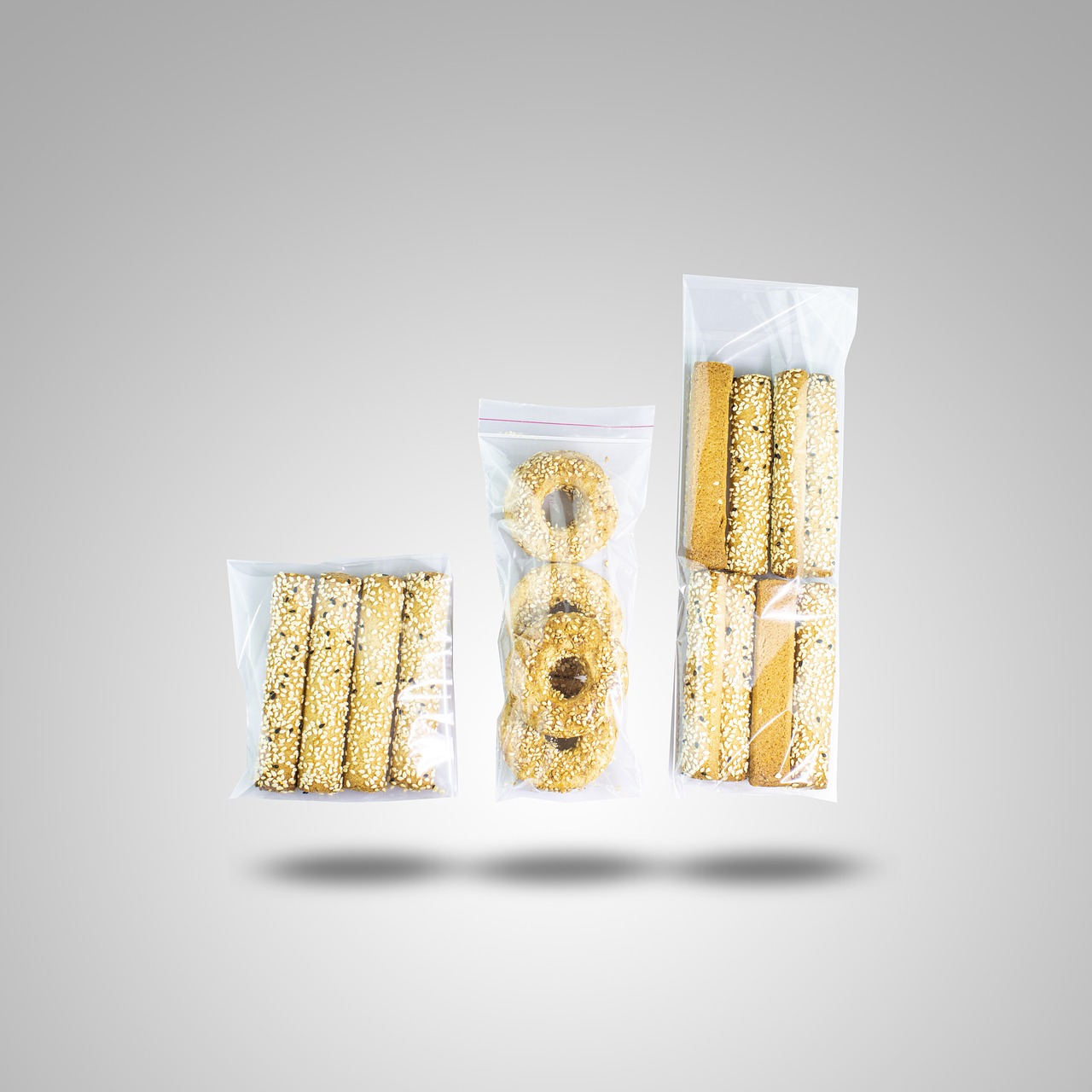
Why Does Food Packaging Matter Beyond the Bag or Box?
A good package does several jobs at once. It keeps outside risks away, slows quality loss, gives consumers the right handling details, and helps your production team pack repeatably. That sounds simple, but in a busy plant, small package details can become daily headaches.
Product Safety at the First Touchpoint
Food safety is a hard business risk, not a nice slogan. The WHO food safety fact sheet notes that more than 866 million cases of foodborne illness and 1.52 million deaths occurred in 2021. Packaging cannot replace sanitation, cooking control, or cold-chain discipline, but it is one of the last barriers before the product reaches a shelf, a restaurant kitchen, or a family table.
Shelf Life and Quality Control
Your package has to match the way the food fails. Dry powders often need moisture control and strong seals. Nuts may need oxygen barriers to slow rancidity. Fresh meat may call for vacuum or modified atmosphere packaging. A sauce pack has to resist oil, acid, heat, and rough handling. One weak seal can turn a good product into a return claim.
Buyer Trust in Export Channels
Export buyers look for steady packs because they cannot stand next to your line every day. Neat seals, readable codes, stable case counts, and clean labels make the shipment feel controlled. It is not fancy. It is reliable, and reliability sells well in food trade.
How Should You Match Packaging to Real Food Products?
The right choice begins with the food itself. Before you buy a machine or approve artwork, list the product state, filling temperature, particle size, oil content, target shelf life, and shipping route. Those details guide the package format more than fashion does.
Dry Powders Need Dust and Moisture Control
Flour, spice powder, coffee, protein powder, and milk powder can float into seal areas. That dust causes dirty seals and pinholes. For these products, an auger filler, dust extraction, anti-static film handling, and firm sealing pressure matter. A matte printed sachet may look premium, but the inner layer still has to protect against moisture.
Liquids and Sauces Need Clean Filling Paths
Sauces, honey, edible oil, and pastes need filling systems that suit viscosity. A piston pump, servo pump, or sanitary rotary valve may be needed depending on thickness and particulates. Heat-sealed pouches and cups should be tested after cooling, because some seals look fine when warm and fail later during case packing.
Fresh and Frozen Foods Need Temperature Discipline
Frozen vegetables, seafood, meat, and ready meals punish weak packaging fast. Film brittleness, seal contamination from frost, and sharp product edges can all cause leaks. In these lines, stainless steel contact areas, easy washdown, stable weighing, and strong low-temperature films usually matter more than a few cents saved per roll.
What Should a Packaging Machine Do for Food Safety?
A machine should not only run fast. It should help you pack safely, clean quickly, and prove what happened during production. Speed looks great in a brochure, but a line that stops for cleaning fights or coding errors will not feel fast on Friday afternoon.
Food Contact Materials That Fit the Law
For the U.S. market, the FDA food contact substance guidance explains that packaging components, adhesives, colorants, and similar materials may be food contact substances, and some need authorization before market use. That means you should ask suppliers for material declarations, migration test reports when relevant, and clear food-contact statements for films, trays, gaskets, belts, and fillers.
Hygienic Machine Surfaces and Easy Cleaning
Food packaging machinery should reduce places where powder, sauce, crumbs, or water can sit. Rounded corners, open frames, tool-free removal, stainless steel contact parts, and simple belt access save cleaning time. If operators need a wrench and a flashlight to clean under a filler, cleaning will be rushed sooner or later.
Traceable Coding, Weighing, and Inspection
Batch coding, checkweighing, metal detection, vision inspection, and reject confirmation help you catch problems before cartons leave the plant. Keep records tied to product, line, shift, and batch. The label may look boring, yes, but a clear lot code can save days when a buyer asks for traceability.
Can Better Food Packaging Reduce Waste Without Adding Too Much Material?
This is the hard balance. Too little material may lead to leaks, staling, crushed packs, and returns. Too much material raises cost and waste pressure. A good strategy looks at food loss and packaging waste together, not as separate arguments.
A Data-Based View of Food Waste
The UNEP Food Waste Index Report 2024 reported 1.05 billion tonnes of food waste in 2022, equal to 132 kilograms per person and almost one-fifth of food available to consumers. Packaging alone cannot fix that. Still, barrier films, sealed trays, portion packs, and cold-chain compatible cases can reduce damage and spoilage in the parts of the chain you control.
Lighter Materials With Real Barrier Performance
Lightweighting only works when the pack still performs. A thinner pouch should pass drop tests, seal-strength checks, oxygen or water-vapor tests where needed, and real transport trials. For example, a spice sachet that saves 5% film but clumps on shelf is not a saving. It is a delayed complaint. See also: Buyer’s Guide. See also: Custom Packaging. See also: Eco Packaging.
Recyclability and the Local Recovery System
Packaging waste is also measurable. The U.S. EPA containers and packaging data shows 82.2 million tons of containers and packaging entered U.S. municipal solid waste in 2018, or 28.1% of total generation. The same data shows overall plastic containers and packaging had a 13.6% recycling rate in 2018. That background supports a practical rule: pick structures that work in your target recovery system, not only in a presentation slide.
Which Automation Choices Matter for Packaging Lines?
Automation should solve plant-floor problems you can name. More SKUs, labor gaps, messy changeovers, and inconsistent weights are common reasons food producers move from manual or semi-automatic packing to integrated machinery.
Format Flexibility for More SKUs
The PMMI 2024 State of the Industry update reported that U.S. packaging machinery shipments grew 5.8% in 2023 to $10.9 billion, with food expected to remain the largest industry segment. It also cited labor shortages and easier-to-use machines as purchase drivers. For your line, that means adjustable forming sets, recipe storage, servo controls, and quick film-path setup can be worth more than raw top speed.
Changeover Time You Can Actually Measure
Ask suppliers to show changeover steps on video or during a factory test. Count the tools, parts, and minutes. A 20-minute format change that happens four times per shift costs more than many buyers expect. Short, repeatable changeovers help small-batch brands compete without carrying too much finished inventory.
Operator-Friendly Controls and Maintenance Access
Good controls use clear alarms, recipe names, and simple fault screens. Maintenance teams need access to heaters, jaws, belts, sensors, and cutters without tearing half the machine apart. Spare parts lists should be plain. Nobody enjoys hunting for a $12 sensor while finished product waits in bins.
How Can Export Buyers Select a Reliable Packaging Partner?
A reliable partner should help you test, document, ship, and support the line after installation. The lowest equipment price can become expensive if the machine does not match your product, film, factory space, or buyer compliance needs.
Sample Testing Before Full Orders
Send real product, not only photos. Ask for trial packs at target speed, then test seal strength, weight accuracy, leakage, drop resistance, and barcode readability. If the product contains oil, dust, sharp edges, or frozen moisture, tell the supplier early. Surprises during commissioning cost money.
Compliance Documents That Travel With the Goods
Keep a document pack for materials, machine contact parts, electrical certificates, manuals, spare parts, and cleaning guidance. For export shipments, buyers may also ask for carton markings, pallet patterns, and label language files. Clean paperwork is not glamorous, but it helps goods move.
After-Sales Support Across Time Zones
Look for remote support, setup videos, clear wiring diagrams, and parts that can ship fast. A packaging line is mechanical, electrical, pneumatic, and software-driven at the same time. When something stops, you need a partner who can talk to operators and engineers in practical language.
FAQ
Q1: What Is the Most Important Factor in Food Packaging? A: Product fit comes first. Match the package to moisture, oxygen, fat, temperature, shelf life, and transport risk before choosing a machine or artwork.
Q2: Is Sustainable Food Packaging Always Better? A: Not always. A pack is only better when it protects the food, meets market rules, and has a realistic end-of-life route in the target market.
Q3: Which Machine Is Best for Pouches? A: It depends on product type and output. VFFS lines suit many powders and granules, while premade pouch machines often suit premium packs, zipper bags, and wider format variety.
Q4: How Can You Check Seal Quality? A: Use seal-strength tests, leak tests, visual inspection, weight checks, and transport trials. Test after cooling, not only right after sealing.
Q5: What Should You Ask a Food Packaging Machine Supplier? A: Ask for product trials, material compatibility advice, cleaning access details, spare parts lists, compliance documents, training support, and real changeover steps.