Is Customize Packing the Key to Solving Overstuffed Suitcase Problems
Is Your Suitcase Always Bursting at the Seams? Try a Packing Cube to Save Space on Your Next Trip
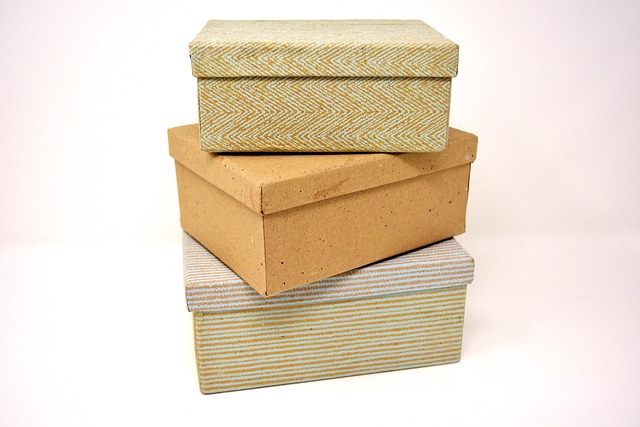
Frequent travelers often face the same problem: a suitcase that refuses to close. The solution rarely lies in buying larger luggage but rather in smarter organization. Customized packing systems, particularly packing cubes, help travelers categorize items, compress clothing, and maintain order throughout a journey. By segmenting contents and reducing wasted space, these tools transform chaotic packing into a structured process. Professionals who travel regularly already know that efficient packing saves time at airports, reduces stress during transit, and even extends the lifespan of garments by minimizing wrinkles and friction.
Understanding the Concept of Customized Packing
Packing has evolved from simple folding into a deliberate system that reflects personal travel habits and logistical needs. The shift toward customization marks a broader trend in travel gear design—one that values adaptability as much as aesthetics.
The Evolution of Packing Strategies in Modern Travel
Traditional packing once meant stacking folded clothes until the suitcase brimmed. This approach wasted space and made retrieval difficult. Over recent years, minimalist travel culture has inspired modular solutions such as compression bags and segmented organizers. These innovations have changed how travelers prepare for trips, encouraging efficiency over excess. Customized packing now focuses on tailoring every inch of luggage space to individual priorities—whether that’s quick access to tech gear or maintaining wrinkle-free attire.
Defining Customized Packing Systems
Customized packing uses tools like cubes, compression sleeves, and modular inserts to bring structure to luggage interiors. Each traveler can adjust layouts depending on trip duration or bag type. For instance, a short business trip might require only two cubes—one for formalwear and another for essentials—while longer vacations may need multiple layers of organization. The goal is always balance: easy accessibility without sacrificing compactness or order.
The Science Behind Overstuffed Suitcases
Even seasoned travelers fall victim to overpacking. It’s not just a matter of poor planning but also psychology and physics combined.
Common Causes of Overpacking
The “just-in-case” mindset drives many to pack more than necessary. This safety-driven impulse often results in duplicated items like multiple pairs of jeans or shoes that never leave the suitcase. Another culprit is poor categorization: mixing toiletries with electronics or stuffing accessories between shirts leads to inefficiency. Without compartments, small items get lost in fabric folds, creating both clutter and frustration upon arrival.
Physical Constraints of Luggage Design
Standard suitcases have rigid shells or fabric walls that limit internal flexibility. Bulky materials like denim or wool consume disproportionate volume compared with lighter synthetics. Oddly shaped objects—hairdryers, chargers, or souvenirs—further disrupt uniform stacking patterns inside the case. Once air gaps form between items, every attempt at compression becomes less effective.
How Customized Packing Addresses Space Optimization
The rise of modular organization systems has redefined what it means to pack efficiently. Instead of forcing everything into one large cavity, customized solutions divide space logically while maintaining compression integrity.
The Role of Packing Cubes in Efficient Organization
Packing cubes act as mini-drawers inside your suitcase. By grouping clothing by category—shirts in one cube, trousers in another—travelers can unpack partially without disturbing the rest. Compression cubes go further by squeezing out air pockets between fabrics, shrinking bulk by up to 30 percent depending on material density. Modular cube systems also allow rearrangement based on trip type; for example, swapping out a shoe cube for an extra garment cube when needed.
Integrating Compression Techniques with Customization Tools
A refined method combines rolling lighter garments within cubes while folding heavier ones flat beneath them. This dual technique maximizes available volume without distorting shape memory in delicate fabrics like linen or silk blends. Adjustable straps inside certain cube models maintain pressure evenly so clothes stay compact yet unwrinkled during transit. Hybrid organizers—half soft shell, half structured frame—add stability against shifting when luggage is handled roughly.
Practical Applications for Frequent Travelers and Professionals
Different travel contexts demand different packing strategies. A one-size-fits-all approach rarely works when comparing corporate travel with leisure tourism or long-term relocation.
Tailoring Packing Systems to Different Travel Scenarios
Before diving into specific cases, it’s worth noting that customization thrives on flexibility rather than strict rules; what matters is aligning system design with purpose.
Business Trips
Business travelers benefit from wrinkle-resistant sections dedicated to suits or blouses alongside slim compartments for laptops and chargers. Some premium organizers even include detachable pouches for documents or conference materials—keeping sensitive papers separate from clothing helps prevent creasing or moisture damage mid-flight.
Leisure Travel
For vacationers prioritizing comfort over formality, color-coded cubes make unpacking faster at hotels or Airbnb stays. Transparent mesh tops reveal contents instantly so there’s no rummaging through piles searching for swimwear or socks. Separate toiletry bags keep liquids isolated from fabrics—a small precaution that prevents major messes if bottles leak under pressure changes.
Extended Stays or Multi-Destination Itineraries
Those traveling across multiple cities face constant repacking cycles. Modular systems simplify this process since each cube functions independently; dirty laundry can replace clean items within its own section without contaminating others. Label tags further streamline transitions between destinations by reminding travelers which cube contains essentials versus extras.
Evaluating the Efficiency of Customized Packing Solutions
Assessing whether customized systems truly improve efficiency requires measurable metrics beyond subjective satisfaction.
Metrics for Measuring Space Utilization and Accessibility
Travel experts often measure space savings as a percentage reduction before and after using customized methods—typically ranging from 20% to 40%. Time efficiency also improves: organized layouts cut down minutes during airport security checks since each item is easily identifiable when removed from luggage trays. Durability testing under repeated compression cycles indicates how well materials resist wear across dozens of flights per year.
Sustainability Considerations in Custom Packing Materials
Reusable fabric organizers outperform disposable plastic bags environmentally and economically over time. Lightweight nylon ripstop fabrics reduce overall baggage mass by several hundred grams per trip—a small change that collectively lowers fuel consumption across flights worldwide according to IATA carbon models (2023). Manufacturers increasingly incorporate recycled polyester weaves into their designs as part of broader commitments toward circular production standards aligned with ISO sustainability frameworks.
Future Directions in Personalized Travel Organization Systems
Customization continues evolving alongside technology and environmental awareness within the travel industry ecosystem.
Technological Innovations Enhancing Customization Capabilities
Smart suitcases embedded with sensors now track weight distribution automatically via mobile apps while alerting users if limits are exceeded before check-in counters flag them. Emerging AI-driven applications generate digital packing blueprints based on itinerary data such as climate forecasts or meeting schedules—essentially pre-planning what goes where before anything is folded physically.
The Growing Trend Toward Sustainable Minimalism in Travel Gear Design
Modern travelers increasingly value quality over quantity; fewer but better tools dominate purchasing decisions today. Designers respond by developing biodegradable zippers and recycled PET-based fabrics that maintain strength yet decompose safely post-lifecycle—a significant step toward reducing landfill waste from obsolete gear collections worldwide.
FAQ
Q1: What is customize packing?
A: It refers to organizing luggage using adaptable tools like cubes or compression bags tailored around personal needs rather than generic templates.
Q2: How do packing cubes save space?
A: They compress clothing layers tightly together while eliminating air gaps between fabrics, allowing up to one-third more capacity within standard suitcases.
Q3: Are compression bags better than cubes?
A: Compression bags reduce bulk more aggressively but sacrifice accessibility; cubes strike balance between compactness and convenience during unpacking stages.
Q4: Can customized packing help avoid overweight baggage fees?
A: Yes, because efficient compartmentalization distributes weight evenly across sections making it easier to monitor total load before airport check-in scales detect excess mass.
Q5: What sustainable materials are used in modern packing systems?
A: Many brands now use recycled nylon blends or biodegradable polymers certified under ISO 14021 environmental labeling standards ensuring reduced ecological footprint without compromising durability.