How Automated Packaging Solutions Drive Innovation in Hort Connections

Packaging and Automation Shape Hort Connections
Automation is redefining how horticultural products move from harvest to retail shelves. At the center of this transformation, automated packaging solutions are improving speed, accuracy, and sustainability. The integration of robotics, data analytics, and smart systems is no longer experimental—it’s becoming standard practice. As seen at Hort Connections, automation not only cuts costs but also strengthens environmental compliance and product consistency. The shift toward intelligent packaging lines signals a new era where efficiency meets ecological responsibility.
The Growing Role of Automation in the Horticultural Supply Chain
Automation is steadily reshaping every stage of the horticultural supply chain. From grading to palletizing, technology now plays a decisive role in maintaining quality while meeting increasing global demand.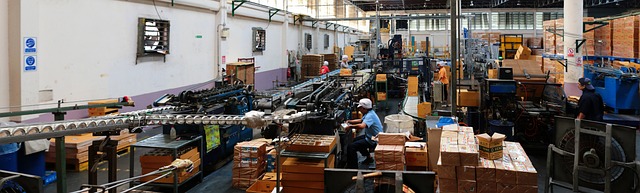
Technological Shifts Transforming Packaging Operations
Automation enhances consistency and efficiency across horticultural packaging lines by reducing variability in manual processes. Robotics and smart systems reduce manual labor and operational downtime, enabling continuous operation even during labor shortages. Advanced data analytics support predictive maintenance and process optimization, minimizing unplanned stoppages. For example, AI-driven inspection cameras detect bruising or irregular shapes faster than human operators, which helps maintain output quality without slowing production.
How Automation Aligns with Industry Sustainability Goals
Sustainability targets have become integral to horticulture operations. Automated systems minimize material waste through precise measurements of wrapping films and labeling adhesives. Energy-efficient machinery contributes to lower carbon emissions by optimizing power usage during idle periods. Automated handling also improves utilization of sustainable materials such as compostable trays or recyclable wraps—materials that require careful mechanical control to prevent damage or deformation during packing.
Automated Packaging Solutions at Hort Connections
Hort Connections has evolved into a key showcase for automation innovation within the horticultural sector. Exhibitors demonstrate how technology can merge productivity with environmental stewardship.
Emerging Trends Highlighted at the Event
Exhibitors showcase advancements in robotics, vision systems, and digital control platforms that redefine post-harvest efficiency. Collaborative robots (cobots) demonstrate flexible packing for variable produce sizes—a crucial advantage when dealing with natural variations in fruits or vegetables. Smart conveyors and sorting technologies streamline post-harvest workflows by automatically routing products based on weight or ripeness levels.
Integration of Smart Technologies in Packaging Lines
IoT-enabled sensors monitor performance metrics in real time, allowing managers to react before minor issues escalate into costly downtime. AI-driven decision-making improves packaging accuracy and throughput by continuously adjusting machine parameters based on live data feedback. Cloud-based systems enable remote diagnostics and performance tracking across multiple facilities, creating transparency throughout distributed operations.
Enhancing Efficiency Through System Integration
True automation extends beyond individual machines; it depends on seamless communication between harvesting, grading, and packaging units.
Connecting Harvesting, Grading, and Packaging Processes
End-to-end automation reduces product handling time between stages while preserving freshness. Seamless data exchange ensures traceability from farm to distribution center—a growing requirement under global food safety standards like ISO 22000. Integrated software solutions optimize scheduling and resource allocation so that each stage aligns with supply chain demand rather than operating in isolation.
The Role of Data Analytics in Process Optimization
Real-time data collection supports continuous improvement initiatives by highlighting inefficiencies invisible to manual oversight. Predictive analytics anticipate bottlenecks before they impact production flow—whether caused by equipment wear or seasonal yield changes. Machine learning models refine operational parameters over time for greater yield consistency, allowing producers to balance speed with delicate product care.
Innovation Drivers Behind Automated Packaging Solutions
Automation advances through collaboration between growers, engineers, and material scientists who translate field challenges into technical design improvements.
Collaboration Between Equipment Manufacturers and Growers
Joint R&D efforts address unique challenges in handling delicate produce types such as berries or leafy greens that bruise easily under pressure. Customizable automation modules cater to varying crop requirements and packaging formats—from clamshells to punnets—without extensive retooling costs. Feedback loops between users and developers accelerate technology refinement cycles so that new models evolve directly from real-world use cases rather than theoretical assumptions.
Material Science Advancements Supporting Automation Adoption
Material science has become an essential enabler of automated packaging solutions. The development of lightweight yet durable materials allows faster mechanical handling without structural compromise. Innovations in biodegradable films align with eco-friendly objectives while maintaining seal integrity under automated wrapping speeds. Enhanced barrier properties improve shelf life while maintaining recyclability standards demanded by retailers across Europe and Australasia.
Economic and Operational Impacts on the Horticulture Sector
The financial implications of automation extend beyond reduced labor costs—they redefine competitiveness across markets increasingly driven by precision logistics.
Cost Efficiency Through Reduced Labor Dependence
Automation offsets rising labor costs by maintaining consistent output levels even during workforce shortages or seasonal fluctuations. Reduced error rates translate into lower rework expenses since automated inspection minimizes mislabeling or overfilling incidents. Though initial capital investment may appear high, long-term ROI emerges through higher production stability and reduced waste disposal fees tied to defective packaging runs.
Competitive Advantages for Early Adopters at Hort Connections
Companies implementing automation gain agility in responding to market demands for traceable and sustainably packed produce. Enhanced product quality strengthens brand reputation among retailers who prioritize visual uniformity on shelves. Participation in innovation showcases positions businesses as industry leaders driving transformation trends—an advantage that often translates into stronger supplier relationships and export opportunities.
FAQ
Q1: What are automated packaging solutions?
A: They are integrated systems using robotics, sensors, AI algorithms, and digital controls to perform packaging tasks automatically with minimal human intervention.
Q2: How does automation support sustainability goals?
A: It reduces material waste through precise application control, lowers energy consumption via efficient motors, and facilitates the use of recyclable or compostable materials.
Q3: What technologies were prominent at Hort Connections?
A: Robotics for sorting and packing, AI-based vision inspection tools, IoT monitoring platforms, and cloud-based management dashboards dominated exhibitor demonstrations.
Q4: How do growers benefit economically from adopting automation?
A: They experience steady output despite labor constraints, fewer product losses due to consistent handling quality, and improved margins through better process predictability.
Q5: What role will data analytics play moving forward?
A: Data analytics will guide predictive maintenance schedules, fine-tune equipment calibration automatically, and provide actionable insights for continuous operational improvement across entire horticultural networks.