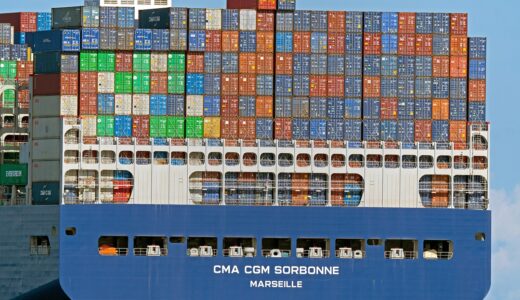
Shipping cartons guide for box strength, sizing and material choices
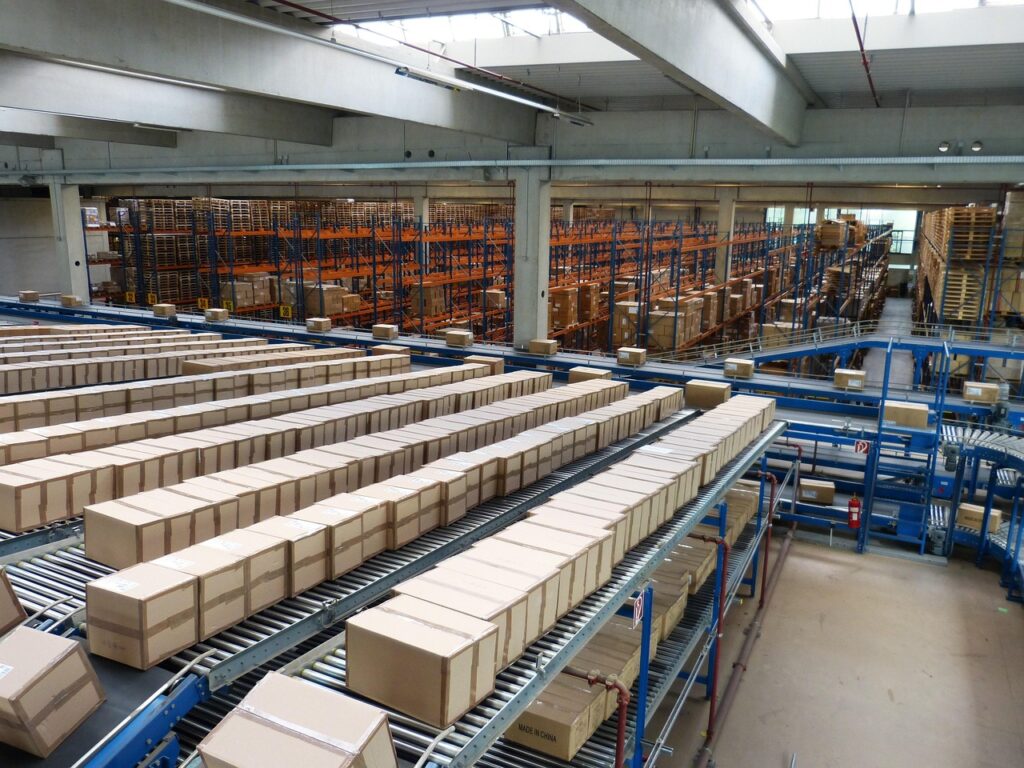
What shipping cartons need to do
Shipping cartons are outer packaging used to protect goods as they move through parcel, freight, warehouse and last-mile delivery networks. A suitable carton is not simply the cheapest box that fits the product. It should match the product weight, fragility, filling method, storage conditions, handling route and carrier rules. For most ecommerce and industrial shipments, that means a corrugated carton with the right board strength, a practical size, enough space for cushioning and a closure method that stays secure under vibration and stacking pressure. The goal is straightforward: reduce damage without adding unnecessary material, cube or cost.
This guide focuses on corrugated shipping cartons used as transport packaging. It does not cover decorative retail cartons in detail, although the two often work together when a branded inner box is placed inside a stronger shipping carton. For related logistics and packaging topics, visit the Shipping section.
Shipping cartons versus product cartons
The word carton can mean different things in packaging. A product carton is usually the printed folding carton or small rigid paperboard box seen on a retail shelf. A shipping carton is the outer container designed for distribution. It may hold one product, multiple retail units, an inner box, protective inserts or a master pack.
This distinction matters. Product cartons are usually designed for branding, shelf presence and unit protection. Shipping cartons are designed for compression, impact, abrasion, labeling and handling. A cosmetics folding carton may look premium, but it is rarely strong enough to travel alone through a parcel network. Likewise, a plain corrugated shipper may not provide enough branding for direct-to-consumer unboxing unless the brand adds printing, inserts or a labeled inner carton.
ASTM International describes corrugated and solid fiberboard shipping boxes, sleeves and liners as packaging used to unitize products and protect contents during handling, shipping and storage. For buyers, that framing shifts the decision away from box appearance alone and toward performance across the full distribution environment.
Key specifications to compare before choosing a carton
Board construction and wall type
Most shipping cartons are made from corrugated fiberboard, which combines linerboard with a fluted medium. Single-wall corrugated board is common for many parcel shipments. Double-wall board adds another layer of fluting and liner, improving stacking strength and stiffness for heavier products, larger cartons or longer distribution routes. Triple-wall corrugated is usually reserved for bulk packs, heavy industrial goods or palletized loads that need a lighter alternative to wooden crates.
The flute profile also affects performance. Smaller flutes can support cleaner printing and tighter folds. Larger flutes can improve cushioning and vertical compression. In practice, buyers should not treat flute type as a standalone answer. The finished board grade, box style, product weight, void fill and pallet pattern all influence performance.
ECT and burst strength
Two common strength references are edge crush test and burst test. Edge crush test, often shortened to ECT, relates to how well corrugated board resists crushing along its edge, which is important for stacking and compression. Burst strength relates to resistance against rupture or puncture. Neither number tells the whole story, but both help buyers compare cartons that may look similar.
For parcel shipments, ECT is often a practical starting point because cartons are stacked, conveyed and compressed during handling. For products with sharp corners, dense parts or concentrated pressure points, burst resistance and internal protection become more important. When shipping regulated items, heavy goods or high-value products, the required carton strength may be set by carrier rules, customer specifications or applicable regulations rather than buyer preference.
Inside dimensions and usable space
Carton dimensions should be checked from the inside when matching a box to a product. External dimensions matter for billing and palletization, but internal dimensions determine whether the product and protective materials actually fit. A carton that is too tight can transfer impact directly to the product. A carton that is too large can increase product movement, void fill consumption and dimensional weight.
A practical approach is to design the carton around the product plus the required protection system. Fragile items may need a box-in-box method or engineered inserts. Soft goods can usually tolerate a closer fit, but the carton still needs enough resistance to avoid crushing during transport. For mixed orders, a carton set with several common sizes is often more efficient than using one oversized carton for every shipment.
Closure and sealing method
Carton strength is compromised if the closure fails. Major carrier packing guides commonly recommend sealing top and bottom seams with an H-taping method using pressure-sensitive packing tape or reinforced paper tape of suitable width. Staples, straps or glue may be appropriate in some industrial contexts, but they should be matched to the carton style and handling environment.
Reused cartons require extra caution. They may have lost compression strength through moisture, previous impacts or repeated opening. If a carton is reused, old labels should be removed or covered, damaged corners should be rejected and the box should be resealed as if it were new. A carton with crushed flaps or softened sidewalls is rarely a good choice for anything fragile, heavy or expensive.
How carton size affects shipping cost
Shipping cartons influence freight cost because carriers do not look only at actual weight. Parcel carriers commonly use dimensional weight when a package is large relative to its weight. FedEx explains dimensional weight as the amount of space a package occupies in relation to actual weight, and UPS public guidance similarly warns that large size-to-weight ratios can require dimensional weight calculations. The commercial lesson is clear: extra air inside a carton can become a recurring shipping cost.
Right-sizing is therefore both a cost and sustainability decision. A smaller carton can reduce billable weight, void fill, corrugated consumption and trailer cube. However, reducing size too aggressively can increase damage if the product no longer has enough cushioning or clearance. The right balance depends on the product category. Apparel, books, small parts and household goods can often be right-sized aggressively. Ceramics, electronics, glass containers and precision components need more controlled protection.
Carrier handling rules also make carton dimensions important. As a current example, UPS public guidance lists additional-handling triggers such as packages with a longest side over 48 in, a second-longest side over 30 in, actual weight over 50 lb in certain cases, packages not fully encased in corrugated cardboard, and domestic packages above a stated cubic size. Exact thresholds can change, so shippers should confirm current carrier guides before approving a carton program.
Matching shipping cartons to common shipment types
| Shipping situation | Carton focus | Common risk | Practical note |
|---|---|---|---|
| Small ecommerce parcel | Right size, scannable label area, reliable tape closure | Oversized box increases dimensional weight and void fill | Use a size set rather than one universal carton |
| Fragile consumer product | Double-boxing, corner protection, cushioning clearance | Impact transfers through tight packaging | Test the full product-package system, not the carton alone |
| Heavy industrial part | Double-wall or stronger board, reinforced bottom, load distribution | Bottom failure, puncture or sidewall bulging | A smaller stronger carton may outperform a larger weak one |
| Multi-unit master carton | Stacking strength, internal dividers, pallet pattern | Compression damage during storage or freight movement | Check pallet overhang, column stacking and warehouse humidity |
| Regulated or hazardous item | Required outer packaging rating, markings and documentation | Noncompliance or rejected shipment | Follow the current carrier and regulatory instructions for that material |
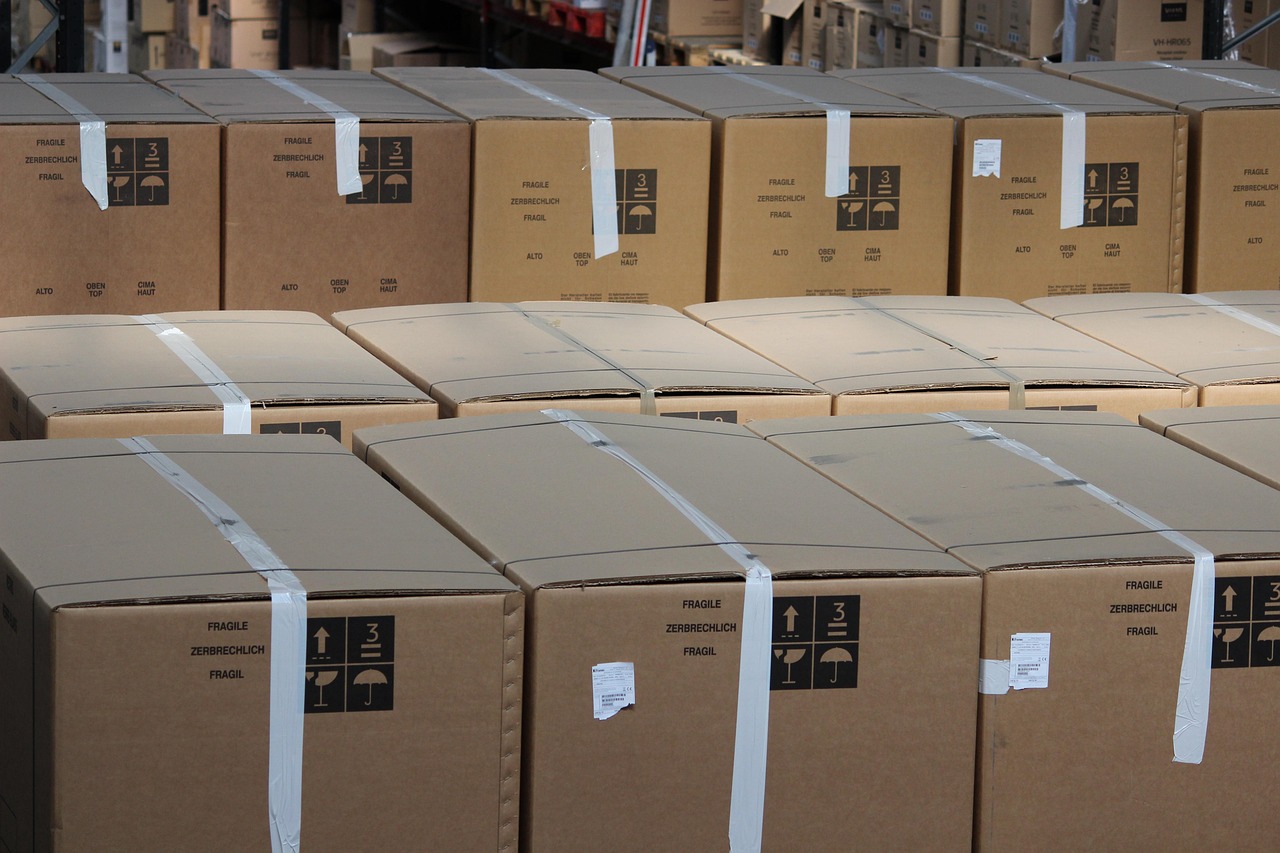
For products shipped through parcel networks, remember that package orientation is not guaranteed. The International Safe Transit Association has noted that single parcel delivery systems can expose packages to different orientations, shocks and handling sequences. Arrows, labels and fragile markings can support handling, but they should never replace proper internal protection. They cannot make a weak carton safe. See also: Food Packaging.
Testing and validation before scale-up
Carton selection should not stop at a desk review. A box can meet a published board grade and still perform poorly if the product creates point loads, if inserts shift or if the seal opens under vibration. For recurring shipments, validation should include a packed-sample review, a drop or handling simulation appropriate to the product, compression review for storage or pallet stacking, and a check of label placement and barcode readability.
ISTA 3A is widely referenced for individual packaged products shipped through parcel delivery systems up to 150 lb or 70 kg. Other ISTA procedures apply to different environments, such as unitized loads, ecommerce fulfillment or international direct import routes. The point is not that every shipment needs the same test. The test should match the real route, product risk and likely failure mode.
Small shippers can still use a lighter validation process. Send trial shipments to internal addresses, inspect returned cartons, record corner dents, tape lift, product movement and customer-facing appearance, then adjust the carton or cushioning. Larger programs should document specifications so purchasing, warehouse and fulfillment teams do not substitute a weaker carton when demand rises.
Sustainability and recycling considerations
Corrugated shipping cartons have a strong recycling infrastructure in many markets, but recyclability does not excuse poor design. The American Forest & Paper Association reported a 2025 U.S. cardboard recycling rate of 70 percent to 75 percent, and Fibre Box Association materials state that corrugated boxes commonly include recycled content. These are useful indicators, but the most responsible carton is still the one that protects the product with the least necessary material.
Packaging waste can increase when cartons are poorly sized, when unnecessary inner boxes are added, or when a weak carton causes reshipment after damage. Under-packaging can also be worse than a slightly heavier carton if it leads to returns, replacements and additional transport. Sustainable carton decisions should consider product loss, material use, cube efficiency, recycling compatibility and customer disposal.
Design choices that can improve carton sustainability include reducing empty space, using board grades matched to the load, avoiding hard-to-separate decorative layers on transport cartons, selecting paper-based void fill where suitable, and consolidating shipments only when the combined carton remains safe to handle. If a carton uses coatings, labels, tapes or moisture barriers, buyers should check whether those additions affect recycling in the destination market.
Practical checklist for selecting shipping cartons
- Measure the product and required cushioning before choosing the box size.
- Use internal dimensions for fit and external dimensions for rate shopping, pallet layout and carrier limits.
- Match board strength to product weight, stacking height, handling route and storage conditions.
- Choose single-wall, double-wall or stronger construction based on the full shipping risk, not habit.
- Check whether the shipment may trigger carrier surcharges because of size, weight, shape or packaging type.
- Use a sealing method that protects both the top and bottom seams during vibration and compression.
- Reject reused cartons with crushed corners, tears, softened walls, moisture marks or old unreadable labels.
- Test the packed carton when shipping fragile, heavy, high-value or regulated products.
- Document approved carton specifications so substitutions do not weaken the packaging system.
- Review carton sizes periodically as products, order profiles and carrier rules change.
Common mistakes to avoid
The first common mistake is buying only by price per carton. A cheaper carton can become expensive if it increases damage, claims, repacking labor or dimensional weight. The second mistake is assuming that a printed product carton is strong enough to ship without an outer carton. Some products can ship in their own container, but only when the product-package system has been designed and validated for that route.
The third mistake is leaving too much empty space. Excess void encourages movement and may increase billable size. The fourth is ignoring the bottom of the box. Heavy products often fail at the bottom flaps or at concentrated contact points, not through the side panel. The fifth is relying on labels such as fragile or this side up instead of engineering the carton and cushioning for ordinary carrier handling.
A better approach is to treat shipping cartons as part of a system: product, inner protection, outer board, closure, label, pallet or parcel route, and customer experience. When those elements are aligned, cartons can reduce damage, control cost and support efficient shipping without unnecessary complexity.
Frequently asked questions
Are shipping cartons the same as corrugated boxes?
In many logistics conversations, the terms overlap. Most shipping cartons are corrugated boxes, but carton can also refer to folding product cartons or master cartons. When ordering packaging, specify that you need an outer corrugated shipping carton and confirm the dimensions, board grade and style.
Should I use single-wall or double-wall cartons?
Single-wall cartons work for many lightweight and moderate parcel shipments. Double-wall cartons are often better for heavier goods, larger boxes, longer storage, palletized movement or products that need greater rigidity. The decision should be based on product weight, stacking, route and testing rather than a fixed rule.
Does a stronger carton eliminate the need for cushioning?
No. A stronger carton improves outer protection, but cushioning controls product movement and absorbs shock inside the box. Fragile products usually need both a suitable carton and a suitable internal protection system.
Can reused cartons be acceptable for shipping?
They can be acceptable for low-risk shipments if they are clean, dry, rigid and free from tears, crushed corners and old labels. Reused cartons are not ideal for fragile, heavy, high-value or regulated shipments because previous handling may have reduced their strength.
What is the most important factor when choosing shipping cartons?
The most important factor is fit for purpose. A carton should protect the product through the expected shipping route while avoiding unnecessary size and material. Strength, dimensions, cushioning, closure and carrier rules should be considered together.