Baltic shipping in 2026 and what industrial cargo planners should watch
Why Baltic shipping needs a wider view in 2026
Baltic shipping is used in two ways. It can mean the global freight benchmarks published by the Baltic Exchange, and it can mean the physical movement of cargo through the Baltic Sea region. Industrial cargo planners need to consider both. Freight indices help show sentiment in dry bulk, tanker, gas and container markets. Baltic Sea operations add another set of variables: short-sea routes, feeder connections, winter ice, port capacity, emissions rules and sanctions-related compliance.
In 2026, a single rate number is not enough. A workable plan needs to read market signals alongside vessel availability, regulatory cost, route risk and schedule resilience. For more shipping context across industrial supply chains, see our shipping section.
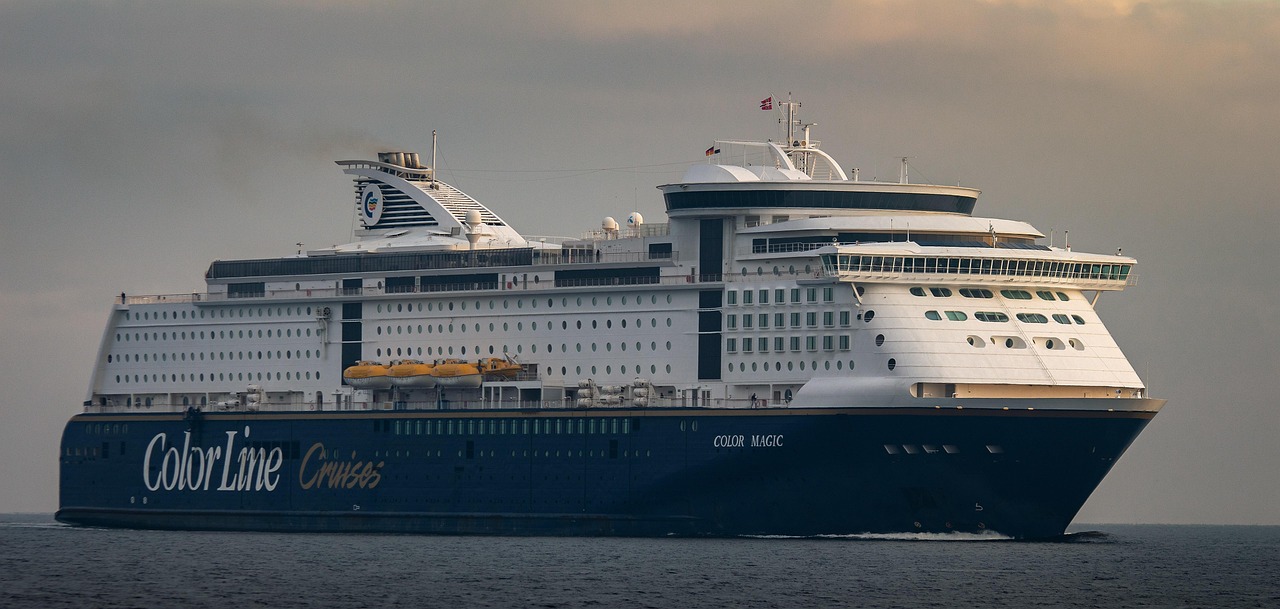
The main reference points for this analysis include public materials from the Baltic Exchange, HELCOM, the International Maritime Organization, EU maritime climate regulations, Finnish and Swedish winter-navigation authorities, and Baltic and North Sea government statements on maritime security.
What the term Baltic shipping actually covers
The first meaning of Baltic shipping is financial and market-oriented. The Baltic Exchange in London publishes independent freight-market assessments covering dry bulk, tanker, gas, container box and air freight markets. Its dry bulk indices are closely watched because dry cargo demand is linked to industrial production, energy trade, mining, agriculture and infrastructure cycles. A rise or fall in a Baltic dry bulk indicator does not mean a shipper’s actual invoice will move by the same percentage, but it can show whether market pressure is building.
The second meaning is geographical. Baltic Sea shipping covers cargo and passenger movement between ports in Denmark, Sweden, Finland, Estonia, Latvia, Lithuania, Poland, Germany and neighbouring connected markets. It includes container feeders, RoRo services, ferries, tankers, dry bulk carriers, project-cargo vessels and coastal vessels. This is a compact but highly active maritime system where port calls, pilotage, weather, ice, terminal labour, environmental controls and customs or sanctions screening can all affect delivery reliability.
For industrial buyers, the two meanings often meet in the same shipment. A machinery exporter moving cargo through Gdańsk, Klaipėda, Helsinki or Hamburg-adjacent feeder routes may be exposed to global freight pricing, while final service quality depends on regional port performance, vessel schedules and documentation discipline. That is why Baltic shipping should be treated as a logistics system, not just a benchmark number.
Freight signals are useful, but they are not the whole cost
Baltic Exchange data gives market participants a common reference point for freight conditions. The Exchange describes its indices and assessments as covering dry bulk, tanker, gas and container box markets, and its regulated benchmark status makes the data relevant for brokers, owners, operators, traders and charterers. Industrial shippers, however, should not treat a headline index as a direct quote for a specific cargo movement.
A delivered freight cost in Baltic-related trade can include ocean or feeder freight, bunker adjustment factors, EU emissions-related costs, port charges, terminal handling, documentation, insurance, winter surcharges, customs work, inland trucking or rail, and storage caused by delay. A dry bulk index may rise while a particular short-sea container lane remains stable. Container feeder capacity may also tighten even when global bulk indicators are soft.
| Signal | What it can tell you | What it cannot prove on its own |
|---|---|---|
| Baltic Exchange freight assessments | Market direction for major shipping segments | Your final door-to-door logistics cost |
| Port throughput reports | Demand pressure at specific ports or regions | Guaranteed berth availability for your cargo |
| AIS traffic data | Traffic density, route use and vessel movement patterns | Commercial terms or cargo priority |
| Weather and ice notices | Potential operational delays in northern waters | The exact delay for every sailing |
| Sanctions and security notices | Compliance and screening risk | Whether every vessel on a route is acceptable |
A practical review should compare at least three layers: global freight-market direction, regional vessel and port availability, and route-specific surcharges. That helps procurement teams use market data as an early warning system without overreacting to one index.
Routes, cargo mix and ports shape the real Baltic Sea market
Baltic Sea shipping is shaped by short-sea geography. Many routes are short compared with intercontinental ocean shipping, but they are operationally intensive. Vessels may make frequent port calls and connect with rail, road and inland distribution networks. A delay of several hours can cascade into missed feeder connections, warehouse congestion or changed customs-processing windows.
Industrial cargo in the region often includes forest products, paper, steel, machinery, minerals, chemicals, fertilizers, fuels, automotive cargo, project cargo and containerized components. Because the cargo mix is broad, one port’s performance cannot represent the whole region. A port strong in liquid bulk may not be the right gateway for oversized industrial equipment. A ferry or RoRo corridor may work well for time-sensitive trailers but be unsuitable for low-value bulk cargo. A container feeder route may depend on hub connections outside the Baltic itself.
HELCOM’s regional AIS framework matters because the Baltic Sea has had comprehensive land-based AIS coverage since 1 July 2005. That monitoring supports traffic statistics, environmental response planning and maritime safety work. For shippers, the point is practical: Baltic routing is visible and data-rich, but data does not remove operational constraints. Berth windows, icebreaker availability, terminal equipment, pilotage and landside capacity still determine performance.
Emissions regulation is now part of route planning
Environmental regulation is one of the clearest cost and planning factors in Baltic shipping. The Baltic Sea is an IMO Emission Control Area for sulphur, and the 0.10% sulphur limit for fuel used in emission control areas has applied since 1 January 2015. The Baltic Sea and North Sea are also NOx control areas for relevant new ships, with stricter Tier III standards applying to ships constructed on or after 1 January 2021 when operating in those areas.
EU climate rules add another layer. The EU Emissions Trading System was extended to maritime transport from 1 January 2024. FuelEU Maritime started applying from 1 January 2025 to push the use of renewable and lower-carbon marine fuels for ships above the regulation’s threshold. The Alternative Fuels Infrastructure Regulation also requires qualifying TEN-T maritime ports to provide shore-side electricity for certain large container and passenger vessels by the end of 2029, effectively supporting wider use from 2030.
These rules matter to cargo owners even when they do not operate ships. Carriers may pass on part of their compliance cost through surcharges or contract clauses. Ports may adjust infrastructure priorities. Some vessel types may become more attractive because they are newer, more efficient or better suited to shore-power connections. Contract reviews should therefore ask how emissions costs are calculated, whether the surcharge formula is transparent, and whether a route change would reduce or increase total cost once time and reliability are included.
Security and sanctions risk have become operational issues
Since Russia’s full-scale invasion of Ukraine in 2022, maritime security in the Baltic region has become more sensitive. Government and industry sources have repeatedly highlighted risks linked to the so-called shadow fleet, including unclear ownership, ageing tankers, insurance uncertainty, sanctions circumvention concerns, environmental risk and possible threats to undersea infrastructure. A June 2025 joint statement by Baltic and North Sea partners described the risks as extending beyond those regions because of their effect on maritime safety, seaborne trade and international rules. See also: Food Packaging.
This does not mean ordinary Baltic shipping has stopped. It means compliance work needs to be more disciplined. Cargo owners and forwarders should verify vessel identity, beneficial ownership where relevant, flag changes, insurance cover, sanctions-screening results, port-call history and unusual AIS behaviour. The higher the value or sensitivity of the cargo, the more important it is to keep a written due-diligence record.
For industrial shippers, the practical risk is not only a direct legal breach. It can also be delay. If a vessel, owner, insurer or previous port call triggers additional checks, cargo may be held while documents are reviewed. A cheaper-looking route can become more expensive if it raises compliance uncertainty. Tender documents should therefore require carriers and forwarders to explain their screening process instead of relying on broad assurances.
Winter navigation remains a Baltic-specific planning factor
Winter is one reason Baltic Sea logistics cannot be managed like an open-ocean route. The northern Baltic, especially the Bay of Bothnia and parts of the Gulf of Finland, can require ice-strengthened vessels and icebreaker assistance. Finnish and Swedish authorities maintain ice-class rules to ensure that ships trading to northern Baltic ports have suitable capability for safe and efficient winter navigation.
Finland’s Traficom explains that Finnish ice classes affect fairway dues and the availability of icebreaker escort, while assistance restrictions set minimum ice class and deadweight requirements for vessels eligible for help. The Finnish-Swedish ice-class system includes classes such as IA Super, IA, IB, IC, II and III. These classes are not just technical labels. They can determine whether a vessel is practical for a winter route and whether a shipper should expect higher freight costs or longer transit windows.
Winter planning should start before severe ice appears. Cargo owners should ask whether the nominated vessel has the right ice class, whether the schedule allows for icebreaker waiting time, whether alternative ports are available, and whether inland delivery windows can absorb delay. For time-sensitive components, a winter contingency may include earlier shipment, split lots, higher inventory at destination, or a multimodal option using rail and road from a less ice-affected port.
A practical checklist for industrial shippers
Shippers using Baltic-related routes in 2026 should focus on decisions they can control. The following checklist is designed for manufacturers, distributors and procurement teams rather than ship operators.
- Separate market signal from quoted cost. Use Baltic Exchange indicators to understand market direction, but compare them with carrier quotes, surcharges and route-specific constraints.
- Map the full route. Check not only the sea leg but also feeder connections, port terminals, customs points, trucking distance and warehouse receiving windows.
- Ask for emissions-cost transparency. EU ETS, FuelEU Maritime and low-sulphur compliance can influence charges. The formula should be clear enough to audit.
- Screen vessels and counterparties. Sanctions, ownership opacity and insurance concerns can create delay or legal exposure.
- Plan for winter earlier than usual. For northern Baltic ports, confirm ice class, assistance restrictions and contingency routing before peak winter.
- Use data, but do not ignore operations. AIS and port statistics are valuable, yet berth congestion, labour, weather and documents still decide performance.
- Keep a written exception plan. Define who can approve rerouting, extra storage, substitute ports or expedited inland transport when schedules change.
The central lesson is that Baltic shipping rewards preparation. The region is advanced, monitored and commercially mature, but it is also exposed to regulatory change, security scrutiny, winter constraints and tight short-sea schedules.
Frequently asked questions
Is Baltic shipping the same as the Baltic Dry Index?
No. The Baltic Dry Index is a dry bulk freight-market indicator associated with the Baltic Exchange. Baltic shipping can also refer to physical shipping activity in the Baltic Sea region. The index is useful, but it does not describe every container, RoRo, ferry, tanker or short-sea service in the region.
Why does the Baltic Sea have special shipping rules?
The Baltic Sea is busy, semi-enclosed and environmentally sensitive. IMO and regional rules address sulphur emissions, NOx requirements for relevant new ships, sewage restrictions for passenger ships and other pollution risks. These rules influence fuel choice, vessel deployment and port infrastructure planning.
Do emissions rules make Baltic shipping more expensive?
They can. Compliance may require lower-sulphur fuel, cleaner engines, verified emissions reporting, EU allowance costs, shore-power investment or lower-carbon fuels. The impact depends on vessel type, route, contract terms and whether carriers pass costs to cargo customers.
How should shippers prepare for winter routes?
Confirm the vessel’s ice class, monitor official ice and assistance restrictions, allow schedule buffer, and prepare alternative ports or inland routes. For critical industrial parts, earlier shipment or split consignments can reduce the risk of a single delayed sailing stopping production.
What is the biggest planning mistake in Baltic shipping?
The biggest mistake is relying on one signal, such as a freight index or a low quote. A reliable plan should combine rate direction, vessel suitability, port performance, winter risk, emissions cost and compliance screening.