Eco paper packaging is shifting from material choice to circular design
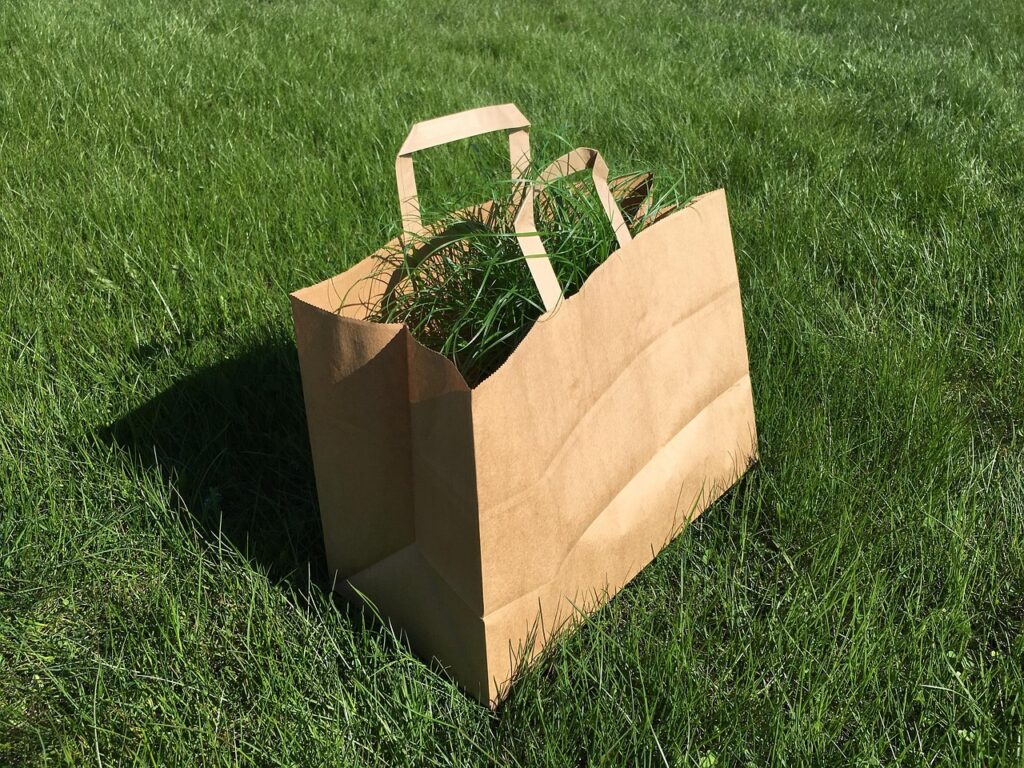
Why eco paper packaging now means more than paper
Eco paper packaging has become a serious option for brands looking for lower-plastic, fiber-based formats. But the word “eco” now needs more support than it did a few years ago. A paper box, mailer, wrap, bag, tray, or molded fiber insert is not automatically sustainable because it is made from paper.
Packaging buyers are looking more closely at fiber sourcing, coatings, adhesives, material efficiency, and whether end-of-life claims can be substantiated. In practice, the market is moving from simple material substitution to circular design. Paper packaging can be a strong choice for many light industrial and consumer packaging applications, but only when sourcing, structure, labeling, and disposal assumptions are considered together.

For more context on packaging materials and circular design topics, see the Eco Packaging section.
The demand signal is clear, but recyclability is the real test
Paper and paperboard already have a stronger recovery record than many other packaging materials in the United States. In the U.S. Environmental Protection Agency’s 2018 product-specific municipal solid waste data, corrugated boxes were reported as the largest single product category in municipal solid waste by weight, with a recycling rate of 96.5%. The EPA also reported an overall recycling rate of 80.9% for paper and paperboard containers and packaging in that dataset. By comparison, the same EPA dataset estimated that plastic containers and packaging had an overall recycling rate of 13.6% in 2018.
Those figures explain why many packaging reviews start with paper when teams look for alternatives to plastic. Still, strong category-level recycling performance does not mean every paper package is recyclable in practice. A clean corrugated shipping box is very different from a heavily coated food-service cup, a laminated paper pouch, or a small paper label attached to plastic film. Paper packaging performs best in recycling systems when fibers can be separated, repulped, screened, and reused without excessive contamination or yield loss.
The American Forest & Paper Association reported that the 2024 U.S. paper recycling rate was 60% to 64%, while the cardboard recycling rate was 69% to 74%. It also reported roughly 46 million tons of paper recycled and more than 33 million tons of cardboard recycled in 2024. These newer industry figures show that paper recovery remains significant, but they also underline a practical point: recovery depends on collection quality, demand for recovered fiber, and package design compatibility.
Four design questions matter before choosing a paper format
Eco paper packaging decisions are usually stronger when procurement, packaging engineering, sustainability, and marketing teams address four questions before artwork, tooling, and supplier commitments are locked in.
Is the package right-sized?
Source reduction is often less visible than a material switch, but it can be more meaningful. A lighter mailer, a better-fitting folding carton, or a redesigned insert can reduce fiber use, storage volume, and freight burden. The Federal Trade Commission’s environmental marketing guidance also warns that source reduction claims should be clearly qualified, including the basis for comparison. “10% less material than our previous carton” is more supportable than a broad “less waste” statement.
Can the fiber be recovered in normal paper recycling?
Recyclability depends on more than a paper appearance. Coatings, barrier layers, wet-strength additives, adhesives, inks, windows, labels, and other non-fiber components may change how a package behaves at a mill. AF&PA’s design guidance for paper-based packaging specifically focuses on how non-fiber elements such as coatings and additives can affect recyclability. This matters most in food, cosmetics, e-commerce, and moisture-sensitive goods, where barrier performance may be necessary.
Is virgin fiber, recycled fiber, or a blend appropriate?
Recycled content can reduce reliance on virgin fiber, but the right choice depends on strength, food-contact requirements, appearance, performance, and whether the package can be recycled again. Virgin fiber can be appropriate where strength or safety requirements are high, especially if it comes from responsibly managed sources. Recycled fiber can be valuable in secondary packaging, shipping materials, molded fiber protection, paperboard sleeves, and many non-food-contact applications.
Are claims specific enough to be trusted?
Terms such as “green,” “earth-friendly,” or “eco” are weak unless they are tied to clear attributes. More specific language is usually safer and more useful: “made with 70% recycled fiber,” “curbside recyclable where paperboard is accepted,” “FSC-certified paper,” or “compostable in industrial facilities where accepted,” if those claims are accurate for the product and sales geography.
Where paper packaging works well and where it needs caution
Paper is not a universal replacement for plastic, glass, or metal. Its advantages are strongest where the product does not require extreme moisture, oxygen, grease, puncture, or long shelf-life barriers. In light industrial and consumer packaging, common opportunities include corrugated shippers, paperboard cartons, molded fiber trays, protective paper wraps, paper void fill, retail sleeves, labels, and paper-based secondary packaging.
| Application | Good fit for paper | Main caution |
|---|---|---|
| E-commerce shipping | Corrugated boxes, paper mailers, paper void fill | Overpackaging and mixed-material tapes or labels can reduce recovery quality |
| Retail cartons | Folding cartons and sleeves for dry goods | Heavy coatings, windows, magnets, and plastic inserts should be minimized |
| Food service | Clamshells, trays, wraps, and cups with appropriate barriers | Grease, food residue, and barrier coatings may affect recycling or composting |
| Protective packaging | Molded fiber, paper cushions, honeycomb paper, corrugated inserts | Performance must be tested against drop, vibration, compression, and humidity |
| Flexible formats | Paper wraps and some mono-material paper pouches | Plastic laminates and metallized layers can make recovery more difficult |
These cautions do not make paper a poor choice. They mean the package has to be designed around the job it must perform. A dry consumer product may move from a plastic blister to a paperboard carton with a molded fiber insert. A greasy, hot, or wet product may need a coating, and that coating should be evaluated for recyclability, compostability, or the intended disposal route before any claim is made.
Regulation is pushing packaging from claims to evidence
Packaging regulation is becoming more detailed, especially in markets focused on measurable waste prevention and recycling outcomes. In the European Union, Regulation (EU) 2025/40 on packaging and packaging waste entered into force on February 11, 2025, and its rules began to apply on a phased basis from August 12, 2026. The European Commission describes the regulation as part of a broader effort to reduce packaging waste, harmonize rules across the EU market, and support circular packaging design. Measures connected with recyclability requirements and recycled plastic content are scheduled around 2030, which makes packaging redesign a multi-year planning issue rather than a short-term purchasing change. See also: Food Packaging.
For paper packaging suppliers and buyers outside the EU, the regulation still matters because global packaging specifications often follow the strictest market a brand serves. A U.S., Asian, or cross-border supplier may not sell directly into Europe today, but multinational customers may still ask for design data, material declarations, and recyclability evidence aligned with EU expectations.
In the United States, the FTC Green Guides remain important for marketing language. The FTC’s guidance says recyclable claims should be qualified when appropriate recycling facilities are not available to at least 60% of consumers or communities where the product is sold. It also says compostable claims need competent and reliable scientific evidence that all materials in the product or package will break down safely in about the same time as the materials with which they are composted. For paper packaging, this means a package should not be marketed as recyclable or compostable merely because the base substrate is paper.
Sourcing is part of the eco paper packaging story
Responsible sourcing is one of the main differences between a paper package that sounds sustainable and one that can support a credible procurement policy. Forest Stewardship Council materials explain that paper and packaging companies using FSC-certified or controlled forest-based materials can obtain chain-of-custody certification, which verifies systems for producing and trading certified products. Other recognized fiber sourcing programs may also be relevant depending on market, customer requirements, and product type.
Certification does not make every package automatically low-impact. It is one part of a broader evaluation. A certified virgin fiber carton can still be oversized. A recycled-content package can still be difficult to recycle if it is laminated or contaminated. A compostable coating can still be a poor fit if local composting infrastructure is not available. Stronger paper packaging specifications usually combine sourcing, lightweighting, performance testing, and end-of-life design instead of relying on one label.
A practical checklist for buyers and packaging teams
Before approving a new paper-based package, teams can reduce risk by documenting a few basic points. This checklist is not a substitute for technical testing or legal review, but it can help separate credible eco paper packaging from weak substitution.
- Define the packaging function. List strength, shelf-life, moisture, grease, temperature, printing, and shipping requirements before selecting the material.
- Set a material baseline. Compare the new format with the current package by weight, dimensions, number of components, and likely disposal route.
- Check fiber source. Record recycled content, certified virgin fiber, or controlled-source claims with supplier documentation.
- Review non-fiber components. Identify coatings, adhesives, windows, labels, inks, handles, closures, and barrier layers.
- Ask about recyclability testing. For coated or complex paper packaging, request evidence based on relevant paper recyclability protocols or mill acceptance criteria.
- Use precise claims. Avoid broad “eco-friendly” wording and choose specific, supportable statements.
- Match claims to geography. A package accepted in one recycling or composting system may not be accepted in another.
- Plan for updates. Regulations, retailer scorecards, and recycling guidance can change, so packaging specifications should be reviewed regularly.
Frequently asked questions
Is eco paper packaging always better than plastic packaging?
No. Paper can have strong recycling and sourcing advantages, but the better choice depends on product protection, material weight, transport impact, food safety, shelf life, and actual recovery options. If a paper alternative uses more material, fails in distribution, or requires a difficult-to-recycle laminate, the environmental benefit may be reduced.
Can coated paper packaging be recycled?
Some coated paper packaging may be recyclable, but it depends on the coating type, coating weight, fiber yield, and local mill acceptance. Water-based or dispersion coatings may perform differently from plastic laminates or wax coatings. Buyers should ask for test evidence rather than relying on appearance.
What is the difference between recyclable and compostable paper packaging?
Recyclable paper packaging is intended to be collected and processed into recovered fiber. Compostable packaging is intended to break down in a composting environment under defined conditions. A package should not be described as compostable unless all relevant components, including coatings and inks, are supported by appropriate evidence and accepted in the claimed composting setting.
How should brands make credible paper packaging claims?
Claims should be specific, qualified when needed, and supported by documentation. Stronger examples include recycled-content percentages, recognized chain-of-custody certification, or clear recyclability language tied to available collection systems. Broad claims such as “green” or “planet safe” are harder to substantiate and easier to misunderstand.
The main takeaway for packaging decisions
Eco paper packaging is gaining momentum because fiber-based materials fit many packaging needs and often align well with recycling systems. The stronger opportunity, however, is not simply replacing plastic with paper. It is designing packaging that uses only the necessary material, protects the product, fits real recovery systems, uses responsible fiber, and communicates claims accurately. For light industrial businesses, retailers, and packaging buyers, that shift turns paper packaging from a material preference into a measurable design discipline.