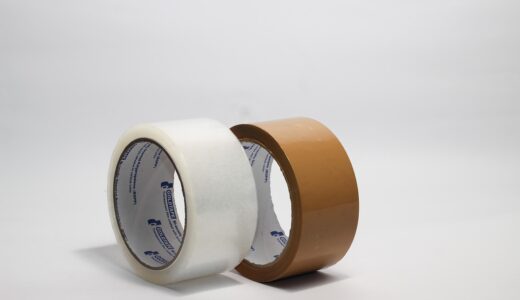
How Stretch Wrap Roll Technology Drives New Nanostructure Collaboration

Stretch-Film Innovator Collaborates on New High-Performance Nanostructure
The latest collaboration between stretch wrap roll manufacturers and nanomaterial scientists marks a turning point in industrial packaging. By merging polymer engineering with nanoscale reinforcement, producers are achieving films that are thinner, stronger, and more sustainable. These new materials exhibit remarkable load retention and barrier performance while reducing plastic use per pallet. The convergence of nanostructure innovation with established extrusion technology is not just improving product durability—it’s reshaping how global logistics manage material efficiency and waste reduction.
The Intersection of Stretch Wrap Roll Technology and Nanostructure Innovation?
The evolution of stretch wrap roll technology has always been guided by the balance between mechanical strength and cost efficiency. Today, the integration of nanostructures brings a new dimension to this pursuit, redefining the molecular architecture of packaging films.
Composition and Mechanical Properties of Modern Stretch Films
Modern stretch wrap rolls are primarily composed of linear low-density polyethylene (LLDPE) blended with other copolymers to enhance toughness. These films display high tensile strength, elongation capacity exceeding 400%, and excellent puncture resistance. Their molecular chains are designed to maintain elasticity even under extreme tension, allowing for secure pallet containment during transport.
Advances in Polymer Science Enabling Improved Elasticity and Strength
Progress in metallocene catalyst technology has allowed precise control over polymer chain distribution. This results in films that combine softness with structural rigidity—a rare combination in earlier generations of stretch film. The controlled branching within the polymer matrix contributes directly to superior cling and tear resistance without increasing material thickness.
Role of Molecular Orientation and Crystallinity in Performance Optimization
During film stretching, molecular orientation aligns polymer chains along the draw direction. This alignment increases crystallinity, improving modulus and load retention. Adjusting cooling rates during extrusion further tailors the crystalline phase, enabling manufacturers to fine-tune transparency versus stiffness depending on application requirements.
The Emergence of Nanostructure Collaboration in Packaging Materials?
Nanotechnology is now bridging material science disciplines once considered separate. In packaging, it introduces atomic-level control over film morphology to achieve properties previously unattainable through traditional compounding methods.
Integration of Nanomaterials to Enhance Film Durability and Barrier Properties
Nanoclays, graphene oxide, and silica nanoparticles are being dispersed into polymer matrices to reinforce mechanical integrity. These additives create tortuous paths that slow gas diffusion, significantly reducing oxygen and moisture permeability—critical for food or pharmaceutical logistics where shelf life matters.
Cross-Industry Partnerships Between Polymer Engineers and Nanotechnology Researchers
Collaborations between polymer engineers and nanoscientists have accelerated the development cycle from concept to commercialization. Such partnerships often involve shared pilot lines where nanoparticle dispersion is tested under real extrusion conditions rather than laboratory-scale setups.
Strategic Goals Behind Developing Hybrid Material Systems for Industrial Packaging
The overarching goal is to produce hybrid films that deliver higher performance at lower gauge thicknesses. Reducing plastic consumption per unit load aligns with sustainability mandates while maintaining mechanical reliability demanded by automated wrapping systems used in warehouses worldwide.
Engineering Principles Behind High-Performance Nanostructured Films?
At the heart of nanocomposite stretch film design lies molecular engineering—how individual particles interact within a continuous polymer network defines overall mechanical behavior.
Molecular Design and Structural Reinforcement Mechanisms
Nanoscale fillers such as carbon nanotubes or layered silicates modify tensile strength by transferring stress across interfaces. Their aspect ratio determines reinforcement efficiency: higher ratios yield better stress distribution but require careful dispersion to avoid agglomeration that weakens the film.
Interfacial Bonding Between Polymers and Nanoparticles for Enhanced Cohesion
Surface treatment of nanoparticles using compatibilizers like maleic anhydride grafted polymers improves interfacial adhesion. Stronger bonding prevents slippage under strain, resulting in films that maintain elongation without delamination or microcrack formation during repeated stretching cycles.
Influence of Dispersion Uniformity on Mechanical Stability and Optical Clarity
Uniform nanoparticle distribution ensures consistent optical clarity—a key requirement for retail packaging visibility—and avoids localized stress points that can cause premature failure under dynamic loading conditions typical in palletized shipments.
Process Optimization for Nanocomposite Film Production?
Manufacturing consistency remains one of the most challenging aspects when scaling nanocomposite formulations from lab prototypes to industrial output levels.
Extrusion, Co-Extrusion, and Casting Methods Adapted for Nanoparticle Integration
Twin-screw extrusion systems equipped with high-shear mixing zones facilitate homogeneous nanoparticle dispersion within molten polymers. Co-extrusion allows layering different functional materials—such as a nanoreinforced core sandwiched between elastic outer layers—to balance toughness with flexibility.
Challenges in Maintaining Consistent Nanoparticle Distribution During Large-Scale Manufacturing
Nanoparticles tend to cluster due to van der Waals forces; preventing this requires optimized feeding sequences, temperature profiles, and screw geometries during processing. Even minor variations can lead to inconsistent film gauge or optical haze across production batches.
Advanced Quality Control Techniques for Ensuring Reproducibility Across Production Batches
Inline rheological sensors combined with infrared spectroscopy monitor melt homogeneity in real time. Statistical process control systems record deviations instantly so operators can adjust parameters before defects propagate through entire rolls—a crucial factor when producing thousands of meters per hour.
Functional Advantages Derived from Nanostructured Stretch Wrap Rolls?
Beyond raw strength metrics, nanostructured stretch wrap rolls deliver tangible benefits across handling efficiency, sustainability goals, and product protection standards demanded by global supply chains.
Enhanced Mechanical Performance Metrics
Reinforced films demonstrate up to 30% higher puncture resistance compared with conventional LLDPE wraps at equivalent thicknesses. This improvement allows downgauging—using less material per pallet—without compromising containment force or edge tear resistance during automated wrapping operations.
Superior Load Retention Enabling Reduced Film Thickness Without Performance Loss
Nanocomposite structures sustain pre-stretch levels above 250%, maintaining tightness around irregular loads while minimizing rebound effects that often loosen conventional wraps after extended storage periods.
Increased Resilience to Environmental Stress Cracking and Fatigue
By distributing internal stresses more evenly across nanoscale interfaces, these films resist environmental cracking caused by UV exposure or cyclic strain from vibration during long-haul transport routes common in export logistics.
Barrier Properties and Environmental Resistance Improvements?
Barrier performance defines how well a film protects goods from external degradation factors such as oxygen ingress or humidity fluctuations over time.
Reduction in Oxygen and Moisture Permeability Through Nanolayered Structures
Layered silicate platelets form labyrinth-like barriers inside the polymer matrix that reduce gas transmission rates by up to 60%. This feature extends shelf life for moisture-sensitive goods like powdered chemicals or dry foods stored outdoors.
Thermal Stability Enhancements Supporting Broader Storage Temperature Ranges
Nanoparticles improve heat deflection temperature by reinforcing amorphous regions within polymers. As a result, these films retain elasticity from sub-zero warehouses up to 70 °C environments found near industrial furnaces or tropical docksides.
UV Shielding Effects Derived from Nanoparticle Additives Improving Product Shelf Life
Titanium dioxide or zinc oxide nanoparticles absorb ultraviolet radiation effectively, preventing photodegradation that typically causes brittleness or yellowing after months of sunlight exposure during outdoor storage cycles.
Collaborative Research Models Driving Innovation in Stretch Film Technology?
Innovation thrives where academic curiosity meets industrial pragmatism; both sides contribute distinct expertise essential for scaling nanotechnology applications responsibly.
Industry-Academia Synergy in Material Development
Joint research programs focus on developing biodegradable polymer-nanocomposite systems compatible with recycling infrastructure. Shared testing facilities accelerate prototype evaluation through standardized tensile tests defined under ISO 527 protocols ensuring comparable data sets across institutions.
Shared Testing Facilities Accelerating Prototype Validation Cycles
By pooling analytical equipment like atomic force microscopes or dynamic mechanical analyzers, partners cut development time dramatically—reducing years-long validation cycles into months while maintaining compliance with ASTM D882 film testing standards recognized globally.
Data-Driven Modeling Approaches Predicting Nanostructural Behavior Under Stress Conditions
Finite element simulations now predict how nanoparticle orientation shifts under biaxial stretching conditions typical during wrapping operations. Such predictive modeling reduces trial-and-error experimentation while providing insight into fatigue life under cyclic loading scenarios relevant for reusable wraps.
Intellectual Property and Standardization Considerations?
As research translates into market-ready products, protecting proprietary formulations becomes as critical as defining universal test standards accepted across borders.
Patent Strategies Surrounding Nanocomposite Formulations and Processing Methods
Companies increasingly patent not just chemical compositions but also specific dispersion techniques or screw configurations used during extrusion—key differentiators influencing final film quality even when base materials appear similar on paper.
Establishing Testing Protocols for Evaluating Nanostructured Stretch Film Performance
Standardization bodies like ISO TC61/SC11 are drafting guidelines addressing nanoparticle measurement accuracy within thin films using transmission electron microscopy calibration references ensuring reproducibility among laboratories worldwide.
Regulatory Frameworks Influencing Commercialization Timelines Across Global Markets
Regional regulations differ sharply; while European markets emphasize REACH compliance regarding nanoparticle safety data sheets, North American agencies prioritize recyclability certifications under ASTM D7611 labeling systems guiding end-of-life management strategies for multilayer composites.
Future Directions in Nanostructured Stretch Wrap Roll Applications?
The next decade will likely see broader adoption beyond traditional pallet wrapping as industries recognize multifunctional potential embedded within these engineered materials.
Pathways Toward Sustainable Material Innovation
Bio-based polyolefins derived from renewable feedstocks combined with cellulose nanofibers promise recyclable yet high-strength alternatives reducing fossil dependency while fitting circular economy frameworks promoted by global sustainability initiatives such as ISO 14040 life-cycle assessment standards.
Circular Economy Initiatives Targeting Closed-Loop Film Recovery Systems
Manufacturers are piloting returnable reel programs where used wraps are collected post-distribution, reprocessed via mechanical recycling lines equipped with filtration units capable of handling nano-additive residues without degrading melt flow properties critical for re-extrusion quality control.
Life Cycle Analysis Methodologies Assessing Environmental Impact Reductions Through Nanotechnology Integration
Comprehensive LCAs reveal potential carbon footprint reductions exceeding 25% when downgauged nanocomposite films replace thicker conventional equivalents due largely to lower resin consumption per shipped ton despite marginally higher energy inputs during compounding stages.
Expanding Industrial Use Cases Beyond Conventional Packaging?
Stretch wrap roll innovation is crossing into sectors traditionally unrelated to packaging thanks to its unique combination of flexibility, transparency, and mechanical endurance at low weight ratios unmatched by metal foils or woven fabrics.
Application Potential in Logistics Automation, Smart Packaging, and Load Monitoring Systems
Emerging smart wraps integrate printed sensors capable of detecting strain variations during automated pallet movement—data transmitted wirelessly helps prevent cargo damage before it occurs inside distribution centers operating around-the-clock robotic conveyors.
Integration With Sensor Technologies for Real-Time Strain Analysis During Transport
Piezoelectric nanoparticles embedded within film layers generate measurable voltage changes correlating directly with applied tension levels enabling predictive maintenance alerts throughout international shipping routes monitored via IoT dashboards accessible remotely by fleet managers.
Opportunities for Cross-Sector Adoption in Aerospace, Automotive, and Construction Materials Handling Industries
Lightweight nanoreinforced wraps show promise as temporary protective sheaths over aircraft components or automotive panels requiring scratch resistance without adding significant mass; construction suppliers also explore them as dust barriers around prefabricated modules exposed onsite weather variations before installation phases begin.
FAQ
Q1: What distinguishes nanostructured stretch wrap rolls from conventional ones?
A: They incorporate nanoscale fillers that enhance strength-to-weight ratio while lowering gas permeability compared with standard polyethylene wraps.
Q2: How do nanoparticles improve load retention?
A: They reinforce molecular networks inside the polymer matrix so tension distributes evenly across stretched areas instead of concentrating at weak points.
Q3: Are these new films recyclable?
A: Yes. Many formulations use compatible bio-based polymers allowing recovery through existing polyethylene recycling streams once separated properly.
Q4: What industries benefit most from this technology?
A: Logistics operators handling heavy pallets gain immediate savings through downgauging; aerospace firms use them for lightweight protective coverings too.
Q5: How soon will fully commercial versions reach global markets?
A: Pilot-scale production already exists; widespread rollout depends on regional regulatory approvals concerning nanoparticle safety documentation expected within two years based on current industry forecasts.