Can Cookie Packaging Shape Our Perception of Healthy Food Choices
How Packaging Makes Us Think Food Is Healthy
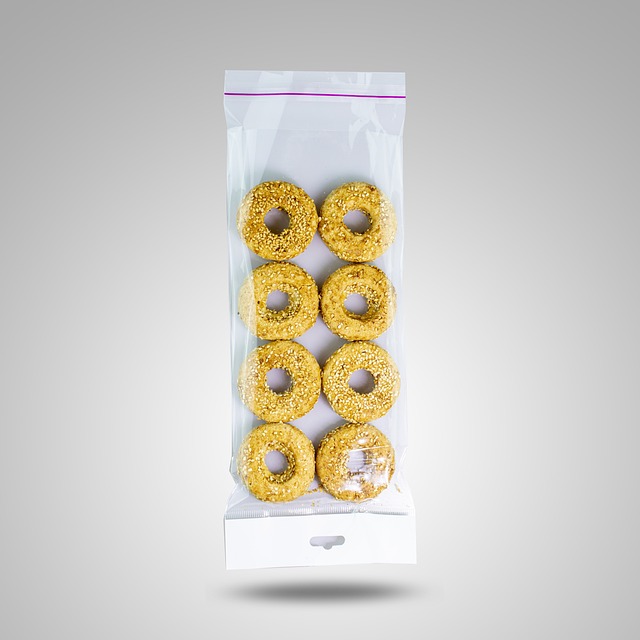
Packaging shapes how people interpret what they eat before they even taste it. In food marketing, visual and linguistic cues on packaging can create a perception of health that often exceeds the product’s actual nutritional value. Cookie packaging, for instance, frequently employs colors, symbols, and language that suggest wholesomeness or reduced guilt. This psychological influence is not accidental; it’s a deliberate design strategy rooted in cognitive science and behavioral economics. The result is that consumers often equate aesthetic simplicity or “natural” imagery with better nutrition. In short, packaging doesn’t just sell products—it sells perceptions of health.
The Psychological Influence of Packaging on Perceived Healthiness
Visual design functions as a silent persuader in shaping consumer judgment about food healthiness. Before any rational evaluation occurs, visual cues trigger emotional and cognitive shortcuts that guide decision-making.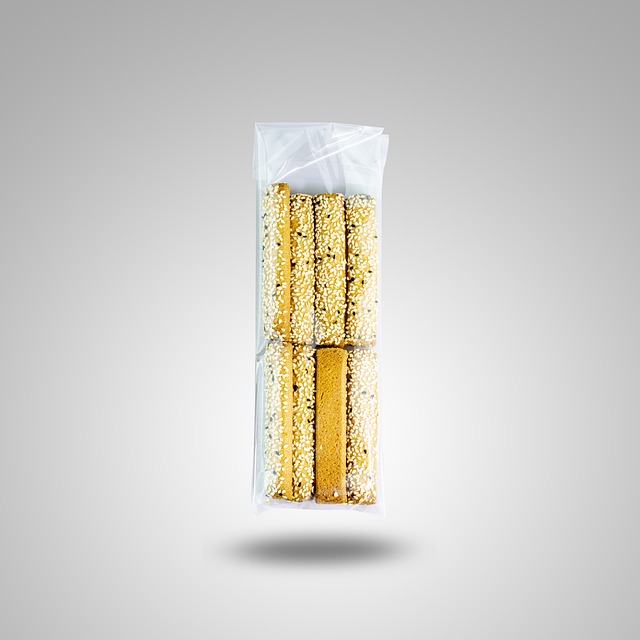
Visual Cues and Consumer Cognition
Color plays a central role in signaling health attributes. Lighter or pastel tones—like beige, green, or soft blue—are commonly associated with low-calorie or natural products. Typography also matters: clean sans-serif fonts project modernity and transparency, while cursive styles can evoke artisanal authenticity. Imagery adds another layer of persuasion; pictures of grains, leaves, or fresh ingredients prime consumers to assume nutritional benefits. Minimalist designs convey purity and honesty by reducing visual clutter, which subconsciously signals fewer additives or processing steps.
The Role of Design Semiotics in Health Perception
Design semiotics explains how symbols communicate meaning beyond literal visuals. A small green leaf can imply organic sourcing; a heart shape suggests cardiovascular safety; checkmarks mimic certification marks even when no formal approval exists. These icons create associations between the product and wellness ideals. “Natural” and “organic” aesthetics—like recycled paper textures or earthy tones—activate subconscious links to environmental responsibility and bodily well-being. Iconography thus reinforces brand narratives aligned with healthy living, especially when combined with strategic word choices like “crafted” or “simple.”
Cookie Packaging as a Case of Health Halo Effects
Cookies are often indulgent snacks, yet their packaging frequently portrays them as balanced treats suitable for daily consumption. This tension between indulgence and perceived health gives rise to what psychologists call the “health halo.”
The “Health Halo” Phenomenon in Snack Foods
The health halo effect occurs when consumers infer that one positive attribute implies overall goodness. For example, if cookie packaging highlights “whole grain,” buyers may assume the product is low in sugar—even if it isn’t. Similarly, claims such as “gluten-free” or “low sugar” divert attention from total calorie content or fat levels. Visual emphasis on wholesome ingredients like oats or nuts enhances perceived quality and reduces guilt associated with snacking. Many brands exploit this by displaying ingredient imagery more prominently than nutritional data.
Cognitive Biases Affecting Interpretation of Cookie Labels
Cognitive biases reinforce these misperceptions. Confirmation bias leads individuals to focus on cues aligning with their dietary goals—for instance, noticing the word “fiber” but ignoring sugar levels. Framing effects also matter: describing cookies as “contains fiber” sounds positive compared to “high in sugar,” even if both statements describe the same product composition. Anchoring effects further skew interpretation; front-of-pack claims set expectations that overshadow detailed nutrition panels printed elsewhere on the box.
The Intersection of Marketing Strategy and Nutritional Communication
Modern cookie packaging operates at the crossroads of design psychology and commercial storytelling. Brands must balance persuasive appeal with regulatory compliance while competing in crowded aisles where first impressions decide sales.
Strategic Use of Packaging Language in the Cookie Industry
Language transforms perception before tasting occurs. Terms like “baked,” “light,” or “crafted” evoke artisanal care and lower-calorie connotations without making explicit health claims. Descriptive phrasing such as “oven-baked goodness” primes expectations of homemade quality rather than industrial production. Because regulatory definitions for many health-related descriptors remain ambiguous across regions, brands enjoy flexibility in applying them without formal certification—a gray area often used to imply virtue without verification.
Ethical Considerations in Health-Oriented Branding
Ethical concerns arise when persuasive design crosses into deception. Overstated claims can mislead even informed consumers who rely on quick heuristics during shopping trips. Transparency standards differ internationally; for example, European labeling laws require stricter proof for health-related terms than some other markets do. Ethical branding thus demands careful calibration: companies must attract attention while maintaining factual accuracy about nutritional value.
Empirical Insights from Consumer Behavior Research
Behavioral research provides measurable evidence that packaging influences perceived health more strongly than objective nutrition data does.
Experimental Evidence on Packaging-Induced Perceptions
Controlled experiments show that participants rate identical foods as healthier when presented in minimalist or green-toned packaging compared to bright red alternatives associated with indulgence. Eye-tracking studies reveal attention bias toward color-coded labels—like green circles denoting fiber content—over ingredient lists printed nearby. Moreover, perceived portion size shrinks when cookies are packaged individually in slim wrappers, reducing guilt even though total calories remain constant.
Cross-Cultural Variations in Health Perception via Packaging Design
Cultural context shapes how visual cues translate into meaning. In Western markets, green typically represents freshness and health; in many Eastern cultures, red conveys vitality and energy instead of danger or excess calories. Local regulations also determine what counts as an acceptable health cue—for instance, some jurisdictions restrict imagery suggesting medical endorsement unless scientifically substantiated.
Implications for Food Policy and Industry Practice
As consumer behavior research highlights these perceptual distortions, policymakers face increasing pressure to protect buyers from misleading impressions created by design rather than data.
Enhancing Consumer Literacy Through Label Design Reform
Improved label design could reduce misinterpretation by standardizing front-of-pack information across categories like cookie packaging. Clear nutrient scoring systems using consistent color codes help shoppers compare products objectively within seconds. Integrating digital tools such as QR codes enables access to verified databases containing full nutritional breakdowns beyond marketing claims printed on boxes.
Redefining Responsibility in Health Communication Strategies
The next phase for food brands involves using design psychology responsibly—to nudge healthier choices without exploiting cognitive shortcuts unfairly. Policymakers should consider incentives for companies investing in transparent communication systems that align marketing aesthetics with genuine nutritional improvements rather than illusionary ones.
FAQ
Q1: Why do light-colored packages make food seem healthier?
A: Light colors like beige or green evoke naturalness and simplicity, which consumers subconsciously link to purity and fewer additives.
Q2: What is the health halo effect?
A: It’s a bias where one positive trait—such as being labeled “whole grain”—leads people to assume overall healthiness regardless of actual nutrition facts.
Q3: How does cookie packaging influence guilt perception?
A: Slim wrappers or minimalist visuals make portions appear smaller and less indulgent, reducing guilt even if calorie content stays unchanged.
Q4: Are there regulations controlling misleading health cues?
A: Yes, but enforcement varies widely by region; some countries require scientific evidence for implied health benefits while others allow broader interpretation.
Q5: How can consumers avoid being misled by healthy-looking packaging?
A: Reading full nutrition panels instead of relying on front-of-pack claims provides a more accurate picture of what’s inside each product box.