Custom bakery packaging for freshness, branding, and compliance
Why custom bakery packaging matters beyond appearance
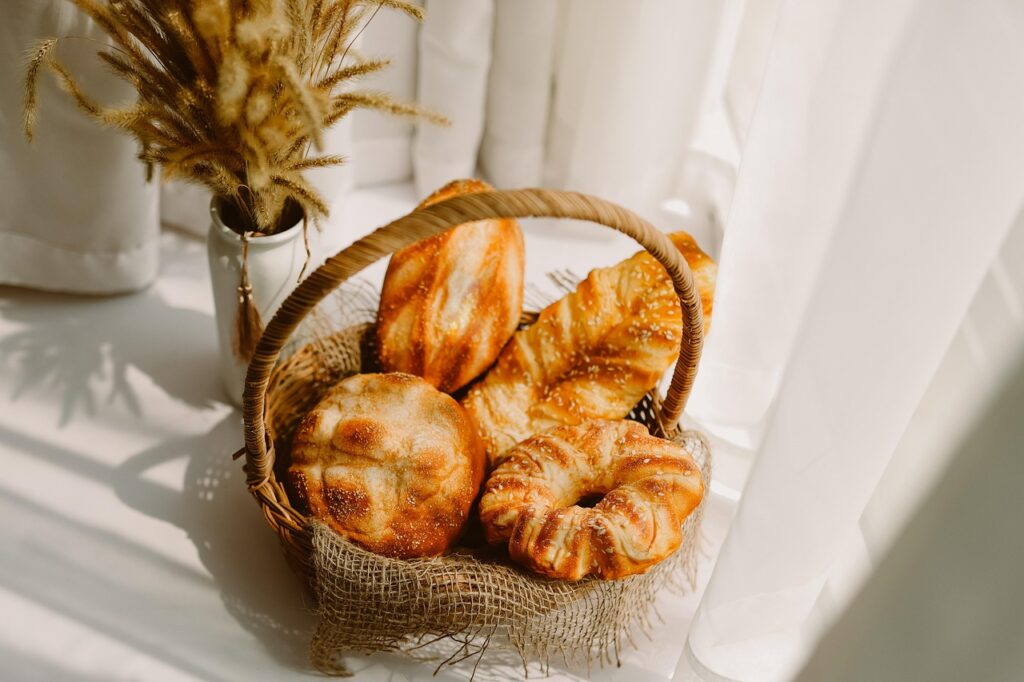
Custom bakery packaging has to do three jobs at the same time: protect delicate food, present the bakery’s brand, and meet practical expectations for safety, labeling, transport, and disposal. A cake box that looks premium but collapses during delivery is not good packaging. A paper bag that looks sustainable but cannot handle grease can also create a poor customer experience. The right starting point is to match the package to the product, the sales channel, and any claim printed on the pack.
For bakeries, cafés, food service brands, and packaging buyers, the useful question is not simply “Which box looks best?” It is “Which packaging structure protects this baked item from production to consumption?” That question leads to better decisions on board grade, window films, liners, coatings, ventilation, tamper evidence, print finishes, and disposal messaging.
This article reviews the main choices behind bakery packaging and highlights the compliance and sustainability issues buyers should check before approving a custom design.
Start with the bakery product and its failure risks
Bakery items are not all stressed in the same way. Cookies, croissants, cupcakes, pies, breads, doughnuts, frozen pastries, and decorated cakes each create different packaging requirements. A rigid printed box may be suitable for cupcakes, while a breathable paper bag may work better for crusty bread. A laminated pouch may help extend shelf life for cookies, while a grease-resistant liner may be more important for buttery pastries.
Before selecting a format, packaging teams should map the product’s main failure risks. In bakery packaging, common risks include crushing, drying, moisture buildup, grease staining, odor transfer, frosting contact, window fogging, and movement during delivery. Once these risks are clear, the packaging choice becomes more technical and less subjective.
- Dry and crisp products such as biscuits, cookies, and crackers usually need moisture control and a good seal.
- Soft products such as muffins, doughnuts, and sweet buns often need protection from compression and air exposure.
- Greasy or buttery products need suitable grease resistance, especially where oil migration could stain the outer pack.
- Decorated products such as cupcakes and cakes need clearance, inserts, and stable bases to prevent contact damage.
- Hot-filled or warm-packed products may need ventilation to reduce condensation.
In practice, packaging design should begin with a product handling test. Place the actual product in the proposed package, move it through the same steps used for store pickup, delivery, display, and storage, then check appearance and texture after the expected holding time. This simple test often shows problems that a flat design proof cannot reveal.
Common custom bakery packaging formats
Bakery packaging is usually a combination of primary packaging, inserts, labels, and transport packaging. Primary packaging is the part customers see first, but it should not be designed in isolation. A premium cake box can still fail if the inner board, base, or delivery carton does not support it.
| Format | Typical use | Main design concern |
|---|---|---|
| Folding carton | Pastries, doughnuts, cookies, cupcakes, small cakes | Board strength, grease resistance, easy opening, stackability |
| Rigid or setup box | Premium cakes, gift bakery sets, seasonal assortments | Cost, storage space, shipping weight, brand presentation |
| Paper bag | Bread, rolls, takeaway pastries | Breathability, grease barrier, closure method, handle strength |
| Window box | Cupcakes, cookies, decorated items, gift packs | Film choice, recyclability impact, fogging, product visibility |
| Tray and sleeve | Cookie sets, dessert bars, multipacks | Product alignment, shelf impact, material separation |
| Pouch or flow wrap | Packaged cookies, crackers, shelf-stable bakery items | Barrier properties, seal integrity, print area, recycling limits |
For more packaging categories and related industry topics, readers can also explore the custom packaging section.
One common mistake is choosing packaging based only on the counter display. Many bakery orders now move through pickup shelves, delivery platforms, catering routes, and e-commerce shipping. Packaging therefore needs to be assessed for stacking pressure, vehicle movement, and handoff convenience, not just in-store appearance.
Material selection should balance food contact, structure, and disposal
Material choice is where bakery packaging becomes a balance of safety, performance, and communication. Paperboard, kraft paper, corrugated board, molded fiber, plastic films, bio-based plastics, aluminum, and hybrid structures can all be relevant, but each option has trade-offs.
Food-contact suitability comes first
In the United States, the Food and Drug Administration regulates the safety of substances that come into contact with food, including packaging materials. For bakery packaging buyers, this means food-contact suitability should be verified before print design is finalized, especially when the package directly touches food or when coatings, inks, adhesives, or liners are close to the product.
Food-contact review is especially important for grease-resistant packaging, heat exposure, frozen storage, and direct contact with acidic fillings, icings, or dairy-based products. A material that is acceptable for a dry cookie insert may not be automatically suitable for a warm, greasy pastry. Buyers should request supplier documentation that matches the intended use, temperature, food type, and contact time.
Structure affects product quality
Paper-based packaging is widely used for bakery applications because it is printable, familiar to consumers, and available in many board grades. However, paper alone does not solve every performance issue. A croissant may need breathability; a cookie may need moisture protection; a cake may need stiffness and height clearance. Coatings and liners can improve performance, but they may also affect recyclability or compostability claims.
Plastic windows can improve visibility and support impulse purchases, but they add another material to the package. If the window is difficult to separate from the paperboard, the package may be harder to recycle in some local systems. This does not mean window boxes should be avoided in every case. It means the design should be clear about the trade-off between visibility, protection, and end-of-life handling.
Disposal claims need evidence
Terms such as recyclable, compostable, biodegradable, plastic-free, and eco-friendly are not just marketing words. In the United States, the Federal Trade Commission’s Green Guides explain that environmental claims should be truthful, clear, and supported by competent evidence. The FTC also states that broad unqualified environmental claims can mislead consumers when the actual benefit is limited or conditional.
For bakery brands, this means a package should not say “compostable” unless the relevant materials and disposal conditions support that claim. If a package is compostable only in industrial facilities, the statement should make that limitation clear. If a package is recyclable only where suitable collection and processing exist, the claim may need qualification. ASTM D6400 is one recognized specification associated with labeling plastics as compostable in municipal or industrial composting facilities, but certification and local acceptance still matter.
Branding works best when it supports usability
Custom bakery packaging is often used to create shelf appeal and brand recognition. Color, typography, window shape, texture, embossing, labels, and seasonal graphics can all make a bakery product feel more distinctive. Strong branding, however, should not make the package harder to use.
For example, a dark matte box may look elegant, but it can show grease marks and fingerprints more easily. A highly coated board may improve color depth, but it may affect writing, labeling, or recyclability. A complex closure may feel premium, but it can slow down staff during peak hours. A large window may increase product visibility, but it may weaken the panel or complicate sorting. See also: Food Packaging.
Useful bakery packaging usually brings these brand and usability elements together:
- Clear product visibility where appearance drives purchase, such as cupcakes, cookies, and decorated pastries.
- Easy opening and reclosing where customers may consume the product over time.
- Stable carrying for cakes, catering trays, and multi-item orders.
- Readable labels for ingredients, allergens, storage instructions, and date marking where required.
- Consistent brand cues across bags, boxes, sleeves, stickers, and delivery packaging.
Packaging should also reflect production reality. If staff need to assemble hundreds of boxes during a morning rush, the design should minimize folding steps and reduce mistakes. A package that is slow to assemble may increase labor pressure and create inconsistent presentation, even if it looks strong in a mockup.
Sustainability trends are moving from broad claims to verifiable design
Bakery packaging is affected by the wider shift toward measurable packaging sustainability. The most visible change is that regulators and retailers increasingly expect claims to be specific and verifiable rather than vague. In the European Union, Regulation (EU) 2025/40 on packaging and packaging waste entered into force on February 11, 2025, and began applying on a phased basis from August 12, 2026. The regulation includes measures on recyclability, recycled content for plastic packaging, labeling, reuse, and restrictions on certain substances in packaging.
For bakery packaging, the practical lesson is not that every package must immediately become reusable or compostable. The lesson is that design teams should prepare for more documentation, clearer labels, and fewer unsupported environmental statements. A bakery selling only in one local market may face different requirements from a brand shipping across borders, but the direction of travel is similar: packaging claims need evidence.
Several sustainability decisions are especially relevant to custom bakery packaging:
- Mono-material design: Using fewer material types can make sorting and recycling simpler, although performance still has to be tested.
- Right-sizing: Reducing empty space can lower material use and improve delivery stability.
- Barrier optimization: The lightest package is not always the best if it causes food waste through poor protection.
- Removable components: Windows, labels, ribbons, and inserts should be designed so customers can separate them when needed.
- Claim discipline: Environmental wording should match actual material evidence and local disposal options.
The more balanced view is that sustainability in bakery packaging is not a single material choice. It is a system decision involving food waste, material weight, logistics, recycling access, composting infrastructure, print choices, and consumer behavior.
A practical checklist before approving custom bakery packaging
Approving bakery packaging should involve more than reviewing a visual proof. The following checklist can help packaging buyers, bakery operators, and brand teams reduce the risk of costly redesigns.
- Confirm the product profile. Note product weight, dimensions, grease level, moisture sensitivity, decoration height, shelf life, and serving temperature.
- Check food-contact documentation. Ask suppliers for evidence that the board, liner, coating, ink system, adhesive, or film is suitable for the intended bakery application.
- Run a handling test. Test stacking, carrying, delivery movement, pickup shelving, refrigeration, freezing, or warming conditions if they apply.
- Review labeling needs. Confirm space for ingredient, allergen, nutrition, date, storage, barcode, and disposal information where required.
- Test assembly speed. Make sure staff can fold, fill, close, label, and store the packaging efficiently.
- Evaluate print durability. Check for scuffing, color transfer, grease staining, condensation, and label adhesion.
- Qualify sustainability claims. Avoid broad statements unless they are supported by material data, certifications, and realistic disposal access.
- Consider transport packaging. Make sure the retail pack works with shipping cartons, crates, or delivery bags.
This checklist is also useful when comparing suppliers. The lowest unit price may not be the lowest total cost if the packaging increases product damage, slows staff, requires extra labels, or creates customer complaints.
Frequently asked questions
What is the best material for custom bakery packaging?
There is no single best material for every bakery item. Paperboard and kraft paper are common for boxes and bags, while films, liners, trays, and windows may be used when moisture control, visibility, or grease resistance is needed. The right choice depends on food contact, product texture, shelf life, display needs, and disposal claims.
Can bakery packaging be both recyclable and grease-resistant?
Sometimes, but it depends on the material, coating, local recycling system, and contamination level. Grease-resistant treatments can improve performance but may complicate recyclability. Buyers should request supplier documentation and avoid making unqualified recyclable claims unless the claim is supported for the market where the package is sold.
Is compostable packaging always better for bakeries?
Not always. Compostable packaging can be useful in settings where compatible composting collection exists, but it is less effective when customers do not have access to the right facility. Compostable claims should specify the conditions, such as industrial composting, when home composting is not supported.
Should a bakery choose a window box?
A window box can be effective when visual appeal drives purchase, especially for decorated cookies, cupcakes, and gift items. The trade-off is that a window usually adds another material and may affect recycling. The decision should balance display value, product protection, and end-of-life handling.
How early should packaging be considered in a bakery product launch?
Packaging should be considered at the product development stage, not after the recipe and price are finalized. The package can affect portion size, shelf life, delivery performance, labeling space, labor time, and perceived value. Early testing helps prevent redesigns after launch.
Key takeaway
Custom bakery packaging performs best when it is designed around the product rather than the other way around. A strong package protects freshness and structure, supports efficient handling, presents the brand clearly, and uses sustainability claims that can be backed up. For bakery businesses and packaging buyers, the smartest design brief combines practical product testing with verified material information and clear communication for customers.