Tin food packaging for canned foods and recyclable supply chains
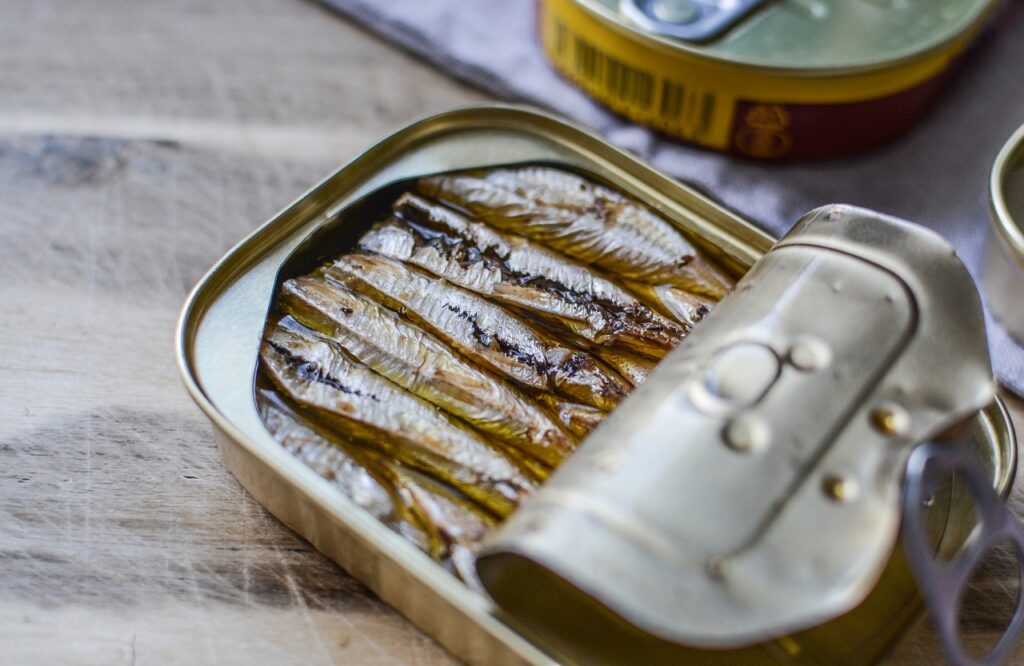
Why tin food packaging still matters
Tin food packaging is usually not pure tin. In current food supply chains, the term normally refers to tinplate steel cans: thin steel sheet protected by a very thin tin coating and, in most food applications, an internal organic coating. Its value is practical. A correctly specified metal can provides a strong barrier against light, oxygen and moisture, withstands thermal processing, protects products through distribution and can enter mature metal recycling systems after use. For canned vegetables, beans, seafood, meat, ready meals, sauces, edible oils and pet food, tinplate remains one of the most proven formats when the requirement is ambient shelf life, stackability and reliable logistics.
For more context on related formats, see the food packaging section.

What tinplate food packaging is made from
Tinplate starts with low-carbon steel sheet. The steel provides stiffness, dent resistance and magnetic recoverability in recycling systems. Tin is applied as a thin protective layer to improve corrosion resistance and help the steel surface work with coatings, inks and forming operations. Food cans may also use electrolytic chromium coated steel, often called tin-free steel, or aluminum in specific categories. However, when buyers and consumers refer to tin food packaging, they most often mean steel cans made from tinplate.
The can is only one part of the packaging system. Ends, seams, coatings, sealing compound, printing inks and closure features all affect performance. A three-piece can has a body side seam plus top and bottom ends. A two-piece drawn can has fewer seams, which can be useful for certain shapes and production volumes. Easy-open ends improve convenience, but they also require close control of score protection, coating integrity and opening performance.
How tin food packaging protects shelf-stable foods
The main technical reason for using metal cans is barrier performance. Tinplate blocks light completely and provides a strong barrier to oxygen and water vapor. This matters for foods that lose color, flavor, texture or nutritional quality when exposed to air or light. It also allows the package to withstand retort processing, where sealed containers are heated under controlled time and temperature conditions to achieve commercial sterility for suitable low-acid and acidified foods.
Regulatory and food safety guidance from bodies such as the FDA, Codex Alimentarius and national inspection agencies treats hermetic sealing and commercial sterility as central concepts for shelf-stable canned foods. In practice, the package must keep microorganisms out after processing and maintain seal integrity during storage and distribution. A can that looks simple on the shelf is therefore the result of material selection, seam control, heat process validation and post-process handling.
Coatings are part of the food safety design
Most metal food and beverage cans use an internal coating to separate the food from the metal surface. This helps prevent corrosion, protect flavor, reduce metal migration and support shelf life. The right coating depends on the food. Acidic tomato products, salty foods, sulfur-containing vegetables, high-fat products and seafood can place very different demands on the liner. A coating that works well for one product family may not be suitable for another without migration testing and shelf-life validation.
Bisphenol A has been a major issue in can coatings. The FDA has stated that currently approved uses of BPA in food containers and packaging remain safe under its review, while the European Commission adopted a BPA ban for food contact materials on December 19, 2024, with transition periods for industry. For brands selling across regions, coating selection has to be linked to the destination market, product chemistry and current food-contact rules, not only to price or availability.
Benefits and limits compared with other food packaging
Tinplate is not the right answer for every food product, but it has a strong position where protection, processing tolerance and logistics efficiency are more important than product visibility or microwave convenience.
| Packaging format | Where it performs well | Main limits to evaluate |
|---|---|---|
| Tinplate steel can | Ambient canned foods, retorted products, high stacking strength, magnetic sorting in recycling systems | Needs correct coating, seam control and dent management; not transparent or microwaveable |
| Aluminum can | Beverages, some seafood and lightweight metal formats | Requires appropriate liner for corrosive products; material economics can differ by region |
| Glass jar | Premium visible foods, sauces, jams and pickled products | Heavy, breakable and less efficient in transport; closure still needs careful sealing |
| Retort pouch | Lightweight ready meals and compact distribution | Multilayer structures can be difficult to recycle; puncture resistance and heat process validation are critical |
The comparison explains why tinplate remains relevant even as flexible packaging grows. It offers a dependable balance of shelf protection, mechanical strength and circular material value. At the same time, brands should not treat metal as automatically sustainable in every scenario. Total impact depends on can size, transport distance, recycled content, collection rates, food waste reduction and whether the package is actually recovered after use.
Recycling and sustainability considerations
Steel has one major advantage in post-consumer sorting: it is magnetic. Material recovery facilities can separate steel food cans from mixed recycling streams using magnets, which supports recovery even when consumers do not sort every item perfectly. Industry data from Steel for Packaging Europe reported that 80.5% of steel packaging placed on the European market was really recycled in 2022. In the United States, the Can Manufacturers Institute reports a lower steel food can recycling rate, but still positions steel cans as one of the more recoverable food packaging formats because of magnetic separation and established scrap markets.
Current European policy adds pressure for better design. Regulation (EU) 2025/40 on packaging and packaging waste started applying from August 12, 2026. It keeps material-specific recycling targets, including higher targets for ferrous metal packaging by 2030, and pushes packaging design toward recyclability at scale. For tin food packaging, this makes simple, sortable metal structures more attractive than formats that combine many materials in ways that reduce recycling value.
Good sustainability claims should be specific. It is safer to say that tinplate steel cans are widely recyclable where metal recycling systems exist than to claim that every can is recycled. It is also important to distinguish between recyclability, actual recycling rate and recycled content. These are related, but not identical. A package can be technically recyclable yet poorly collected in a given market; it can also contain recycled material without being recovered after use.
What buyers should evaluate before choosing tin food packaging
Food brands, importers and packaging buyers should evaluate tinplate cans as a food-contact system, not as a simple commodity container. The following checklist covers the most important decision points.
- Food chemistry: Review acidity, salt, sulfur compounds, fat content, color sensitivity and expected shelf life before selecting a coating.
- Process conditions: Confirm that the can, end and liner can withstand filling temperature, vacuum, retort schedule, cooling and pressure changes.
- Regulatory market: Match coatings and components with the rules in the selling market, especially for BPA restrictions, migration limits and food-contact documentation.
- Can construction: Decide between two-piece and three-piece formats based on product type, volume, shape, filling line and end requirements.
- Seam and closure quality: Specify double seam inspections, visual checks, destructive seam measurements and records where required by the process.
- Decoration and labeling: Avoid decorative choices that interfere with metal recovery. Printed metal or paper labels are often easier to manage than complex full-body plastic sleeves.
- Logistics: Test compression strength, pallet pattern, dent resistance, corrosion exposure and warehouse humidity conditions.
- Consumer use: Consider easy-open ends, portion size, safe edges, clear storage instructions and disposal guidance.
Cost comparisons should include more than unit price. Tinplate may cost more than some flexible formats, but it can reduce breakage, protect products through long distribution chains and support room-temperature storage. For dense foods and export shipments, the strength and stackability of metal cans can offset some material cost disadvantages. See also: Eco Packaging.
Common risks and how to manage them
The most visible risk is denting. Minor cosmetic dents may not affect safety, but severe dents near seams, swelling, leakage or rust can indicate a compromised container. Brands should define acceptable quality limits for empty cans, filled cans and returned goods. Distribution testing is especially important for e-commerce and long-distance export channels, where cans may face vibration, drops and humidity.
Corrosion is another major risk. External corrosion can come from poor warehouse conditions, salt exposure, condensation or damaged coatings. Internal corrosion is linked to food chemistry, coating performance, oxygen levels and storage temperature. This is why accelerated shelf-life testing and real-time storage studies are important before launching a new canned food.
A third risk is treating regulatory compliance as a one-time approval. Food-contact rules change, especially around chemicals of concern. The EU BPA ban and broader packaging waste rules show that packaging decisions made today may need documentation and reformulation later. Buyers should maintain current declarations of compliance, migration test reports and change-notification agreements with suppliers.
Market direction for tin food packaging
The outlook for tin food packaging is shaped by three forces. First, demand for shelf-stable foods remains resilient because cans support long storage, emergency preparedness, export trade and convenient meal preparation. Second, sustainability regulation is moving from broad recyclability language toward measurable collection, sorting and recycling performance. Third, can coating chemistry is changing as brands seek BPA-free or BPA-intentional-free systems that still meet demanding corrosion and processing requirements.
These forces do not mean tinplate will replace plastics, glass or pouches. They make packaging selection more application-specific. Tinplate is strongest when a product needs high barrier protection, thermal processing, strong distribution performance and compatibility with metal recycling infrastructure. It is weaker when the brand needs transparency, microwave heating, ultra-light flexible packs or very low-cost single-serve formats.
For food companies, the best approach is to define the required shelf life, market, process and sustainability claim before selecting the can. Tin food packaging can be a durable and credible option, but only when the material, coating, closure and compliance package are engineered for the actual food inside.
Frequently asked questions
Is tin food packaging made from pure tin?
No. Most tin food packaging is tinplate steel. The structure is mainly steel, with a thin tin coating and usually an internal protective liner. The steel gives strength, while the tin and coating help protect against corrosion and food interaction.
Can tinplate food cans be recycled?
Yes, tinplate steel cans are widely recyclable where metal recycling systems operate. Their magnetic properties make them easier to separate from mixed recycling streams. Actual recycling rates still depend on local collection systems, consumer behavior and end-market demand.
Why do food cans need an internal coating?
The coating helps separate the food from the metal surface. It reduces corrosion, protects flavor and supports food-contact compliance. The coating must be matched to the food type and processing conditions.
Is BPA still used in food can coatings?
Some markets have allowed BPA-based coatings, while others are moving away from them. The European Union adopted a BPA ban for food contact materials in December 2024, while the FDA has maintained that currently approved uses remain safe under its review. Brands should verify the rules for every target market.
When is tinplate a better choice than flexible packaging?
Tinplate is often better for retorted shelf-stable foods that need high barrier protection, stacking strength and strong distribution performance. Flexible packaging may be better where lightweight packs, low material use and convenience features are more important, but recycling can be more difficult for multilayer pouches.