Is Car Shipping Worth It for Long Distance Moves?
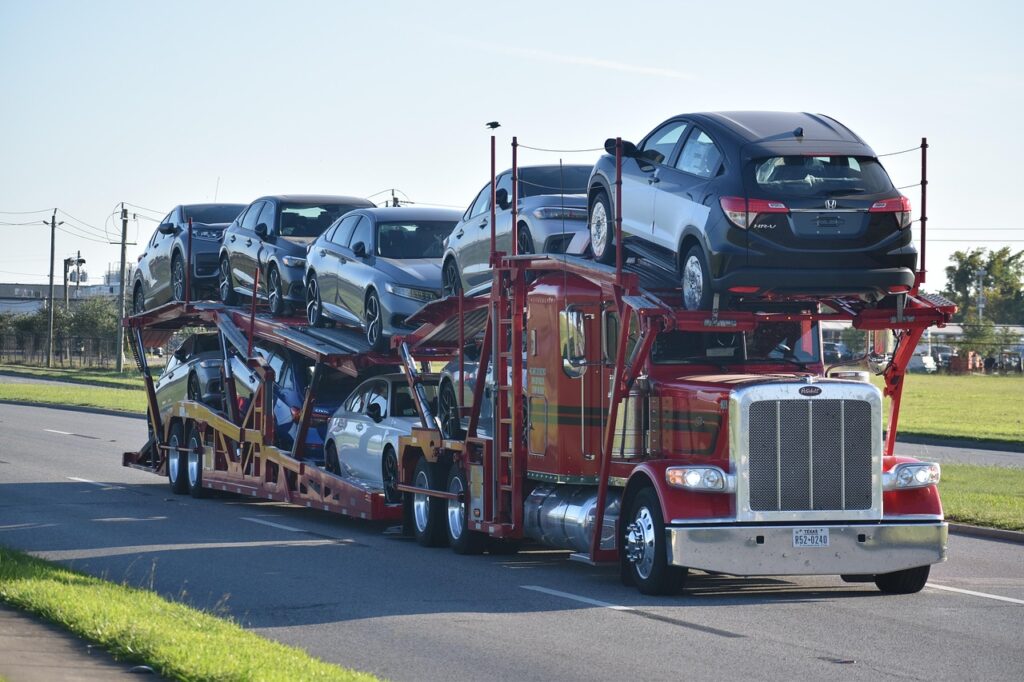
What Does Car Shipping Actually Cover?
Car shipping means moving a vehicle with a licensed auto transporter or broker, most often on an open or enclosed trailer. If you already deal with freight, packaging, customs paperwork, or local delivery dates, it fits into the wider Shipping workflow without much mystery. The car is handled as cargo, not as one more long road trip.
Door to Door Vehicle Transport
Door to door transport means the carrier picks up and delivers as close to your chosen addresses as the truck can safely reach. A full-size car hauler may not be able to enter narrow streets, low tree areas, gated apartment lanes, or downtown loading zones. When access is tight, you may meet the driver at a nearby parking lot, service road, or large store lot. In normal industry use, this is still door to door because the handoff is arranged around your address and a safe truck stop.

Terminal to Terminal Pickup
Terminal service means you drop the vehicle at a storage yard and collect it later from another yard. It can help when your schedule keeps changing, such as a house closing date that moves twice in one week. The downside is storage time, extra handling, and sometimes a slower move. For most personal cars, direct pickup is easier, but terminal service still works for auctions, fleet units, and staged business moves.
Open and Enclosed Trailer Choices
Open trailers carry most standard cars, so they are easier to book and usually cost less. Enclosed trailers keep vehicles away from rain, road grit, and public view. They are a better fit for classics, prototypes, luxury cars, or freshly restored vehicles. A normal daily driver often does not need enclosed service, while a rare coupe with low ground clearance probably does. That one choice can change the quote by a clear amount.
When Is Car Shipping Better Than Driving?
Driving can look cheaper at first because fuel is the cost people count first. The real cost also includes time, lodging, meals, tire wear, service needs, road risk, and arriving tired. For a 200 mile move, driving may still be the better option. For 1,200 miles, the numbers start to look different, especially when the vehicle is new, leased, collectible, or needed right away at the destination.
Long Distance Moves with Tight Schedules
A cross-country drive can take three to six days, depending on weather, traffic, and how many hours you can safely drive. If you are moving for work, shipping the car lets you fly and deal with the new lease, warehouse receiving appointment, school start date, or family schedule. There is also the plain human side of it. Very few people want to unload boxes after two days of highway coffee and gas station food.
Lower Wear for Valuable Vehicles
AAA reported in its 2025 Your Driving Costs fact sheet that the average cost to own and operate a new car was $11,577 per year, based on five years and 75,000 miles. It also listed an average cost of 77 cents per mile at 15,000 annual miles, including depreciation, fuel, insurance, finance, taxes, and maintenance. A 1,500 mile self-drive is not just gasoline on a receipt. It adds real use to the vehicle, and that use has a cost.
Less Road Exposure During Busy Trips
Road safety is another reason people choose car shipping. The National Highway Traffic Safety Administration reported in April 2026 that U.S. roadways saw 39,254 traffic deaths, about 2.42 million people injured, and 6.18 million police-reported crashes in 2024. This does not mean every road trip is unsafe. It does explain why some owners prefer to keep a valuable car off the interstate when a professional transport slot is available.
How Much Should You Expect Car Shipping to Cost?
There is no single government table that gives one correct car shipping price for every route. Public data does not support a fixed per-mile promise, and any company that prices every lane the same is likely missing some details. A real quote depends on the lane, vehicle, timing, equipment, and how easy the pickup and delivery points are for a truck.
Distance and Route Density Shape the Base Rate
Longer trips usually cost more in total, but the per-mile rate often drops on long and busy routes. Los Angeles to Dallas, New York to Florida, and Midwest auction lanes have steady carrier movement. A rural pickup two hours from a major highway can cost more because the driver loses time getting there. In transport, empty miles are expensive, and someone pays for them even when they are buried inside the quote.
Vehicle Size and Condition Change Truck Space
A small sedan takes less deck space than a lifted truck, large SUV, or non-running project car. If the vehicle cannot roll, brake, or steer, the carrier may need a winch and more loading time. Be straight about modifications, ground clearance, leaks, dead batteries, and loose parts. A surprise at pickup can hold up the whole trailer, and drivers are not known for enjoying surprises.
Season, Fuel, and Delivery Speed Move the Quote
Snowbird season, college moves, dealer sales pushes, storms, and fuel swings all affect rates. AAA listed fuel at 13 cents per mile and maintenance, repair, and tires at 11.04 cents per mile in its 2025 cost breakdown for new vehicles. Car carriers have their own fuel, labor, insurance, and equipment costs, so a very cheap quote during a busy week needs a second look. Use this quick pricing checklist before booking:
- Ask whether the quote is standard, expedited, open, or enclosed.
- Confirm if pickup is flexible by several days or tied to one date.
- Check whether the price includes all fees, not just a deposit.
- Ask what happens if no carrier accepts the posted rate.
How Can You Check a Car Shipping Company Before Booking?
A clean website is not proof that the shipment will be handled properly. Some companies are direct carriers with trucks, while others are brokers who arrange the move with a carrier. Both models can work well, but you should know which one you are hiring. The Federal Motor Carrier Safety Administration is the main public source for interstate registration checks.
Active FMCSA Registration
The FMCSA consumer advisory on automobile transporters says interstate auto brokers and carriers must be registered with FMCSA. It also says auto transport brokers and carriers receive an MC Docket number, while auto transporters also receive a USDOT number. The same advisory tells consumers to avoid transporters or brokers that do not display an MC Docket number on their website. That is a simple first filter before you talk about price.
Clear Broker or Carrier Role
A broker arranges transport, and a carrier operates the truck. Neither role is automatically a problem, as long as the company is honest, has active authority, and gives written terms. FMCSA’s May 26, 2023 FAQ directs users to its Licensing and Insurance system and the Carrier Search option to look up interstate operating authority, insurance, or a process agent. Before paying, match the company name, phone number, authority status, and role.
Written Pickup, Delivery, and Payment Terms
Get the pickup window, delivery window, total price, deposit rules, cancellation terms, and damage claim process in writing. Be careful with very large upfront deposits, unclear carrier names, or a quote that is far below every other bid. Low prices are not always scams, but a low rate with pressure tactics is a bad mix. A professional company should be able to explain the price without sounding annoyed. See also: Food Packaging.
What Should You Do Before the Carrier Arrives?
Good preparation helps the pickup move faster and gives you a cleaner record if a claim comes up later. Treat the vehicle like any shipment: document it, remove loose risk, and make access easy. Ten quiet minutes before the truck arrives can save a loud argument after delivery.
Clean Photos and Condition Notes
Wash the car enough to see paint, glass, wheels, mirrors, and lower panels. Take photos in daylight from all four corners, plus close shots of existing scratches, chips, dents, and special parts. Include the odometer. If the driver notes damage on the bill of lading, compare it with your photos before signing. A dirty car makes small marks hard to see, and that helps nobody.
Low Fuel and Loose Item Removal
Leave about a quarter tank of fuel. The car needs enough fuel to load and unload, not enough for a long drive. Remove toll tags, garage openers, loose electronics, aftermarket accessories that can fall off, and personal items. Many carriers restrict personal goods because they add weight, can shift during transport, and may not be covered by cargo insurance. If something is not part of the car, ask first.
Keys, Alarms, and Access Details
Give the driver a working key or fob. Disable alarms that may trigger while the car is on the trailer. If the vehicle has a tricky start sequence, air suspension mode, battery cutoff, hidden hood latch, or low front splitter, write it down. A short note taped to the center console can be more useful than a long phone call while the driver is blocking a street.
What Happens During Pickup and Delivery?
Pickup and delivery are the two points where the shipment is checked and recorded. This is where the promise becomes paperwork. Slow down, even if the driver is in a hurry. Most drivers are moving several cars at once, but your signature still matters. Read what you sign, look at the car, and keep copies.
Bill of Lading Review
The bill of lading is the shipment record. It lists the vehicle, pickup details, visible condition, and delivery acknowledgement. At pickup, walk around the car with the driver and compare notes. At delivery, do the same before signing final acceptance. If weather or darkness makes inspection hard, use a flashlight and phone photos. It may feel fussy, but it is normal freight discipline.
Inspection Before Signing
Check bumpers, rocker panels, roof edges, mirrors, wheels, windshield, and underbody areas that may scrape on ramps. Start the car if possible. Look for fluid leaks that were not there before. If you see new damage, write it on the delivery paperwork before signing. Verbal comments after the truck leaves carry much less weight than notes on the document.
Claim Steps if Damage Appears
If damage appears, stay calm and keep the record clean. Take photos before moving the car, save the bill of lading, contact the broker or carrier, and ask for the insurance claim process. Do not repair the vehicle before the claim contact tells you what documentation is needed, unless safety requires it. Most shipments finish without drama, but paperwork is what protects you when one does not.
FAQ
Q1: Is Car Shipping Cheaper Than Driving? A: It depends on distance, route, time, and vehicle value. For short trips, driving may cost less. For long moves, shipping can make sense once you count fuel, hotels, meals, time off work, wear, and possible repair needs.
Q2: How Far in Advance Should You Book Car Shipping? A: A one to two week lead time is usually better for standard routes. Busy seasons and enclosed carriers may need more time. Expedited service can help, but it often costs more.
Q3: Can You Put Personal Items in the Car? A: Many carriers limit or reject personal items. Extra goods add weight, may shift, and may not be covered by cargo insurance. Ask the company in writing before pickup.
Q4: Is Open or Enclosed Car Shipping Better? A: Open transport is the common choice for daily drivers. Enclosed transport is better for classics, luxury cars, low-clearance vehicles, show cars, or units that need added protection.
Q5: What Is the Biggest Red Flag When Booking? A: A company that will not show an MC number, explain whether it is a broker or carrier, or provide written terms should make you pause. Verify registration first, then compare price.