What Happens When a Plastic Food Container Interacts with Hot Meals
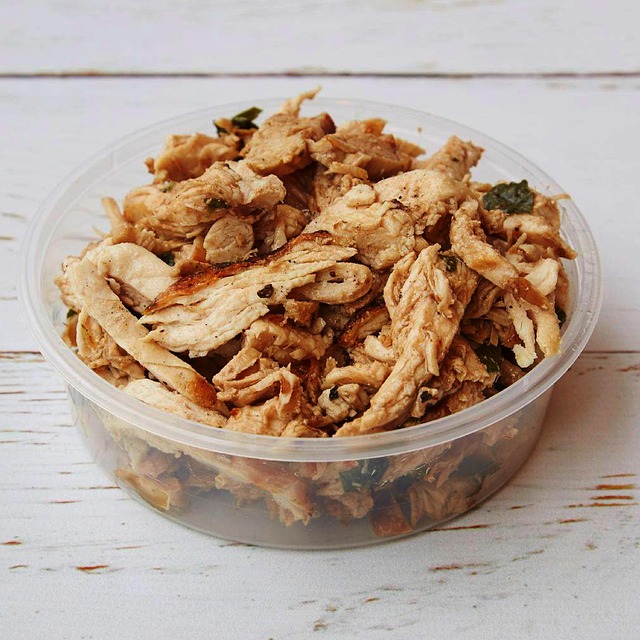
What Happens When You Store Food in Plastic Containers
Storing hot food in a plastic food container can trigger complex chemical and physical reactions that compromise both the material and the meal. When exposed to heat, polymers such as polyethylene terephthalate (PET), polypropylene (PP), and polyvinyl chloride (PVC) soften or degrade, releasing additives into the food. This migration of chemicals like bisphenol A (BPA) and phthalates is influenced by temperature, food composition, and contact time. Over repeated use, containers lose structural integrity, increasing permeability to contaminants. Regulatory standards from agencies such as the FDA and EFSA set migration limits, yet real-world use often exceeds laboratory conditions. For safer handling, experts recommend using heat-resistant plastics or switching to glass and stainless steel for hot meals.
Chemical Reactions Between Plastic Containers and Hot Food
When hot food contacts plastic, the polymer’s molecular structure responds dynamically to thermal stress. The degree of reaction depends on polymer type, additive composition, and exposure duration.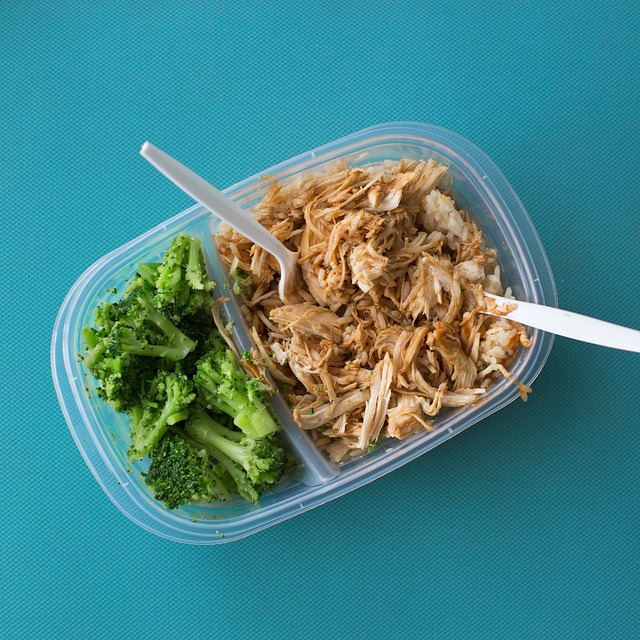
Thermal Behavior of Plastic Polymers
Different plastics have distinct thermal stability ranges. PET typically softens around 70°C, PP can tolerate up to 120°C, while PVC begins to deform near 80°C. Once these thresholds are exceeded, molecular chains begin to loosen or break apart. This process not only weakens the container but also increases the likelihood of additive migration into food. Heat exposure accelerates degradation through oxidation or chain scission reactions that release volatile compounds. In industrial settings, engineers measure this transition using differential scanning calorimetry to monitor melting points and crystalline changes.
Release of Chemical Additives and Contaminants
As polymer chains relax under heat, additives like plasticizers and stabilizers migrate toward the surface. Common leachates include BPA from polycarbonate containers, phthalates from flexible PVC, and styrene monomers from polystyrene cups. The extent of migration depends on food type: fatty foods absorb more hydrophobic compounds than water-based meals. Acidic sauces can also catalyze hydrolysis reactions that accelerate release rates. Laboratory tests have shown that even brief microwave heating can increase BPA concentrations several-fold compared with cold storage.
Physical Changes in Plastics Due to Heat Exposure
Thermal stress affects not only chemical composition but also mechanical performance. Visible warping or invisible microcracks emerge as polymers lose rigidity.
Structural Deformation and Integrity Loss
Repeated heating cycles cause cumulative damage to plastic containers. Low-grade materials may warp after a single exposure above their glass transition temperature. Microscopic roughness increases surface area contact with food, amplifying chemical exchange pathways. Over time, this deterioration becomes visible through discoloration or brittleness—signs that the polymer matrix has lost cohesion.
Impact on Barrier Properties and Permeability
Heat alters how gases and moisture move through plastic walls. As crystallinity decreases under high temperature, diffusion rates rise sharply. Reduced barrier performance means oxygen penetrates more easily, accelerating oxidation of stored foods and shortening shelf life. In multilayer packaging systems used commercially, engineers counteract this by adding ethylene-vinyl alcohol copolymer layers that resist gas transfer even under moderate heat.
Health Implications of Heated Plastic-Food Interaction
The consequences of these interactions extend beyond material science into toxicology and nutrition.
Potential Toxicological Effects from Chemical Migration
Chronic exposure to leached compounds such as BPA or DEHP (a common phthalate) has been linked in studies to endocrine disruption affecting hormone regulation. Some additives show carcinogenic potential in animal models when consumed over long durations at elevated temperatures. Risk assessment frameworks by international health agencies weigh these outcomes based on dose-response relationships and frequency of exposure rather than isolated incidents.
Influence on Nutritional Quality and Food Safety
Chemical residues can react with nutrients during storage or reheating. For instance, reactive aldehydes formed from degraded plasticizers may oxidize unsaturated fats or degrade vitamins A and E in prepared meals. Off-flavors or odors often serve as early indicators of contamination before analytical testing confirms it. In complex dishes containing oils or acids, these interactions become harder to detect because the food matrix masks subtle chemical signals.
Evaluating Material Safety Standards for Food Containers
Global regulations aim to control such risks through standardized testing protocols that simulate real-world use conditions.
Regulatory Frameworks Governing Plastic Food Contact Materials
Authorities like the U.S. Food and Drug Administration (FDA) and the European Food Safety Authority (EFSA) define specific migration limits for various polymers used in packaging applications. Tests expose containers to controlled heat cycles using standard food simulants representing aqueous, acidic, alcoholic, or fatty foods. ISO standards complement these guidelines by specifying analytical methods for measuring total migration values in milligrams per square decimeter of contact area. These frameworks evolve continually as new data emerges about microplastics and nanoplastics entering human diets through packaging degradation.
Advances in Safer Alternatives and Material Engineering
Material scientists are developing biopolymers derived from corn starch or polylactic acid (PLA) with higher thermal resistance than conventional plastics. Some designs incorporate thin ceramic-like coatings that block additive migration without compromising recyclability. Nanocomposite materials reinforced with silica or graphene nanoparticles improve mechanical strength while reducing dependence on synthetic stabilizers or colorants.
Best Practices for Using Plastic Containers with Hot Meals
Proper handling techniques significantly reduce chemical transfer risks during everyday use.
Identifying Appropriate Containers for Heat Exposure
Consumers should select containers labeled “microwave-safe” made from polypropylene (PP) or Tritan copolyester—both known for superior heat tolerance up to 120°C without significant deformation. Single-use plastics such as PET salad boxes should never be reused for hot meals since they soften easily under mild heat exposure. Regular inspection for cracks, stains, or persistent odors helps identify early signs of degradation before harmful substances leach out.
Recommended Handling Techniques to Minimize Risks
Allowing freshly cooked food to cool slightly before sealing prevents steam buildup that accelerates additive migration through condensation droplets on container walls. For reheating oily pasta sauces or curries rich in acids, glass bowls or stainless steel trays provide safer alternatives because they remain inert at high temperatures. Leaving lids loosely open during cooling reduces internal vapor pressure that otherwise forces chemicals into contact with moist surfaces.
FAQ
Q1: Can microwaving a plastic food container release toxins?
A: Yes, heating some plastics beyond their rated limit can cause additives like BPA or phthalates to migrate into food more rapidly.
Q2: Are all “microwave-safe” labels reliable?
A: The label indicates testing compliance but doesn’t guarantee indefinite safety; repeated microwaving still degrades material over time.
Q3: Which type of plastic is safest for hot meals?
A: Polypropylene (PP) is generally considered safest due to its high melting point and low additive content compared with other polymers.
Q4: Does storing acidic foods increase chemical leaching?
A: Acidic environments accelerate hydrolysis reactions within some plastics, enhancing additive release especially at elevated temperatures.
Q5: How often should old containers be replaced?
A: Replace any plastic container showing scratches, cloudiness, or warping since these defects signal compromised structural integrity leading to higher contamination risk.